Περιγραφή προϊόντος
Περιγραφή προϊόντος
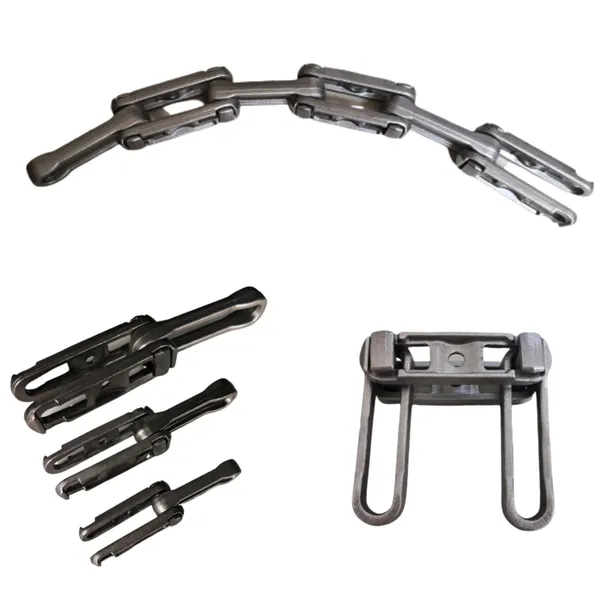
The drop forged chains made of heat treated high grade alloy steel.
1) X348,X458,X678,H698,9118,P1
Http://kasinchain
| Υλικό: | SCR440 |
|---|---|
| Δομή: | Σφυρηλάτηση |
| Επιφανειακή επεξεργασία: | Shot Blasting |
| Μέγεθος αλυσίδας: | P:160mm |
| Χαρακτηριστικό: | Heat Resistant, Forging |
| Breaking Load: | 320kn |
| Δείγματα: | US$ 29/Meter 1 μέτρο (ελάχιστη παραγγελία) | |
|---|
| Προσαρμογή: | Διαθέσιμος | Προσαρμοσμένο Αίτημα |
|---|
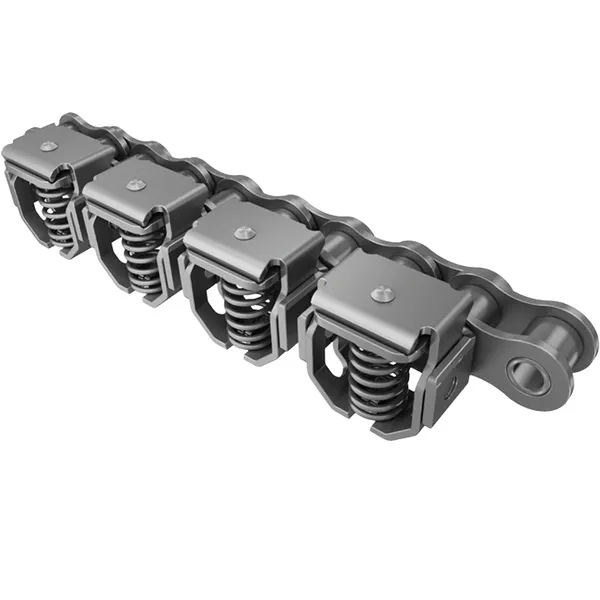
Ποια είναι τα οφέλη από τη χρήση ενός συστήματος αλυσιδωτής μεταφοράς εναέριων ιμάντων;
Η χρήση ενός συστήματος εναέριας αλυσίδας μεταφοράς προσφέρει πολλά οφέλη σε διάφορες βιομηχανικές εφαρμογές. Ακολουθούν ορισμένα βασικά πλεονεκτήματα:
1. Βελτιστοποίηση χώρου:
– Τα συστήματα αλυσιδωτών εναέριων μεταφορικών ταινιών αξιοποιούν τον κατακόρυφο χώρο, επιτρέποντας την αποτελεσματική αξιοποίηση του χώρου στο δάπεδο. Αυτό είναι ιδιαίτερα ωφέλιμο σε εγκαταστάσεις με περιορισμένη επιφάνεια δαπέδου, καθώς επιτρέπει την αποτελεσματική διαχείριση υλικών και τη ροή παραγωγής χωρίς να εμποδίζει τον χώρο εργασίας.
2. Ευελιξία και Πολυχρηστικότητα:
– Οι αλυσίδες εναέριων μεταφορικών ταινιών προσφέρουν ευελιξία στη δρομολόγηση και μπορούν να προσαρμοστούν στις συγκεκριμένες απαιτήσεις διάταξης της εγκατάστασης. Μπορούν να διασχίσουν διαφορετικές περιοχές, όπως γραμμές συναρμολόγησης, θαλάμους βαφής, χώρους αποθήκευσης και άλλα. Η ευελιξία των εναέριων συστημάτων επιτρέπει την αποτελεσματική και προσαρμόσιμη μετακίνηση υλικών.
3. Βελτιωμένη ασφάλεια:
– Οι αλυσίδες των εναέριων μεταφορικών ταινιών ελαχιστοποιούν τα εμπόδια στο επίπεδο του εδάφους, μειώνοντας τον κίνδυνο πτώσης και ατυχημάτων. Οι χειριστές και οι εργαζόμενοι μπορούν να πλοηγούνται με ασφάλεια στον χώρο εργασίας χωρίς παρεμβολές από το σύστημα των μεταφορικών ταινιών.
4. Προστασία προϊόντος:
– Οι αλυσίδες εναέριας μεταφοράς παρέχουν καλύτερη προστασία για τα προϊόντα που μεταφέρονται. Διατηρώντας τα προϊόντα υπερυψωμένα και μακριά από πιθανούς κινδύνους στο δάπεδο, όπως σκόνη, υπολείμματα ή διαρροές, μειώνεται ο κίνδυνος ζημιάς ή μόλυνσης του προϊόντος.
5. Αυξημένη Αποδοτικότητα:
– Τα συστήματα εναέριων μεταφορικών ταινιών μπορούν να βελτιώσουν την αποδοτικότητα της παραγωγής διευκολύνοντας τη συνεχή ροή υλικών και μειώνοντας τον χειρωνακτικό χειρισμό. Επιτρέπουν την αυτοματοποιημένη φόρτωση και εκφόρτωση υλικών, οδηγώντας σε ταχύτερους χρόνους επεξεργασίας και βελτιωμένη συνολική παραγωγικότητα.
6. Εύκολη συντήρηση:
– Οι αλυσίδες εναέριων μεταφορικών ταινιών σχεδιάζονται συνήθως για εύκολη συντήρηση. Η πρόσβαση και η συντήρηση εξαρτημάτων όπως αλυσίδες, καρότσια και κινητήρες είναι εύκολα προσβάσιμα και συντηρούνται, ελαχιστοποιώντας τον χρόνο διακοπής λειτουργίας και το κόστος συντήρησης.
7. Προσαρμογή και Ενσωμάτωση:
– Οι αλυσίδες εναέριων μεταφορικών ταινιών μπορούν να προσαρμοστούν ώστε να καλύπτουν συγκεκριμένες απαιτήσεις εφαρμογής, συμπεριλαμβανομένης της χωρητικότητας φορτίου, της ταχύτητας και των συστημάτων ελέγχου. Μπορούν επίσης να ενσωματωθούν με άλλα αυτοματοποιημένα συστήματα, όπως ρομποτικούς σταθμούς εργασίας ή μηχανισμούς διαλογής, για περαιτέρω βελτιστοποίηση της διαδικασίας χειρισμού υλικών.
Συνολικά, η χρήση ενός συστήματος αλυσίδας εναέριας μεταφοράς παρέχει αποτελεσματικό χειρισμό υλικών, μεγιστοποιεί την αξιοποίηση του χώρου, ενισχύει την ασφάλεια και βελτιώνει την παραγωγικότητα σε βιομηχανικά περιβάλλοντα.
Πώς επηρεάζει η λίπανση την απόδοση μιας αλυσίδας μεταφοράς;
Η λίπανση παίζει κρίσιμο ρόλο στην απόδοση και τη μακροζωία μιας αλυσίδας μεταφοράς. Η σωστή λίπανση βοηθά στη μείωση της τριβής, της φθοράς και της παραγωγής θερμότητας, διασφαλίζοντας την ομαλή λειτουργία και ελαχιστοποιώντας τον κίνδυνο πρόωρης βλάβης. Δείτε πώς η λίπανση επηρεάζει την απόδοση μιας αλυσίδας μεταφοράς:
1. Μείωση τριβής: Η λίπανση σχηματίζει μια λεπτή μεμβράνη μεταξύ των εξαρτημάτων της αλυσίδας, μειώνοντας την τριβή μεταξύ των μεταλλικών επιφανειών. Αυτό μειώνει την ενέργεια που απαιτείται για τη λειτουργία, ελαχιστοποιεί την παραγωγή θερμότητας και αποτρέπει την υπερβολική φθορά.
2. Πρόληψη φθοράς: Η λίπανση σχηματίζει ένα προστατευτικό στρώμα στα εξαρτήματα της αλυσίδας, αποτρέποντας την άμεση επαφή μετάλλου με μέταλλο. Αυτό βοηθά στη μείωση της φθοράς και στην παράταση της διάρκειας ζωής της αλυσίδας.
3. Προστασία από τη διάβρωση: Τα λιπαντικά συχνά περιέχουν αντιδιαβρωτικά πρόσθετα που προστατεύουν την αλυσίδα από τη σκουριά και την οξείδωση. Αυτό είναι ιδιαίτερα σημαντικό σε περιβάλλοντα με υψηλή υγρασία ή έκθεση σε διαβρωτικές ουσίες.
4. Μείωση Θορύβου: Η σωστή λίπανση μειώνει τον θόρυβο που παράγεται κατά τη λειτουργία της αλυσίδας ελαχιστοποιώντας την τριβή και την επαφή μετάλλου με μέταλλο. Αυτό μπορεί να συμβάλει σε ένα πιο ήσυχο και άνετο εργασιακό περιβάλλον.
5. Έλεγχος θερμοκρασίας: Η λίπανση βοηθά στην απαγωγή της θερμότητας που παράγεται κατά τη λειτουργία της αλυσίδας, αποτρέποντας την υπερβολική αύξηση της θερμοκρασίας. Αυτό είναι ζωτικής σημασίας σε εφαρμογές υψηλής ταχύτητας ή βαρέως τύπου, όπου η θερμότητα μπορεί να οδηγήσει σε επιταχυνόμενη φθορά και μειωμένη απόδοση της αλυσίδας.
6. Συντήρηση και Διάρκεια Ζωής: Η τακτική λίπανση και η σωστή επιλογή λιπαντικού είναι απαραίτητες για τη διατήρηση της απόδοσης της αλυσίδας και την παράταση της διάρκειας ζωής της. Η επαρκής λίπανση μειώνει την ανάγκη για συχνή συντήρηση, ελαχιστοποιεί τον χρόνο διακοπής λειτουργίας και μειώνει το συνολικό κόστος λειτουργίας.
Είναι σημαντικό να ακολουθείτε τις συστάσεις του κατασκευαστή σχετικά με τη συχνότητα λίπανσης και να χρησιμοποιείτε το κατάλληλο λιπαντικό για την αλυσίδα μεταφοράς. Θα πρέπει επίσης να διεξάγονται τακτικοί έλεγχοι και έλεγχοι συντήρησης για να διασφαλίζονται τα κατάλληλα επίπεδα λίπανσης και να αντιμετωπίζονται άμεσα τυχόν προβλήματα. Οι σωστές πρακτικές λίπανσης θα βελτιώσουν την απόδοση, την αξιοπιστία και την ανθεκτικότητα του συστήματος αλυσίδας μεταφοράς.

What factors should be considered when designing a conveyor chain system?
When designing a conveyor chain system, several factors need to be considered to ensure optimal performance and functionality. These factors include:
- Load Capacity: The load capacity of the conveyor chain system is a critical consideration. It involves determining the maximum weight and size of the materials or products to be conveyed. This information helps in selecting the appropriate chain type, size, and strength to handle the expected load.
- Speed and Throughput: The desired speed at which the conveyor system needs to operate and the expected throughput of materials are important factors. They influence the selection of chain pitch, sprocket size, and motor power to achieve the desired conveyor speed and material handling capacity.
- Environmental Conditions: The operating environment plays a crucial role in the design of a conveyor chain system. Factors such as temperature, humidity, dust, corrosive substances, and presence of water or chemicals impact the selection of materials for the chain, sprockets, and other components to ensure durability and resistance to wear and corrosion.
- Conveyor Layout and Configuration: The layout and configuration of the conveyor system are key considerations. Factors such as available space, conveyor path, incline or decline angles, and any required curves or turns affect the selection of chain type, sprocket arrangement, and overall system design.
- Maintenance and Accessibility: Easy access for maintenance and servicing is crucial for the longevity and efficient operation of the conveyor chain system. Considering factors such as lubrication points, chain tension adjustment mechanisms, and overall accessibility for inspections and repairs ensures smooth operation and minimizes downtime.
- Noise and Vibration: The level of noise and vibration generated by the conveyor chain system can impact the working environment. Design considerations such as selecting chain types with low noise characteristics, implementing proper lubrication, and using vibration-damping components help minimize noise and vibration levels.
- Safety: Safety is of paramount importance in conveyor chain system design. Factors such as guarding, emergency stop systems, proper alignment, and anti-slip measures need to be incorporated to ensure the safety of operators and prevent accidents or injuries.
Considering these factors during the design stage helps in selecting the appropriate conveyor chain type, size, and configuration to meet the specific requirements of the application, ensuring smooth and efficient material handling operations.


editor by CX 2023-07-27