Deskripsi Produk
| The main application is for conveying various food products and containers. The 820 is a plastic version of the related. The plastic chains however have a reinforcing middle rib underneath. The link thickness is 4.0 mm (0.16 in.) for the 820-series. The links overlap, so there is no space between the links. Bahan pelat: POM/PP; Bahan pin: baja tahan karat Max.speed: 80m/min lubrication; 50m/min dry Max.length:12m; Color:white/brown; Packing unit:10ft(80links) |
| APLIKASI: |
| China CZPT Machinery Co., Ltd. adalah pemasok khusus komponen sistem konveyor, termasuk rantai datar plastik dan baja tahan karat, sabuk modular, suku cadang lainnya, seperti strip aus UHMWPE, pelindung samping, pemandu rantai, bipod, tripod, braket, klem, dll. Dengan pengalaman bertahun-tahun, produk berkualitas, dan layanan prima, kami bekerja sama dengan klien di seluruh dunia dari Amerika, Eropa, Afrika, dan banyak negara di Asia. Kami menjaga hubungan bisnis yang sangat baik dengan mereka, dan mendapatkan kepercayaan dari mereka. Aplikasi produk kami: Industri pengemasan dan pengangkutan Industri pembotolan dan penanganan minuman Industri pengolahan makanan dan daging Industri kimia Industri farmasi Industri otomotif Industri kelistrikan dan elektronik Industri tekstil Industri teknik ringan |
| Bahan: | Plastik |
|---|---|
| Struktur: | Rantai Atas |
| Perlakuan Permukaan: | Gesekan Rendah |
| Ukuran Rantai: | Jarak antar gigi 38,1 mm |
| Pin: | SS304 |
| Kondisi: | 100% Baru |
| Contoh: | US$ 6/Meter 1 Meter (Pesanan Minimum) | |
|---|
| Kustomisasi: | Tersedia | Permintaan Khusus |
|---|

How do you calculate the maximum allowable tension in a conveyor chain?
The maximum allowable tension in a conveyor chain can be calculated using the following steps:
1. Determine the Chain Pitch:
– Measure the distance between the centers of two consecutive chain pins. This measurement is known as the chain pitch and is typically expressed in inches or millimeters.
2. Determine the Chain Speed:
– Determine the speed at which the conveyor chain will be operating. The chain speed is typically expressed in feet per minute or meters per second.
3. Calculate the Chain Pull:
– Determine the total weight or force that needs to be moved by the conveyor chain. This includes the weight of the conveyed material and any additional loads or forces acting on the chain.
4. Calculate the Required Tension:
– Use the following formula to calculate the required tension:
Tension = (Chain Pull × Chain Speed) / (Chain Pitch × Efficiency)
– The efficiency factor accounts for losses due to friction and other factors and is typically expressed as a decimal between 0 and 1.
5. Determine the Maximum Allowable Tension:
– The maximum allowable tension is determined by the manufacturer’s specifications for the conveyor chain. It is important to consult the manufacturer’s documentation or contact them directly to obtain the maximum allowable tension value.
6. Compare the Required Tension and Maximum Allowable Tension:
– Compare the calculated required tension with the maximum allowable tension. The required tension should be less than or equal to the maximum allowable tension to ensure safe and reliable operation of the conveyor chain.
By following these steps and considering the manufacturer’s specifications, you can accurately calculate the maximum allowable tension in a conveyor chain and ensure that it is within the safe operating limits.
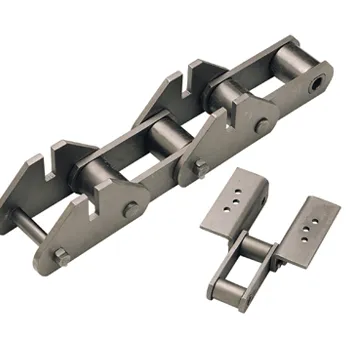
Bagaimana rantai konveyor memengaruhi aliran material dalam jalur produksi?
Rantai konveyor memainkan peran penting dalam memfasilitasi kelancaran dan efisiensi aliran material dalam jalur produksi. Berikut adalah beberapa cara utama rantai konveyor memengaruhi aliran material:
1. Pergerakan Berkesinambungan: Rantai konveyor memungkinkan pergerakan material secara terus menerus di sepanjang jalur produksi. Dengan menahan dan mengangkut material secara aman, rantai tersebut memastikan aliran yang konsisten tanpa gangguan atau penundaan.
2. Kontrol Kecepatan: Kecepatan pergerakan rantai konveyor dapat disesuaikan agar sesuai dengan laju produksi yang diinginkan. Hal ini memungkinkan kontrol yang tepat terhadap aliran material, memastikan bahwa aliran tersebut selaras dengan proses selanjutnya dan menghindari hambatan atau kelebihan beban.
3. Orientasi dan Penempatan: Rantai konveyor dapat dirancang dengan perlengkapan atau alat bantu khusus untuk mengorientasikan dan menempatkan material dengan cara yang diinginkan. Hal ini memastikan bahwa material disajikan dengan benar untuk diproses, dirakit, atau dikemas, sehingga mengoptimalkan alur produksi secara keseluruhan.
4. Penyortiran dan Pemisahan: Dalam aplikasi tertentu, rantai konveyor dapat dilengkapi dengan mekanisme untuk menyortir atau memisahkan material berdasarkan kriteria yang telah ditentukan. Hal ini memungkinkan pengarahan yang efisien untuk berbagai produk atau komponen ke tujuan masing-masing, sehingga memperlancar aliran material.
5. Akumulasi dan Penyangga: Rantai konveyor dapat menggabungkan zona akumulasi atau area penyangga di mana material dapat berhenti sementara atau terakumulasi. Fitur ini berguna ketika proses hilir mengalami gangguan sementara atau ketika ada kebutuhan untuk menyeimbangkan aliran antara berbagai tahapan produksi.
6. Integrasi dengan Peralatan: Rantai konveyor dapat diintegrasikan dengan peralatan atau mesin lain di lini produksi, seperti lengan robot, sistem pengemasan otomatis, atau stasiun inspeksi. Integrasi yang mulus ini memungkinkan penanganan material yang sinkron, mengoptimalkan alur dan efisiensi seluruh proses produksi.
7. Kustomisasi untuk Kebutuhan Spesifik: Rantai konveyor dapat dikustomisasi untuk memenuhi persyaratan penanganan material tertentu. Ini termasuk pertimbangan seperti lebar rantai, panjang, penyesuaian ketinggian, kemiringan naik atau turun, dan perlengkapan atau pemandu khusus. Kustomisasi tersebut memastikan bahwa aliran material disesuaikan dengan kebutuhan unik lini produksi.
Dengan menyediakan metode pengangkutan material yang andal dan terkontrol, rantai konveyor secara signifikan memengaruhi aliran material dalam lini produksi. Hal ini meningkatkan produktivitas, mengurangi penanganan manual, meminimalkan risiko kesalahan atau kerusakan, dan pada akhirnya berkontribusi pada efisiensi dan keberhasilan keseluruhan proses manufaktur.
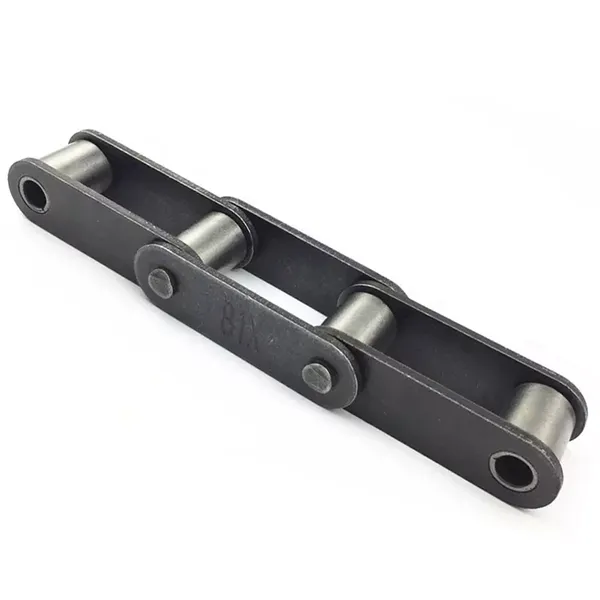
What are the common causes of conveyor chain failures?
Conveyor chain failures can occur due to various reasons, and identifying the root cause is crucial for preventing future issues. Here are some common causes of conveyor chain failures:
- Lack of Lubrication: Insufficient or improper lubrication can lead to increased friction and wear on the chain components, resulting in premature failure.
- Excessive Load: Overloading the conveyor chain beyond its rated capacity can cause excessive stress and strain, leading to chain elongation, deformation, or link breakage.
- Misalignment: Improper alignment of the conveyor chain can cause uneven loading and excessive wear on specific areas, leading to chain failure.
- Environmental Factors: Harsh operating environments, such as high temperatures, corrosive substances, or abrasive materials, can accelerate chain wear and corrosion, leading to failure.
- Foreign Objects: The presence of foreign objects or debris on the conveyor system can interfere with the movement of the chain, causing jamming, binding, or chain damage.
- Poor Maintenance: Inadequate maintenance practices, such as irregular inspections, failure to address minor issues promptly, or neglecting to replace worn components, can contribute to chain failures.
- Incorrect Installation: Improper installation, including incorrect tensioning, misalignment, or using incompatible components, can result in premature chain failure.
- Fatigue and Wear: Continuous operation over time can lead to fatigue and wear in the chain, especially in high-speed or heavy-duty applications, resulting in eventual failure.
Regular maintenance, proper lubrication, adequate training for operators, and adherence to manufacturer guidelines can help mitigate these common causes of conveyor chain failures. Conducting routine inspections, promptly addressing issues, and replacing worn components can also significantly extend the life of the conveyor chain.


editor by CX 2023-08-14