Opis produktu
Detailed Photos
Company Profile
HangZhou CZPT Machinery Technology Co.Ltd is specialized in manufacturing and distributing spare parts of asphalt paver, milling machine and road roller. We provide daily maintenance, overhaul and technical service for our customers. Our main products includes: 1. For asphalt paver, track pad, track chain, screed plate, conveyor chain, leveling sensor, auger sensor and control pane. 2. For milling machine, track shoe, cutting teeth, tool holder, base holder, string sensor, conveyor belt and milling depth sensor. 3. For road roller, rubber buffer, water pump and spray nozzle and other various road construction machinery parts.
CZPT is located in Home of German Enterprises – HangZhou. With its superior geographical position, CZPT enjoys convenient water, land and air transportation, which ensures its timely delivery and export. CZPT has distributed its products all over the world, such as the United State, North Europe, East Europe, Southeast Asia, Australia, Middle east and established a stable and friendly cooperation relationship with those companies.
CZPT will always adhere to its management concept,”honest, quality first,service first”, constantly upgrading its products and making more innovations. We offer professional technical support, perfect after-sales service and complete product stock to every road construction company, aiming to live up to all their expectations.
CZPT is going to be stronger with the support of all our dear customers. We warmly welcome you to contact us for future business relationship and are sincerely looking CZPT to cooperating with you.
Packaging & Shipping
1. Delivery terms:by sea/ by air
2. Delivery times:7-15 Days
3. Payment terms:FOB/EXW/CIF
Our Services
1. Warranty
2. After-sales service
3. Quality certification
4. Customized service
5. Sample service
| After-sales Service: | Aftersales Services Available |
|---|---|
| Warranty: | / |
| Typ: | Auger Chain |
| Aplikacja: | System przenośnikowy |
| Stan : schorzenie: | New |
| Pakiet transportowy: | Pallets |
| Próbki: | US$ 650/Piece 1 sztuka (minimalne zamówienie) | |
|---|
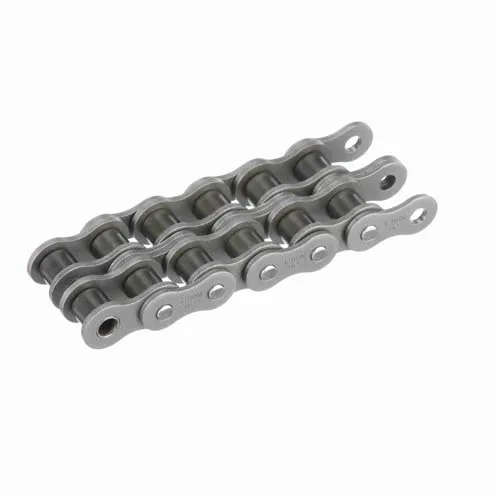
What are the considerations for selecting a low-maintenance conveyor chain?
When selecting a low-maintenance conveyor chain, several considerations should be taken into account:
1. Material Selection:
– Choose a conveyor chain made from materials that are resistant to wear, corrosion, and contamination. Stainless steel, plastic, or self-lubricating chains are commonly used for their durability and low maintenance requirements.
2. Lubrication-Free Design:
– Look for conveyor chains that have a self-lubricating design or are pre-lubricated with materials that reduce friction and eliminate the need for additional lubrication. This helps to minimize maintenance tasks associated with regular lubrication.
3. Sealed Construction:
– Consider conveyor chains with sealed construction to prevent the ingress of dirt, debris, and moisture. Sealed chains require less frequent cleaning and maintenance, making them ideal for low-maintenance applications.
4. Easy Cleaning:
– Opt for conveyor chains that are designed for easy cleaning. Smooth surfaces, open structures, and accessible components allow for quick and efficient cleaning, reducing maintenance time and effort.
5. Resistance to Contamination:
– Select a conveyor chain that is resistant to contamination. This includes resistance to chemicals, oils, greases, and other substances commonly found in the application environment. Chains that can withstand contamination require less frequent cleaning and maintenance.
6. Wear Monitoring:
– Look for conveyor chains that have wear monitoring features, such as wear indicators or sensors. These features help to identify chain wear and provide timely maintenance alerts, allowing for proactive replacement or adjustment.
7. Manufacturer Support:
– Consider the support provided by the chain manufacturer. A reputable manufacturer will offer guidance on maintenance intervals, replacement schedules, and provide technical assistance to ensure the proper functioning of the chain.
By considering these factors, you can select a low-maintenance conveyor chain that minimizes the need for frequent inspections, lubrication, cleaning, and replacement, resulting in reduced maintenance efforts and costs.
Jakie są korzyści ze stosowania łańcuchów przenośnikowych ze stali nierdzewnej?
Łańcuchy przenośnikowe ze stali nierdzewnej oferują szereg zalet w porównaniu z innymi rodzajami łańcuchów. Oto kilka najważniejszych korzyści:
1. Odporność na korozję: Stal nierdzewna jest wysoce odporna na korozję, dzięki czemu nadaje się do zastosowań w trudnych warunkach lub w branżach, gdzie wymagane jest częste mycie lub narażenie na wilgoć. Nie rdzewieje ani nie koroduje jak inne metale, zapewniając dłuższą żywotność i niezawodne działanie.
2. Wytrzymałość i trwałość: Łańcuchy ze stali nierdzewnej znane są z wysokiej wytrzymałości i trwałości. Wytrzymują duże obciążenia, wysokie temperatury i materiały ścierne bez odkształceń i pęknięć. Dzięki temu idealnie nadają się do zastosowań wymagających dużej wytrzymałości, gdzie niezawodność i trwałość są kluczowe.
3. Higiena i higiena: Stal nierdzewna to nieporowaty materiał, łatwy w czyszczeniu i konserwacji. Jest odporna na bakterie, pleśń i inne zanieczyszczenia, dzięki czemu nadaje się do branż o surowych wymaganiach higienicznych, takich jak przetwórstwo spożywcze, farmaceutyka i produkcja urządzeń medycznych. Łańcuchy ze stali nierdzewnej można dokładnie czyścić i dezynfekować, co zmniejsza ryzyko zanieczyszczenia produktu.
4. Odporność na temperaturę: Łańcuchy ze stali nierdzewnej wytrzymują szeroki zakres temperatur, zarówno wysokich, jak i niskich. Wykazują doskonałą odporność na ciepło, dzięki czemu zachowują wytrzymałość i wydajność nawet w ekstremalnych warunkach temperaturowych.
5. Estetyka: Łańcuchy ze stali nierdzewnej mają elegancki i lśniący wygląd, dodając systemowi przenośników profesjonalnego i estetycznego charakteru. Są powszechnie stosowane w branżach, w których liczy się atrakcyjność wizualna i reprezentacja marki, takich jak handel detaliczny czy towary luksusowe.
6. Odporność chemiczna: Stal nierdzewna jest odporna na działanie różnych substancji chemicznych, w tym kwasów, zasad i rozpuszczalników. Dzięki temu nadaje się do zastosowań, w których istnieje prawdopodobieństwo kontaktu z substancjami żrącymi.
7. Kompatybilność z aplikacjami o dużej prędkości: Łańcuchy ze stali nierdzewnej wytrzymują pracę z dużą prędkością bez utraty integralności strukturalnej i wydajności. Zachowują stabilność i dokładność nawet przy dużych prędkościach.
Ogólnie rzecz biorąc, łańcuchy przenośnikowe ze stali nierdzewnej oferują odporność na korozję, wytrzymałość, trwałość, właściwości higieniczne, odporność na temperaturę, walory estetyczne, odporność chemiczną oraz kompatybilność z aplikacjami o dużej prędkości. Te zalety sprawiają, że są one preferowanym wyborem w branżach takich jak przemysł spożywczy i napojów, farmaceutyczny, motoryzacyjny i produkcyjny, gdzie niezawodność, czystość i wydajność są kluczowe.
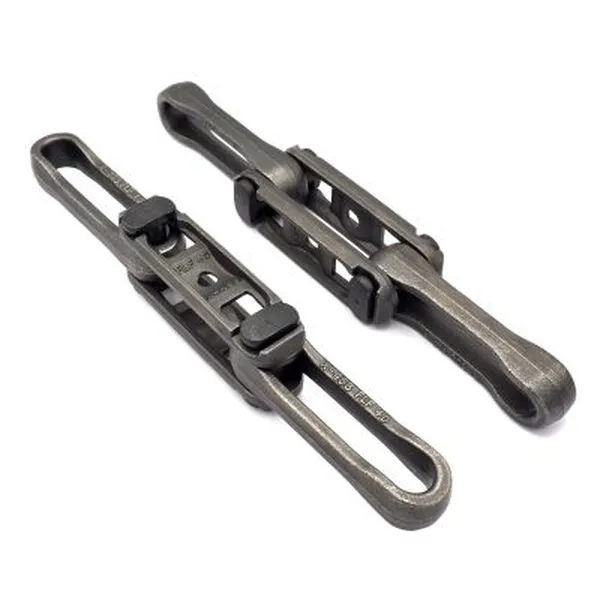
What are the environmental considerations when using a conveyor chain?
When using a conveyor chain, there are several environmental considerations to take into account:
1. Temperature and Humidity: Conveyor chains may be exposed to different temperature and humidity levels depending on the application and operating environment. Extreme temperatures or high humidity can affect the performance and lifespan of the chain. It is important to select a chain material and lubrication that can withstand the specific environmental conditions.
2. Contamination and Cleanliness: The presence of dust, dirt, debris, or other contaminants can impact the operation and efficiency of the conveyor chain. Regular cleaning and maintenance should be performed to prevent build-up and ensure smooth chain movement.
3. Chemical Exposure: Conveyor chains used in industries such as chemical processing or food production may come into contact with corrosive chemicals or cleaning agents. It is crucial to choose a chain material that is resistant to chemical corrosion and select appropriate lubricants compatible with the chemicals present in the environment.
4. Noise and Vibration: Conveyor systems can generate noise and vibration during operation, which may have environmental implications. Noise reduction measures, such as using noise-dampening materials or implementing vibration isolation techniques, can help minimize the impact on the surrounding environment and comply with noise regulations.
5. Energy Efficiency: Consideration should be given to energy consumption and efficiency when using a conveyor chain. Optimize the system design, minimize friction losses, and utilize energy-efficient components to reduce the environmental impact and operational costs.
6. Sustainability: Increasingly, sustainability is an important consideration in industrial operations. Choosing conveyor chains made from recyclable or renewable materials, implementing energy-saving measures, and practicing responsible waste management can contribute to a more environmentally friendly operation.
By taking these environmental considerations into account, industries can ensure the proper functioning of conveyor chains while minimizing environmental impact and complying with relevant regulations.


editor by CX 2023-08-18