Soluții de lanțuri raclete proiectate de înaltă performanță pentru alimentatoare avansate de cutii în instalațiile de prelucrare a argilei din Regatul Unit
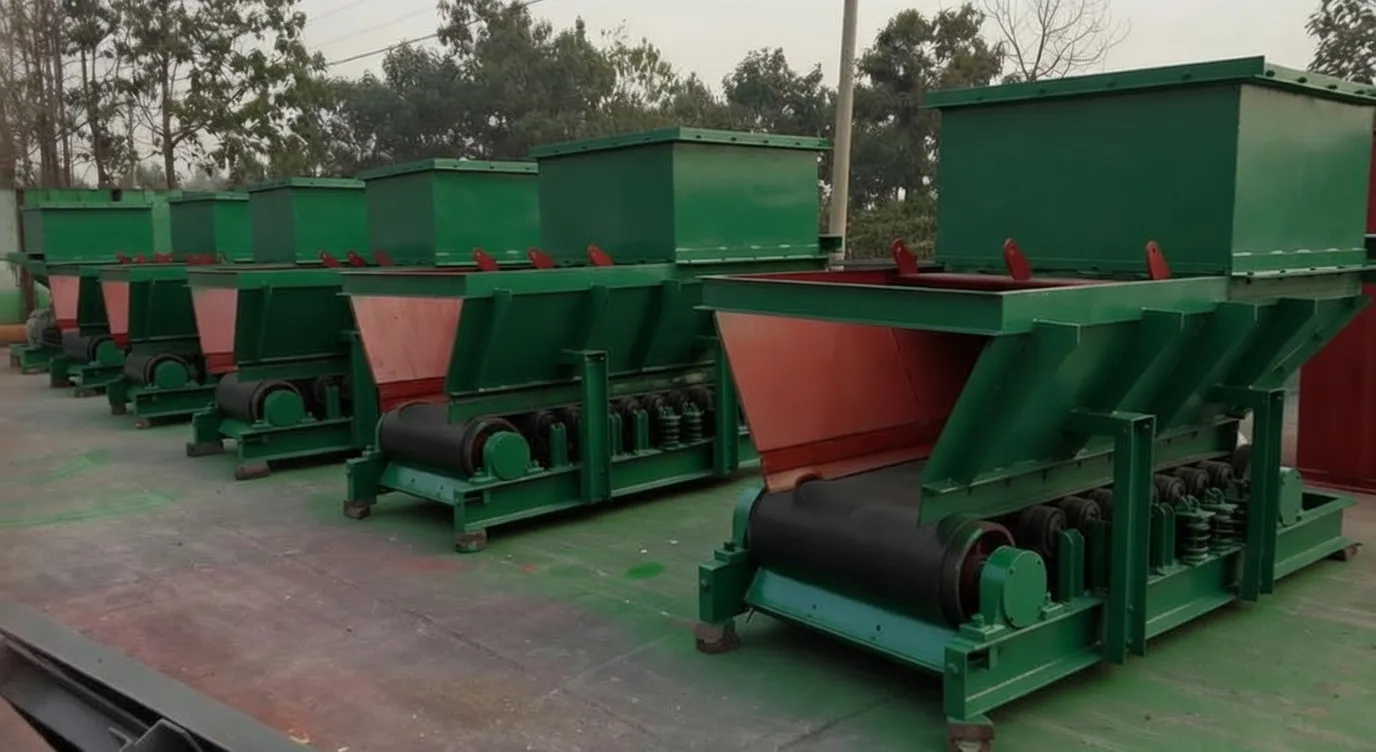 Eficiența operațională fundamentală a oricărei instalații moderne de producție a argilei grele, în special a celor care produc cărămizi structurale de volum mare, ceramică tehnică și țigle extrudate în peisajul industrial al Regatului Unit, se bazează în întregime pe fluxul continuu și perfect reglat de materii prime. Funcționând în adâncul zonelor de pregătire primară ale acestor instalații de producție avansate, sistemul de alimentare cu argilă acționează ca o inimă mecanică centrală, însărcinat cu recepționarea unor tone de pământ proaspăt excavat, extrem de eterogen, și transformarea acestuia într-un flux consistent și măsurabil. Cerințele mecanice impuse componentelor de bază ale acestui sistem sunt extraordinar de severe datorită proprietăților reologice inerente ale argilei industriale, care prezintă de obicei conținuturi de umiditate foarte variabile, structuri coezive dense și prezența incluziunilor de silicat agresiv abrazive, particule de cuarț și agregate stâncoase incidentale. Pentru a face față acestor condiții operaționale brutale fără a suferi defecțiuni mecanice catastrofale sau niveluri inacceptabile de uzură a componentelor, inginerii se bazează pe un lanț racleur fabricat cu precizie, care funcționează într-un alimentator tip cutie de mare putere. Acest ansamblu mecanic robust trebuie să suporte continuu sarcini de tracțiune imense, solicitări torsionale extreme și frecare abrazivă neclintită, în timp ce trage volume masive de material dens și lipicios de-a lungul unui jgheab de oțel ranforsat, asigurându-se că morile de concasare și extruderele cu vid ulterioare nu sunt niciodată lipsite de materie primă și nici copleșite de creșteri bruște ale ratei de alimentare.
Abordarea provocărilor tribologice complexe, inerente în mutarea pământului abraziv umed, necesită o abordare inginerească care să ridice designul lanțului transportor standard la nivelul unei tehnologii industriale extrem de specializate. Atunci când este pornit un alimentator tip cutie puternic încărcat, întreaga lungime a lanțului racleur instalat este imediat supusă unor șocuri dinamice masive și unei tensiuni statice extreme, forțând fiecare știft, bucșă, rolă și placă laterală să funcționeze perfect la unison pentru a depăși inerția imensă a masei de argilă tasată. Interacțiunea dintre suprafețele metalice ale lanțului și particulele microscopice de silice încorporate în materia primă creează o acțiune de măcinare continuă și agresivă, care va degrada rapid componentele inferioare din oțel, ducând la o alungire rapidă a pasului, o cuplare neuniformă a pinionului și, în cele din urmă, la o încetare completă a sistemului de alimentare cu argilă. Prin utilizarea unor formule metalurgice avansate, încorporarea unor protocoale riguroase de tratament termic în straturi adânci și optimizarea profilului geometric al atașamentelor racleurului pentru a se potrivi caracteristicilor specifice de curgere ale depozitelor geologice locale găsite în regiuni precum Staffordshire și West Yorkshire, producătorii pot produce un lanț racleur extrem de rezistent, capabil să ofere ani de funcționare neîntreruptă. Acest nivel de inginerie precisă reduce dramatic timpii de nefuncționare neașteptați din cauza întreținerii, scade semnificativ costul total de proprietate al utilajelor instalației și garantează o alimentare omogenă cu material, care se traduce direct printr-o stabilitate dimensională superioară și o integritate structurală a produselor ceramice arse finale.
Principii mecanice avansate și inovații metalurgice
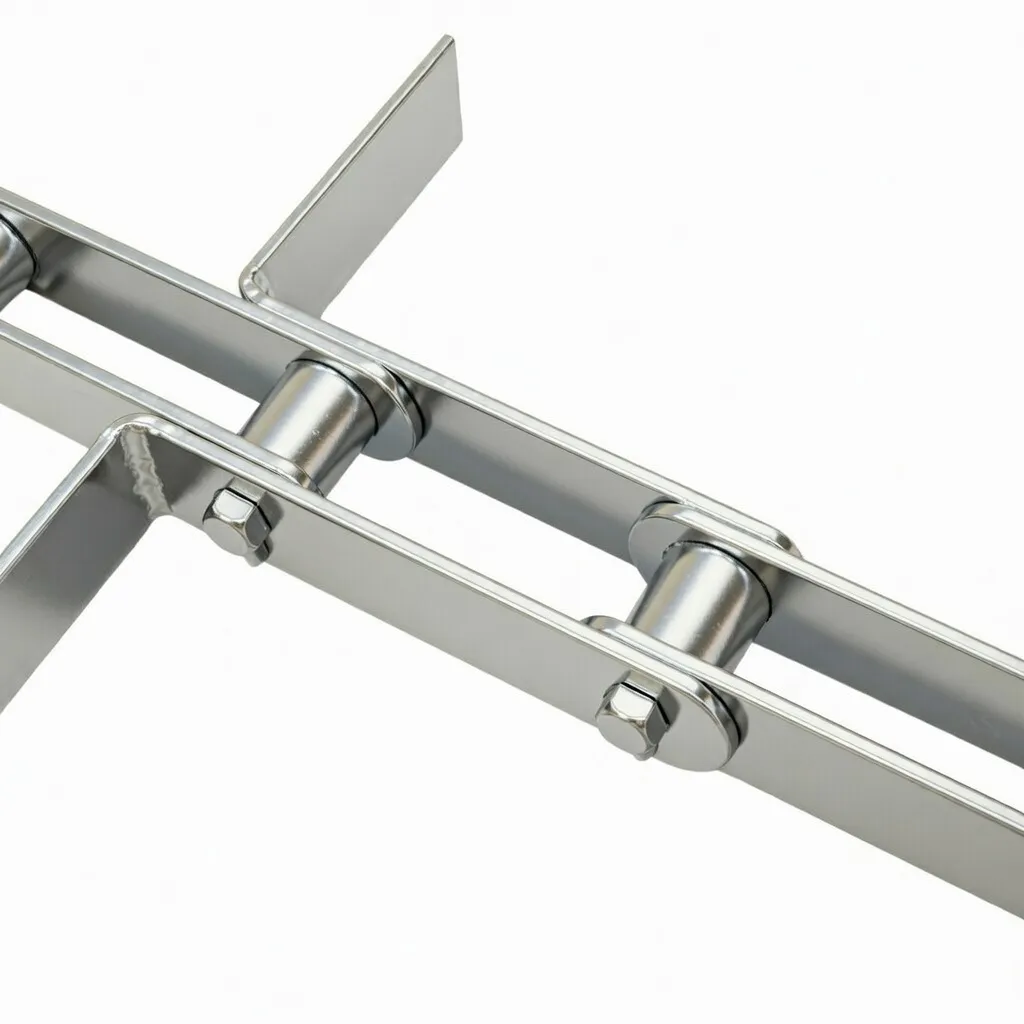 Înțelegerea dinamicii mecanice extrem de complexe care operează într-un buncăr de recepție a materiilor prime este absolut esențială pentru evaluarea viabilității pe termen lung a infrastructurii interne de transport. Alimentatorul de cutii pentru sarcini grele funcționează pe principiul deplasării pozitive, utilizând mai multe fire paralele de lanț ingineresc puternic armat, conectate lateral prin traverse sau aripi groase din oțel structural, care se fixează sistematic în straturile inferioare ale stocului de argilă. Pe măsură ce arborele masiv al capului se rotește, acționat de cutii de viteze planetare cu cuplu mare, pinioanele de acționare imprimă o forță de tracțiune liniară enormă lanțului raclor, creând o acțiune de forfecare neobosită care fracturează continuu masa de argilă compactată și trage un strat volumetric precis controlat spre poarta de descărcare. Acest ciclu continuu de tensiune imensă, eliberare și frecare puternică de alunecare supune îmbinările articulate ale lanțului la solicitări mecanice profunde, cerând ca toleranțele dimensionale dintre știfturile interne și bucșele înconjurătoare să fie menținute cu o precizie microscopică absolută. Orice abatere a acestor toleranțe datorată uzurii premature permite prafului abraziv de silice să pătrundă în suprafețele lagărelor, accelerând distrugerea îmbinării, provocând alungirea rapidă a lanțului și perturbând grav sincronizarea întregului sistem de alimentare cu argilă.
Durabilitatea excepțională necesară pentru a supraviețui unui mediu industrial atât de dificil se obține exclusiv prin aplicarea unor tehnici metalurgice extrem de avansate și a unor procese termice riguroase în timpul fazei de fabricație. Oțelurile aliate de înaltă calitate, atent selectate pentru conținutul lor specific de carbon și crom, servesc drept material de bază pentru componentele portante, oferind rezistența inerentă la tracțiune necesară pentru a rezista forțelor masive de întindere exercitate de încărcăturile grele de argilă. Pentru a combate acțiunea neobosită de măcinare a materiilor prime abrazive, suprafețele critice de uzură, în special diametrele exterioare ale știfturilor și alezajele interne ale bucșelor, sunt supuse unor tratamente sofisticate de călire prin inducție sau carburare profundă, creând o carcasă exterioară hiper-călită, capabilă să devieze impacturile ascuțite ale silicei. Simultan, procesul de fabricație asigură cu strictețe că miezul interior al acestor componente rămâne extrem de ductil și rezistent, oferind rezistența vitală la impact necesară pentru a absorbi încărcările bruște de șoc generate atunci când alimentatorul de cutii întâlnește roci mari încorporate sau aglomerări de argilă înghețată. Acest echilibru meticulos conceput între duritatea suprafeței impenetrabile și rezistența miezului flexibil este caracteristica definitorie a unui lanț racleur premium, garantând o durată de viață extinsă și o livrare constantă a materialului în cele mai solicitante medii de fabricație a ceramicii.
Avantaje operaționale pentru producția industrială continuă
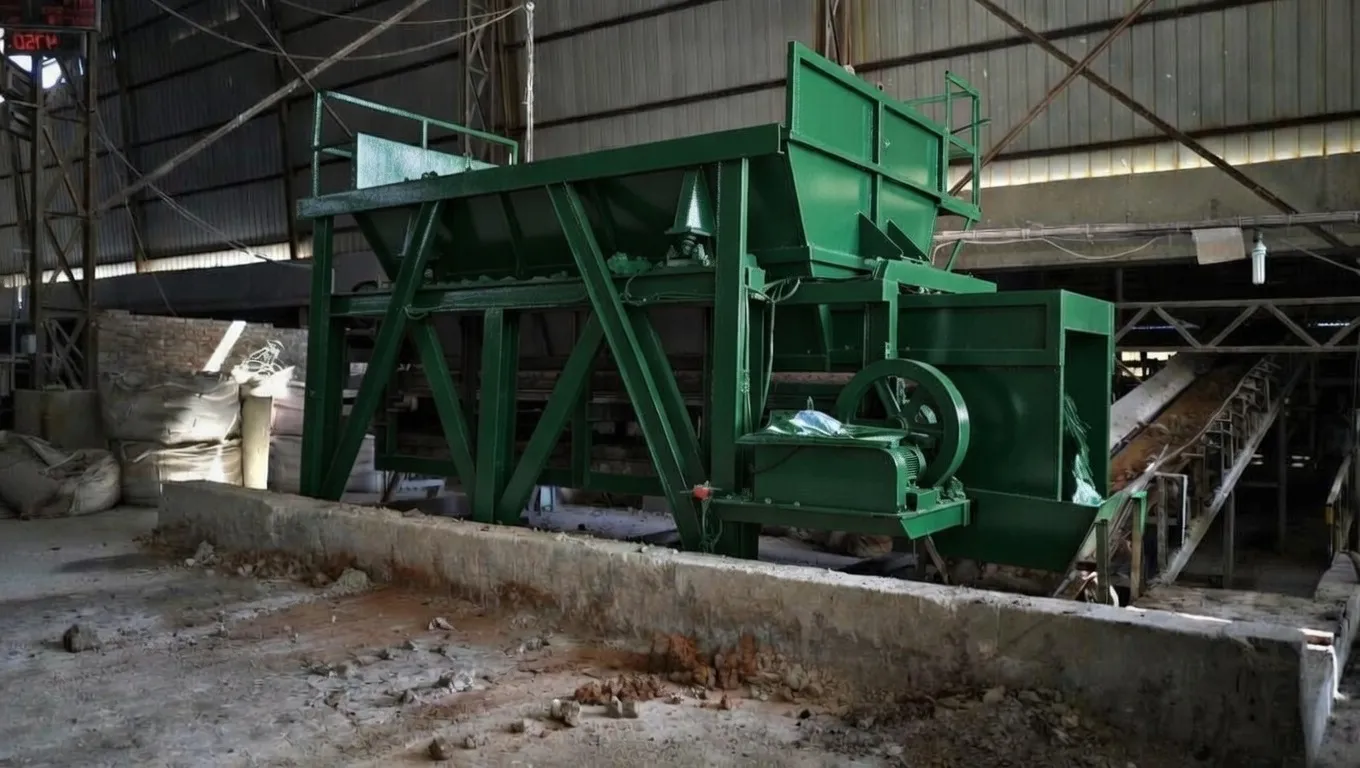 Implementarea unui lanț racleur de înaltă specificație în cadrul echipamentului dumneavoastră principal de transport produce îmbunătățiri imediate și extrem de măsurabile ale eficienței generale a instalației și fiabilității procesării. Integrarea plăcilor laterale proiectate cu precizie și a dimensiunilor pasului meticulos calibrate minimizează drastic apariția alungirii lanțului operațional, o problemă mecanică predominantă care afectează în mod tradițional sistemele de manipulare a materialelor grele care funcționează în medii umede și abrazive. Prin menținerea unei geometrii dimensionale absolut consecvente pe parcursul a milioane de cicluri operaționale, lanțul se angrenează perfect cu pinioanele de acționare, eliminând complet acțiunea distructivă a coardei și săriturile agresive care deteriorează violent cutiile de viteze și lagărele arborelui. Acest nivel extraordinar de stabilitate mecanică garantează că sistemul de alimentare cu argilă furnizează o perdea perfect uniformă și continuă de materie primă către fabricile de procesare secundară, eradicând complet condițiile neregulate de supratensiune și înfometare care duc la amestecarea inconsistentă a umidității și la defecte structurale dăunătoare în produsele finale din argilă extrudată.
Avantajele economice profunde ale modernizării la o componentă specializată pentru sarcini grele devin rapid evidente atunci când se analizează bugetele de întreținere pe termen lung și costurile generale ale ciclului de viață al utilajelor. Rezistența la uzură profund integrată, proiectată în fiecare articulație, acționează ca o barieră impenetrabilă împotriva prafului de silice extrem de agresiv generat de prelucrarea argilei uscate, prelungind drastic timpul mediu dintre defecțiunile critice și reducând considerabil frecvența intervențiilor de înlocuire necesare. Echipele de întreținere sunt eliberate de povara constantă și intensivă a forței de muncă de a regla întinzătoarele, de a înlocui zalele fracturate și de a elimina blocajele masive de materiale cauzate de evenimentele bruște de rupere a lanțului în interiorul structurii alimentatorului de cutii. Această reducere substanțială a timpilor de nefuncționare mecanică neprogramați permite unităților de producție să își opereze cu încredere liniile de producție la capacitate maximă non-stop, maximizând astfel debitul de materii prime, crescând randamentul general și sporind semnificativ profitabilitatea pe termen lung a întregii operațiuni de prelucrare a argilei grele.
Scenarii de aplicare diverse în pregătirea materialelor
Versatilitatea inerentă și rezistența structurală imensă a unui lanț racleur bine proiectat îi permit să domine o multitudine de aplicații de procesare solicitante, mult dincolo de transportul de bază al materialelor. În etapele inițiale extrem de complexe ale pregătirii pământului brut, alimentatoarele de mari dimensiuni acționează ca punct principal de recepție pentru camioanele grele de transport care depun încărcături masive de șist explodat, argilă refractară umedă și sol vegetal puternic compactat direct de pe frontul carierei. Funcționarea eficientă sub greutatea statică de concasare a acestor grămezi de materiale impunătoare necesită un mecanism de transport care nu se va curba sau deforma sub o presiune verticală extremă. Șanțul robust de oțel, fixat în siguranță de firele lanțului de mare putere, acționează ca o interfață continuă de frezare, forfecând puternic stratul inferior al muntelui de argilă și destrămând aglomerările masive de coeziune înainte ca acestea să poată bloca sau deteriora grav rolele de concasare sensibile și morile cu cuvă situate în aval în circuitul de procesare.
Avansând pe linia avansată de producție a ceramicii, amestecarea precisă a materialelor și distribuția extrem de precisă a umidității devin preocupările inginerești primordiale. Sistemele moderne automate de alimentare cu argilă utilizează frecvent mai multe alimentatoare sincronizate pentru a descărca simultan rapoarte volumetrice foarte specifice de tipuri distincte de argilă, aditivi chimici cruciali și țesut reciclat pe un transportor central de colectare pentru a formula rețete ceramice personalizate. Precizia liniară constantă a lanțului robust asigură că proporționarea precisă a acestor materiale disparate rămâne absolută, indiferent de variațiile drastice ale densităților individuale în vrac sau ale profilurilor de umiditate ale materialelor de intrare. Această livrare de material perfect reglată și extrem de consistentă este incredibil de vitală pentru funcționarea corectă a extruderelor în vid ulterioare, permițându-le să funcționeze continuu la o eficiență hidraulică maximă și să producă cărămizi verzi impecabil, structural solide și forme ceramice specializate, complet lipsite de laminări interne devastatoare sau gradienți de umiditate.
Narațiunea succesului clientului: Transformarea producției de cărămizi din Marea Britanie
O instalație importantă și de importanță istorică pentru producția de cărămizi grele, situată în inima industrială a West Yorkshire, se confrunta cu blocaje de producție paralizante, direct atribuibile defecțiunilor catastrofale ale infrastructurii principale de manipulare a argilei. Alimentatorul lor masiv, cutie de admisie, însărcinat cu procesarea șistului local extrem de abraziv, saturat de umiditate, excavat direct din carierele din apropiere, distrugea lanțurile de transport standard din oțel carbon într-un ritm nesustenabil. Șlefuirea abrazivă constantă a uzat complet bucșele lanțului în câteva luni, provocând o alungire masivă a pasului, care a dus la blocarea agresivă a segmentelor de oțel de jgheabul de oțel. Aceste evenimente mecanice violente au dus la ruperea frecventă a lanțului, necesitând opriri de urgență ale instalației, care au costat mii de lire sterline în ore de producție pierdute, în timp ce rata de alimentare inconsistentă provoca simultan defecte severe de extrudare și reducea drastic randamentul acceptabil al cărămizilor de afișare premium care ieșeau din cuptoarele la temperatură înaltă.
Specialiștii în inginerie de la Ever Power au efectuat un audit tehnic extrem de riguros al întregului circuit de preparare a materialelor al fabricii din Yorkshire, identificând mecanismele tribologice exacte de defecțiune cauzate de chimia argilei locale extrem de agresive. Aceștia au proiectat și implementat o soluție complet personalizată de lanț racleur, utilizând știfturi din oțel aliat călit prin inducție profundă și plăci laterale puternic ranforsate, concepute special pentru a rezista la șocuri extreme de tracțiune. Instalarea acestei componente avansate a stabilizat imediat întreaga operațiune de alimentare, eliminând complet supratensiunea distructivă și oferind instantaneu o panglică de argilă netedă și perfect calibrată către extruderele principale. Pe parcursul unei perioade operaționale de douăzeci și patru de luni monitorizate meticulos, sistemul nou instalat a prezentat practic zero alungiri măsurabile ale pasului, eliminând complet opririle neprogramate pentru întreținere și permițând fabricii să atingă volume record de producție continuă, restabilindu-și ferm poziția de furnizor de top pe piața competitivă britanică a materialelor de construcții.
„Rezistența mecanică a lanțului de raclete modernizat pe care l-am achiziționat de la Ever Power a revoluționat complet operațiunile noastre de recepție a materiilor prime. Anterior ne confruntam cu defecțiuni continue din cauza naturii puternic abrazive a argilei noastre locale de carieră, dar această soluție proiectată a funcționat impecabil timp de peste doi ani, fără intervenții de întreținere necesare, îmbunătățind drastic timpul de funcționare general al instalației noastre.”
— Director de producție, Premium Facing Bricks Ltd, West Yorkshire, Regatul Unit
„Obținerea stabilității dimensionale în ceramica noastră tehnică necesită o amestecare incredibil de precisă a umidității și a materialelor chiar de la începutul procesului. Mișcarea perfect sincronizată și lipsa completă a întinderii de către noul nostru lanț de transport de mare putere au eliminat toate variațiile volumetrice de alimentare de la alimentatorul nostru de cutii, sporind semnificativ calitatea și consecvența produselor noastre extrudate.”
— Inginer principal de proces, Advanced Ceramic Solutions, Staffordshire, Regatul Unit
„Parteneriatul cu Ever Power pentru componentele utilajelor noastre grele s-a dovedit a fi o decizie extrem de profitabilă pentru bugetul nostru de cheltuieli de capital. Expertiza lor vastă în inginerie în manipularea materialelor abrazive le-a permis să proiecteze un lanț personalizat care se potrivea perfect echipamentelor noastre vechi, punând capăt imediat ciclului nostru de înlocuiri constante ale pieselor și reducând costurile operaționale generale.”
— Manager de întreținere a fabricii, Heritage Clay Roof Tiles, Midlands, Marea Britanie
Putere permanentă: Capacități de producție și personalizare de talie mondială
Aflându-se în avangarda absolută a ingineriei componentelor industriale grele, Ever Power operează o infrastructură de producție de ultimă generație dedicată în întregime producerii celor mai rezistente soluții de transmisie mecanică și manipulare a materialelor din lume. Facilitățile noastre de producție extinse sunt puternic echipate cu cele mai recente progrese în prelucrarea CNC de precizie, cuptoare automate de tratament termic cu bandă continuă și laboratoare metalurgice extrem de sofisticate, permițând echipelor noastre de inginerie să mențină un control microscopic absolut asupra fiecărei etape a procesului de fabricație. Recunoaștem că nu există două instalații de prelucrare a argilei care să funcționeze în condiții geologice sau mecanice identice, motiv pentru care fabrica noastră se specializează în furnizarea de personalizare completă a componentelor. Indiferent dacă echipamentul dumneavoastră vechi necesită un pas al lanțului extrem de non-standard, atașamente sudate cu unghi unic pentru zboruri specializate de raclare sau formulări personalizate de aliaje concepute pentru a combate o chimie locală deosebit de agresivă a șisturilor, prototiparea rapidă și capacitățile noastre de fabricație agile asigură livrarea unei soluții de înlocuire perfect optimizate, adaptate specificațiilor dumneavoastră operaționale exacte.
Angajamentul neclintit față de standardele internaționale de calitate constituie fundamentul tuturor operațiunilor de producție Ever Power, garantând că fiecare componentă grea care părăsește fabrica noastră reprezintă apogeul fiabilității industriale. Fiecare lot de producție este supus unor teste nedistructive extrem de riguroase, inclusiv detectarea avansată a defectelor cu ultrasunete, spectrometrie de emisie optică de înaltă precizie pentru a verifica compozițiile exacte ale aliajelor și teste extreme de distrugere la tracțiune hidraulică pentru a certifica absolut sarcinile de rupere specificate. Prin menținerea unei rețele logistice și de distribuție extrem de robuste și dedicate, profund integrate în Regatul Unit, ne asigurăm că piesele de schimb critice și proiectele inginerești personalizate masive sunt livrate rapid și în siguranță direct la locația dumneavoastră de producție, reducând drastic la minimum timpii de nefuncționare devastatori ai instalației. Alegerea Ever Power ca principal producător de componente înseamnă asigurarea unui parteneriat tehnic profund colaborativ, dedicat optimizării continue a infrastructurii dumneavoastră de manipulare a materialelor grele pentru o profitabilitate maximă pe termen lung.
Întrebări tehnice și informații despre achiziții
Cât costă de obicei un lanț racleur personalizat pentru sarcini grele, pentru un alimentator de cutii de lut, atunci când se achiziționează direct de la un furnizor pentru o fabrică de cărămizi din Marea Britanie?
Care este intervalul optim de înlocuire pentru un lanț de raclete greu care funcționează continuu într-un mediu agresiv de preparare a materialelor ceramice din instalații?
Care specificații structurale ale unui lanț de raclete sunt cele mai importante pentru manipularea fiabilă a pământului abraziv cu umiditate ridicată într-un proces continuu de extrudare grea?
Unde poate găsi un manager de întreținere a utilajelor grele industriale un furnizor de încredere pentru lanțuri raclete personalizate pentru alimentatoare de cutii în Marea Britanie?
Când trebuie tehnicienii ingineri să programeze în mod agresiv inspecții complete de siguranță și tensiune pentru lanțul racletelor din cadrul unui sistem primar de alimentare cu argilă?
editat de gzl