Forged Scraper Chain Solutions for High-Temperature Sinter Ore Transport Systems
Engineering resilience for the world’s most demanding thermal conveying environments with British-standard precision and custom metallurgy.
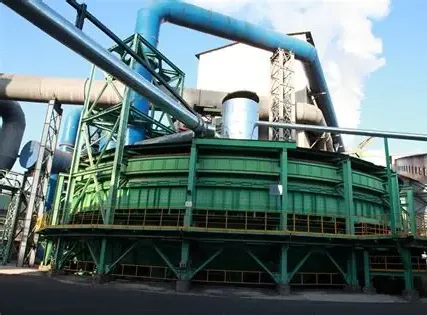 The logistics of moving sinter ore requires more than just raw strength; it demands a sophisticated understanding of thermal expansion and material science. In a typical UK steelworks, the transition from the sintering strand to the cooler involves handling material that can exceed 900 degrees Celsius. Traditional rubber or fabric belts are entirely obsolete in this context, as they would melt or ignite within seconds of contact. Our heavy-duty scraper chains are engineered using high-alloy forged steel that maintains its structural integrity through thousands of thermal cycles, providing a semi-enclosed transport solution that contains dust while resisting the abrasive nature of the hardened sinter blocks. By integrating advanced heat treatment processes, we ensure that every link provides the necessary red hardness to prevent softening under extreme operational heat.
Superior Red Hardness Properties
The primary advantage of our scraper chains lies in their specific alloy composition, designed to combat the phenomenon of thermal softening. When metal is exposed to the temperatures found in British sintering plants, most standard carbon steels lose their yield strength. Our forged chains utilize chrome-nickel-molybdenum alloys that undergo a precise quenching and tempering cycle, ensuring that the pins and links retain their hardness even when glowing at a dull red heat. This prevents the elongation of the chain pitch, which is a common cause of conveyor derailment in lesser systems. Maintaining this dimensional stability is crucial for the 24/7 duty cycles required by modern steel production facilities.
Advanced Thermal Expansion Design
 A critical technical challenge in high-temperature conveying is the physical expansion of the metal itself. A chain that fits perfectly at ambient temperature can expand by several centimetres over a long conveyor run once it reaches 800 degrees. Our engineering team incorporates a calculated “expansion tolerance” into the link and sprocket engagement geometry. This prevents the chain from binding or “climbing” the sprocket teeth as it heats up. By allowing for this microscopic breathing room within the forged components, we significantly reduce the internal stresses that typically lead to fatigue cracking in welded or cast alternatives used by competitors.
Enclosed Trough Compatibility
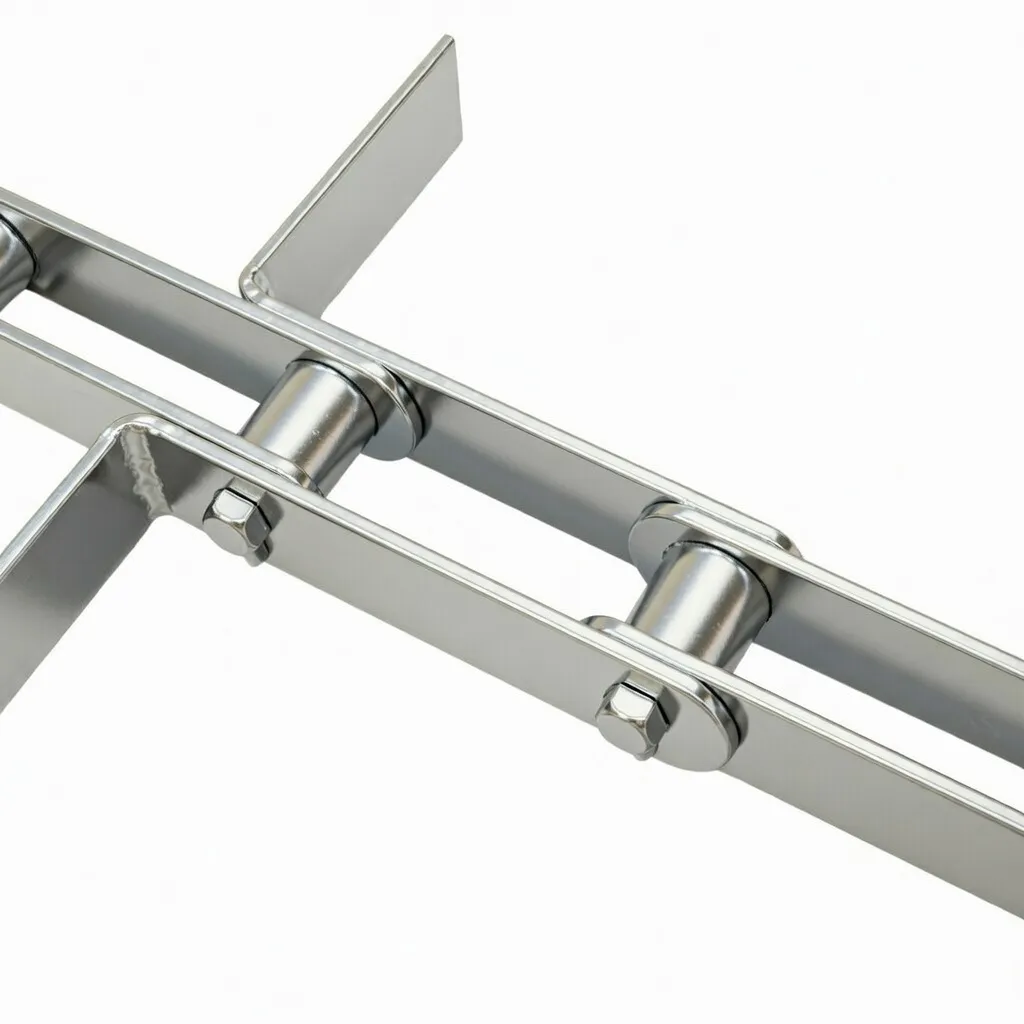 Environmental regulations in the UK and Europe demand strict control over dust emissions during sinter transport. Our scraper chains are designed to operate within semi-enclosed or fully enclosed metallic troughs. The scrapers act as precision-engineered flights that drag the material along the floor of the trough, creating a self-cleaning effect that prevents the buildup of fine abrasive particles. This design not only protects the surrounding air quality but also shields the chain components from external contaminants, ensuring that the lubrication—where applicable through specialized dry-film coatings—remains effective for longer intervals between maintenance shutdowns.
Technical Performance and Material Specifications
| Parameter Specification | Standard Forged Series | Ultra-High Temp Series |
|---|---|---|
| Core Material Grade | 20CrMnTi / 40Cr | 18CrNiMo7-6 (Special Alloy) |
| Maximum Operating Temp | Up to 450 Degrees C | Up to 1000 Degrees C |
| Surface Hardness (HRC) | 55 – 60 HRC | 62 – 65 HRC (Case Hardened) |
| Tensile Strength (kN) | 350 – 1200 kN | Up to 2600 kN |
| Expansion Factor | 1.2mm per metre @ 300C | Customised Pitch Clearance |
Application Scenarios in the Sintering Industry
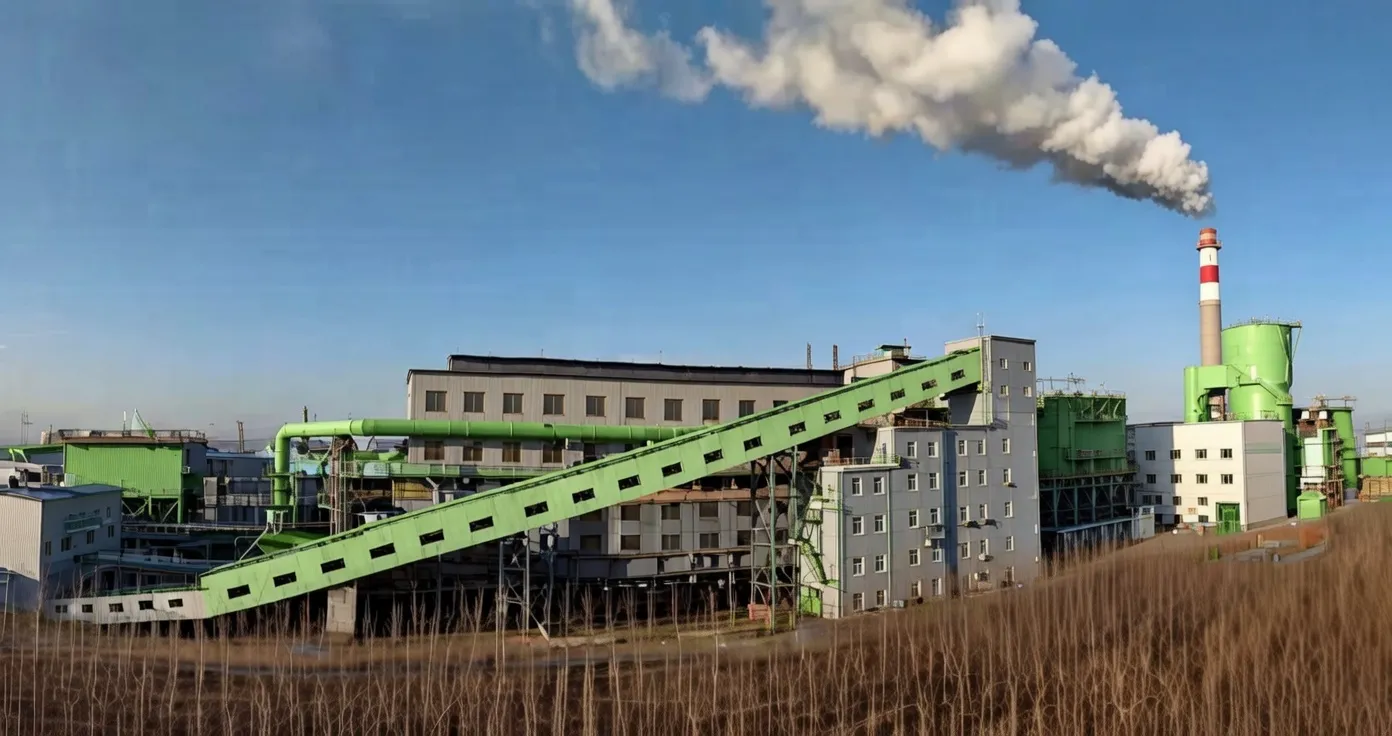
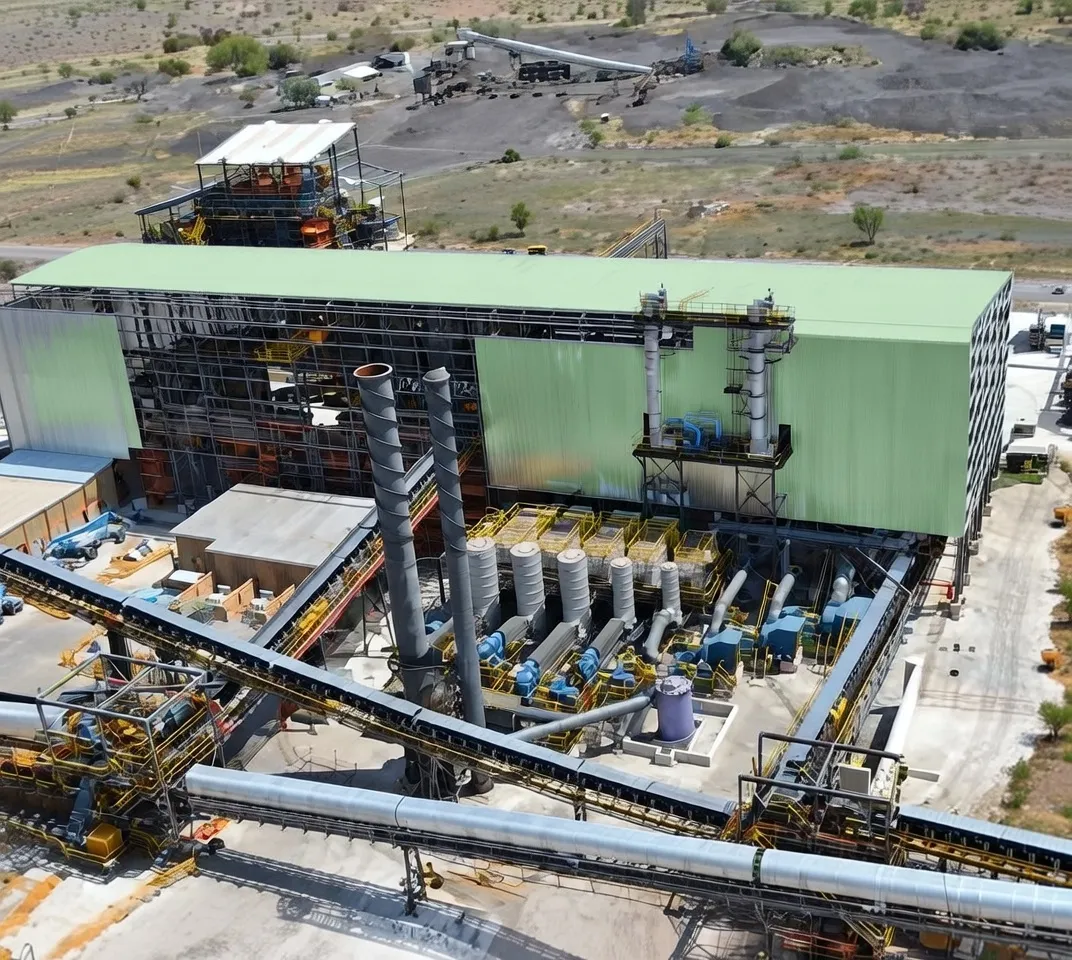 The versatility of the scraper chain extends beyond simple horizontal transport. In modern steel plants, these chains are employed in several critical nodes of the sintering and material handling circuit. Understanding where these components are deployed allows plant managers to optimize their spare parts inventory and predict maintenance needs more accurately based on the specific stress profiles of each scenario.
Hot Sinter Discharge
Directly beneath the sinter machine discharge end, the chain receives material at peak temperature. This scenario requires the highest grade of alloy steel and specific scraper geometry to prevent the “ploughing” effect of heavy, solidified sinter chunks.
De-dusting Return Systems
Scraper chains are used to move fine, hot dust captured from electrostatic precipitators back into the mixing drum. This application focuses on airtight sealing and the prevention of fine-particle abrasion on the chain pins.
Cooler Feed Conveying
Transitioning material to circular or linear coolers. Here, the chain must manage varying speeds to match the cooling rate of the sinter, requiring high fatigue resistance due to frequent start-stop or variable frequency drive operations.
Customer Success Case: Steel Mill Refurbishment in South Wales
A major steel manufacturing facility located in the Port Talbot region of South Wales faced persistent conveyor downtime in their primary sintering plant. The previous system, utilizing a standard heavy-duty belt conveyor, suffered from catastrophic failures every 4-6 months due to “hot spots” in the sinter ore that exceeded the belt’s thermal rating. This resulted in significant production losses, estimated at over £15,000 per hour of downtime.
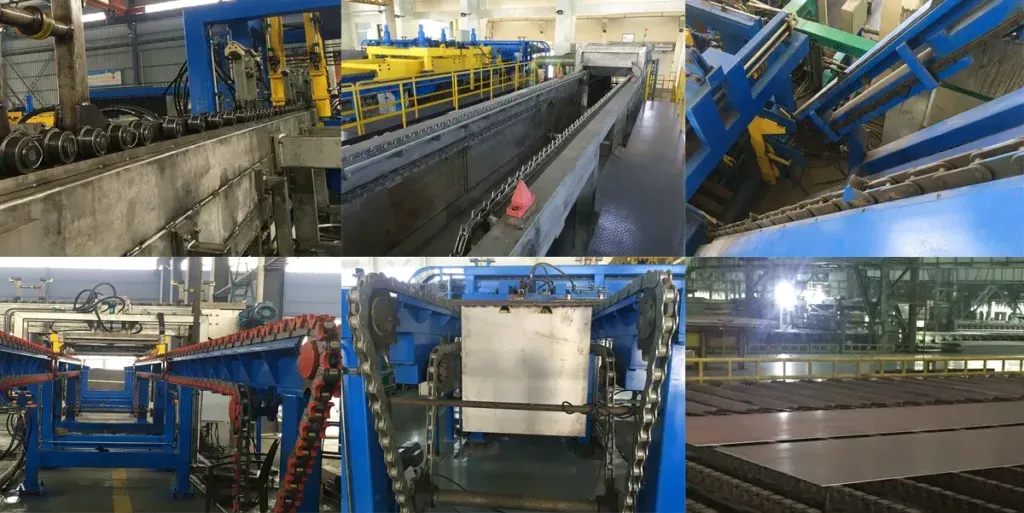
Ever Power’s engineering team conducted an on-site audit and proposed a complete transition to a custom-engineered forged scraper chain system. We designed a 120-metre conveyor run utilizing 18CrNiMo7-6 alloy links with a specialized 160mm pitch to accommodate the rapid thermal expansion seen during the discharge phase. The system was installed during a scheduled 10-day maintenance shutdown, including a complete replacement of the trough lining with basalt-casted tiles for maximum abrasion resistance.
Since the commissioning of the new scraper chain system 24 months ago, the facility has reported zero unplanned downtime related to sinter transport. The chain wear measured during the last inspection was less than 0.8%, suggesting a projected service life exceeding 8 years. This transition has not only improved the plant’s operational safety by eliminating fire risks but has also significantly reduced the manual labour required for cleaning spilled material under the old belt system.
“The engineering support from Ever Power was exceptional. They understood the unique requirements of our Welsh facility and delivered a chain that finally handles our high-volume sinter output without breaking a sweat.”— Production Manager, UK Steel Group
“Reliability is everything in a 24-hour operation. Switching to these forged chains has been the single best maintenance decision we’ve made in the last five years for the sintering department.”— Lead Maintenance Engineer, Teesside Operations
“We needed a supplier that could provide local UK expertise with global manufacturing power. The custom pitch design they provided solved our thermal binding issues completely.”— Procurement Director, European Metals Hub
Bespoke Manufacturing & Factory Customisation Services
As a specialist manufacturer with over 18 years of experience, we pride ourselves on our ability to move beyond off-the-shelf products. Our factory in China, supported by our technical consultants in the UK, offers a full range of customisation options to meet the precise requirements of your existing infrastructure.
Custom Design & Metallurgy
Whether you require a specific link thickness to match an existing trough or a unique alloy blend to survive acidic flue gases, our metallurgical lab can formulate the exact solution. We provide 3D CAD models for all custom designs to ensure a 100% fit-first-time guarantee during installation.
- • Custom pitch sizes (100mm to 315mm+)
- • Specialized scraper wing attachments
- • Advanced induction hardening for high-wear zones
Global Logistics & UK Support
Operating as a premier B2B supplier, we understand the importance of lead times in the UK industrial sector. Our streamlined logistics ensure that even custom-forged orders are delivered within your scheduled maintenance windows, with all components meeting ISO 9001:2015 quality standards.
Our engineers are available for virtual consultations or on-site visits across major British industrial hubs from Scunthorpe to Sheffield, ensuring your scraper chain system is optimized for local operational conditions and British safety regulations.
Contact us today: [email protected]
Frequently Asked Questions
How can I find a reliable high-temperature scraper chain supplier for steel mills in the UK?
Finding a reliable supplier involves looking for manufacturers who understand the specific British metallurgical standards and have a track record in the heavy industry sector. A reputable supplier like Ever Power provides full material certification, custom engineering support, and has experience with large-scale projects in UK steel hubs like Port Talbot and Scunthorpe. Always ensure your supplier can provide detailed heat treatment reports and 3D design verification before production begins.
What is the typical cost of replacing forged scraper chains for hot sinter ore transport systems?
The cost varies significantly based on the chain’s alloy grade, the total length of the conveyor, and the complexity of the scraper attachments. While the initial quote for a forged system is higher than for a belt or cast chain, the total cost of ownership is much lower due to the reduced downtime and longer service life. We recommend requesting a comprehensive quote that includes shipping and technical support to compare the true value against cheaper, less durable alternatives.
Which specific materials are best suited for scraper chains operating at temperatures exceeding 800 degrees?
For environments reaching 800 degrees Celsius or higher, we exclusively recommend high-alloy forged steels such as 18CrNiMo7-6 or specialized chrome-moly variants. These materials offer the necessary red hardness to prevent structural deformation and exhibit excellent resistance to thermal fatigue. Standard carbon steels will soften and fail rapidly at these temperatures, leading to chain elongation and potential sprocket disengagement.
Where should I install expansion joints in a long scraper conveyor for high-heat sinter applications?
In a scraper chain system, the “expansion” is typically managed through the chain’s pitch clearance and the take-up unit’s travel distance rather than static joints. For conveyors exceeding 50 metres in high-heat zones, we design the tail end with a dynamic hydraulic or spring-loaded take-up system that automatically compensates for the increased chain length as it reaches operational temperature. This ensures constant tension and prevents slack-related mishaps.
When is the right time to replace a forged scraper chain to avoid catastrophic failure?
Regular inspection is key. You should consider a quote for replacement when the chain has reached 3% elongation or if there is visible pitting and surface cracking on the pins. In the context of sinter transport, we suggest a major inspection every 12 months. Early replacement based on wear measurements is far more cost-effective than dealing with a chain break in the middle of a production run, which could cost hundreds of thousands in lost revenue.
edit by gzl