Produktbeskrivelse
| The 880 series has a wide range of applications for conveying lightweight items in curves e.g. plastic bottles, cans, cartons etc. This space-saving chain is often used with small diameter turn discs with ball bearings. Plate mat.:POM/PP; Pin mat.:stainless steel Max.speed: 80m/min lubrication; 50m/min dry;Max.length:15m; Working load:2680N Color:white/brown; Packing unit:10ft(80links) |
| APPLICATIONS: |
| China CHINAMFG Machinery Co.,Ltd is a special supplier of conveyor system components,including plastic and stainless steel flat top chains, Modular belts, other spare parts, such as UHMWPE wearstrips, side guards, chains guide, bipods, tripods, brackets, clampls.ect. With our years of experence, quality products, excellent services we work with world wide clients from America, Europe, Africa, many counrties of Asia. We keep very good business relation with them, and get trusted from them. Our products application: Packaging and conveying industry |
| Materiale: | Plastic |
|---|---|
| Struktur: | Top Chain |
| Overfladebehandling: | Low Friction |
| Kædestørrelse: | Pitch 38.1mm |
| Pin: | SS304 |
| Tilstand: | 100% Brand New |
| Prøver: | US$ 30/Meter 1 meter (min. ordre) | |
|---|
| Tilpasning: | Tilgængelig | Tilpasset anmodning |
|---|

Can a conveyor chain be used in high-load applications?
Yes, a conveyor chain can be used in high-load applications. Conveyor chains are designed to withstand heavy loads and provide reliable and efficient material handling in various industries. Here’s a detailed explanation:
– Robust Construction:
A conveyor chain for high-load applications is typically constructed using durable materials such as alloy steel or stainless steel. These chains are designed to withstand the forces and stresses imposed by heavy loads without deformation or failure.
– High Load Capacity:
Conveyor chains for high-load applications are designed with larger and stronger components, including thicker plates, larger pins, and stronger attachments. These enhancements allow the chain to handle heavier loads and distribute the weight evenly across the chain’s links and rollers.
– Proper Selection:
When using a conveyor chain in high-load applications, it is crucial to select the appropriate chain type and size based on the specific load requirements. Factors such as the weight of the conveyed material, the conveyor speed, and the operating conditions should be considered during the selection process.
– Lubrication and Maintenance:
In high-load applications, proper lubrication and regular maintenance of the conveyor chain are essential. Adequate lubrication reduces friction and wear, ensuring smooth operation and extending the chain’s service life. Regular inspections and maintenance routines help identify any issues or wear that may affect the chain’s performance.
– Application-Specific Chains:
In some cases, specialized conveyor chains, such as forged link chains or roller chains, are used to handle extremely heavy loads. These chains offer enhanced strength and durability, making them suitable for demanding high-load applications.
Overall, a properly selected and maintained conveyor chain can reliably handle high-load applications, providing efficient and continuous material handling in industries such as mining, construction, automotive, and heavy manufacturing.

Hvordan bidrager en transportkæde til den samlede produktionseffektivitet?
En transportkæde spiller en afgørende rolle i at forbedre den samlede produktionseffektivitet i forskellige brancher. Her er de måder, hvorpå den bidrager til effektivitet:
1. Kontinuerlig materialestrøm: En transportkæde muliggør kontinuerlig og uafbrudt materialestrøm fra et punkt til et andet. Den eliminerer behovet for manuel håndtering eller transport af varer, hvilket reducerer nedetid og forsinkelser i produktionsprocesser.
2. Øget gennemløbshastighed: Ved at automatisere materialehåndtering muliggør en transportkæde hurtigere og mere effektiv bevægelse af varer. Det giver mulighed for højere gennemløbshastighed og produktionshastigheder, maksimerer udnyttelsen af ressourcer og reducerer cyklustider.
3. Forbedret produktivitet: Med en transportkæde kan medarbejderne fokusere på værdiskabende opgaver i stedet for manuel materialehåndtering. Dette fører til forbedret produktivitet, da medarbejderne kan koncentrere sig om mere kvalificerede og kritiske operationer.
4. Effektiv ressourceallokering: Et veldesignet transportbåndssystem optimerer pladsudnyttelsen og muliggør effektiv indretning og organisering af produktionsområder. Det hjælper med at strømline arbejdsgangen og minimere spild af ressourcer såsom gulvplads, arbejdskraft og udstyr.
5. Kvalitetskontrol: Transportbånd kan integreres med inspektionsstationer eller automatiserede processer for at sikre kvalitetskontrol på forskellige produktionsstadier. Dette hjælper med at opdage og afhjælpe eventuelle defekter eller uoverensstemmelser, hvilket reducerer risikoen for, at defekte produkter når markedet.
6. Reducerede omkostninger til materialehåndtering: Ved at eliminere eller minimere manuel materialehåndtering reducerer en transportkæde lønomkostningerne forbundet med transport, løft og bæring af varer. Det minimerer også risikoen for skader eller ulykker relateret til manuel håndtering.
7. Fleksibilitet og tilpasningsevne: Transportbånd kan tilpasses specifikke produktionskrav. De kan designes til at rumme forskellige typer produkter, håndtere forskellige lastekapaciteter og tilpasse sig ændringer i produktionskrav. Denne fleksibilitet muliggør problemfri integration med eksisterende produktionssystemer og nem skalerbarhed.
8. Sikkerhed og ergonomi: Transportbånd har sikkerhedsfunktioner som afskærmninger, nødstopknapper og låsemekanismer for at sikre medarbejdernes sikkerhed. De fremmer også ergonomiske fremgangsmåder ved at reducere den fysiske belastning af medarbejderne og minimere risikoen for muskuloskeletale skader.
Samlet set forbedrer et veldesignet og korrekt vedligeholdt transportkædesystem produktionseffektiviteten ved at optimere materialeflowet, øge gennemløbsmængden, forbedre produktiviteten, reducere omkostningerne, sikre kvalitetskontrol og prioritere medarbejdernes sikkerhed.
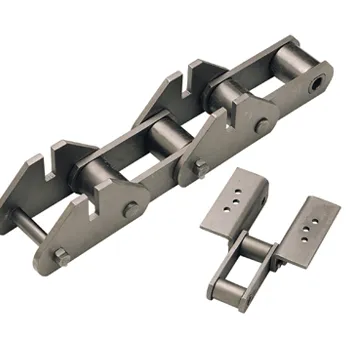
What are the maintenance requirements for a conveyor chain?
Maintaining a conveyor chain is essential to ensure its smooth operation and prolong its lifespan. Here are some key maintenance requirements for a conveyor chain:
- Regular Cleaning: Clean the conveyor chain regularly to remove dirt, debris, and contaminants that can contribute to chain wear and reduce performance. Use appropriate cleaning agents and tools to avoid damaging the chain.
- Smøring: Apply the recommended lubricant to the conveyor chain according to the manufacturer’s guidelines. Lubrication helps reduce friction, minimize wear, and prevent corrosion.
- Tension Adjustment: Check the tension of the conveyor chain regularly and adjust it if necessary. Proper tension ensures smooth operation and prevents issues like chain slipping or excessive wear.
- Inspection: Conduct regular inspections of the conveyor chain to identify any signs of wear, damage, or misalignment. Look for issues such as worn sprockets, elongation, bent or damaged links, and loose connections. Address any problems promptly to prevent further damage.
- Replace Worn Components: If any components of the conveyor chain, such as links, pins, or sprockets, are excessively worn or damaged, they should be replaced. Using worn components can compromise the chain’s performance and lead to failure.
- Alignment: Ensure proper alignment of the conveyor chain by checking the alignment of sprockets, idlers, and other components. Misalignment can cause uneven wear and increase the risk of chain failure.
- Training and Education: Provide proper training to personnel responsible for operating and maintaining the conveyor chain. They should understand the maintenance requirements, safety protocols, and best practices to ensure effective and safe operation.
Following these maintenance requirements will help keep the conveyor chain in optimal condition, minimize downtime, and ensure safe and efficient material handling.


editor by CX 2023-10-16