Opis produktu
| Seria 880 ma szeroki zakres zastosowań do transportu lekkich przedmiotów na łukach, np. plastikowych butelek, puszek, kartonów itp. Ten oszczędzający miejsce łańcuch jest często stosowany z tarczami obrotowymi o małej średnicy z łożyskami kulkowymi. Mata płytowa:POM/PP; Mata kołkowa:stal nierdzewna Maksymalna prędkość: 80 m/min smarowanie; 50 m/min na sucho; Maksymalna długość: 15 m; Obciążenie robocze: 2680N Kolor: biały/brązowy; Jednostka opakowania: 10 stóp (80 ogniw) |
| ZASTOSOWANIA: |
| China CHINAMFG Machinery Co.,Ltd is a special supplier of conveyor system components,including plastic and stainless steel flat top chains, Modular belts, other spare parts, such as UHMWPE wearstrips, side guards, chains guide, bipods, tripods, brackets, clampls.ect. Dzięki naszemu wieloletniemu doświadczeniu, wysokiej jakości produktom i doskonałym usługom współpracujemy z klientami z całego świata, z Ameryki, Europy, Afryki i wielu krajów Azji. Utrzymujemy z nimi bardzo dobre relacje biznesowe i cieszymy się ich zaufaniem. Zastosowanie naszych produktów: Przemysł opakowaniowy i transportowy |
| Tworzywo: | Plastikowy |
|---|---|
| Struktura: | Najlepszy łańcuch |
| Obróbka powierzchni: | Niskie tarcie |
| Rozmiar łańcucha: | Skok 38,1 mm |
| Szpilka: | SS304 |
| Stan : schorzenie: | 100% Zupełnie nowy |
| Próbki: | US$ 30/metr 1 metr (minimalne zamówienie) | |
|---|
| Personalizacja: | Dostępny | Spersonalizowane żądanie |
|---|

Can a conveyor chain be used in high-load applications?
Yes, a conveyor chain can be used in high-load applications. Conveyor chains are designed to withstand heavy loads and provide reliable and efficient material handling in various industries. Here’s a detailed explanation:
– Robust Construction:
A conveyor chain for high-load applications is typically constructed using durable materials such as alloy steel or stainless steel. These chains are designed to withstand the forces and stresses imposed by heavy loads without deformation or failure.
– High Load Capacity:
Conveyor chains for high-load applications are designed with larger and stronger components, including thicker plates, larger pins, and stronger attachments. These enhancements allow the chain to handle heavier loads and distribute the weight evenly across the chain’s links and rollers.
– Proper Selection:
When using a conveyor chain in high-load applications, it is crucial to select the appropriate chain type and size based on the specific load requirements. Factors such as the weight of the conveyed material, the conveyor speed, and the operating conditions should be considered during the selection process.
– Lubrication and Maintenance:
In high-load applications, proper lubrication and regular maintenance of the conveyor chain are essential. Adequate lubrication reduces friction and wear, ensuring smooth operation and extending the chain’s service life. Regular inspections and maintenance routines help identify any issues or wear that may affect the chain’s performance.
– Application-Specific Chains:
In some cases, specialized conveyor chains, such as forged link chains or roller chains, are used to handle extremely heavy loads. These chains offer enhanced strength and durability, making them suitable for demanding high-load applications.
Overall, a properly selected and maintained conveyor chain can reliably handle high-load applications, providing efficient and continuous material handling in industries such as mining, construction, automotive, and heavy manufacturing.

How does a conveyor chain contribute to overall production efficiency?
A conveyor chain plays a crucial role in enhancing overall production efficiency in various industries. Here are the ways in which it contributes to efficiency:
1. Continuous Material Flow: A conveyor chain enables continuous and uninterrupted material flow from one point to another. It eliminates the need for manual handling or transportation of goods, reducing downtime and delays in production processes.
2. Increased Throughput: By automating material handling, a conveyor chain enables faster and more efficient movement of goods. It allows for higher throughput and production rates, maximizing the utilization of resources and reducing cycle times.
3. Improved Productivity: With a conveyor chain, employees can focus on value-added tasks rather than manual material handling. This leads to improved productivity as workers can concentrate on more skilled and critical operations.
4. Efficient Resource Allocation: A well-designed conveyor chain system optimizes the utilization of space, allowing for efficient layout and organization of production areas. It helps in streamlining workflow and minimizing wastage of resources such as floor space, manpower, and equipment.
5. Quality Control: Conveyor chains can be integrated with inspection stations or automated processes to ensure quality control at various stages of production. This helps in detecting and rectifying any defects or inconsistencies, reducing the chances of faulty products reaching the market.
6. Reduced Material Handling Costs: By eliminating or minimizing manual material handling, a conveyor chain reduces labor costs associated with transportation, lifting, and carrying of goods. It also minimizes the risk of injuries or accidents related to manual handling.
7. Flexibility and Adaptability: Conveyor chains can be customized to suit specific production requirements. They can be designed to accommodate different types of products, handle various load capacities, and adapt to changes in production demands. This flexibility allows for seamless integration with existing production systems and easy scalability.
8. Safety and Ergonomics: Conveyor chains incorporate safety features such as guards, emergency stop buttons, and interlocks to ensure worker safety. They also promote ergonomic practices by reducing physical strain on workers and minimizing the risk of musculoskeletal injuries.
Overall, a well-designed and properly maintained conveyor chain system enhances production efficiency by optimizing material flow, increasing throughput, improving productivity, reducing costs, ensuring quality control, and prioritizing worker safety.
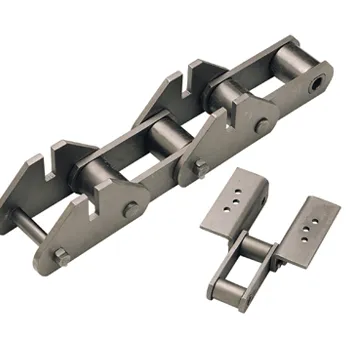
Jakie są wymagania konserwacyjne dotyczące łańcucha przenośnikowego?
Konserwacja łańcucha przenośnika jest niezbędna dla zapewnienia jego płynnej pracy i wydłużenia jego żywotności. Oto kilka kluczowych wymagań dotyczących konserwacji łańcucha przenośnika:
- Regularne sprzątanie: Regularnie czyść łańcuch przenośnika, aby usunąć brud, zanieczyszczenia i inne zanieczyszczenia, które mogą przyczyniać się do zużycia łańcucha i obniżać jego wydajność. Używaj odpowiednich środków czyszczących i narzędzi, aby uniknąć uszkodzenia łańcucha.
- Smarowanie: Nałóż zalecany środek smarny na łańcuch przenośnika zgodnie z zaleceniami producenta. Smarowanie pomaga zmniejszyć tarcie, zminimalizować zużycie i zapobiec korozji.
- Regulacja naprężenia: Regularnie sprawdzaj napięcie łańcucha przenośnika i w razie potrzeby je wyreguluj. Prawidłowe napięcie zapewnia płynną pracę i zapobiega problemom, takim jak ślizganie się łańcucha lub nadmierne zużycie.
- Kontrola: Regularnie sprawdzaj łańcuch przenośnika, aby wykryć wszelkie oznaki zużycia, uszkodzenia lub niewspółosiowości. Szukaj problemów, takich jak zużyte koła zębate, wydłużenie, wygięte lub uszkodzone ogniwa oraz luźne połączenia. Niezwłocznie rozwiązuj wszelkie problemy, aby zapobiec dalszym uszkodzeniom.
- Wymień zużyte komponenty: Jeśli jakiekolwiek elementy łańcucha przenośnika, takie jak ogniwa, sworznie lub koła zębate, są nadmiernie zużyte lub uszkodzone, należy je wymienić. Używanie zużytych elementów może obniżyć wydajność łańcucha i doprowadzić do jego awarii.
- Wyrównanie: Zapewnij prawidłowe ustawienie łańcucha przenośnika, sprawdzając ustawienie kół zębatych, kół napinających i innych elementów. Niewłaściwe ustawienie może powodować nierównomierne zużycie i zwiększać ryzyko awarii łańcucha.
- Szkolenia i edukacja: Zapewnij odpowiednie szkolenie personelowi odpowiedzialnemu za obsługę i konserwację łańcucha przenośnika. Powinni oni rozumieć wymogi konserwacyjne, protokoły bezpieczeństwa i najlepsze praktyki, aby zapewnić efektywną i bezpieczną eksploatację.
Przestrzeganie tych wymogów konserwacyjnych pomoże utrzymać łańcuch przenośnika w optymalnym stanie, zminimalizować przestoje i zapewnić bezpieczne i wydajne przemieszczanie materiałów.


editor by CX 2023-10-16