Tuotekuvaus
Tuotekuvaus
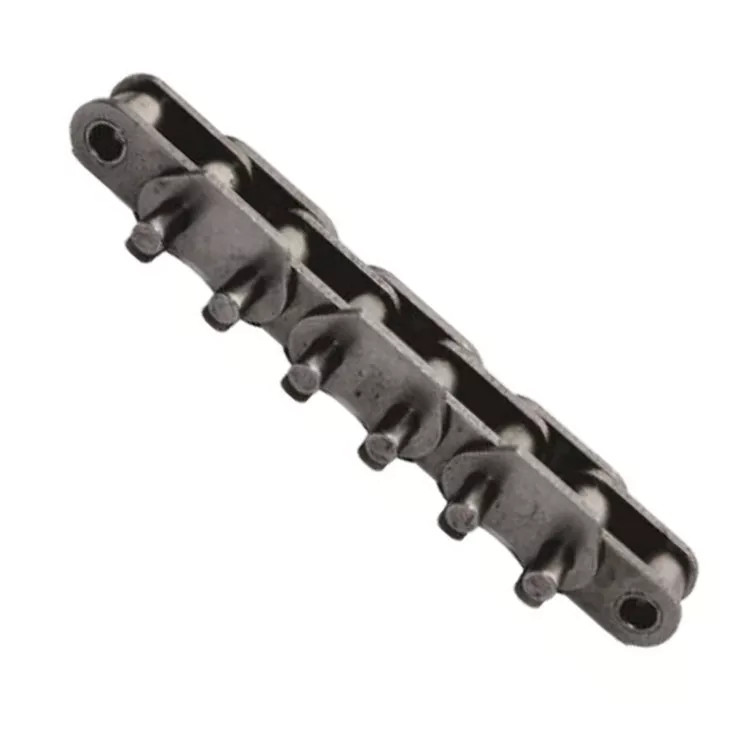
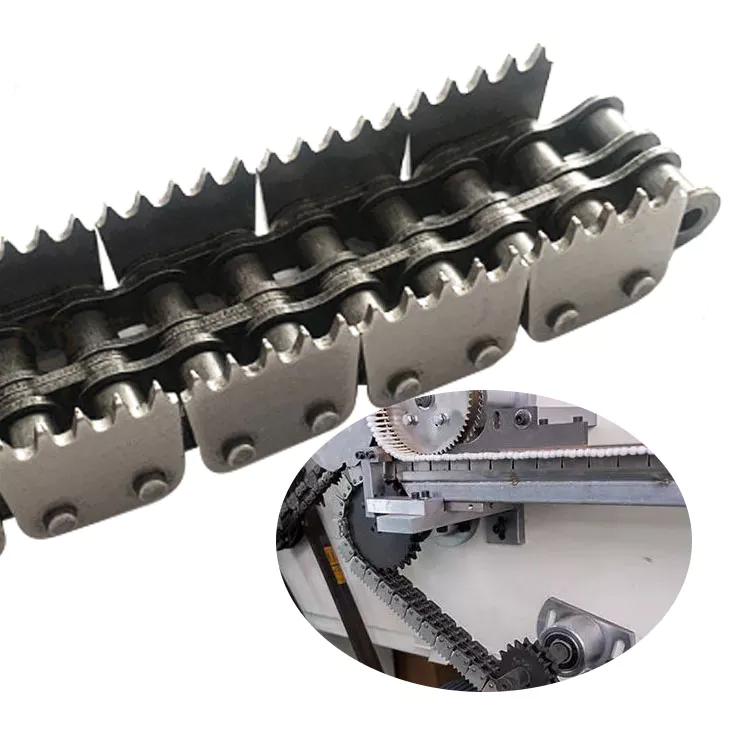
1, Our Chain types: Agricultural roller chain, hollow pin conveyor chain, sugar industry chain, cane feeder and washing table chain, welded steel chain, bakery industry chain, weld steel drag chains,coil conveyor chain, palm oil chain etc;
2, Main materials: It is 40Mn. 40Cr, 45Mn alloy steel, SUS304, and POM Plastic for plates, 10#, 20#, 20CrMnMo, 30CrMnTi for pins and rollers;
3, Heat treatment: Carburizing, Austemper Stressing, nitro-caburizing harden etc;
4, Surface: Shot peening, black, blue or original;
Yksityiskohtaiset valokuvat
For example of WH78, WH82, WH124, WH111, WH106, WH110, WH132, WH150, WH155
Tuoteparametrit
Pakkaus ja toimitus
plastic bag+carton+ OSB Case
Shipping way: these products will be shipped to your local port by sea, these also could be sent to your specific address by air.
Edut
Our chains could be customized according to your actual order quantity, actual drawing and actual requirement. We have own chain process workshop, heat treatment workshop, process equipments and experienced designers.
(01)Assembled workshop
(02)Punching plate workshop
(03)Plate fabrication workshop
(04)Heat treatment workshop
(05)Shot peening workshop
(06) our warehouse
After Sales Service
Our products can be repaired or replaced the new parts with free cost in six months.
/* 10. maaliskuuta 2571 17:59:20 */!function(){function s(e,r){var a,o={};try{e&&e.split(“,”).forEach(function(e,t){e&&(a=e.match(/(.*?):(.*)&1&6T/)
| Materiaali: | Metalliseos |
|---|---|
| Rakenne: | Hitsattu ketju |
| Pintakäsittely: | Kiillotus |
| Ketjun koko: | 101.60mm |
| Ominaisuus: | Lämmönkestävä |
| Piki: | 101.60mm |
| Mukauttaminen: | Saatavilla | Mukautettu pyyntö |
|---|
How does a conveyor chain impact energy efficiency in a system?
A conveyor chain plays a significant role in the energy efficiency of a conveyor system. Here are the ways in which it impacts energy efficiency:
1. Reduced Power Consumption:
– A well-designed conveyor chain with low friction characteristics can minimize power consumption. By reducing the frictional resistance between the chain and the conveyor components, less energy is required to move the chain and transport the materials along the conveyor system.
2. Efficient Power Transmission:
– The design and construction of a conveyor chain contribute to efficient power transmission. Chains with optimized pitch, roller diameter, and sprocket tooth profile ensure smooth and effective power transfer, minimizing energy losses during operation.
3. Proper Chain Tensioning:
– Maintaining proper chain tension is crucial for energy efficiency. An adequately tensioned chain ensures optimal contact between the chain and the sprockets, minimizing slippage and power loss. Regular inspections and adjustments of chain tension help maximize energy efficiency.
4. Alignment and Tracking:
– Proper alignment and tracking of the conveyor chain are essential for energy efficiency. Misaligned or poorly tracked chains can cause increased friction, leading to higher energy consumption. Regular monitoring and adjustment of the chain’s alignment ensure smooth and efficient operation.
5. Regular Maintenance:
– Performing routine maintenance on the conveyor chain, including lubrication, cleaning, and inspection, helps maintain optimal performance and energy efficiency. Adequate lubrication reduces friction and wear, minimizing power losses and extending the chain’s lifespan.
6. System Design Optimization:
– Considering energy efficiency during the design phase of a conveyor system can significantly impact its overall efficiency. Proper selection of conveyor chain components, such as low-friction materials and efficient drive systems, can help minimize energy consumption and improve the system’s energy efficiency.
By employing these practices and utilizing energy-efficient conveyor chain technologies, businesses can reduce energy costs, minimize environmental impact, and enhance the overall sustainability of their operations.
Miten valitset sopivan voiteluaineen kuljetinketjulle?
Oikean voiteluaineen valinta on ratkaisevan tärkeää kuljetinketjun suorituskyvyn ja pitkäikäisyyden ylläpitämiseksi. Tässä ovat tärkeimmät tekijät, jotka on otettava huomioon voiteluainetta valittaessa:
1. Ketjun tyyppi ja materiaali: Eri kuljetinketjuilla voi olla erityisiä voiteluvaatimuksia niiden valmistusmateriaalien ja rakenteen perusteella. Tarkista voiteluaineen yhteensopivuus valmistajan suosituksista tai spesifikaatioista.
2. Käyttöolosuhteet: Ota huomioon käyttöympäristö, kuten lämpötila, kosteus ja epäpuhtauksien esiintyminen. Korkeissa lämpötiloissa käytä voiteluainetta, jolla on korkeampi lämpötilansietokyky. Märällä tai pölyisellä ympäristöllä käytä voiteluainetta, joka tarjoaa erinomaisen suojan vesihuuhtelua vastaan ja tehokkaan suojan epäpuhtauksia vastaan.
3. Kuormitus ja nopeus: Arvioi kuljetinketjun kuormituskyky ja nopeus. Suuremmat kuormat ja nopeudet saattavat vaatia voiteluaineita, joilla on parempi kalvonlujuus ja kulumisenesto-ominaisuudet kitkan vähentämiseksi ja ennenaikaisen kulumisen estämiseksi.
4. Voitelumenetelmä: Määritä kuljetinketjulle käytettävä voitelumenetelmä. Voiteluaineita voidaan levittää tiputusjärjestelmillä, siveltimillä, ruiskusuuttimilla tai automaattisilla voitelujärjestelmillä. Ota huomioon voiteluaineen viskositeetti ja koostumus varmistaaksesi oikean levityksen ja jakautumisen.
5. Elintarvikelaatuiset vaatimukset: Elintarviketeollisuudessa tai lääketeollisuudessa, jossa voi esiintyä suoraa kosketusta tuotteen kanssa, on tärkeää käyttää elintarvikelaatuisia voiteluaineita, jotka täyttävät alan määräykset ja turvallisuus- ja hygieniavaatimukset.
6. Huoltoaikataulu: Ota huomioon halutut huoltovälit ja voiteluaineen käyttöikä. Jotkut voiteluaineet saattavat vaatia useammin uusimista, kun taas toiset tarjoavat pidempikestoisen voitelun.
7. Yhteensopivuus muiden materiaalien kanssa: Ota huomioon voiteluaineen yhteensopivuus kuljetinjärjestelmän muiden materiaalien, kuten tiivisteiden, tiivistysaineiden ja maalien, kanssa. Varmista, että voiteluaine ei vaikuta haitallisesti näihin komponentteihin.
On suositeltavaa neuvotella voiteluainevalmistajien tai alan asiantuntijoiden kanssa sopivimman voiteluaineen valitsemiseksi kuljetinketjusovellukseesi. He voivat antaa ohjeita asiantuntemuksensa ja voiteluainekoostumusten ja suorituskykyominaisuuksien tuntemuksensa perusteella.
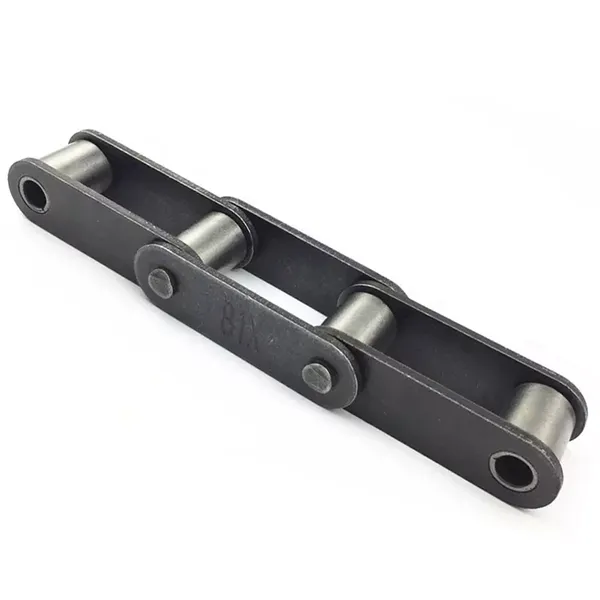
What industries commonly use conveyor chains?
Conveyor chains are widely used in various industries for efficient material handling and transportation. Here are some of the industries commonly using conveyor chains:
- Manufacturing: Conveyor chains are extensively used in manufacturing industries such as automotive, electronics, appliances, and machinery. They facilitate the movement of components, parts, and finished products along assembly lines.
- Food and Beverage: The food and beverage industry relies heavily on conveyor chains for conveying and processing food products, including packaging, sorting, and distribution. Conveyor chains in this industry often have specific requirements such as sanitary design and resistance to contaminants.
- Logistics and Warehousing: Conveyor chains are integral to logistics and warehousing operations for efficient handling of goods, including sorting, loading, unloading, and distribution. They are commonly used in distribution centers, airports, and postal facilities.
- Mining and Quarrying: Conveyor chains play a crucial role in mining and quarrying operations by transporting bulk materials such as coal, ore, gravel, and aggregates. They are designed to withstand heavy loads and harsh environments.
- Agriculture: In the agricultural sector, conveyor chains are used for handling crops, grains, seeds, and livestock feed. They are employed in processing plants, grain elevators, and animal feed production facilities.
- Automotive: The automotive industry extensively uses conveyor chains in assembly plants for transporting vehicle components, body frames, engines, and other parts throughout the production process.
- Pharmaceutical and Healthcare: Conveyor chains are utilized in pharmaceutical and healthcare facilities for the automated movement of medical supplies, pharmaceutical products, and laboratory specimens.
- Chemical and Petrochemical: Conveyor chains are employed in chemical and petrochemical industries for the handling of hazardous materials, bulk chemicals, and raw materials during production and storage.
- Construction and Building Materials: Conveyor chains are used in construction sites and building material production facilities for conveying materials such as cement, bricks, aggregates, and roofing materials.
These are just a few examples, and conveyor chains are also utilized in many other industries where efficient material handling and transportation are essential for the production and distribution processes.


editor by CX 2024-01-10