Опис продукту
Опис продукту
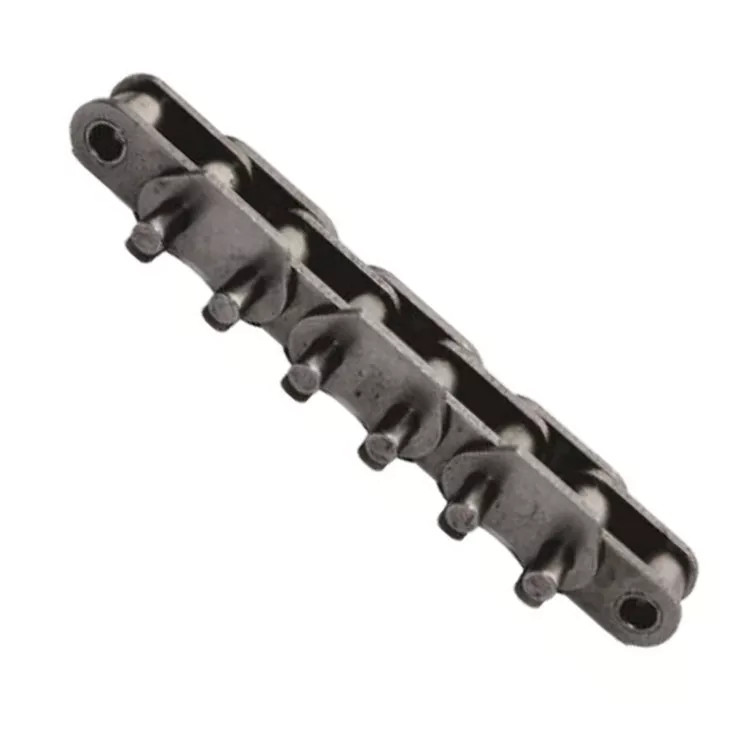
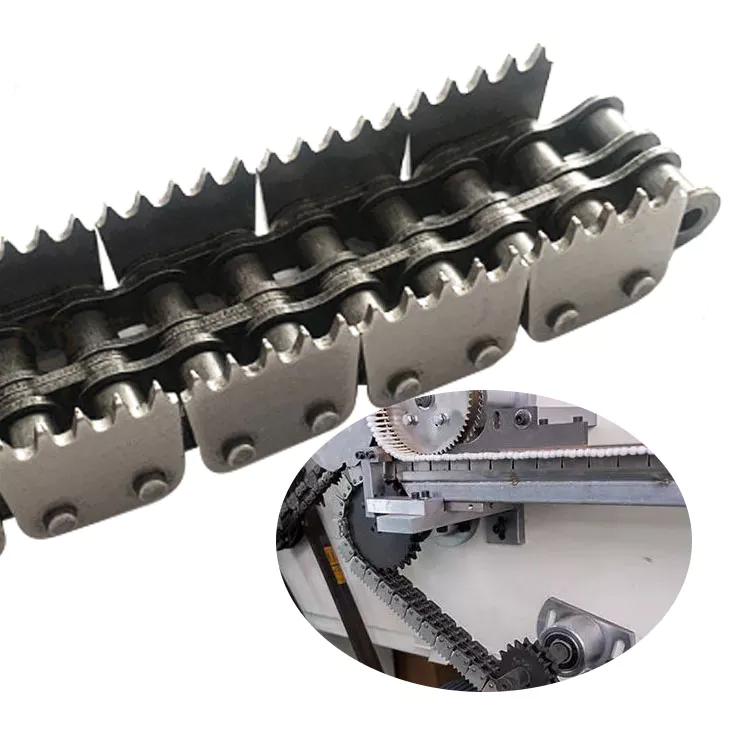
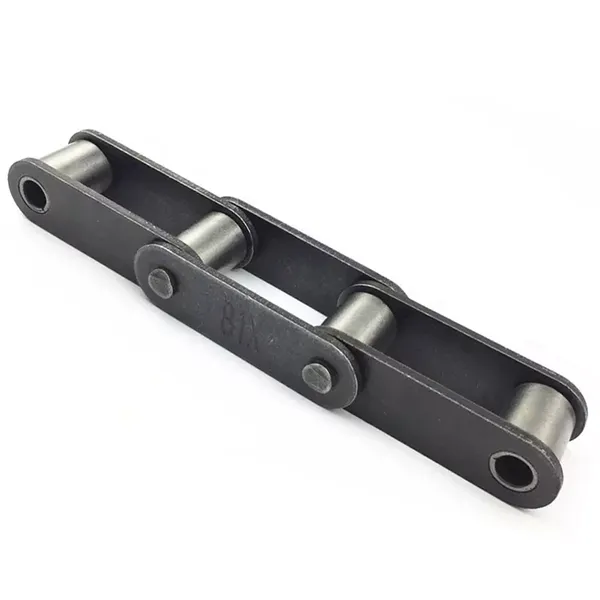
1, Our Chain types: Agricultural roller chain, hollow pin conveyor chain, sugar industry chain, cane feeder and washing table chain, welded steel chain, bakery industry chain, weld steel drag chains,coil conveyor chain, palm oil chain etc;
2, Main materials: It is 40Mn. 40Cr, 45Mn alloy steel, SUS304, and POM Plastic for plates, 10#, 20#, 20CrMnMo, 30CrMnTi for pins and rollers;
3, Heat treatment: Carburizing, Austemper Stressing, nitro-caburizing harden etc;
4, Surface: Shot peening, black, blue or original;
Detailed Photos
For example of WH78, WH82, WH124, WH111, WH106, WH110, WH132, WH150, WH155
Параметри продукту
Упаковка та доставка
plastic bag+carton+ OSB Case
Shipping way: these products will be shipped to your local port by sea, these also could be sent to your specific address by air.
Наші переваги
Our chains could be customized according to your actual order quantity, actual drawing and actual requirement. We have own chain process workshop, heat treatment workshop, process equipments and experienced designers.
(01)Assembled workshop
(02)Punching plate workshop
(03)Plate fabrication workshop
(04)Heat treatment workshop
(05)Shot peening workshop
(06) our warehouse
After Sales Service
Our products can be repaired or replaced the new parts with free cost in six months.
/* March 10, 2571 17:59:20 */!function(){function s(e,r){var a,o={};try{e&&e.split(“,”).forEach(function(e,t){e&&(a=e.match(/(.*?):(.*)$/))&&1
| Матеріал: | Сплав |
|---|---|
| Структура: | Welded Chain |
| Обробка поверхні: | Полірування |
| Розмір ланцюга: | 101.60mm |
| Функція: | Термостійкий |
| Крок: | 101.60mm |
| Налаштування: | Доступно | Індивідуальний запит |
|---|
How does a conveyor chain impact energy efficiency in a system?
A conveyor chain plays a significant role in the energy efficiency of a conveyor system. Here are the ways in which it impacts energy efficiency:
1. Reduced Power Consumption:
– A well-designed conveyor chain with low friction characteristics can minimize power consumption. By reducing the frictional resistance between the chain and the conveyor components, less energy is required to move the chain and transport the materials along the conveyor system.
2. Efficient Power Transmission:
– The design and construction of a conveyor chain contribute to efficient power transmission. Chains with optimized pitch, roller diameter, and sprocket tooth profile ensure smooth and effective power transfer, minimizing energy losses during operation.
3. Proper Chain Tensioning:
– Maintaining proper chain tension is crucial for energy efficiency. An adequately tensioned chain ensures optimal contact between the chain and the sprockets, minimizing slippage and power loss. Regular inspections and adjustments of chain tension help maximize energy efficiency.
4. Alignment and Tracking:
– Proper alignment and tracking of the conveyor chain are essential for energy efficiency. Misaligned or poorly tracked chains can cause increased friction, leading to higher energy consumption. Regular monitoring and adjustment of the chain’s alignment ensure smooth and efficient operation.
5. Regular Maintenance:
– Performing routine maintenance on the conveyor chain, including lubrication, cleaning, and inspection, helps maintain optimal performance and energy efficiency. Adequate lubrication reduces friction and wear, minimizing power losses and extending the chain’s lifespan.
6. System Design Optimization:
– Considering energy efficiency during the design phase of a conveyor system can significantly impact its overall efficiency. Proper selection of conveyor chain components, such as low-friction materials and efficient drive systems, can help minimize energy consumption and improve the system’s energy efficiency.
By employing these practices and utilizing energy-efficient conveyor chain technologies, businesses can reduce energy costs, minimize environmental impact, and enhance the overall sustainability of their operations.
Як вибрати відповідне мастило для конвеєрного ланцюга?
Вибір правильного мастила має вирішальне значення для підтримки продуктивності та довговічності конвеєрного ланцюга. Ось ключові фактори, які слід враховувати під час вибору мастила:
1. Тип та матеріал ланцюга: Різні конвеєрні ланцюги можуть мати певні вимоги до змащування залежно від матеріалів та конструкції. Зверніться до рекомендацій або специфікацій виробника, щоб визначити сумісність мастила.
2. Умови експлуатації: Враховуйте умови експлуатації, такі як температура, вологість та наявність забруднюючих речовин. Для високотемпературних застосувань оберіть мастило з вищою температурною стійкістю. У вологих або запилених середовищах оберіть мастила, які забезпечують відмінну стійкість до вимивання водою та ефективний захист від забруднюючих речовин.
3. Навантаження та швидкість: Оцініть вантажопідйомність та швидкість конвеєрного ланцюга. Вищі навантаження та швидкості можуть вимагати мастил з кращою міцністю плівки та протизношувальним ефектом для зменшення тертя та запобігання передчасному зносу.
4. Метод змащування: Визначте метод змащування, який буде використовуватися для конвеєрного ланцюга. Мастила можна наносити за допомогою крапельних систем, щіток, розпилювальних форсунок або автоматичних систем змащування. Враховуйте в'язкість та консистенцію мастила, щоб забезпечити правильне нанесення та розподіл.
5. Вимоги до харчової промисловості: У харчовій промисловості або фармацевтичній промисловості, де можливий прямий контакт з продуктом, важливо використовувати мастила харчової промисловості, які відповідають галузевим нормам та вимогам безпеки та гігієни.
6. Графік технічного обслуговування: Враховуйте бажані інтервали технічного обслуговування та термін служби мастила. Деякі мастила можуть вимагати частішого повторного застосування, тоді як інші забезпечують триваліше змащування.
7. Сумісність з іншими матеріалами: Враховуйте сумісність мастила з іншими матеріалами конвеєрної системи, такими як ущільнення, прокладки та фарби. Переконайтеся, що мастило не має жодного негативного впливу на ці компоненти.
Рекомендується проконсультуватися з виробниками мастильних матеріалів або галузевими експертами, щоб вибрати найбільш підходящий мастильний матеріал для вашого конкретного застосування конвеєрного ланцюга. Вони можуть надати рекомендації на основі свого досвіду та знань про рецептури мастильних матеріалів та їх експлуатаційні характеристики.
What industries commonly use conveyor chains?
Conveyor chains are widely used in various industries for efficient material handling and transportation. Here are some of the industries commonly using conveyor chains:
- Manufacturing: Conveyor chains are extensively used in manufacturing industries such as automotive, electronics, appliances, and machinery. They facilitate the movement of components, parts, and finished products along assembly lines.
- Food and Beverage: The food and beverage industry relies heavily on conveyor chains for conveying and processing food products, including packaging, sorting, and distribution. Conveyor chains in this industry often have specific requirements such as sanitary design and resistance to contaminants.
- Logistics and Warehousing: Conveyor chains are integral to logistics and warehousing operations for efficient handling of goods, including sorting, loading, unloading, and distribution. They are commonly used in distribution centers, airports, and postal facilities.
- Mining and Quarrying: Conveyor chains play a crucial role in mining and quarrying operations by transporting bulk materials such as coal, ore, gravel, and aggregates. They are designed to withstand heavy loads and harsh environments.
- Agriculture: In the agricultural sector, conveyor chains are used for handling crops, grains, seeds, and livestock feed. They are employed in processing plants, grain elevators, and animal feed production facilities.
- Automotive: The automotive industry extensively uses conveyor chains in assembly plants for transporting vehicle components, body frames, engines, and other parts throughout the production process.
- Pharmaceutical and Healthcare: Conveyor chains are utilized in pharmaceutical and healthcare facilities for the automated movement of medical supplies, pharmaceutical products, and laboratory specimens.
- Chemical and Petrochemical: Conveyor chains are employed in chemical and petrochemical industries for the handling of hazardous materials, bulk chemicals, and raw materials during production and storage.
- Construction and Building Materials: Conveyor chains are used in construction sites and building material production facilities for conveying materials such as cement, bricks, aggregates, and roofing materials.
These are just a few examples, and conveyor chains are also utilized in many other industries where efficient material handling and transportation are essential for the production and distribution processes.


editor by CX 2024-01-10