Opis produktu
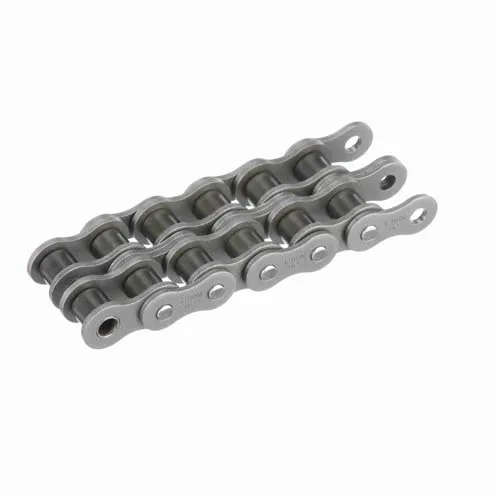
Double Pitch Conveyor Chain with K1 Attachments
Products are made of high quality alloy steel production. The plates are punched and squeezed bores by precision technology. The pin, bush, roller are machined by high-efficiency automatic equipment and automatic grinding equipment, then through heat treatment of carburization, carbon and nitrogen protection mesh belt furnace, surface blasting process etc. Assembled precision by Internal hole position, spin riveted by pressure to ensure the performance of the entire chain.
Specifications
| Technique Treatment | |||
| 1 | Shot Peening | 8 | Tempering |
| 2 | Bluing | 9 | Oiling |
| 3 | Nickel-plated | 10 | Greasing |
| 4 | Zincing | 11 | Special color |
| 5 | Heat Treatment | 12 | Stain proofing |
| 6 | Carburizing | 13 | Pre-stretched and anti-fatigue |
| 7 | Quenching | ||
Our Service
1. Any of your kind inquiry conveyor chain would be replied within 24 hours.
2. Well-trained and experienced sales staffs will reply all your concerns in fluent English.
3. OEM services are available with us, our professional designer would make your private idea into being.
4. Protection of your sales area, ideas of design and all your private information.
5. Delivery by air mail or ship for your orders.
Why choose us1. We are the manufacture.
2. We have near 30 years experience of making chains and chain links.
3. Our design team has extensive experience in the chain design.
4. Best service and prompt delivery.
5. We offer various styles, size and colors to meet your requirement.
6. We covering a production area of 18750 square CZPT have more than 200 employees and we have a complete set of testing equipment to ensure our quality.
| Stosowanie: | Transportation Chain |
|---|---|
| Tworzywo: | Stal stopowa/węglowa |
| Obróbka powierzchni: | Oxygenation |
| Funkcja: | Oil Resistant |
| Rozmiar łańcucha: | C2082 C2080 C2082h C2080h |
| Struktura: | Łańcuch rolkowy |
| Próbki: | US$ 13/Meter 1 metr (minimalne zamówienie) | |
|---|
| Personalizacja: | Dostępny | Spersonalizowane żądanie |
|---|
What are the considerations for selecting a low-maintenance conveyor chain?
When selecting a low-maintenance conveyor chain, several considerations should be taken into account:
1. Material Selection:
– Choose a conveyor chain made from materials that are resistant to wear, corrosion, and contamination. Stainless steel, plastic, or self-lubricating chains are commonly used for their durability and low maintenance requirements.
2. Lubrication-Free Design:
– Look for conveyor chains that have a self-lubricating design or are pre-lubricated with materials that reduce friction and eliminate the need for additional lubrication. This helps to minimize maintenance tasks associated with regular lubrication.
3. Sealed Construction:
– Consider conveyor chains with sealed construction to prevent the ingress of dirt, debris, and moisture. Sealed chains require less frequent cleaning and maintenance, making them ideal for low-maintenance applications.
4. Easy Cleaning:
– Opt for conveyor chains that are designed for easy cleaning. Smooth surfaces, open structures, and accessible components allow for quick and efficient cleaning, reducing maintenance time and effort.
5. Resistance to Contamination:
– Select a conveyor chain that is resistant to contamination. This includes resistance to chemicals, oils, greases, and other substances commonly found in the application environment. Chains that can withstand contamination require less frequent cleaning and maintenance.
6. Wear Monitoring:
– Look for conveyor chains that have wear monitoring features, such as wear indicators or sensors. These features help to identify chain wear and provide timely maintenance alerts, allowing for proactive replacement or adjustment.
7. Manufacturer Support:
– Consider the support provided by the chain manufacturer. A reputable manufacturer will offer guidance on maintenance intervals, replacement schedules, and provide technical assistance to ensure the proper functioning of the chain.
By considering these factors, you can select a low-maintenance conveyor chain that minimizes the need for frequent inspections, lubrication, cleaning, and replacement, resulting in reduced maintenance efforts and costs.
Jakie są korzyści ze stosowania łańcuchów przenośnikowych ze stali nierdzewnej?
Łańcuchy przenośnikowe ze stali nierdzewnej oferują szereg zalet w porównaniu z innymi rodzajami łańcuchów. Oto kilka najważniejszych korzyści:
1. Odporność na korozję: Stal nierdzewna jest wysoce odporna na korozję, dzięki czemu nadaje się do zastosowań w trudnych warunkach lub w branżach, gdzie wymagane jest częste mycie lub narażenie na wilgoć. Nie rdzewieje ani nie koroduje jak inne metale, zapewniając dłuższą żywotność i niezawodne działanie.
2. Wytrzymałość i trwałość: Łańcuchy ze stali nierdzewnej znane są z wysokiej wytrzymałości i trwałości. Wytrzymują duże obciążenia, wysokie temperatury i materiały ścierne bez odkształceń i pęknięć. Dzięki temu idealnie nadają się do zastosowań wymagających dużej wytrzymałości, gdzie niezawodność i trwałość są kluczowe.
3. Higiena i higiena: Stal nierdzewna to nieporowaty materiał, łatwy w czyszczeniu i konserwacji. Jest odporna na bakterie, pleśń i inne zanieczyszczenia, dzięki czemu nadaje się do branż o surowych wymaganiach higienicznych, takich jak przetwórstwo spożywcze, farmaceutyka i produkcja urządzeń medycznych. Łańcuchy ze stali nierdzewnej można dokładnie czyścić i dezynfekować, co zmniejsza ryzyko zanieczyszczenia produktu.
4. Odporność na temperaturę: Łańcuchy ze stali nierdzewnej wytrzymują szeroki zakres temperatur, zarówno wysokich, jak i niskich. Wykazują doskonałą odporność na ciepło, dzięki czemu zachowują wytrzymałość i wydajność nawet w ekstremalnych warunkach temperaturowych.
5. Estetyka: Łańcuchy ze stali nierdzewnej mają elegancki i lśniący wygląd, dodając systemowi przenośników profesjonalnego i estetycznego charakteru. Są powszechnie stosowane w branżach, w których liczy się atrakcyjność wizualna i reprezentacja marki, takich jak handel detaliczny czy towary luksusowe.
6. Odporność chemiczna: Stal nierdzewna jest odporna na działanie różnych substancji chemicznych, w tym kwasów, zasad i rozpuszczalników. Dzięki temu nadaje się do zastosowań, w których istnieje prawdopodobieństwo kontaktu z substancjami żrącymi.
7. Kompatybilność z aplikacjami o dużej prędkości: Łańcuchy ze stali nierdzewnej wytrzymują pracę z dużą prędkością bez utraty integralności strukturalnej i wydajności. Zachowują stabilność i dokładność nawet przy dużych prędkościach.
Ogólnie rzecz biorąc, łańcuchy przenośnikowe ze stali nierdzewnej oferują odporność na korozję, wytrzymałość, trwałość, właściwości higieniczne, odporność na temperaturę, walory estetyczne, odporność chemiczną oraz kompatybilność z aplikacjami o dużej prędkości. Te zalety sprawiają, że są one preferowanym wyborem w branżach takich jak przemysł spożywczy i napojów, farmaceutyczny, motoryzacyjny i produkcyjny, gdzie niezawodność, czystość i wydajność są kluczowe.
How do you optimize the efficiency of a conveyor chain system?
To optimize the efficiency of a conveyor chain system, several factors should be considered and implemented:
1. System Design: Ensure that the conveyor system is properly designed to minimize energy losses, reduce friction, and optimize material flow. Consider factors such as conveyor length, incline/decline angles, and the number and placement of drive units to achieve efficient operation.
2. Chain Selection: Select the appropriate conveyor chain based on the specific application requirements, such as load capacity, speed, and environmental conditions. Consider factors like chain material, pitch, and strength to ensure optimal performance and longevity.
3. Lubrication: Proper lubrication of the conveyor chain is essential for reducing friction, wear, and power consumption. Choose the right lubricant for the application and regularly maintain the lubrication levels to ensure smooth chain operation.
4. Tensioning and Alignment: Regularly inspect and adjust the tension and alignment of the conveyor chain to prevent excessive slack or tightness. Proper tensioning and alignment help to minimize chain wear, reduce energy losses, and ensure consistent performance.
5. Preventive Maintenance: Implement a regular maintenance program to identify and address potential issues before they escalate. This includes cleaning the chain, inspecting sprockets and guides, replacing worn components, and checking for proper tension and alignment. A well-maintained system reduces downtime and extends the life of the chain.
6. System Monitoring: Utilize monitoring tools such as sensors, cameras, or automated systems to track the performance of the conveyor chain system. Monitoring can provide valuable data on chain tension, alignment, speed, and power consumption, allowing for timely adjustments and optimization.
7. Training and Operator Awareness: Train operators on best practices for operating and maintaining the conveyor chain system. Promote awareness of energy efficiency, proper handling, and safety protocols to ensure optimal system performance.
By considering these factors and implementing appropriate measures, the efficiency of a conveyor chain system can be optimized, leading to improved productivity, reduced energy consumption, and longer chain life.


editor by CX 2023-08-08