Descrição do produto
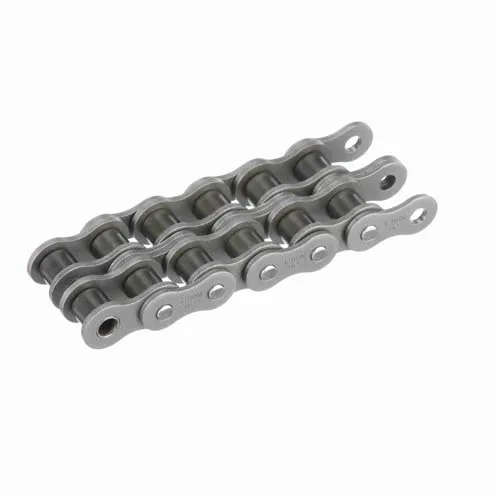
Double Pitch Conveyor Chain with K1 Attachments
Products are made of high quality alloy steel production. The plates are punched and squeezed bores by precision technology. The pin, bush, roller are machined by high-efficiency automatic equipment and automatic grinding equipment, then through heat treatment of carburization, carbon and nitrogen protection mesh belt furnace, surface blasting process etc. Assembled precision by Internal hole position, spin riveted by pressure to ensure the performance of the entire chain.
Specifications
| Technique Treatment | |||
| 1 | Shot Peening | 8 | Tempering |
| 2 | Bluing | 9 | Oiling |
| 3 | Nickel-plated | 10 | Greasing |
| 4 | Zincing | 11 | Special color |
| 5 | Heat Treatment | 12 | Stain proofing |
| 6 | Carburizing | 13 | Pre-stretched and anti-fatigue |
| 7 | Quenching | ||
Our Service
1. Any of your kind inquiry conveyor chain would be replied within 24 hours.
2. Nossa equipe de vendas, bem treinada e experiente, responderá a todas as suas dúvidas em inglês fluente.
3. Oferecemos serviços de OEM (fabricação original) e nossos designers profissionais transformarão sua ideia em realidade.
4. Proteção da sua área de vendas, ideias de design e todas as suas informações privadas.
5. Entrega por via aérea ou marítima para seus pedidos.
Why choose us1. We are the manufacture.
2. We have near 30 years experience of making chains and chain links.
3. Our design team has extensive experience in the chain design.
4. Best service and prompt delivery.
5. We offer various styles, size and colors to meet your requirement.
6. We covering a production area of 18750 square CZPT have more than 200 employees and we have a complete set of testing equipment to ensure our quality.
| Uso: | Transportation Chain |
|---|---|
| Material: | Aço liga/carbono |
| Tratamento de superfície: | Oxygenation |
| Recurso: | Resistente a óleo |
| Tamanho da corrente: | C2082 C2080 C2082h C2080h |
| Estrutura: | Corrente de rolos |
| Exemplos: | US$ 13/Meter 1 metro (pedido mínimo) | |
|---|
| Personalização: | Disponível | Solicitação personalizada |
|---|
Quais são os fatores a serem considerados na seleção de uma corrente transportadora de baixa manutenção?
Ao selecionar uma corrente transportadora de baixa manutenção, vários fatores devem ser levados em consideração:
1. Seleção de Materiais:
– Escolha uma corrente transportadora feita de materiais resistentes ao desgaste, à corrosão e à contaminação. Correntes de aço inoxidável, plástico ou autolubrificantes são comumente usadas devido à sua durabilidade e baixa necessidade de manutenção.
2. Design sem lubrificação:
Procure correntes transportadoras com design autolubrificante ou pré-lubrificadas com materiais que reduzem o atrito e eliminam a necessidade de lubrificação adicional. Isso ajuda a minimizar as tarefas de manutenção associadas à lubrificação regular.
3. Construção selada:
– Considere correntes transportadoras com construção selada para evitar a entrada de sujeira, detritos e umidade. Correntes seladas exigem limpeza e manutenção menos frequentes, sendo ideais para aplicações que requerem pouca manutenção.
4. Limpeza fácil:
– Opte por correntes transportadoras projetadas para facilitar a limpeza. Superfícies lisas, estruturas abertas e componentes acessíveis permitem uma limpeza rápida e eficiente, reduzindo o tempo e o esforço de manutenção.
5. Resistência à contaminação:
Selecione uma corrente transportadora resistente à contaminação. Isso inclui resistência a produtos químicos, óleos, graxas e outras substâncias comuns no ambiente de aplicação. Correntes que resistem à contaminação exigem limpeza e manutenção menos frequentes.
6. Monitoramento do desgaste:
Procure correntes transportadoras que possuam recursos de monitoramento de desgaste, como indicadores ou sensores de desgaste. Esses recursos ajudam a identificar o desgaste da corrente e fornecem alertas de manutenção oportunos, permitindo a substituição ou o ajuste proativos.
7. Suporte do fabricante:
– Considere o suporte oferecido pelo fabricante da corrente. Um fabricante de boa reputação oferecerá orientações sobre intervalos de manutenção, cronogramas de substituição e fornecerá assistência técnica para garantir o funcionamento adequado da corrente.
Ao considerar esses fatores, você pode selecionar uma corrente transportadora de baixa manutenção que minimize a necessidade de inspeções, lubrificação, limpeza e substituição frequentes, resultando em redução dos esforços e custos de manutenção.
Quais são os benefícios de usar correntes transportadoras de aço inoxidável?
As correntes transportadoras de aço inoxidável oferecem diversas vantagens em relação a outros tipos de correntes. Aqui estão alguns dos principais benefícios:
1. Resistência à corrosão: O aço inoxidável é altamente resistente à corrosão, tornando-o adequado para aplicações em ambientes agressivos ou indústrias onde lavagens frequentes ou exposição à umidade são necessárias. Ele não enferruja nem corrói como outros metais, garantindo uma vida útil mais longa e um desempenho confiável.
2. Resistência e Durabilidade: As correntes de aço inoxidável são conhecidas por sua alta resistência e durabilidade. Elas suportam cargas pesadas, altas temperaturas e materiais abrasivos sem deformar ou quebrar. Isso as torna ideais para aplicações exigentes onde confiabilidade e longa vida útil são cruciais.
3. Higiênico e Sanitário: O aço inoxidável é um material não poroso, fácil de limpar e manter. É resistente a bactérias, mofo e outros contaminantes, tornando-o adequado para indústrias com rigorosos requisitos de higiene, como processamento de alimentos, produtos farmacêuticos e dispositivos médicos. Correntes de aço inoxidável podem ser completamente limpas e desinfetadas, reduzindo o risco de contaminação do produto.
4. Resistência à temperatura: As correntes de aço inoxidável suportam uma ampla gama de temperaturas, tanto altas quanto baixas. Apresentam excelente resistência ao calor, o que lhes permite manter sua força e desempenho mesmo em condições extremas de temperatura.
5. Apelo estético: As correntes de aço inoxidável têm uma aparência elegante e polida, conferindo um toque profissional e estético ao sistema de transporte. São comumente utilizadas em setores onde o apelo visual e a representação da marca são importantes, como o varejo ou bens de luxo.
6. Resistência química: O aço inoxidável é resistente a diversos produtos químicos, incluindo ácidos, álcalis e solventes. Isso o torna adequado para aplicações onde o contato com substâncias corrosivas é provável.
7. Compatibilidade com aplicações de alta velocidade: As correntes de aço inoxidável suportam operações de alta velocidade sem comprometer sua integridade estrutural ou desempenho. Elas mantêm sua estabilidade e precisão mesmo em velocidades elevadas.
De modo geral, as correntes transportadoras de aço inoxidável oferecem resistência à corrosão, resistência mecânica, durabilidade, propriedades higiênicas, resistência à temperatura, apelo estético, resistência química e compatibilidade com aplicações de alta velocidade. Esses benefícios as tornam a escolha preferida em setores como o de alimentos e bebidas, farmacêutico, automotivo e de manufatura, onde confiabilidade, limpeza e desempenho são essenciais.
Como otimizar a eficiência de um sistema de esteira transportadora?
Para otimizar a eficiência de um sistema de esteira transportadora, diversos fatores devem ser considerados e implementados:
1. Projeto do Sistema: Certifique-se de que o sistema de transporte seja projetado adequadamente para minimizar as perdas de energia, reduzir o atrito e otimizar o fluxo de material. Considere fatores como o comprimento da esteira, os ângulos de inclinação/declive e o número e posicionamento das unidades de acionamento para obter uma operação eficiente.
2. Seleção da Corrente: Selecione a corrente transportadora adequada com base nos requisitos específicos da aplicação, como capacidade de carga, velocidade e condições ambientais. Considere fatores como material da corrente, passo e resistência para garantir desempenho e durabilidade ideais.
3. Lubrificação: A lubrificação adequada da corrente transportadora é essencial para reduzir o atrito, o desgaste e o consumo de energia. Escolha o lubrificante correto para a aplicação e mantenha os níveis de lubrificação regularmente para garantir o bom funcionamento da corrente.
4. Tensionamento e alinhamento: Inspecione e ajuste regularmente a tensão e o alinhamento da corrente transportadora para evitar folga ou aperto excessivos. O tensionamento e o alinhamento adequados ajudam a minimizar o desgaste da corrente, reduzir as perdas de energia e garantir um desempenho consistente.
5. Manutenção Preventiva: Implemente um programa de manutenção regular para identificar e solucionar problemas potenciais antes que se agravem. Isso inclui a limpeza da corrente, a inspeção das rodas dentadas e guias, a substituição de componentes desgastados e a verificação da tensão e alinhamento adequados. Um sistema bem conservado reduz o tempo de inatividade e prolonga a vida útil da corrente.
6. Monitoramento do Sistema: Utilize ferramentas de monitoramento, como sensores, câmeras ou sistemas automatizados, para acompanhar o desempenho do sistema de corrente transportadora. O monitoramento pode fornecer dados valiosos sobre tensão, alinhamento, velocidade e consumo de energia da corrente, permitindo ajustes e otimizações em tempo hábil.
7. Treinamento e Conscientização do Operador: Treine os operadores nas melhores práticas para operar e manter o sistema de esteira transportadora. Promova a conscientização sobre eficiência energética, manuseio adequado e protocolos de segurança para garantir o desempenho ideal do sistema.
Ao considerar esses fatores e implementar medidas adequadas, a eficiência de um sistema de corrente transportadora pode ser otimizada, resultando em maior produtividade, menor consumo de energia e maior vida útil da corrente.


editor by CX 2023-08-08