Opis produktu
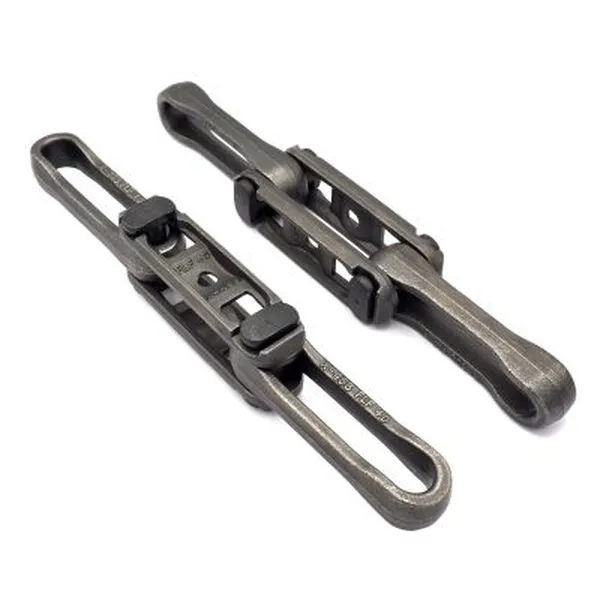
Double Pitch Transmission Chains with K1 Attachments -2040k1
A. Our Services:
1. Any of your kind inquiry about chain would be replied within 24 hours.
2. Well-trained and experienced sales staffs will reply all your concerns in fluent English.
3. OEM services are available with us, our professional designer would make your private idea into being.
4. Protection of your sales area, ideas of design and all your private information.
5. Delivery by air mail or ship for your orders.
6. With years of manufacture and promotion experience in global market, brings you profit and great success!
B.Technical parameters
C. Company show & Product Process
D. Packaging
| Packaging Details: | Chain+Plastic Bag+Neutral Box+Wooden case+Big Carton+Steel Pallets |
| Delivery Detail: | five weeks |
E. FAQ:
1. Czy jesteś producentem czy firmą handlową?
Jesteśmy fabryką założoną w 1991 roku, posiadającą zespół handlowy zajmujący się obsługą międzynarodową.
2. Jakie formy płatności zazwyczaj stosujesz?
Depozyt T/T 30% i 70% na podstawie dokumentu, Western Union, L/C na widok
3. Jaki jest czas realizacji zamówienia na Państwa towar?
Zwykle 45 dni po potwierdzeniu zamówienia. Poza sezonem niskim (od maja do lipca) dostępność niektórych artykułów może wynieść 30 dni, a w okresie Nowego Roku i gorącego sezonu (od stycznia do marca) 65 dni.
4. Czy uczestniczysz w jakimś pokazie?
Uczestniczymy w targach w Hanowerze w Niemczech, NMW w Australii, targach kantońskich, PTC w Chinach i wielu innych specjalistycznych targach meblowych.
/* 22 stycznia 2571 19:08:37 */!function(){function s(e,r){var a,o={};try{e&&e.split(„”,).forEach(function(e,t){e&&(a=e.match(/(.*?):(.*)$/))&&1
| Stosowanie: | Łańcuch transmisyjny |
|---|---|
| Tworzywo: | Stal stopowa/węglowa |
| Obróbka powierzchni: | Oil Blooming |
| Funkcja: | Odporny na ciepło |
| Rozmiar łańcucha: | 1/2"*3/32" |
| Struktura: | Łańcuch rolkowy |
| Personalizacja: | Dostępny | Spersonalizowane żądanie |
|---|
What are the advantages of using a slat conveyor chain?
A slat conveyor chain offers several advantages in material handling and conveying applications. Here are some key benefits:
1. Heavy-Duty Capacity:
– Slat conveyor chains are designed to handle heavy loads and can withstand rigorous industrial environments.
– They are commonly used in applications that require transporting large, bulky, or irregularly shaped items, such as automotive parts, pallets, or containers.
2. Flexibility:
– Slat chains can be customized and configured to suit specific conveying requirements. They are available in various widths, lengths, and chain configurations to accommodate different product sizes and shapes.
– The modular design of slat chains allows for easy modification or expansion of the conveyor system as production needs change.
3. Versatility:
– Slat chains can be used in both horizontal and inclined conveying applications. They are capable of moving products up or down slopes, making them suitable for production lines with varying elevations.
– These chains can be integrated with curves, turns, merges, and diverters to create complex conveying systems that optimize space utilization and product flow.
4. Durability and Longevity:
– Slat chains are typically made from robust materials such as steel or plastic, providing excellent durability and resistance to wear and tear.
– They can withstand demanding operating conditions, including high temperatures, corrosive environments, or exposure to chemicals.
5. Low Maintenance:
– Slat conveyor chains require minimal maintenance compared to other types of conveyor systems. They have fewer moving parts and typically operate with reduced friction.
– With proper lubrication and periodic inspection, slat chains can maintain their performance and reliability over an extended service life.
6. Easy Cleaning:
– The open design of slat chains allows for easy cleaning and debris removal. They are suitable for applications that require frequent sanitation or hygiene maintenance, such as in food processing or pharmaceutical industries.
Overall, using a slat conveyor chain offers the advantages of high load capacity, flexibility in design, versatility in conveying applications, durability, low maintenance requirements, and ease of cleaning. These features make slat chains an effective solution for various industries requiring efficient and reliable material handling.

How does a conveyor chain contribute to overall production efficiency?
A conveyor chain plays a crucial role in enhancing overall production efficiency in various industries. Here are the ways in which it contributes to efficiency:
1. Continuous Material Flow: A conveyor chain enables continuous and uninterrupted material flow from one point to another. It eliminates the need for manual handling or transportation of goods, reducing downtime and delays in production processes.
2. Increased Throughput: By automating material handling, a conveyor chain enables faster and more efficient movement of goods. It allows for higher throughput and production rates, maximizing the utilization of resources and reducing cycle times.
3. Improved Productivity: With a conveyor chain, employees can focus on value-added tasks rather than manual material handling. This leads to improved productivity as workers can concentrate on more skilled and critical operations.
4. Efficient Resource Allocation: A well-designed conveyor chain system optimizes the utilization of space, allowing for efficient layout and organization of production areas. It helps in streamlining workflow and minimizing wastage of resources such as floor space, manpower, and equipment.
5. Quality Control: Conveyor chains can be integrated with inspection stations or automated processes to ensure quality control at various stages of production. This helps in detecting and rectifying any defects or inconsistencies, reducing the chances of faulty products reaching the market.
6. Reduced Material Handling Costs: By eliminating or minimizing manual material handling, a conveyor chain reduces labor costs associated with transportation, lifting, and carrying of goods. It also minimizes the risk of injuries or accidents related to manual handling.
7. Flexibility and Adaptability: Conveyor chains can be customized to suit specific production requirements. They can be designed to accommodate different types of products, handle various load capacities, and adapt to changes in production demands. This flexibility allows for seamless integration with existing production systems and easy scalability.
8. Safety and Ergonomics: Conveyor chains incorporate safety features such as guards, emergency stop buttons, and interlocks to ensure worker safety. They also promote ergonomic practices by reducing physical strain on workers and minimizing the risk of musculoskeletal injuries.
Overall, a well-designed and properly maintained conveyor chain system enhances production efficiency by optimizing material flow, increasing throughput, improving productivity, reducing costs, ensuring quality control, and prioritizing worker safety.

Jaka jest nośność łańcucha przenośnika?
Nośność łańcucha przenośnika zależy od różnych czynników, takich jak konstrukcja łańcucha, materiał, rozmiar i warunki pracy. Przy określaniu nośności łańcucha przenośnika kluczowe jest uwzględnienie wymagań konkretnego zastosowania. Oto kilka kluczowych czynników, które należy wziąć pod uwagę:
- Projekt łańcucha: Różne typy łańcuchów przenośnikowych charakteryzują się różną nośnością. Konstrukcja łańcucha uwzględnia takie czynniki, jak rodzaj ogniw, ich konfiguracja oraz obecność elementów mocujących lub rolek.
- Tworzywo: Materiał użyty do produkcji łańcucha przenośnika znacząco wpływa na jego nośność. Do popularnych materiałów należą stal, stal nierdzewna i tworzywo sztuczne. Łańcuchy stalowe są zazwyczaj bardziej wytrzymałe i charakteryzują się większą nośnością.
- Rozmiar łańcucha: Rozmiar łańcucha przenośnika, w tym podziałka i szerokość, wpływają na jego nośność. Większe łańcuchy z szerszymi ogniwami mają zazwyczaj większą nośność.
- Warunki pracy: Na nośność łańcucha mogą mieć wpływ takie czynniki, jak prędkość przenośnika, rodzaj i ciężar transportowanych materiałów oraz warunki środowiskowe (temperatura, wilgotność itp.).
- Dane techniczne producenta: Należy koniecznie zapoznać się ze specyfikacjami i wytycznymi producenta dotyczącymi konkretnego łańcucha przenośnikowego. Producenci zazwyczaj udostępniają wykresy lub tabele nośności oparte na konstrukcji łańcucha.
Nośność łańcucha przenośnika jest zazwyczaj określana jako maksymalne dopuszczalne obciążenie robocze lub wytrzymałość na zerwanie. Wartości te są ustalane w drodze rygorystycznych testów i obliczeń inżynierskich. Aby zapewnić bezpieczną i wydajną pracę, ważne jest, aby wybrać łańcuch przenośnika o nośności odpowiedniej do zamierzonego zastosowania. Przekroczenie zalecanej nośności może prowadzić do przedwczesnego zużycia, awarii łańcucha i potencjalnych zagrożeń bezpieczeństwa.


editor by CX 2024-05-06