Descrizione del prodotto
Double Pitch Transmission Chains with K1 Attachments -2040k1
A. Our Services:
1. Any of your kind inquiry about chain would be replied within 24 hours.
2. Well-trained and experienced sales staffs will reply all your concerns in fluent English.
3. OEM services are available with us, our professional designer would make your private idea into being.
4. Protection of your sales area, ideas of design and all your private information.
5. Delivery by air mail or ship for your orders.
6. With years of manufacture and promotion experience in global market, brings you profit and great success!
B.Technical parameters
C. Company show & Product Process
D. Confezione
| Dettagli della confezione: | Chain+Plastic Bag+Neutral Box+Wooden case+Big Carton+Steel Pallets |
| Delivery Detail: | five weeks |
E. FAQ:
1. Siete un'azienda produttrice o commerciale?
Siamo una fabbrica fondata nel 1991 con un team commerciale dedicato al servizio internazionale.
2. Quali sono le modalità di pagamento che utilizzate di solito?
Deposito T/T 30% e 70% contro documento, Western Union, L/C a vista
3. Quali sono i tempi di consegna per i vostri prodotti?
Normalmente la consegna avviene 45 giorni dopo la conferma dell'ordine. In bassa stagione per alcuni articoli (da maggio a luglio) la consegna potrebbe richiedere 30 giorni, mentre durante il periodo di Capodanno e l'alta stagione (da gennaio a marzo) i tempi di consegna possono arrivare a 65 giorni.
4. Partecipi a qualche spettacolo?
Partecipiamo alla fiera di Hannover in Germania, alla NMW in Australia, alla Fiera di Canton, alla PTC in Cina e a molte altre fiere specializzate nel settore dell'arredamento.
/* 22 gennaio 2571 19:08:37 */!function(){function s(e,r){var a,o={};try{e&&e.split(“,”).forEach(function(e,t){e&&(a=e.match(/(.*?):(.*)$/))&&1
| Utilizzo: | catena di trasmissione |
|---|---|
| Materiale: | Acciaio legato/al carbonio |
| Trattamento superficiale: | Oil Blooming |
| Caratteristica: | Resistente al calore |
| Dimensioni della catena: | 1/2"*3/32" |
| Struttura: | Catena a rulli |
| Personalizzazione: | Disponibile | Richiesta personalizzata |
|---|
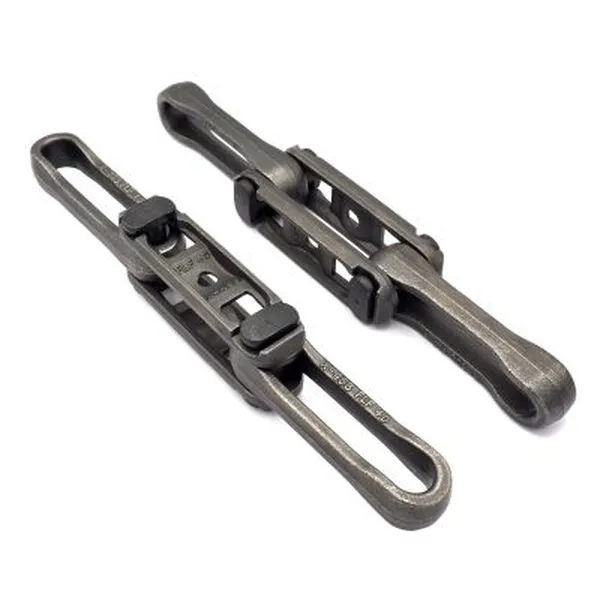
What are the advantages of using a slat conveyor chain?
A slat conveyor chain offers several advantages in material handling and conveying applications. Here are some key benefits:
1. Heavy-Duty Capacity:
– Slat conveyor chains are designed to handle heavy loads and can withstand rigorous industrial environments.
– They are commonly used in applications that require transporting large, bulky, or irregularly shaped items, such as automotive parts, pallets, or containers.
2. Flexibility:
– Slat chains can be customized and configured to suit specific conveying requirements. They are available in various widths, lengths, and chain configurations to accommodate different product sizes and shapes.
– The modular design of slat chains allows for easy modification or expansion of the conveyor system as production needs change.
3. Versatility:
– Slat chains can be used in both horizontal and inclined conveying applications. They are capable of moving products up or down slopes, making them suitable for production lines with varying elevations.
– These chains can be integrated with curves, turns, merges, and diverters to create complex conveying systems that optimize space utilization and product flow.
4. Durability and Longevity:
– Slat chains are typically made from robust materials such as steel or plastic, providing excellent durability and resistance to wear and tear.
– They can withstand demanding operating conditions, including high temperatures, corrosive environments, or exposure to chemicals.
5. Low Maintenance:
– Slat conveyor chains require minimal maintenance compared to other types of conveyor systems. They have fewer moving parts and typically operate with reduced friction.
– With proper lubrication and periodic inspection, slat chains can maintain their performance and reliability over an extended service life.
6. Easy Cleaning:
– The open design of slat chains allows for easy cleaning and debris removal. They are suitable for applications that require frequent sanitation or hygiene maintenance, such as in food processing or pharmaceutical industries.
Overall, using a slat conveyor chain offers the advantages of high load capacity, flexibility in design, versatility in conveying applications, durability, low maintenance requirements, and ease of cleaning. These features make slat chains an effective solution for various industries requiring efficient and reliable material handling.

How does a conveyor chain contribute to overall production efficiency?
A conveyor chain plays a crucial role in enhancing overall production efficiency in various industries. Here are the ways in which it contributes to efficiency:
1. Continuous Material Flow: A conveyor chain enables continuous and uninterrupted material flow from one point to another. It eliminates the need for manual handling or transportation of goods, reducing downtime and delays in production processes.
2. Increased Throughput: By automating material handling, a conveyor chain enables faster and more efficient movement of goods. It allows for higher throughput and production rates, maximizing the utilization of resources and reducing cycle times.
3. Improved Productivity: With a conveyor chain, employees can focus on value-added tasks rather than manual material handling. This leads to improved productivity as workers can concentrate on more skilled and critical operations.
4. Efficient Resource Allocation: A well-designed conveyor chain system optimizes the utilization of space, allowing for efficient layout and organization of production areas. It helps in streamlining workflow and minimizing wastage of resources such as floor space, manpower, and equipment.
5. Quality Control: Conveyor chains can be integrated with inspection stations or automated processes to ensure quality control at various stages of production. This helps in detecting and rectifying any defects or inconsistencies, reducing the chances of faulty products reaching the market.
6. Reduced Material Handling Costs: By eliminating or minimizing manual material handling, a conveyor chain reduces labor costs associated with transportation, lifting, and carrying of goods. It also minimizes the risk of injuries or accidents related to manual handling.
7. Flexibility and Adaptability: Conveyor chains can be customized to suit specific production requirements. They can be designed to accommodate different types of products, handle various load capacities, and adapt to changes in production demands. This flexibility allows for seamless integration with existing production systems and easy scalability.
8. Safety and Ergonomics: Conveyor chains incorporate safety features such as guards, emergency stop buttons, and interlocks to ensure worker safety. They also promote ergonomic practices by reducing physical strain on workers and minimizing the risk of musculoskeletal injuries.
Overall, a well-designed and properly maintained conveyor chain system enhances production efficiency by optimizing material flow, increasing throughput, improving productivity, reducing costs, ensuring quality control, and prioritizing worker safety.
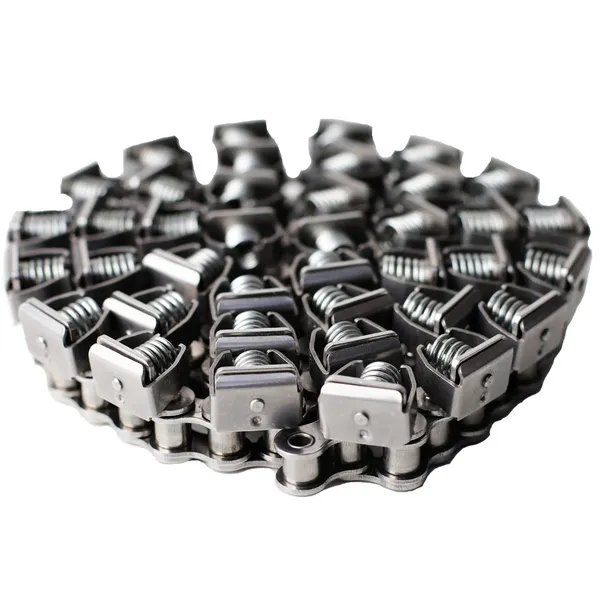
Qual è la capacità di carico di una catena di trasporto?
La capacità di carico di una catena di trasporto dipende da diversi fattori, tra cui il design della catena, il materiale, le dimensioni e le condizioni operative. È fondamentale considerare i requisiti specifici dell'applicazione quando si determina la capacità di carico di una catena di trasporto. Ecco alcuni fattori chiave da considerare:
- Design della catena: Le diverse tipologie di catene per nastri trasportatori hanno capacità di carico variabili. La progettazione della catena include fattori quali il tipo di maglie, la loro configurazione e la presenza di accessori o rulli.
- Materiale: Il materiale utilizzato per la fabbricazione della catena di trasporto influisce notevolmente sulla sua capacità di carico. I materiali più comuni includono acciaio, acciaio inossidabile e plastica. Le catene in acciaio sono generalmente più robuste e hanno una maggiore capacità di carico.
- Dimensioni della catena: Le dimensioni della catena di trasporto, inclusi il passo e la larghezza, influiscono sulla sua capacità di carico. Le catene più grandi con maglie più larghe tendono ad avere una maggiore capacità di carico.
- Condizioni operative: Fattori quali la velocità del nastro trasportatore, il tipo e il peso dei materiali trasportati e le condizioni ambientali (temperatura, umidità, ecc.) possono influire sulla capacità di carico della catena.
- Specifiche del produttore: È fondamentale consultare le specifiche e le linee guida del produttore per la catena di trasporto specifica che si intende utilizzare. I produttori in genere forniscono tabelle o grafici di capacità di carico basati sui loro modelli di catena.
La capacità di carico di una catena di trasporto viene generalmente specificata in termini di carico di lavoro massimo consentito o resistenza alla rottura. Questi valori vengono determinati attraverso rigorosi test e calcoli ingegneristici. Per garantire un funzionamento sicuro ed efficiente, è importante selezionare una catena di trasporto con una capacità di carico adeguata all'applicazione prevista. Il superamento della capacità di carico raccomandata può causare usura precoce, rottura della catena e potenziali rischi per la sicurezza.


editor by CX 2024-05-06