Opis produktu
About Factory
With more than 18 years’ histiory, we are a professinal manufacturer for drop forged products such as forged chain (X348 X458 X658 X678 X698 F100 F160), scraper chain (10160, 14218, 14226, 142N), conveyor trolley (X348, X458, X678, XT160), and drive chain (X348, X458, X678), and so forth standard moulds of chain.
Besides, we can also produce as per your drawing or sample, special link chain, pusher, pin and plate, according to customers’ unique requirements.
Opis produktu
1) Material: Alloy steel, 40Cr, 42CrMo and so on.
2) Types: X348 X458 X658 X678 X698 F100 F160, and so on. (Or as per your drawing)
3) Process: Moulding→Forging→Polishing & Blasting→Fine machining→Heat treatment→Blasting→Inspecting & testing→Packing
Product Show
Technical Data
| Model | Poziom | Dimension | Lateral Corner | Standard Measured Length (mm) | Measured Quantity | Tensile Strength (KN) | Weight (Kg/m) | |||||
| A | F | G | J | K | S | |||||||
| 80H | 80 | 73 | 42 | 18.4 | 20 | 34.5 | 19.5 | 7 | 3032/3058 | 38 | 250 | 7.8 |
| X348 | 76.6 | 46 | 27 | 12.7 | 12.7 | 20.6 | 13.5 | 9 | 3050.5/3095.2 | 40 | 110 | 3.2 |
| X458 | 102.4 | 57 | 37 | 16 | 16 | 26.5 | 17.5 | 9 | 3063.1/3090.2 | 30 | 210 | 5.2 |
| 468H | 102.4 | 84.1 | 47.8 | 18 | 29.5 | 42.9 | 22.2 | 9 | 3063.1/3090.2 | 30 | 318 | 11.5 |
| X658 | 153.2 | 55.6 | 35 | 16 | 16 | 57.2 | 17.5 | 7 | 3055.1/3082.8 | 20 | 210 | 4 |
| X678 | 153.2 | 77 | 50.8 | 22.2 | 21 | 34.2 | 25 | 7 | 3055.1/3082.8 | 20 | 320 | 9.5 |
| 678 | 153.2 | 77 | 50.8 | 22.2 | 21 | 34.2 | 25 | 7 | 3055.1/3082.8 | 20 | 320 | 9.5 |
| 698 | 153.2 | 95.25 | 64 | 28 | 25.4 | 41.3 | 32 | 5 | 3055.1/3082.8 | 20 | 515 | 17 |
| 998 | 229.4 | 95.25 | 67.5 | 28 | 25.4 | 41.3 | 32 | 5 | 3205/3232.4 | 13 | 515 | 14.8 |
| 9118 | 229.4 | 123.8 | 76.2 | 35 | 33.5 | 52 | 38.1 | 5 | 3205/3232.4 | 13 | 832 | 24.2 |
| S348 | 76.6 | 38.9 | 28.6 | 12.7 | 12.7 | 20.6 | 13.5 | 9 | 3050.5/3095.2 | 40 | 110 | 3.2 |
| S458 | 102.4 | 52.1 | 35 | 16 | 16 | 26.5 | 17.5 | 9 | 3063.1/3090.2 | 30 | 210 | 5.2 |
| S678 | 153.2 | 69.8 | 50.8 | 22.2 | 21 | 34.2 | 25 | 7 | 3055.1/3082.8 | 20 | 320 | 9.5 |
| S698 | 153.2 | 73 | 68.3 | 28 | 25.4 | 41.3 | 32 | 5 | 3055.1/3082.8 | 20 | 515 | 17 |
| S9118 | 229.4 | 98.4 | 77.8 | 35 | 33.5 | 52 | 38.1 | 5 | 3205/3232.4 | 13 | 832 | 24.2 |
| F100 | 100 | 57 | 37 | 16 | 16 | 26.5 | 17.5 | 9 | 2991.3/3018.3 | 30 | 210 | 5.2 |
| F160 | 160 | 78 | 54 | 24 | 20.5 | 36 | 28 | 7 | 3190.7/3219.5 | 20 | 318 | 10.3 |
Products & Testing Equipments
Products Application
Packing & Delivery
Why Choose Us?
1. We are engaged in chain industry over 15 years with rich market experience. We keep improving production techniques. All the products have longer working life and have passed the market test.
2. We can design the correct chains with high quality material, good abrasion resistance, good corrosion, high strengthen and etc as per your request or the chain application.
3. We are the chain manufacturer; you can directly purchase the product from us with low price and high quality.
4. We have a professional team for international trade, they have abundant experiences and are always ready to solve problems for customers. So you have nothing to worry about.
5. We have the long-term cooperative forwarder who can give us the lowest freight. And it can help you to save the freight. What’s more, for the FCL, we will design the packages as per the container sizes with the largest capacity to save the shipping cost for both of us.
| Tworzywo: | Stop |
|---|---|
| Struktura: | Combined Chain |
| Obróbka powierzchni: | Polerowanie |
| Rozmiar łańcucha: | 1/2"*11/128" |
| Funkcja: | Fire Resistant, Oil Resistant, Heat Resistant |
| Certyfikat: | SGS and ISO Standard |
| Próbki: | US$ 5/Piece 1 sztuka (minimalne zamówienie) | |
|---|
| Personalizacja: | Dostępny | Spersonalizowane żądanie |
|---|
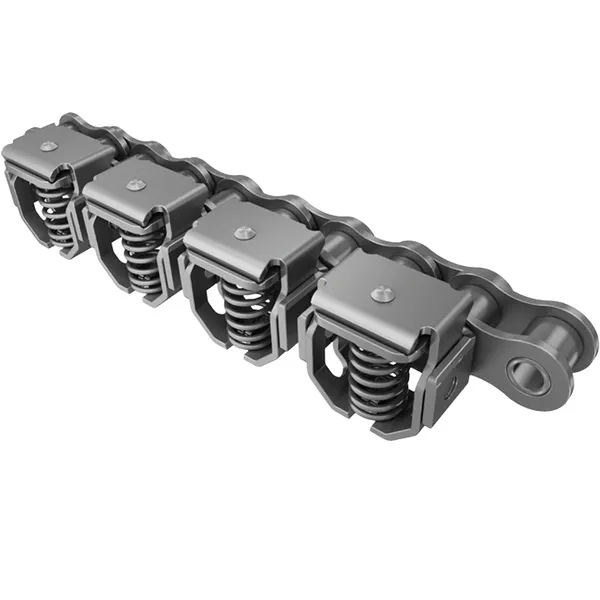
Jakie są korzyści ze stosowania systemu przenośników łańcuchowych nadziemnych?
Zastosowanie systemu przenośników łańcuchowych nadziemnych oferuje szereg korzyści w różnych zastosowaniach przemysłowych. Oto kilka kluczowych zalet:
1. Optymalizacja przestrzeni:
– Systemy przenośników łańcuchowych nadziemnych wykorzystują przestrzeń pionową, umożliwiając efektywne wykorzystanie powierzchni podłogi. Jest to szczególnie korzystne w obiektach o ograniczonej powierzchni, ponieważ umożliwia sprawne przemieszczanie materiałów i przepływ produkcji bez blokowania przestrzeni roboczej.
2. Elastyczność i wszechstronność:
– Łańcuchy przenośników podwieszanych oferują elastyczność w prowadzeniu i mogą być dostosowane do specyficznych wymagań układu obiektu. Mogą one przebiegać przez różne obszary, w tym linie montażowe, kabiny lakiernicze, magazyny i inne. Wszechstronność systemów podwieszanych pozwala na wydajny i elastyczny transport materiałów.
3. Poprawa bezpieczeństwa:
– Łańcuchy przenośników nadziemnych minimalizują przeszkody na poziomie gruntu, zmniejszając ryzyko potknięcia się i wypadków. Operatorzy i pracownicy mogą bezpiecznie poruszać się po obszarze roboczym bez zakłóceń ze strony systemu przenośników.
4. Ochrona produktu:
– Łańcuchy przenośników nadziemnych zapewniają lepszą ochronę transportowanych produktów. Utrzymując produkty w pozycji uniesionej i z dala od potencjalnych zagrożeń na podłodze, takich jak kurz, zanieczyszczenia czy rozlane płyny, zmniejsza się ryzyko uszkodzenia lub zanieczyszczenia produktu.
5. Zwiększona wydajność:
– Systemy przenośników podwieszanych mogą zwiększyć wydajność produkcji, ułatwiając ciągły przepływ materiałów i redukując konieczność ręcznej obsługi. Umożliwiają one zautomatyzowany załadunek i rozładunek materiałów, co przekłada się na krótszy czas przetwarzania i poprawę ogólnej wydajności.
6. Łatwa konserwacja:
– Łańcuchy przenośników podwieszanych są zazwyczaj projektowane z myślą o łatwej konserwacji. Dostęp do takich komponentów jak łańcuchy, wózki i napędy oraz ich serwisowanie są wygodne, co minimalizuje przestoje i koszty konserwacji.
7. Dostosowywanie i integracja:
– Łańcuchy przenośników podwieszanych można dostosować do konkretnych wymagań aplikacji, w tym nośności, prędkości i systemów sterowania. Można je również zintegrować z innymi systemami zautomatyzowanymi, takimi jak stanowiska robotyczne lub mechanizmy sortujące, w celu dalszej optymalizacji procesu transportu materiałów.
Ogólnie rzecz biorąc, zastosowanie podwieszonego systemu przenośników łańcuchowych zapewnia wydajną obsługę materiałów, maksymalizuje wykorzystanie przestrzeni, zwiększa bezpieczeństwo i podnosi wydajność w środowiskach przemysłowych.
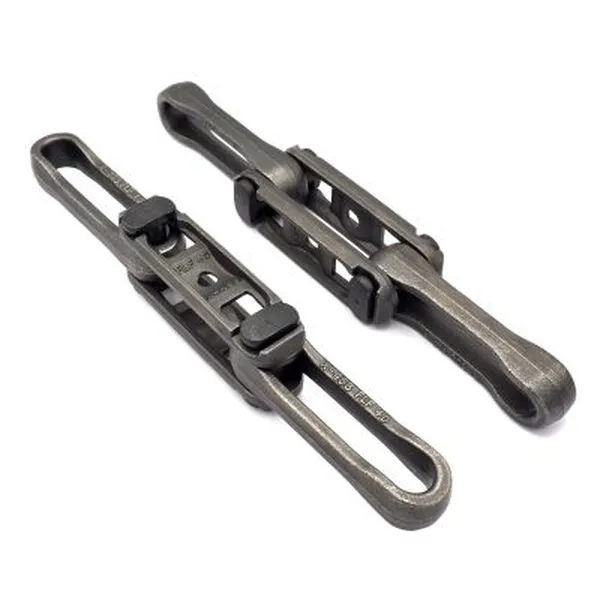
What are the safety measures for working with heavy-duty conveyor chains?
Working with heavy-duty conveyor chains requires strict adherence to safety measures to protect the workers and maintain a safe working environment. Here are some important safety measures to consider:
1. Proper Training: All personnel involved in working with conveyor chains should receive comprehensive training on the safe operation and maintenance of the equipment. This includes understanding the potential hazards, safety procedures, and proper use of personal protective equipment (PPE).
2. Equipment Inspection: Regular inspection of the conveyor chain and associated components is crucial to identify any signs of wear, damage, or malfunction. This includes checking for loose fasteners, worn sprockets, misalignment, and any other potential hazards. Any issues should be addressed promptly to prevent accidents.
3. Lockout/Tagout: Before performing any maintenance or repair tasks on the conveyor chain, proper lockout/tagout procedures must be followed. This ensures that the equipment is de-energized and isolated from any power source to prevent accidental startup or movement.
4. Personal Protective Equipment (PPE): Workers should wear appropriate PPE, including safety glasses, gloves, steel-toed boots, and hearing protection. The specific PPE requirements may vary depending on the nature of the work and the potential hazards involved.
5. Safe Work Practices: Workers should follow safe work practices, such as avoiding loose clothing or jewelry that can get caught in the chain, keeping hands and clothing clear of moving parts, and using proper lifting techniques when handling heavy loads.
6. Emergency Stop Systems: Conveyor systems should be equipped with emergency stop buttons or pull cords that allow workers to quickly stop the chain in case of an emergency or hazardous situation.
7. Regular Maintenance: Scheduled maintenance and lubrication of the conveyor chain should be performed according to the manufacturer’s recommendations. This helps to ensure optimal performance and minimize the risk of unexpected failures.
8. Clear Warning Signs and Labels: Proper signage, warning labels, and safety instructions should be clearly displayed near the conveyor chain system to remind workers of potential hazards and safe operating procedures.
9. Regular Safety Training and Communication: Ongoing safety training and communication among the workforce are vital to reinforce safe practices and raise awareness of any changes or updates to safety protocols.
By implementing these safety measures and fostering a safety-conscious culture, the risks associated with working with heavy-duty conveyor chains can be minimized, ensuring the well-being of the workers and the efficient operation of the equipment.
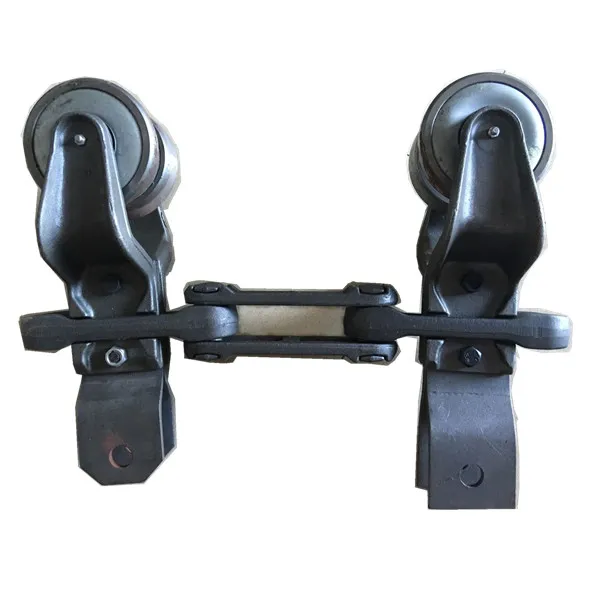
What lubrication is recommended for conveyor chains?
Choosing the right lubrication for conveyor chains is crucial for maintaining their performance and extending their lifespan. Here are some commonly recommended lubricants:
- Chain Oil: Chain oil is specifically designed for lubricating conveyor chains. It provides excellent lubrication, reduces friction, and helps prevent wear and corrosion. Chain oils come in various viscosities to suit different operating conditions.
- Synthetic Lubricants: Synthetic lubricants, such as synthetic oils and greases, offer enhanced performance and durability. They have excellent temperature stability, high resistance to oxidation and degradation, and superior lubricating properties. Synthetic lubricants are suitable for applications with high temperatures, heavy loads, or extreme operating conditions.
- Food-Grade Lubricants: For conveyor chains used in food processing or other industries with strict hygiene requirements, food-grade lubricants are recommended. These lubricants are formulated to be safe for incidental food contact and comply with relevant regulations and standards.
- Dry Film Lubricants: In certain applications where liquid lubricants are not suitable, such as dusty or dirty environments, dry film lubricants can be used. These lubricants form a protective coating on the chain surfaces, reducing friction and preventing wear.
When selecting a lubricant, consider the operating conditions, such as temperature, speed, load, and environmental factors. Consult the manufacturer’s recommendations and guidelines to ensure you choose the appropriate lubrication product for your specific conveyor chain. Regularly monitor the lubrication levels and reapply as needed to maintain optimal chain performance.


editor by CX 2023-07-26