Описание продукта
| Item | Leaf Chains | Приложение | Machinery Parts |
| Surface Teatment | Self-color/Sand-blasted/Shot-peening | Бренд | OEM |
| Упаковка | Poly bag, then box, finally poly-wooden case | Порт | Любой морской порт или аэропорт в Китае |
| Размер | LH: LH0822,LH0823,LH571,LH0844,LH0846,LH0866,LH 0571 ,LH1571,LH1571,LH1034,LH1044, LH1046,LH1066,LH1088,LH1222,LH1223,LH1234,LH1244,LH1246,LH1266,LH1288,LH1622, LH1623,LH1634,LH1644,LH1646,LH1666,LH1688,LH2571,LH2571,LH2034,LH2044,LH2046, LH2066,LH2088,LH2422,LH2423,LH2434,LH2444,LH2446,LH2466,LH2488,LH2822,LH2823, LH2834,LH2844,LH2846,LH2866,LH2888,LH3222,LH3223,LH3234,LH3244,LH3246,LH3266, LH3288,LH4571,LH4571,LH4034,LH4044,LH4046,LH4066,LH4088 BL: BL422,BL423,BL434,BL444,BL446,BL488,BL522,BL523,BL534,BL544,BL546,BL566,BL588, BL622,BL623,BL634,BL644,BL646,BL688,BL822,BL823,BL834,BL844,BL846,BL866,BL888, BL1571,BL1571,BL1034,BL1044,BL1046,BL1088,BL1222,BL1223,BL1234,BL1244,BL1246, BL1266,BL1288,BL1422,BL1423,BL1434,BL1444,BL1446,BL1488,BL1622,BL1623,BL1634, BL1644,BL1646,BL1666,BL1888,BL2571,BL2571,BL2034,BL2044,BL2046,BL2088 LL: LL0622,LL0644,LL0666,LL0822,LL0844,LL0866,LL 0571 ,LL1571,LL1044,LL1066,LL1088,LL1222 LL1244,LL1266,LL1288,LL1622,LL1644,LL1666,LL1688,LL2571,LL2044,LL2066,LL2088,LL2422 LL2444,LL2466,LL2488,LL2822,LL2844,LL2866,LL2888,LL3222,LL3244,LL3266,LL3288,LL4571 LL4044,LL4066,LL4088,LL4822,LL4844,LL4866,LL4888 AL: AL322,AL344,AL422,AL444,AL466,AL522,AL534,AL544,AL566,AL622,AL644,AL666,AL688 AL822,AL844,AL866,AL888,AL1571,AL1044,AL1066,AL1088,AL1222,AL1244,AL1266,AL1288, AL1444,AL1466,AL1644,AL1666,AL1688 FL: FL644,FL666,FL688,FL523,FL844,FL922,FL944,FL945,FL956,FL966,FL988 | ||
| Материал: | Iron |
|---|---|
| Структура: | Цепь листьев |
| Обработка поверхности: | Полировка |
| Размер цепочки: | P9.525-P76.20 |
| Особенность: | Огнестойкий, маслостойкий, термостойкий |
| Транспортный пакет: | Poly Bag, Box, Poly-Wooden Case |
| Образцы: | US$ 10/Several Links 1 Several Links(Min.Order) | |
|---|
| Настройка: | Доступный | Индивидуальный запрос |
|---|
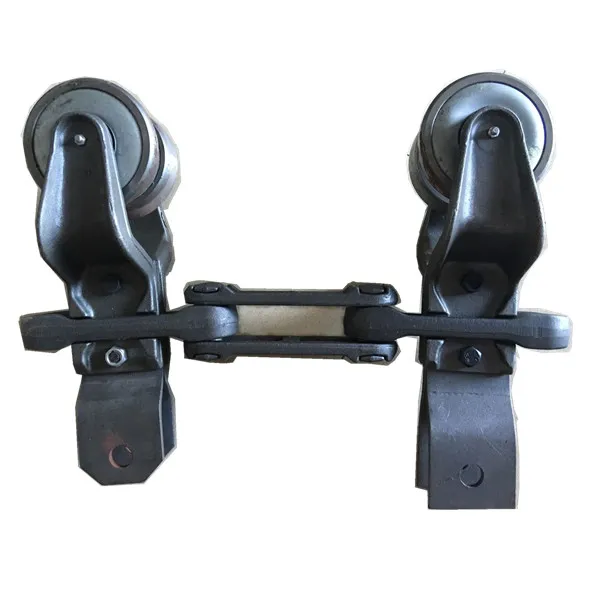
Как рассчитать необходимую мощность для привода конвейерной цепи?
Расчет необходимой мощности для цепного привода конвейера включает в себя учет различных факторов, связанных с конвейерной системой и конкретным применением. Вот пошаговый процесс:
1. Определите общее сопротивление:
– Рассчитайте общее сопротивление, которое должна преодолевать конвейерная цепь во время работы. Это включает в себя сопротивление, обусловленное транспортируемым грузом, потери на трение, перепады высот и любые другие сопротивления в системе.
2. Преобразуйте сопротивление в эквивалентную инерцию:
– Преобразуйте общее сопротивление в эквивалентный момент инерции, умножив его на квадрат скорости цепи.
3. Рассчитайте полный момент инерции:
– Определите полный момент инерции системы, учитывая инерцию всех вращающихся компонентов, таких как конвейерная цепь, звездочки и любые другие приводные элементы.
4. Определите требуемый крутящий момент:
– Рассчитайте необходимый крутящий момент, умножив полный момент инерции на желаемую скорость ускорения или замедления.
5. Преобразование крутящего момента в лошадиные силы:
– Для перевода требуемого крутящего момента в лошадиные силы разделите его на скорость вращения двигателя (в об/мин) и умножьте на коэффициент перевода.
6. Учитывайте коэффициенты безопасности и эффективность:
– Примените коэффициенты запаса прочности к рассчитанной мощности, чтобы учесть возможные отклонения, непредвиденные обстоятельства и будущий рост.
– Необходимо учитывать эффективность приводной системы, включая двигатель, редуктор и другие компоненты трансмиссии, чтобы обеспечить точную передачу мощности.
Важно отметить, что приведенный выше метод расчета дает приблизительную оценку необходимой мощности. Для точных расчетов и обеспечения соответствия выбранного цепного привода конвейера требованиям конкретного применения рекомендуется проконсультироваться с производителями конвейерных систем, инженерами или ознакомиться с отраслевыми рекомендациями.
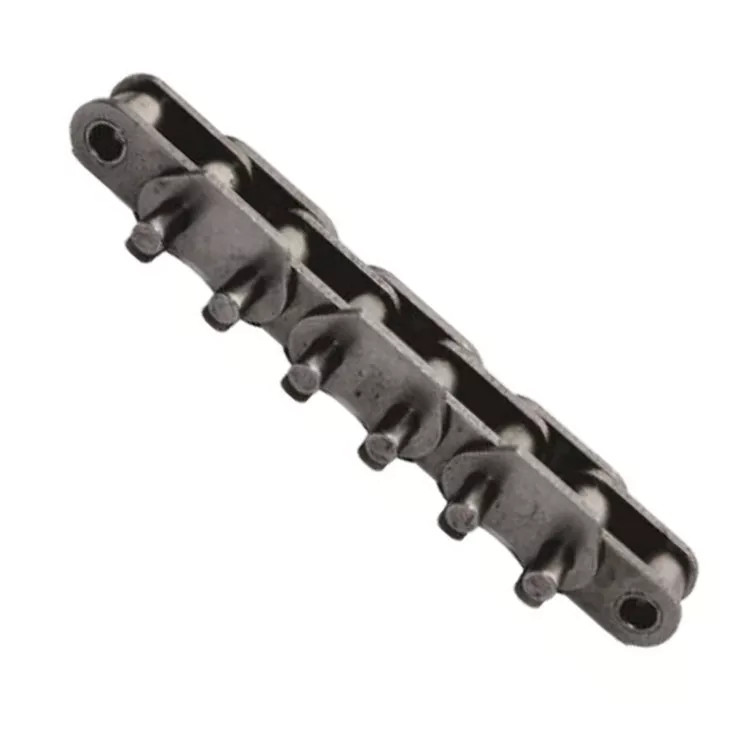
How does a conveyor chain handle different types of materials?
A conveyor chain is designed to handle a wide variety of materials in diverse industrial applications. It is capable of efficiently transporting different types of materials, including:
1. Bulk Materials: Conveyor chains are commonly used to handle bulk materials such as grains, coal, ores, aggregates, and powders. The design of the chain, including the spacing and shape of the links, helps prevent material spillage and ensures smooth and consistent flow.
2. Packaged Goods: Conveyor chains are also used for conveying packaged goods such as boxes, cartons, crates, and pallets. They provide a stable and reliable method of transporting these items along the production line, reducing manual handling and increasing productivity.
3. Small Parts: Conveyor chains with specialized attachments or small-pitch configurations are suitable for handling small parts or components. These chains ensure precise positioning and gentle transport of delicate or intricate items.
4. Heavy-Duty Loads: Industrial conveyor chains are capable of handling heavy-duty loads, such as automotive parts, machinery components, and large equipment. They are engineered to withstand the weight and stress of these objects, providing reliable and efficient material handling in demanding environments.
5. Food and Beverage Products: Conveyor chains used in the food and beverage industry are designed to meet strict hygiene and safety standards. They are constructed from materials that are resistant to corrosion, easy to clean, and compliant with food-grade regulations. These chains ensure the safe and contamination-free handling of food products.
6. Hazardous Materials: Conveyor chains can be used to safely transport hazardous materials, such as chemicals or waste products. Specialized chains with additional safety features, such as sealed housings or containment systems, are utilized to minimize the risk of spills or leaks.
Conveyor chains can be customized with different chain configurations, attachments, and accessories to accommodate specific material characteristics and handling requirements. The selection of the appropriate chain type, material, and design parameters ensures optimal performance and efficient material handling for a wide range of materials.
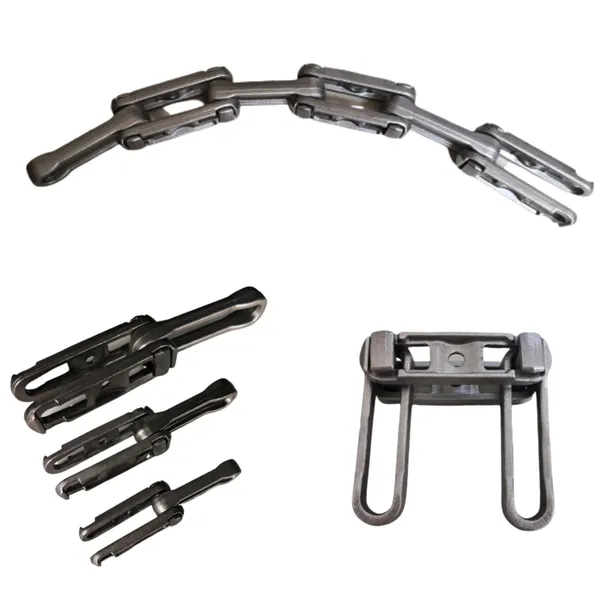
Какой уровень шума связан с конвейерными цепями?
Уровень шума, связанный с конвейерными цепями, может варьироваться в зависимости от нескольких факторов:
1. Тип цепи: Различные типы конвейерных цепей производят разный уровень шума. Например, роликовые цепи, как правило, издают больше шума по сравнению с бесшумными цепями или пластиковыми модульными цепями.
2. Скорость: Скорость работы конвейерной цепи может влиять на уровень шума. Более высокие скорости, как правило, приводят к увеличению шума из-за ударов и трения между цепью и другими компонентами.
3. Состояние цепи: Состояние конвейерной цепи влияет на уровень шума. Изношенные или неправильно обслуживаемые цепи могут создавать больше шума из-за повышенного трения и вибрации.
4. Окружающая среда: На уровень шума также может влиять среда, в которой работает конвейерная система. Такие факторы, как наличие другого оборудования, акустика помещения и меры по звукоизоляции, могут повлиять на общий уровень шума.
5. Конструкция и компоненты: Конструкция конвейерной системы и выбор компонентов могут влиять на уровень шума. Такие факторы, как использование шумопоглощающих материалов, правильная центровка компонентов и меры по гашению вибрации, могут помочь снизить уровень шума.
Важно отметить, что чрезмерный уровень шума на рабочем месте может негативно сказаться на самочувствии сотрудников и потребовать принятия мер по снижению шума в соответствии с правилами охраны труда и техники безопасности. Внедрение стратегий снижения шума, таких как использование шумопоглощающих материалов, обеспечение надлежащей смазки, поддержание натяжения цепи и применение методов виброизоляции, может помочь минимизировать шум, связанный с конвейерными цепями.


editor by CX 2023-07-21