Advanced Heavy-Duty Scraper Chain for Oil Press Plants: Conveying Soybeans, Peanuts, and Extracted Meal in UK Facilities
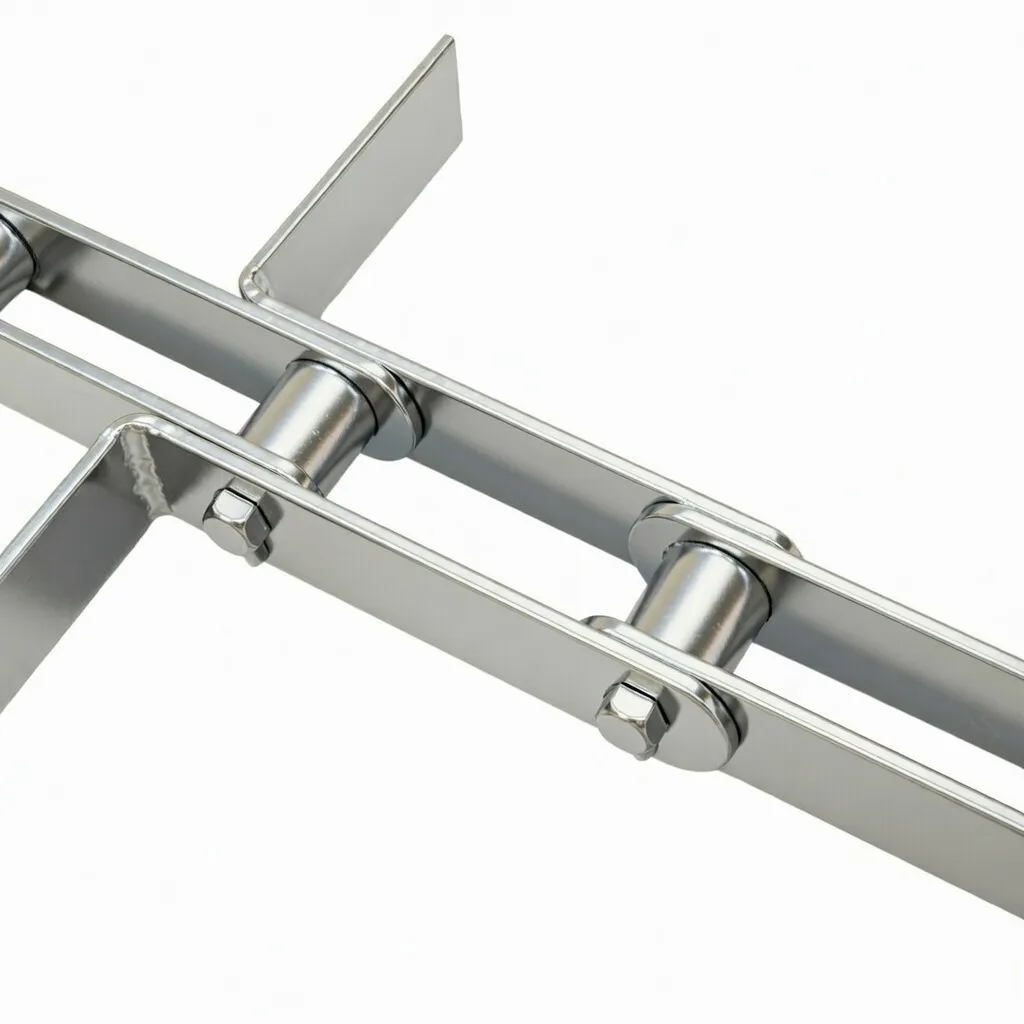 Navigating the high-volume, continuous processing environments of modern agricultural commodity extraction requires robust material handling infrastructure that can withstand immense mechanical stress and relentless continuous operation. Within the complex architecture of modern oil press plants across the United Kingdom, the transportation of raw oilseeds such as soybeans and peanuts, alongside the subsequent movement of abrasive extracted soybean meal, demands a conveying medium of uncompromising durability and precision. The operational landscape of an oilseed crushing facility involves fluctuating moisture levels, significant abrasive dust generation, and the presence of volatile organic solvents during the extraction phase, all of which pose severe challenges to standard conveying equipment. Implementing an optimally engineered scraper chain is the definitive mechanical solution for managing these demanding bulk materials, ensuring seamless transfer from intake silos through the prep plant, into the solvent extraction vessels, and onward to the final meal cooling and storage stages. A meticulously designed scraper chain provides the essential tensile strength and wear resistance required to maintain maximum plant uptime, drastically reducing the risk of catastrophic mechanical failures that can halt entire production lines and result in severe financial losses for bulk agricultural processors. Engineers designing conveying systems for the heavy industrial sectors must prioritize components forged from superior metal alloys, heat-treated to exact specifications, to guarantee that the scraper chain delivers an extended operational lifespan even when subjected to the abrasive nature of peanut shells and the dense, compacted characteristics of heavily processed soybean meal.
Core Operational Principles and Advanced Material Engineering
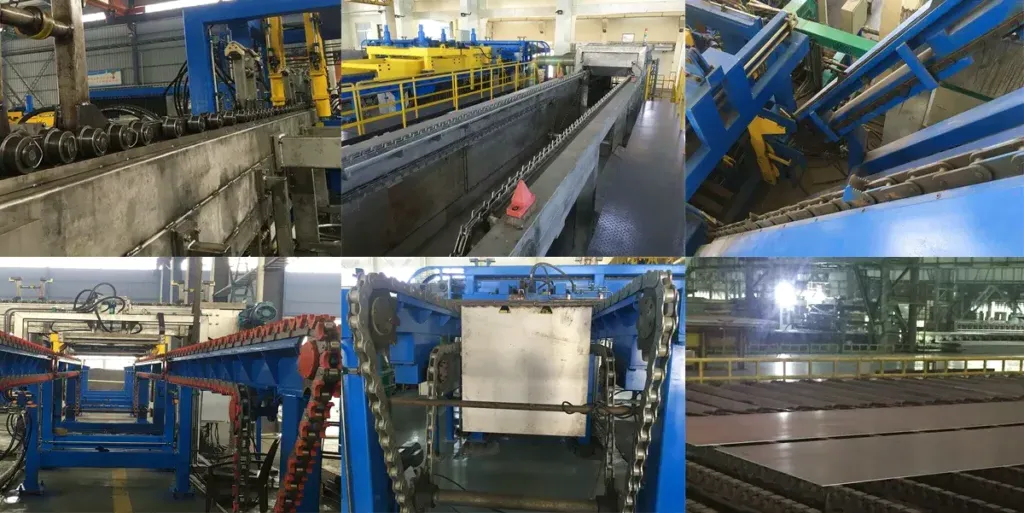
The fundamental mechanics governing the operation of a high-performance scraper chain revolve around the principle of mass movement within a fully enclosed, dust-tight trough structure, which is vital for compliance with stringent atmospheric and safety regulations in contemporary processing environments. As the heavy-duty power transmission system drives the head sprocket, the continuous loop of the scraper chain is pulled through the casing, utilizing specifically engineered flight attachments to physically drag the bed of bulk oilseeds or granular meal along the bottom plate of the conveyor. The efficiency of this enclosed drag process relies heavily on the internal friction of the conveyed agricultural commodity itself, allowing deep beds of soybeans or dense masses of solvent-laden extracted meal to move uniformly without internal turbulence, thereby minimizing kernel breakage and preserving the vital oil-bearing structures of the seeds prior to flaking. Material degradation is a critical concern in peanut and soybean processing, as broken kernels generate excess fines that complicate the percolation of hexane in the extractor, meaning the gentle yet forceful en-masse conveying action provided by a premium scraper chain directly contributes to the overall efficiency and yield of the entire chemical extraction protocol. The enclosed nature of this conveying methodology also serves as a robust containment measure against the dispersion of potentially explosive organic dust, ensuring that processing facilities adhering to strict safety protocols maintain a secure operating environment while processing thousands of metric tons of agricultural commodities daily.
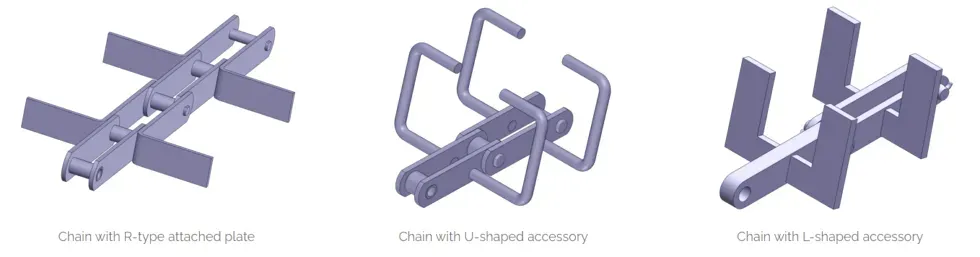
Metallurgical superiority dictates the functional longevity of any conveying component subjected to the ceaseless abrasion inherent in transporting silica-laced agricultural husks and dense, dried meal. A state-of-the-art scraper chain deployed in these brutal industrial arenas is typically forged from high-grade alloy steels, undergoing sophisticated multi-stage heat treatment processes to achieve a distinct hardness gradient across the component’s geometry. The external surfaces of the pins, bushes, and sidebars are heavily carburized and quenched to attain exceptional surface hardness, creating a formidable barrier against abrasive wear caused by the constant sliding friction against the trough and the grinding action of the oilseed materials themselves. Conversely, the internal core of these steel components is strategically tempered to retain high toughness and ductility, enabling the scraper chain to absorb the massive shock loads and tensile spikes that occur during system start-ups under full load or when foreign dense objects inadvertently enter the material stream. The implementation of specialized polymers, such as Ultra-High-Molecular-Weight Polyethylene (UHMWPE) for the attachment flights, further reduces the coefficient of friction against the steel casing, decreasing the overall electrical energy consumption of the driving motors and significantly dampening the acoustic footprint of the conveying operation within the noisy plant environment.
Technical Performance and Configuration Parameters
| Teknisk parameter | Specification / Material Value | Operational Benefit for Oil Pressing |
|---|---|---|
| Base Link Material | Drop-Forged Alloy Steel (e.g., 20CrMnTi) | Provides maximum breaking load capacity for heavy bulk conveying. |
| Stiftytans hårdhet | 55 – 62 HRC (Carburized & Quenched) | Resists extreme abrasion from peanut shells and silica particles. |
| Draghållfasthet | 120 kN to over 800 kN (Model Dependent) | Prevents elongation under continuous high-capacity plant loads. |
| Flighting Attachments | Welded Steel with optional UHMWPE pads | Ensures gentle handling of soybeans, minimizing kernel breakage. |
| Operational Temperature Range | -20 C to +250 C | Ideal for moving hot, desolventized toasted meal from the DT unit. |
Unparalleled Engineering Advantages in Processing Operations
Integrating an industrial-grade scraper chain into the infrastructure of a commercial oilseed crushing plant yields a multitude of profound operational and economic advantages, driving the efficiency metrics of the entire facility upward. The completely enclosed casing design is paramount, practically eliminating the fugitive emissions of fine agricultural dust and preventing the spillage of valuable raw materials, maintaining strict hygiene standards that are legally mandated in modern food and feed production environments. Because the continuous drag action of the scraper chain relies on moving the entire bed of material as a singular mass rather than agitating individual particles, the mechanical stress applied to delicate soybean structures is vastly minimized, preserving the crucial cellular integrity needed for optimal chemical extraction later in the process. The inherent design geometry allows for highly flexible installation configurations, seamlessly accommodating horizontal conveying, steep inclines, and even complex multi-directional routing to navigate the dense, labyrinthine machinery layouts typical of legacy processing plants located near historic shipping ports. The robust, drop-forged construction of the primary moving parts guarantees an extraordinarily long mean time between failures (MTBF), slashing the substantial labor costs and production downtime associated with reactive maintenance and emergency belt replacements prevalent in alternative conveying methodologies.
The economic superiority of this technology becomes glaringly apparent when analyzing the total cost of ownership over a typical five-to-ten-year industrial depreciation cycle. Power transmission efficiency in a heavy-duty scraper chain system is remarkably high; the low-friction interactions facilitated by polymer wear strips and precision-machined steel joints mean that lower horsepower motors can be specified for enormous tonnage rates, drastically reducing the continuous electrical load demanded by the facility’s power grid. Safety is exponentially enhanced by the inherent design, as the lack of exposed moving parts protects plant floor personnel from entanglements, while the robust steel containment acts as a physical barrier against potential localized deflagrations in the solvent extraction hazardous zones. Plant managers heavily rely on the predictable, uniform volumetric discharge generated by these conveyors, which ensures that downstream processing equipment, such as the heavy crushing rollers and intricate flaking mills, are fed with a precisely metered, continuous stream of raw material, preventing choke-feeding and maximizing the extraction throughput of the entire integrated system.
Diverse Application Scenarios Across the Crushing Facility
The versatility of an expertly manufactured scraper chain permits its deployment across virtually every distinct stage of the rigorous oilseed extraction timeline, seamlessly adapting to dramatically shifting material characteristics from raw, abrasive intake to steaming, chemical-laden output. In the initial intake and cleaning stages, the conveying system must relentlessly manage immense volumes of whole soybeans and raw peanuts arriving directly from bulk carrier ships or massive agricultural freight trains, combating the severe abrasive forces exerted by entrained dirt, small stones, and tough organic husks. Moving deeper into the preparation plant, the scraper chain is tasked with the delicate transportation of cracked, dehulled, and conditioned meat portions of the seeds; here, maintaining the structural integrity of the oil-bearing cells is absolute paramount, requiring ultra-smooth flight movements and meticulously calibrated chain speeds to avoid the creation of detrimental fines. Once the material enters the highly volatile environment of the solvent extraction unit, the system faces entirely new engineering challenges, as it must operate faultlessly while submerged in explosive hexane vapors, demanding materials completely resistant to chemical degradation and mechanical designs that eliminate any possibility of friction-induced sparking.
Post-extraction processing represents perhaps the most severe operating theater for bulk material handling equipment due to the complex interplay of high temperatures, moisture, and extreme abrasion. The solvent-laden meal discharged from the main extractor must be continuously conveyed into the Desolventizer-Toaster (DT) units, where the scraper chain must perform reliably under intense steam heat and shifting pressure differentials without losing tensile strength or experiencing severe thermal distortion. Following the intense toasting and desolventizing phases, the extremely hot, dry, and highly abrasive finished soybean meal requires rapid transportation to massive cooling apparatuses and subsequent bulk storage silos, demanding a scraper chain featuring deeply case-hardened components capable of resisting the relentless grinding action of the coarse, granular protein product over millions of operational cycles. Every single transition point, elevation change, and horizontal run throughout this multi-staged industrial extraction process heavily relies on the predictable, unyielding performance of the installed scraper chain to transform raw global agricultural commodities into high-value vegetable oils and essential protein-rich animal feeds.
Transformational Success: Humber Estuary Agricultural Processing
Operating adjacent to one of the busiest deep-water trading ports in northern England, the Northern Agri-Crush facility serves as a critical node in the national supply of protein feeds, processing vast daily tonnages of bulk soybeans imported from the Americas to supply the robust livestock industries of Yorkshire and beyond. The facility historically suffered from catastrophic bottlenecks in their post-extraction meal conveying sector, where older, inferior linkage systems frequently snapped under the immense drag loads of hot, dense soybean meal, resulting in massive cascading failures that halted the entire solvent extraction process and accrued immense financial penalties in delayed maritime logistics. Recognizing the dire need for mechanical resilience, plant engineers collaborated closely to retrofit the entire three-hundred-meter meal transport gallery with a fully customized, heavy-duty drop-forged scraper chain, engineered specifically with advanced surface hardening to combat the intense friction generated by the abrasive dried feed material.
The operational transformation post-installation was immediate, profoundly stabilizing the production rhythm of the enormous facility and virtually eliminating the emergency maintenance interventions that had plagued the midnight operational shifts. By drastically increasing the tensile threshold and optimizing the geometrical engagement between the drive sprockets and the scraper chain, the mechanical stress distributed across the system was minimized, allowing the enormous plant to run continuously at absolute maximum design capacity without the constant shadow of impending equipment fracture. Within the first twelve months of continuous operation, documented plant uptime increased by an unprecedented margin, dramatically shifting the maintenance department’s focus from desperate reactive repairs to strategic preventative schedules, and significantly boosting the annual fiscal yield of the entire crushing enterprise.
“The continuous fracturing we experienced with standard linkages severely crippled our ability to process the massive soybean shipments arriving at the docks. Installing this heavy-duty scraper chain fundamentally stabilized our continuous extraction line. We are now hitting tonnage targets we previously thought impossible.”
— David R., Plant Operations Director, Humber Estuary
“From a purely metallurgical standpoint, the superior case hardening on these components is phenomenal. Our inspections after twelve months of dragging abrasive hot meal show virtually zero measurable wear on the primary pins and bearing surfaces of the scraper chain.”
— Sarah J., Lead Mechanical Maintenance Engineer
“When analyzing the total cost of ownership, the initial capital investment in this customized scraper chain was recouped within the first two quarters simply by eliminating the exorbitant costs of emergency replacement parts and unbudgeted weekend downtime.”
— Michael T., Procurement and Logistics Manager
Advanced Factory Capabilities and Bespoke Customization Services
Meeting the exacting demands of global agricultural processing conglomerates requires manufacturing facilities equipped with the absolute vanguard of metallurgical processing and precision machining technologies. Ever Power operates a state-of-the-art production complex dedicated exclusively to forging, treating, and assembling the most resilient industrial conveying components available on the global market, ensuring total mastery over every phase of the metallurgical transformation process. Our vast manufacturing floors are dominated by massive automated drop-forging presses that manipulate raw alloy steel billets under thousands of tons of pressure, aligning the internal grain structure of the metal to perfectly follow the complex contours of the heavy-duty links, resulting in a scraper chain with unparalleled resistance to catastrophic mechanical fatigue. The subsequent heat treatment protocols are tightly regulated within computer-controlled atmospheric furnaces, allowing our metallurgists to precisely dictate the depth of the carbon penetration during the carburization phase, tailoring the exact ratio of adamantine surface hardness to ductile core toughness required for any specific plant application.
True industrial excellence is rarely found in off-the-shelf solutions, which is why Ever Power strongly emphasizes our comprehensive bespoke customization capabilities, collaborating directly with structural engineers and plant managers to design conveying elements perfectly synchronized with their unique facility layouts. Whether an ancient peanut crushing facility near Liverpool requires highly specific, non-standard pitch dimensions to integrate with legacy drive sprockets, or a newly commissioned high-capacity soybean line demands radically modified flight geometries to manage extreme angles of incline, our engineering teams possess the deep domain expertise necessary to manifest those requirements into flawless steel reality. We offer granular control over every technical specification, from the selection of highly specialized stainless steel alloys required for corrosive chemical zones, to the exact spacing and material composition of the dragging attachments, guaranteeing that the final scraper chain deployed into your facility acts as an unyielding, optimized artery of continuous agricultural production.
Vanliga frågor om verksamheten
How much does a custom scraper chain cost for a high-capacity soybean oil press plant in the United Kingdom?
The exact price depends extensively on the required tensile strength, specific steel alloys, and total linear meters needed for your UK facility, but you should contact our technical sales team for an accurate, bespoke quotation tailored to your plant layout.
Where can I find a reliable industrial scraper chain supplier for peanut processing machinery near London?
Ever Power serves industrial agricultural clients directly across the entire United Kingdom, delivering heavily customized conveying linkages right to your processing facility, providing seamless logistics and rapid technical support for heavy machinery upgrades.
What is the expected lifespan of a heavy-duty scraper chain handling extracted soybean meal in British weather?
When properly lubricated and tensioned, a drop-forged linkage handling abrasive hot meal can effortlessly operate for several years before needing replacement, severely reducing your ongoing maintenance expenses in harsh indoor or outdoor industrial environments.
Which exact material specification is highly recommended to convey hexane-soaked soybean meal safely?
We strictly recommend utilizing our specialized spark-resistant alloys combined with UHMWPE polymer flight attachments to drastically mitigate any ignition risks while providing superb chemical resistance during the volatile solvent extraction phase of processing.
When should a facility manager request a quote to replace an aging conveyor chain on a crushing line?
You must request a technical assessment and a comprehensive quote immediately if your engineering team notices unusual pin elongation, heavy sidebar wear, or a significant increase in electrical draw from the main driving motors.
Meta Description:
Maximize UK oil press plant uptime with Ever Power’s custom heavy-duty scraper chain. Superior engineering for handling soybeans & meal. Get a quote today! edit by gzl