Опис продукту
Опис продукту
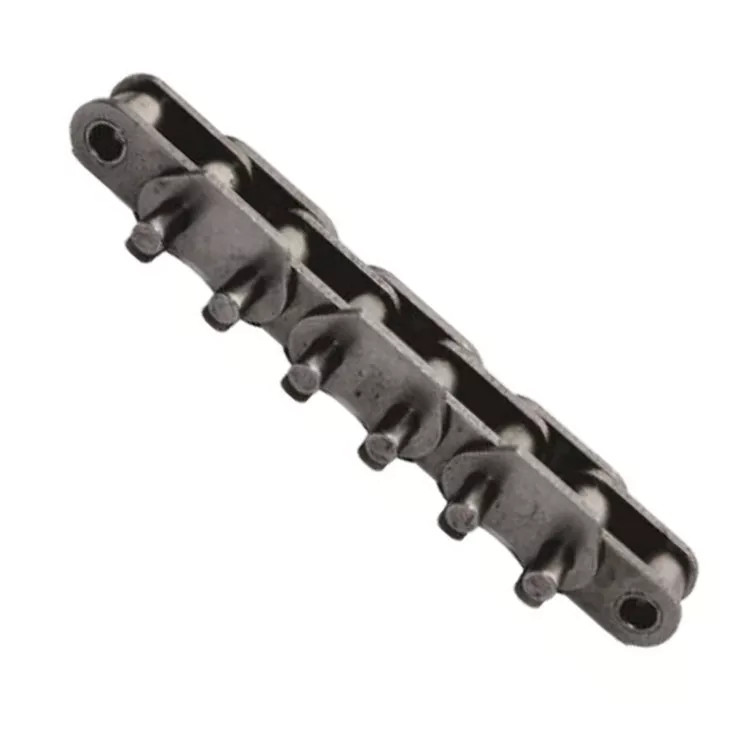
The offset link chain is designed with high abrasion, impact, and corrosion resistance to meet the application demands in sugar making industry. Its side plates are bended but with paralleled ends. Both hot bending and cold bending methods can be applied for side plate processing. The adoption of advanced bending die, coupled with enhanced quality inspection, makes sure the bending of side plates comes without cracks. Therefore, the offset sidebar chain won’t break easily under heavy load conditions.
Made using stainless steel and alloy steel materials, our offset link chain for sugar industry offers minimum tensile strength options between 250 and 9
| Матеріал: | Сплав |
|---|---|
| Структура: | Роликовий ланцюг |
| Обробка поверхні: | Полірування |
| Розмір ланцюга: | P:103.20mm |
| Функція: | Fire Resistant, Oil Resistant, Heat Resistant |
| Weight Per Meter: | 12.70kg |
| Зразки: | US$ 100/Meter 1 метр (мінімальне замовлення) | |
|---|
| Налаштування: | Доступно | Індивідуальний запит |
|---|
How does a conveyor chain impact energy efficiency in a system?
A conveyor chain plays a significant role in the energy efficiency of a conveyor system. Here are the ways in which it impacts energy efficiency:
1. Reduced Power Consumption:
– A well-designed conveyor chain with low friction characteristics can minimize power consumption. By reducing the frictional resistance between the chain and the conveyor components, less energy is required to move the chain and transport the materials along the conveyor system.
2. Efficient Power Transmission:
– The design and construction of a conveyor chain contribute to efficient power transmission. Chains with optimized pitch, roller diameter, and sprocket tooth profile ensure smooth and effective power transfer, minimizing energy losses during operation.
3. Proper Chain Tensioning:
– Maintaining proper chain tension is crucial for energy efficiency. An adequately tensioned chain ensures optimal contact between the chain and the sprockets, minimizing slippage and power loss. Regular inspections and adjustments of chain tension help maximize energy efficiency.
4. Alignment and Tracking:
– Proper alignment and tracking of the conveyor chain are essential for energy efficiency. Misaligned or poorly tracked chains can cause increased friction, leading to higher energy consumption. Regular monitoring and adjustment of the chain’s alignment ensure smooth and efficient operation.
5. Regular Maintenance:
– Performing routine maintenance on the conveyor chain, including lubrication, cleaning, and inspection, helps maintain optimal performance and energy efficiency. Adequate lubrication reduces friction and wear, minimizing power losses and extending the chain’s lifespan.
6. System Design Optimization:
– Considering energy efficiency during the design phase of a conveyor system can significantly impact its overall efficiency. Proper selection of conveyor chain components, such as low-friction materials and efficient drive systems, can help minimize energy consumption and improve the system’s energy efficiency.
By employing these practices and utilizing energy-efficient conveyor chain technologies, businesses can reduce energy costs, minimize environmental impact, and enhance the overall sustainability of their operations.
What are the best practices for storing and handling conveyor chains?
Proper storage and handling of conveyor chains are essential to maintain their performance, prevent damage, and prolong their lifespan. Here are some best practices to consider:
1. Clean and dry storage area: Store conveyor chains in a clean and dry environment to prevent the accumulation of dirt, dust, moisture, or contaminants that can affect their performance and cause corrosion.
2. Adequate support: Ensure that the stored conveyor chains are properly supported to prevent excessive bending or deformation. Use pallets, racks, or designated storage containers that can accommodate the weight and length of the chains.
3. Avoid excessive heat or cold: Conveyor chains should be stored in an area with a moderate temperature range to avoid extreme heat or cold that can affect the material properties or lubrication of the chains.
4. Protection against impacts and vibrations: Protect the stored chains from impacts or excessive vibrations that can cause damage or deformation. Use suitable packaging or covers to shield the chains from any potential physical damage.
5. Lubrication: Apply a thin layer of appropriate lubricant to the chains before storage to prevent corrosion and maintain their smooth operation. Follow the manufacturer’s recommendations for lubrication type and quantity.
6. Regular inspections: Periodically inspect the stored conveyor chains to ensure there are no signs of damage, corrosion, or deformation. If any issues are identified, take appropriate actions such as cleaning, lubricating, or replacing the chains.
7. Proper handling techniques: When handling conveyor chains, use appropriate lifting equipment or tools to avoid excessive strain or bending. Avoid dragging or dropping the chains, as this can cause damage to the chain links or attachments.
8. Training and awareness: Provide training to personnel involved in handling and storing conveyor chains to ensure they understand the proper procedures and best practices. Promote awareness of the importance of careful handling and storage to prevent accidents and maintain chain integrity.
By following these best practices, you can ensure the longevity and reliable performance of your conveyor chains, reducing the risk of downtime and costly repairs.
What are the signs of wear and tear in a conveyor chain?
Over time, a conveyor chain may experience wear and tear due to the demanding nature of material handling operations. Several signs indicate the need for maintenance or replacement of a conveyor chain. These signs of wear and tear include:
- Chain Elongation: One of the common signs of wear in a conveyor chain is elongation. As the chain wears, the pitch between the chain links gradually increases, resulting in a longer chain length. Excessive elongation can cause improper engagement with sprockets, leading to slippage or chain derailment.
- Chain Link Plate Wear: The link plates of a conveyor chain can experience wear on their surfaces. This wear is typically caused by friction against sprockets, guide rails, or other components. Signs of plate wear include thinning or deformation of the link plates, which can affect the overall strength and integrity of the chain.
- Sprocket Tooth Wear: The teeth of the sprockets that engage with the conveyor chain can also exhibit signs of wear. Over time, the teeth may become worn down, rounded, or have irregular shapes. This wear can cause improper chain engagement, resulting in reduced efficiency and potential chain slipping or skipping.
- Excessive Noise: Increased noise during the operation of the conveyor system can indicate wear and tear in the chain. Excessive wear can lead to metal-to-metal contact, resulting in noisy operation. Unusual squeaking, grinding, or rattling sounds are indicators that the chain may require inspection or maintenance.
- Visible Damage: Any visible damage to the chain, such as cracked or broken link plates, bent pins, or missing attachments, is a clear sign of wear and tear. These damages compromise the chain’s structural integrity and should be addressed promptly to prevent further issues or chain failure.
- Inconsistent Movement: If the conveyor chain starts to exhibit jerky or uneven movement, it may be a sign of wear or misalignment. Misalignment can occur due to worn chain links, damaged sprockets, or improper tensioning. Inconsistent movement can lead to reduced efficiency, increased wear, and potential chain failure.
Regular inspection and maintenance of the conveyor chain system are essential to identify these signs of wear and tear. Timely replacement of worn components and proper lubrication can help prolong the life of the chain and maintain efficient operation.


editor by CX 2023-09-08