製品説明
製品説明
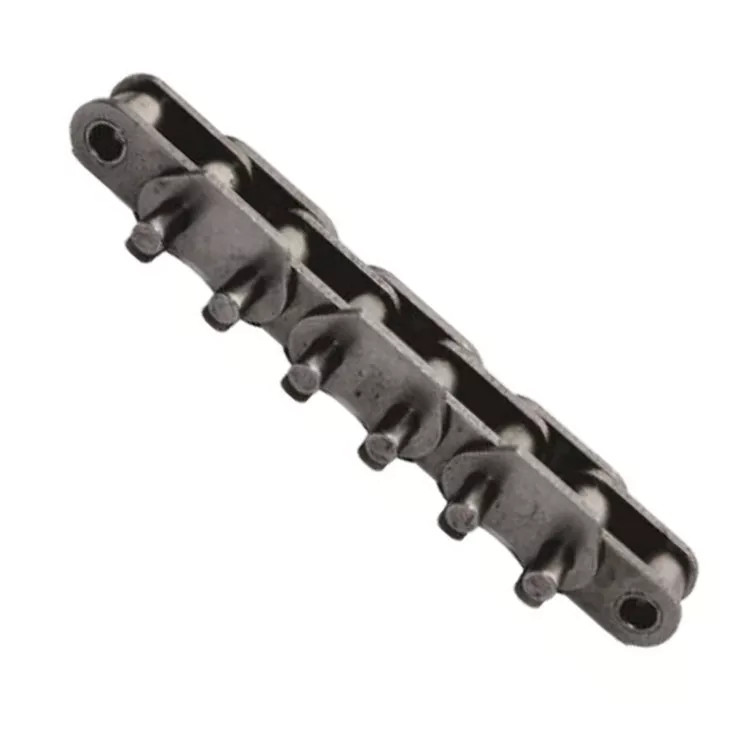
The offset link chain is designed with high abrasion, impact, and corrosion resistance to meet the application demands in sugar making industry. Its side plates are bended but with paralleled ends. Both hot bending and cold bending methods can be applied for side plate processing. The adoption of advanced bending die, coupled with enhanced quality inspection, makes sure the bending of side plates comes without cracks. Therefore, the offset sidebar chain won’t break easily under heavy load conditions.
Made using stainless steel and alloy steel materials, our offset link chain for sugar industry offers minimum tensile strength options between 250 and 9
| 材料: | 合金 |
|---|---|
| 構造: | ローラーチェーン |
| 表面処理: | 研磨 |
| チェーンサイズ: | P:103.20mm |
| 特徴: | 耐火性、耐油性、耐熱性 |
| Weight Per Meter: | 12.70kg |
| サンプル: | US$ 100/Meter 1メートル(最小注文単位) | |
|---|
| カスタマイズ: | 利用可能 | カスタマイズされたリクエスト |
|---|
How does a conveyor chain impact energy efficiency in a system?
A conveyor chain plays a significant role in the energy efficiency of a conveyor system. Here are the ways in which it impacts energy efficiency:
1. Reduced Power Consumption:
– A well-designed conveyor chain with low friction characteristics can minimize power consumption. By reducing the frictional resistance between the chain and the conveyor components, less energy is required to move the chain and transport the materials along the conveyor system.
2. Efficient Power Transmission:
– The design and construction of a conveyor chain contribute to efficient power transmission. Chains with optimized pitch, roller diameter, and sprocket tooth profile ensure smooth and effective power transfer, minimizing energy losses during operation.
3. Proper Chain Tensioning:
– Maintaining proper chain tension is crucial for energy efficiency. An adequately tensioned chain ensures optimal contact between the chain and the sprockets, minimizing slippage and power loss. Regular inspections and adjustments of chain tension help maximize energy efficiency.
4. Alignment and Tracking:
– Proper alignment and tracking of the conveyor chain are essential for energy efficiency. Misaligned or poorly tracked chains can cause increased friction, leading to higher energy consumption. Regular monitoring and adjustment of the chain’s alignment ensure smooth and efficient operation.
5. Regular Maintenance:
– Performing routine maintenance on the conveyor chain, including lubrication, cleaning, and inspection, helps maintain optimal performance and energy efficiency. Adequate lubrication reduces friction and wear, minimizing power losses and extending the chain’s lifespan.
6. System Design Optimization:
– Considering energy efficiency during the design phase of a conveyor system can significantly impact its overall efficiency. Proper selection of conveyor chain components, such as low-friction materials and efficient drive systems, can help minimize energy consumption and improve the system’s energy efficiency.
By employing these practices and utilizing energy-efficient conveyor chain technologies, businesses can reduce energy costs, minimize environmental impact, and enhance the overall sustainability of their operations.
コンベアチェーンの保管と取り扱いに関する最適な方法は何ですか?
コンベヤチェーンの適切な保管と取り扱いは、性能を維持し、損傷を防ぎ、寿命を延ばすために不可欠です。以下に、考慮すべきいくつかのベストプラクティスを示します。
1. 清潔で乾燥した保管場所:コンベアチェーンは、汚れ、ほこり、湿気、または汚染物質の蓄積を防ぎ、性能に影響を与えたり腐食を引き起こしたりしないように、清潔で乾燥した環境に保管してください。
2.適切な支持:保管中のコンベアチェーンが過度に曲がったり変形したりしないよう、適切に支持されていることを確認してください。チェーンの重量と長さに対応できるパレット、ラック、または専用の保管容器を使用してください。
3. 過度の高温または低温を避ける:コンベヤチェーンは、材料特性や潤滑に影響を与える可能性のある極端な高温または低温を避けるため、適度な温度範囲の場所に保管する必要があります。
4.衝撃や振動からの保護:保管中のチェーンは、損傷や変形を引き起こす可能性のある衝撃や過度の振動から保護してください。適切な梱包材やカバーを使用して、チェーンを物理的な損傷から保護してください。
5.潤滑:保管前に、チェーンに適切な潤滑剤を薄く塗布して腐食を防ぎ、スムーズな動作を維持してください。潤滑剤の種類と量については、製造元の推奨事項に従ってください。
6.定期点検:保管されているコンベアチェーンを定期的に点検し、損傷、腐食、変形などの兆候がないことを確認してください。問題が発見された場合は、チェーンの清掃、潤滑、交換などの適切な措置を講じてください。
7.適切な取り扱い方法:コンベアチェーンを取り扱う際は、過度の負荷や曲げを避けるため、適切な吊り上げ装置または工具を使用してください。チェーンを引きずったり落としたりすると、チェーンリンクやアタッチメントが損傷する恐れがありますので、避けてください。
8.研修と意識向上:コンベアチェーンの取り扱いと保管に関わる担当者に対し、適切な手順とベストプラクティスを理解させるための研修を実施する。事故防止とチェーンの健全性維持のため、慎重な取り扱いと保管の重要性について意識を高める。
これらのベストプラクティスに従うことで、コンベアチェーンの長寿命化と信頼性の高い性能を確保し、ダウンタイムや高額な修理のリスクを軽減できます。
What are the signs of wear and tear in a conveyor chain?
Over time, a conveyor chain may experience wear and tear due to the demanding nature of material handling operations. Several signs indicate the need for maintenance or replacement of a conveyor chain. These signs of wear and tear include:
- Chain Elongation: One of the common signs of wear in a conveyor chain is elongation. As the chain wears, the pitch between the chain links gradually increases, resulting in a longer chain length. Excessive elongation can cause improper engagement with sprockets, leading to slippage or chain derailment.
- Chain Link Plate Wear: The link plates of a conveyor chain can experience wear on their surfaces. This wear is typically caused by friction against sprockets, guide rails, or other components. Signs of plate wear include thinning or deformation of the link plates, which can affect the overall strength and integrity of the chain.
- Sprocket Tooth Wear: The teeth of the sprockets that engage with the conveyor chain can also exhibit signs of wear. Over time, the teeth may become worn down, rounded, or have irregular shapes. This wear can cause improper chain engagement, resulting in reduced efficiency and potential chain slipping or skipping.
- 過剰な騒音: Increased noise during the operation of the conveyor system can indicate wear and tear in the chain. Excessive wear can lead to metal-to-metal contact, resulting in noisy operation. Unusual squeaking, grinding, or rattling sounds are indicators that the chain may require inspection or maintenance.
- Visible Damage: Any visible damage to the chain, such as cracked or broken link plates, bent pins, or missing attachments, is a clear sign of wear and tear. These damages compromise the chain’s structural integrity and should be addressed promptly to prevent further issues or chain failure.
- Inconsistent Movement: If the conveyor chain starts to exhibit jerky or uneven movement, it may be a sign of wear or misalignment. Misalignment can occur due to worn chain links, damaged sprockets, or improper tensioning. Inconsistent movement can lead to reduced efficiency, increased wear, and potential chain failure.
Regular inspection and maintenance of the conveyor chain system are essential to identify these signs of wear and tear. Timely replacement of worn components and proper lubrication can help prolong the life of the chain and maintain efficient operation.


editor by CX 2023-09-08