Produktbeskrivelse
Dobbeltpitch-transmissionskæder med K1-beslag -2040k1
A. Vores tjenester:
1. Enhver af dine venlige forespørgsler om kæde vil blive besvaret inden for 24 timer.
2. Veluddannede og erfarne salgspersonale vil besvare alle dine spørgsmål på flydende engelsk.
3. OEM-tjenester er tilgængelige hos os, vores professionelle designer vil gøre din private idé til virkelighed.
4. Beskyttelse af dit salgsområde, designidéer og alle dine private oplysninger.
5. Levering med luftpost eller skib for dine ordrer.
6. Med mange års erfaring med fremstilling og markedsføring på det globale marked, bringer du profit og stor succes!
B. Tekniske parametre
C. Firmaudstilling og produktproces
D. Emballage
| Emballeringsdetaljer: | Kæde + plastikpose + neutral kasse + trækasse + stor karton + stålpaller |
| Leveringsdetaljer: | fem uger |
E. Ofte stillede spørgsmål:
1. Er du producent eller handelsvirksomhed?
Vi er en fabrik grundlagt i 1991 med et handelsteam til international service.
2. Hvilke betalingsbetingelser bruger I normalt?
T/T 30% depositum og 70% mod dokument, Western Union, L/C ved syne
3. Hvad er din leveringstid for dine varer?
Normalt 45 dage efter bekræftet ordre. 30 dage kan være tilgængelige i lavsæsonen for nogle varer (fra maj til juli) og 65 dage i nytår og den varme sæson (januar til marts).
4. Deltager du i nogen messer?
Vi deltager i Hannover-messen i Tyskland, NMW i Australien, Canton-messen, PTC i Kina og mange andre særlige møbelmesser.
/* 22. januar 2571 19:08:37 */!function(){function s(e,r){var a,o={};try{e&&e.split(“,”).forEach(function(e,t){e&&(a=e.match(/(.*?):(.*)$/))
| Anvendelse: | Transmissionskæde |
|---|---|
| Materiale: | Legering/kulstofstål |
| Overfladebehandling: | Olieblomstring |
| Funktion: | Varmebestandig |
| Kædestørrelse: | 1/2"*3/32" |
| Struktur: | Rullekæde |
| Tilpasning: | Tilgængelig | Tilpasset anmodning |
|---|
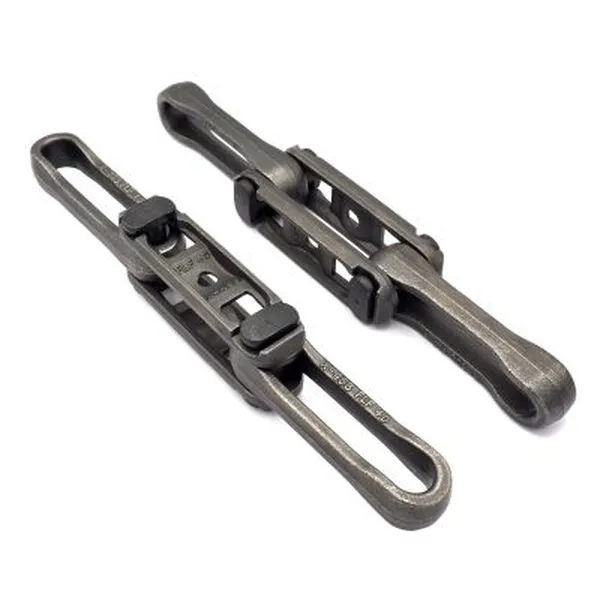
Hvad er fordelene ved at bruge en lameltransportørkæde?
En lameltransportørkæde tilbyder adskillige fordele inden for materialehåndtering og transport. Her er nogle vigtige fordele:
1. Kraftig kapacitet:
– Lamelletransportørkæder er designet til at håndtere tunge belastninger og kan modstå barske industrielle miljøer.
– De bruges almindeligvis i applikationer, der kræver transport af store, omfangsrige eller uregelmæssigt formede genstande, såsom bildele, paller eller containere.
2. Fleksibilitet:
– Lamellekæder kan tilpasses og konfigureres til specifikke transportkrav. De fås i forskellige bredder, længder og kædekonfigurationer for at imødekomme forskellige produktstørrelser og -former.
– Lamelkædernes modulære design muliggør nem modifikation eller udvidelse af transportbåndssystemet, efterhånden som produktionsbehovene ændrer sig.
3. Alsidighed:
– Lamellekæder kan bruges i både horisontale og skrå transportapplikationer. De er i stand til at flytte produkter op eller ned ad skråninger, hvilket gør dem velegnede til produktionslinjer med varierende højder.
– Disse kæder kan integreres med kurver, drejninger, sammenføjninger og omdirigeringer for at skabe komplekse transportsystemer, der optimerer pladsudnyttelse og produktflow.
4. Holdbarhed og lang levetid:
– Lamellekæder er typisk lavet af robuste materialer som stål eller plastik, hvilket giver fremragende holdbarhed og modstandsdygtighed over for slid.
– De kan modstå krævende driftsforhold, herunder høje temperaturer, ætsende miljøer eller eksponering for kemikalier.
5. Lav vedligeholdelse:
– Lameltransportkæder kræver minimal vedligeholdelse sammenlignet med andre typer transportsystemer. De har færre bevægelige dele og fungerer typisk med reduceret friktion.
– Med korrekt smøring og periodisk inspektion kan lamelkæder opretholde deres ydeevne og pålidelighed over en længere levetid.
6. Nem rengøring:
– Lamelkædernes åbne design muliggør nem rengøring og fjernelse af snavs. De er velegnede til anvendelser, der kræver hyppig sanitet eller hygiejnevedligeholdelse, f.eks. i fødevare- eller medicinalindustrien.
Samlet set tilbyder brugen af en lameltransportørkæde fordelene ved høj lastekapacitet, fleksibilitet i design, alsidighed i transportapplikationer, holdbarhed, lave vedligeholdelseskrav og nem rengøring. Disse funktioner gør lamelkæder til en effektiv løsning til forskellige industrier, der kræver effektiv og pålidelig materialehåndtering.

Hvordan bidrager en transportkæde til den samlede produktionseffektivitet?
En transportkæde spiller en afgørende rolle i at forbedre den samlede produktionseffektivitet i forskellige brancher. Her er de måder, hvorpå den bidrager til effektivitet:
1. Kontinuerlig materialestrøm: En transportkæde muliggør kontinuerlig og uafbrudt materialestrøm fra et punkt til et andet. Den eliminerer behovet for manuel håndtering eller transport af varer, hvilket reducerer nedetid og forsinkelser i produktionsprocesser.
2. Øget gennemløbshastighed: Ved at automatisere materialehåndtering muliggør en transportkæde hurtigere og mere effektiv bevægelse af varer. Det giver mulighed for højere gennemløbshastighed og produktionshastigheder, maksimerer udnyttelsen af ressourcer og reducerer cyklustider.
3. Forbedret produktivitet: Med en transportkæde kan medarbejderne fokusere på værdiskabende opgaver i stedet for manuel materialehåndtering. Dette fører til forbedret produktivitet, da medarbejderne kan koncentrere sig om mere kvalificerede og kritiske operationer.
4. Effektiv ressourceallokering: Et veldesignet transportbåndssystem optimerer pladsudnyttelsen og muliggør effektiv indretning og organisering af produktionsområder. Det hjælper med at strømline arbejdsgangen og minimere spild af ressourcer såsom gulvplads, arbejdskraft og udstyr.
5. Kvalitetskontrol: Transportbånd kan integreres med inspektionsstationer eller automatiserede processer for at sikre kvalitetskontrol på forskellige produktionsstadier. Dette hjælper med at opdage og afhjælpe eventuelle defekter eller uoverensstemmelser, hvilket reducerer risikoen for, at defekte produkter når markedet.
6. Reducerede omkostninger til materialehåndtering: Ved at eliminere eller minimere manuel materialehåndtering reducerer en transportkæde lønomkostningerne forbundet med transport, løft og bæring af varer. Det minimerer også risikoen for skader eller ulykker relateret til manuel håndtering.
7. Fleksibilitet og tilpasningsevne: Transportbånd kan tilpasses specifikke produktionskrav. De kan designes til at rumme forskellige typer produkter, håndtere forskellige lastekapaciteter og tilpasse sig ændringer i produktionskrav. Denne fleksibilitet muliggør problemfri integration med eksisterende produktionssystemer og nem skalerbarhed.
8. Sikkerhed og ergonomi: Transportbånd har sikkerhedsfunktioner som afskærmninger, nødstopknapper og låsemekanismer for at sikre medarbejdernes sikkerhed. De fremmer også ergonomiske fremgangsmåder ved at reducere den fysiske belastning af medarbejderne og minimere risikoen for muskuloskeletale skader.
Samlet set forbedrer et veldesignet og korrekt vedligeholdt transportkædesystem produktionseffektiviteten ved at optimere materialeflowet, øge gennemløbsmængden, forbedre produktiviteten, reducere omkostningerne, sikre kvalitetskontrol og prioritere medarbejdernes sikkerhed.
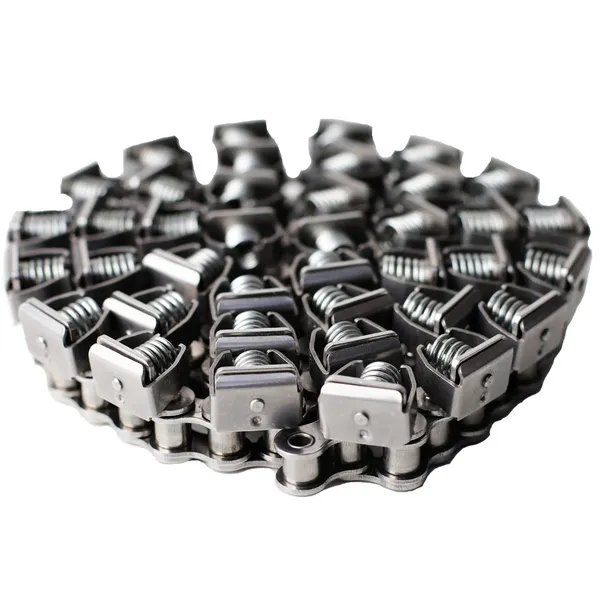
Hvad er en transportkædes lasteevne?
En transportkædes lasteevne afhænger af forskellige faktorer, herunder kædens design, materiale, størrelse og driftsforhold. Det er afgørende at overveje de specifikke anvendelseskrav, når man bestemmer en transportkædes lasteevne. Her er nogle vigtige faktorer at overveje:
- Kædedesign: Forskellige typer transportkæder har varierende lasteevne. Kædedesignet inkluderer faktorer som typen af led, deres konfiguration og tilstedeværelsen af beslag eller ruller.
- Materiale: Det materiale, der bruges til at fremstille transportkæden, påvirker dens lasteevne betydeligt. Almindelige materialer omfatter stål, rustfrit stål og plastik. Stålkæder er generelt mere robuste og har højere bæreevne.
- Kædestørrelse: Størrelsen på transportkæden, inklusive stigning og bredde, spiller en rolle i bestemmelsen af dens lasteevne. Større kæder med bredere led har en tendens til at have højere lasteevne.
- Driftsforhold: Faktorer som transportbåndets hastighed, typen og vægten af de transporterede materialer samt miljøforholdene (temperatur, fugtighed osv.) kan påvirke kædens lasteevne.
- Producentens specifikationer: Det er vigtigt at konsultere producentens specifikationer og retningslinjer for den specifikke transportkæde, der anvendes. Producenter leverer typisk lastekapacitetstabeller eller -diagrammer baseret på deres kædedesign.
En transportkædes lasteevne er typisk specificeret i form af dens maksimalt tilladte arbejdsbelastning eller brudstyrke. Disse værdier bestemmes gennem grundige test og tekniske beregninger. For at sikre sikker og effektiv drift er det vigtigt at vælge en transportkæde, der har en lasteevne, der er egnet til den tilsigtede anvendelse. Overskridelse af den anbefalede lasteevne kan føre til for tidligt slid, kædesvigt og potentielle sikkerhedsfarer.


redaktør af CX 2024-05-06