Produktbeschreibung
| The 880 series has a wide range of applications for conveying lightweight items in curves e.g. plastic bottles, cans, cartons etc. This space-saving chain is often used with small diameter turn discs with ball bearings. Plate mat.:POM/PP; Pin mat.:stainless steel Max.speed: 80m/min lubrication; 50m/min dry;Max.length:15m; Working load:2680N Color:white/brown; Packing unit:10ft(80links) |
| APPLICATIONS: |
| China CZPT Machinery Co.,Ltd is a special supplier of conveyor system components,including plastic and stainless steel flat top chains, Modular belts, other spare parts, such as UHMWPE wearstrips, side guards, chains guide, bipods, tripods, brackets, clampls.ect. With our years of experence, quality products, excellent services we work with world wide clients from America, Europe, Africa, many counrties of Asia. We keep very good business relation with them, and get trusted from them. Our products application: Packaging and conveying industry |
| Material: | Plastic |
|---|---|
| Struktur: | Top Chain |
| Oberflächenbehandlung: | Low Friction |
| Kettengröße: | Pitch 38.1mm |
| Pin: | SS304 |
| Zustand: | 100% Brand New |
| Proben: | US$ 30/Meter 1 Meter (Mindestbestellmenge) | |
|---|
| Anpassung: | Verfügbar | Kundenspezifische Anfrage |
|---|
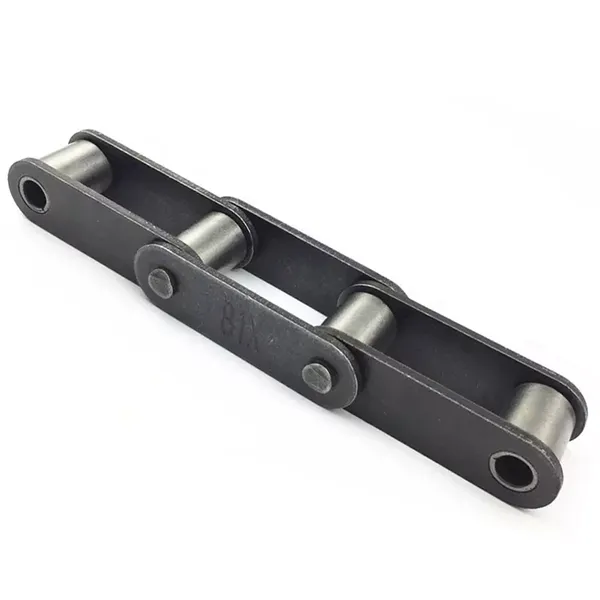
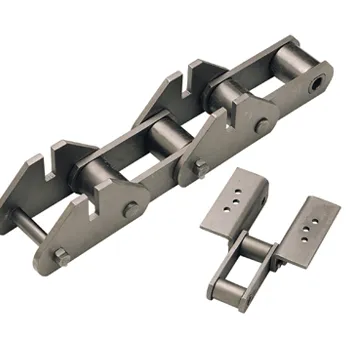
How does a conveyor chain handle inclined or declined conveyance?
A conveyor chain is designed to handle various types of conveyance, including inclined or declined applications. Here’s how a conveyor chain handles these situations:
1. Inclined Conveyance: When a conveyor system is required to move materials uphill, an inclined conveyor chain is used. The chain’s design includes special attachments or cleats that provide additional grip and prevent material from slipping or sliding backward. These attachments are strategically positioned along the chain to ensure effective conveyance on inclines.
2. Declined Conveyance: For conveyors that move materials downhill, a declined conveyor chain is utilized. Similar to inclined conveyance, the chain may have specialized attachments or cleats that help control the speed and prevent material from sliding too quickly. These attachments keep the material in place and ensure a controlled and efficient flow downward.
Both inclined and declined conveyance require careful consideration of the chain’s design, including the type and arrangement of attachments. The size, shape, and weight of the conveyed material also play a role in determining the appropriate chain configuration. It’s important to consult with conveyor chain manufacturers or experts to select the right chain and attachments for specific inclined or declined applications.
How does a conveyor chain impact material flow in a production line?
A conveyor chain plays a crucial role in facilitating the smooth and efficient flow of materials in a production line. Here are the key ways in which a conveyor chain impacts material flow:
1. Continuous Movement: A conveyor chain enables continuous movement of materials along the production line. By securely holding and transporting the materials, the chain ensures a consistent flow without interruptions or delays.
2. Speed Control: The speed at which the conveyor chain moves can be adjusted to match the desired production rate. This allows for precise control over the material flow, ensuring that it aligns with the downstream processes and avoids bottlenecks or overloading.
3. Orientation and Positioning: Conveyor chains can be designed with specific attachments or fixtures to orient and position materials in a desired manner. This ensures that the materials are presented correctly for processing, assembly, or packaging, optimizing the overall production flow.
4. Sorting and Diverging: In certain applications, conveyor chains can be equipped with mechanisms for sorting or diverging materials based on predetermined criteria. This allows for efficient routing of different products or components to their respective destinations, streamlining the material flow.
5. Accumulation and Buffering: Conveyor chains can incorporate accumulation zones or buffering areas where materials can temporarily pause or accumulate. This feature is useful when downstream processes experience temporary disruptions or when there is a need to balance the flow between different production stages.
6. Integration with Equipment: Conveyor chains can be integrated with other equipment or machines in the production line, such as robotic arms, automated packaging systems, or inspection stations. This seamless integration enables synchronized material handling, optimizing the flow and efficiency of the entire production process.
7. Customization for Specific Needs: Conveyor chains can be customized to meet specific material handling requirements. This includes considerations such as chain width, length, height adjustments, inclines or declines, and specialized attachments or guides. Such customization ensures that the material flow is tailored to the unique needs of the production line.
By providing a reliable and controlled method of transporting materials, a conveyor chain significantly influences the material flow in a production line. It enhances productivity, reduces manual handling, minimizes the risk of errors or damage, and ultimately contributes to the overall efficiency and success of the manufacturing process.

Welche verschiedenen Arten von Förderketten gibt es?
Es gibt verschiedene Arten von Förderketten, die jeweils für spezifische Anwendungsanforderungen entwickelt wurden. Hier sind einige gängige Arten von Förderketten:
- Rollenketten: Rollenketten sind die am häufigsten verwendeten Förderketten. Sie bestehen aus einer Reihe zylindrischer Rollen, die durch Seitenplatten miteinander verbunden sind. Rollenketten gewährleisten einen reibungslosen und effizienten Lauf und eignen sich für mittlere bis schwere Anwendungen.
- Doppelte Teilungsketten: Doppelte Kettenglieder weisen im Vergleich zu Standard-Rollenketten eine größere Teilung (Abstand zwischen den Mittelpunkten benachbarter Bolzen) auf. Sie werden häufig in Anwendungen eingesetzt, die niedrigere Drehzahlen und geringere Lasten erfordern.
- Hohlnadelketten: Hohlbolzenketten verfügen über Hohlbolzen, die die einfache Befestigung verschiedener Zubehörteile oder Anbauteile ermöglichen. Sie werden häufig in Förderanwendungen eingesetzt, die eine individuelle Anpassung erfordern oder bei denen Anbauteile montiert werden müssen.
- Schürzen- oder Lattenketten: Schürzen- oder Lamellenketten bestehen aus Platten oder Lamellen, die durch Scharniere verbunden sind. Sie werden in Anwendungen mit hoher Beanspruchung eingesetzt, wo die Kette große Lasten tragen und stützen oder rauen Umgebungsbedingungen standhalten muss.
- Kunststoffketten: Kunststoffketten bestehen aus robusten und leichten Materialien wie Acetal oder Polyethylen. Sie bieten Vorteile wie Korrosionsbeständigkeit, geringe Geräuschentwicklung und die Möglichkeit des Einsatzes in feuchten oder zu reinigenden Umgebungen. Kunststoffketten werden häufig in der Lebensmittelverarbeitung, der Verpackungsindustrie und der pharmazeutischen Industrie eingesetzt.
Dies sind nur einige Beispiele für Förderkettentypen; je nach Anwendungsanforderungen stehen viele weitere Varianten zur Verfügung. Die Auswahl des geeigneten Förderkettentyps hängt von Faktoren wie Tragfähigkeit, Geschwindigkeit, Umgebungsbedingungen und gewünschter Funktionalität ab.


editor by CX 2023-08-17