Mô tả sản phẩm
| The 880 series has a wide range of applications for conveying lightweight items in curves e.g. plastic bottles, cans, cartons etc. This space-saving chain is often used with small diameter turn discs with ball bearings. Plate mat.:POM/PP; Pin mat.:stainless steel Max.speed: 80m/min lubrication; 50m/min dry;Max.length:15m; Working load:2680N Color:white/brown; Packing unit:10ft(80links) |
| APPLICATIONS: |
| China CZPT Machinery Co.,Ltd is a special supplier of conveyor system components,including plastic and stainless steel flat top chains, Modular belts, other spare parts, such as UHMWPE wearstrips, side guards, chains guide, bipods, tripods, brackets, clampls.ect. With our years of experence, quality products, excellent services we work with world wide clients from America, Europe, Africa, many counrties of Asia. We keep very good business relation with them, and get trusted from them. Our products application: Packaging and conveying industry |
| Vật liệu: | Plastic |
|---|---|
| Kết cấu: | Top Chain |
| Xử lý bề mặt: | Low Friction |
| Kích thước dây chuyền: | Pitch 38.1mm |
| Pin: | SS304 |
| Tình trạng: | 100% Brand New |
| Mẫu: | US$ 30/Meter 1 mét (Số lượng đặt hàng tối thiểu) | |
|---|
| Tùy chỉnh: | Có sẵn | Yêu cầu tùy chỉnh |
|---|
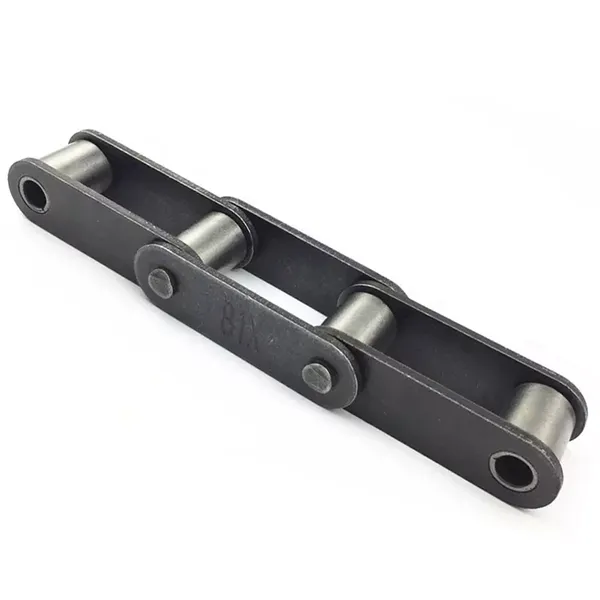
How does a conveyor chain handle inclined or declined conveyance?
A conveyor chain is designed to handle various types of conveyance, including inclined or declined applications. Here’s how a conveyor chain handles these situations:
1. Inclined Conveyance: When a conveyor system is required to move materials uphill, an inclined conveyor chain is used. The chain’s design includes special attachments or cleats that provide additional grip and prevent material from slipping or sliding backward. These attachments are strategically positioned along the chain to ensure effective conveyance on inclines.
2. Declined Conveyance: For conveyors that move materials downhill, a declined conveyor chain is utilized. Similar to inclined conveyance, the chain may have specialized attachments or cleats that help control the speed and prevent material from sliding too quickly. These attachments keep the material in place and ensure a controlled and efficient flow downward.
Both inclined and declined conveyance require careful consideration of the chain’s design, including the type and arrangement of attachments. The size, shape, and weight of the conveyed material also play a role in determining the appropriate chain configuration. It’s important to consult with conveyor chain manufacturers or experts to select the right chain and attachments for specific inclined or declined applications.
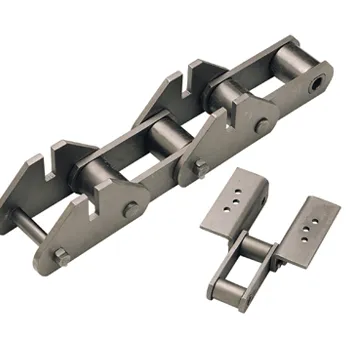
How does a conveyor chain impact material flow in a production line?
A conveyor chain plays a crucial role in facilitating the smooth and efficient flow of materials in a production line. Here are the key ways in which a conveyor chain impacts material flow:
1. Continuous Movement: A conveyor chain enables continuous movement of materials along the production line. By securely holding and transporting the materials, the chain ensures a consistent flow without interruptions or delays.
2. Speed Control: The speed at which the conveyor chain moves can be adjusted to match the desired production rate. This allows for precise control over the material flow, ensuring that it aligns with the downstream processes and avoids bottlenecks or overloading.
3. Orientation and Positioning: Conveyor chains can be designed with specific attachments or fixtures to orient and position materials in a desired manner. This ensures that the materials are presented correctly for processing, assembly, or packaging, optimizing the overall production flow.
4. Sorting and Diverging: In certain applications, conveyor chains can be equipped with mechanisms for sorting or diverging materials based on predetermined criteria. This allows for efficient routing of different products or components to their respective destinations, streamlining the material flow.
5. Accumulation and Buffering: Conveyor chains can incorporate accumulation zones or buffering areas where materials can temporarily pause or accumulate. This feature is useful when downstream processes experience temporary disruptions or when there is a need to balance the flow between different production stages.
6. Integration with Equipment: Conveyor chains can be integrated with other equipment or machines in the production line, such as robotic arms, automated packaging systems, or inspection stations. This seamless integration enables synchronized material handling, optimizing the flow and efficiency of the entire production process.
7. Customization for Specific Needs: Conveyor chains can be customized to meet specific material handling requirements. This includes considerations such as chain width, length, height adjustments, inclines or declines, and specialized attachments or guides. Such customization ensures that the material flow is tailored to the unique needs of the production line.
By providing a reliable and controlled method of transporting materials, a conveyor chain significantly influences the material flow in a production line. It enhances productivity, reduces manual handling, minimizes the risk of errors or damage, and ultimately contributes to the overall efficiency and success of the manufacturing process.

Các loại xích băng tải khác nhau là gì?
Có nhiều loại xích băng tải khác nhau, mỗi loại được thiết kế để đáp ứng các yêu cầu ứng dụng cụ thể. Dưới đây là một số loại xích băng tải phổ biến:
- Xích con lăn: Xích con lăn là loại xích băng tải được sử dụng phổ biến nhất. Chúng bao gồm một loạt các con lăn hình trụ được nối với nhau bằng các tấm bên. Xích con lăn mang lại chuyển động trơn tru và hiệu quả, phù hợp cho các ứng dụng tải trọng trung bình đến nặng.
- Xích bước kép: Xích con lăn bước kép có bước răng lớn hơn (khoảng cách giữa tâm của các chốt liền kề) so với xích con lăn tiêu chuẩn. Chúng thường được sử dụng trong các ứng dụng yêu cầu tốc độ chậm hơn và tải trọng nhẹ hơn.
- Dây chuyền ghim rỗng: Xích chốt rỗng có các chốt rỗng cho phép dễ dàng gắn các phụ kiện hoặc bộ phận khác nhau. Chúng thường được sử dụng trong các ứng dụng vận chuyển yêu cầu tùy chỉnh hoặc cần gắn các bộ phận bổ sung.
- Dây xích dạng yếm hoặc dạng thanh: Hệ thống xích dạng tấm hoặc dạng thanh bao gồm các tấm hoặc thanh được nối với nhau bằng bản lề. Chúng được sử dụng trong các ứng dụng tải nặng, nơi xích cần phải đỡ và mang vác tải trọng lớn hoặc chịu được môi trường khắc nghiệt.
- Dây chuyền nhựa: Dây xích nhựa được làm từ các vật liệu bền và nhẹ như acetal hoặc polyethylene. Chúng có nhiều ưu điểm như khả năng chống ăn mòn, độ ồn thấp và khả năng hoạt động trong môi trường ẩm ướt hoặc cần rửa sạch. Dây xích nhựa thường được sử dụng trong ngành chế biến thực phẩm, đóng gói và dược phẩm.
Đây chỉ là một vài ví dụ về các loại xích băng tải, và còn rất nhiều biến thể khác tùy thuộc vào yêu cầu ứng dụng cụ thể. Việc lựa chọn loại xích băng tải phù hợp phụ thuộc vào các yếu tố như khả năng chịu tải, tốc độ, môi trường và chức năng mong muốn.


editor by CX 2023-08-17