Περιγραφή προϊόντος
Περιγραφή προϊόντος
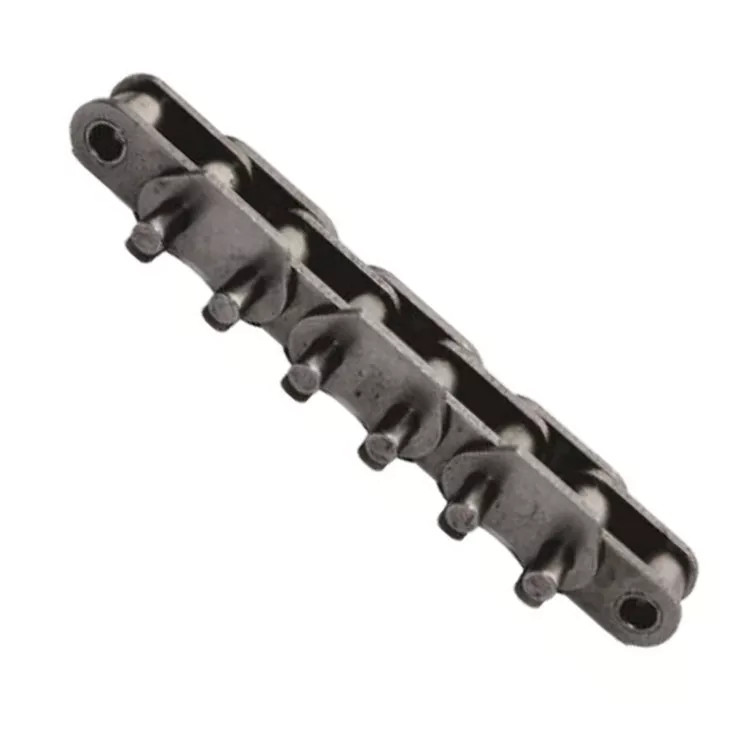
The offset link chain is designed with high abrasion, impact, and corrosion resistance to meet the application demands in sugar making industry. Its side plates are bended but with paralleled ends. Both hot bending and cold bending methods can be applied for side plate processing. The adoption of advanced bending die, coupled with enhanced quality inspection, makes sure the bending of side plates comes without cracks. Therefore, the offset sidebar chain won’t break easily under heavy load conditions.
Made using stainless steel and alloy steel materials, our offset link chain for sugar industry offers minimum tensile strength options between 250 and 9
| Υλικό: | Alloy |
|---|---|
| Δομή: | Αλυσίδα κυλίνδρων |
| Επιφανειακή επεξεργασία: | Στίλβωμα |
| Μέγεθος αλυσίδας: | P:103.20mm |
| Χαρακτηριστικό: | Ανθεκτικό στη φωτιά, ανθεκτικό στο λάδι, ανθεκτικό στη θερμότητα |
| Weight Per Meter: | 12.70kg |
| Δείγματα: | US$ 100/Meter 1 μέτρο (ελάχιστη παραγγελία) | |
|---|
| Προσαρμογή: | Διαθέσιμος | Προσαρμοσμένο Αίτημα |
|---|
How does a conveyor chain impact energy efficiency in a system?
A conveyor chain plays a significant role in the energy efficiency of a conveyor system. Here are the ways in which it impacts energy efficiency:
1. Reduced Power Consumption:
– A well-designed conveyor chain with low friction characteristics can minimize power consumption. By reducing the frictional resistance between the chain and the conveyor components, less energy is required to move the chain and transport the materials along the conveyor system.
2. Efficient Power Transmission:
– The design and construction of a conveyor chain contribute to efficient power transmission. Chains with optimized pitch, roller diameter, and sprocket tooth profile ensure smooth and effective power transfer, minimizing energy losses during operation.
3. Proper Chain Tensioning:
– Maintaining proper chain tension is crucial for energy efficiency. An adequately tensioned chain ensures optimal contact between the chain and the sprockets, minimizing slippage and power loss. Regular inspections and adjustments of chain tension help maximize energy efficiency.
4. Alignment and Tracking:
– Proper alignment and tracking of the conveyor chain are essential for energy efficiency. Misaligned or poorly tracked chains can cause increased friction, leading to higher energy consumption. Regular monitoring and adjustment of the chain’s alignment ensure smooth and efficient operation.
5. Regular Maintenance:
– Performing routine maintenance on the conveyor chain, including lubrication, cleaning, and inspection, helps maintain optimal performance and energy efficiency. Adequate lubrication reduces friction and wear, minimizing power losses and extending the chain’s lifespan.
6. System Design Optimization:
– Considering energy efficiency during the design phase of a conveyor system can significantly impact its overall efficiency. Proper selection of conveyor chain components, such as low-friction materials and efficient drive systems, can help minimize energy consumption and improve the system’s energy efficiency.
By employing these practices and utilizing energy-efficient conveyor chain technologies, businesses can reduce energy costs, minimize environmental impact, and enhance the overall sustainability of their operations.
Ποιες είναι οι βέλτιστες πρακτικές για την αποθήκευση και τον χειρισμό αλυσίδων μεταφοράς;
Η σωστή αποθήκευση και ο χειρισμός των αλυσίδων μεταφοράς είναι απαραίτητοι για τη διατήρηση της απόδοσής τους, την πρόληψη ζημιών και την παράταση της διάρκειας ζωής τους. Ακολουθούν ορισμένες βέλτιστες πρακτικές που πρέπει να λάβετε υπόψη:
1. Καθαρός και στεγνός χώρος αποθήκευσης: Αποθηκεύστε τις αλυσίδες μεταφοράς σε καθαρό και στεγνό περιβάλλον για να αποτρέψετε τη συσσώρευση βρωμιάς, σκόνης, υγρασίας ή ρύπων που μπορούν να επηρεάσουν την απόδοσή τους και να προκαλέσουν διάβρωση.
2. Επαρκής στήριξη: Βεβαιωθείτε ότι οι αποθηκευμένες αλυσίδες μεταφοράς στηρίζονται σωστά για να αποφευχθεί η υπερβολική κάμψη ή παραμόρφωση. Χρησιμοποιήστε παλέτες, ράφια ή ειδικά δοχεία αποθήκευσης που μπορούν να χωρέσουν το βάρος και το μήκος των αλυσίδων.
3. Αποφύγετε την υπερβολική ζέστη ή το κρύο: Οι αλυσίδες μεταφοράς πρέπει να αποθηκεύονται σε χώρο με μέτριο εύρος θερμοκρασίας για να αποφεύγεται η υπερβολική ζέστη ή το κρύο που μπορεί να επηρεάσει τις ιδιότητες του υλικού ή τη λίπανση των αλυσίδων.
4. Προστασία από κρούσεις και κραδασμούς: Προστατέψτε τις αποθηκευμένες αλυσίδες από κρούσεις ή υπερβολικούς κραδασμούς που μπορούν να προκαλέσουν ζημιά ή παραμόρφωση. Χρησιμοποιήστε κατάλληλες συσκευασίες ή καλύμματα για να προστατεύσετε τις αλυσίδες από τυχόν φυσικές ζημιές.
5. Λίπανση: Εφαρμόστε ένα λεπτό στρώμα κατάλληλου λιπαντικού στις αλυσίδες πριν από την αποθήκευση για να αποτρέψετε τη διάβρωση και να διατηρήσετε την ομαλή λειτουργία τους. Ακολουθήστε τις συστάσεις του κατασκευαστή για τον τύπο και την ποσότητα λίπανσης.
6. Τακτικοί έλεγχοι: Ελέγχετε περιοδικά τις αποθηκευμένες αλυσίδες μεταφοράς για να βεβαιωθείτε ότι δεν υπάρχουν σημάδια ζημιάς, διάβρωσης ή παραμόρφωσης. Εάν εντοπιστούν προβλήματα, λάβετε τα κατάλληλα μέτρα όπως καθαρισμό, λίπανση ή αντικατάσταση των αλυσίδων.
7. Σωστές τεχνικές χειρισμού: Κατά τον χειρισμό αλυσίδων μεταφοράς, χρησιμοποιήστε κατάλληλο εξοπλισμό ή εργαλεία ανύψωσης για να αποφύγετε την υπερβολική καταπόνηση ή κάμψη. Αποφύγετε το σύρσιμο ή την πτώση των αλυσίδων, καθώς αυτό μπορεί να προκαλέσει ζημιά στους κρίκους της αλυσίδας ή στα εξαρτήματα.
8. Εκπαίδευση και ευαισθητοποίηση: Παροχή εκπαίδευσης στο προσωπικό που ασχολείται με τον χειρισμό και την αποθήκευση αλυσίδων μεταφοράς, ώστε να διασφαλιστεί ότι κατανοεί τις σωστές διαδικασίες και τις βέλτιστες πρακτικές. Προώθηση της ευαισθητοποίησης σχετικά με τη σημασία του προσεκτικού χειρισμού και αποθήκευσης για την πρόληψη ατυχημάτων και τη διατήρηση της ακεραιότητας της αλυσίδας.
Ακολουθώντας αυτές τις βέλτιστες πρακτικές, μπορείτε να διασφαλίσετε τη μακροζωία και την αξιόπιστη απόδοση των αλυσίδων μεταφοράς σας, μειώνοντας τον κίνδυνο διακοπής λειτουργίας και δαπανηρών επισκευών.
What are the signs of wear and tear in a conveyor chain?
Over time, a conveyor chain may experience wear and tear due to the demanding nature of material handling operations. Several signs indicate the need for maintenance or replacement of a conveyor chain. These signs of wear and tear include:
- Chain Elongation: One of the common signs of wear in a conveyor chain is elongation. As the chain wears, the pitch between the chain links gradually increases, resulting in a longer chain length. Excessive elongation can cause improper engagement with sprockets, leading to slippage or chain derailment.
- Chain Link Plate Wear: The link plates of a conveyor chain can experience wear on their surfaces. This wear is typically caused by friction against sprockets, guide rails, or other components. Signs of plate wear include thinning or deformation of the link plates, which can affect the overall strength and integrity of the chain.
- Sprocket Tooth Wear: The teeth of the sprockets that engage with the conveyor chain can also exhibit signs of wear. Over time, the teeth may become worn down, rounded, or have irregular shapes. This wear can cause improper chain engagement, resulting in reduced efficiency and potential chain slipping or skipping.
- Υπερβολικός θόρυβος: Increased noise during the operation of the conveyor system can indicate wear and tear in the chain. Excessive wear can lead to metal-to-metal contact, resulting in noisy operation. Unusual squeaking, grinding, or rattling sounds are indicators that the chain may require inspection or maintenance.
- Visible Damage: Any visible damage to the chain, such as cracked or broken link plates, bent pins, or missing attachments, is a clear sign of wear and tear. These damages compromise the chain’s structural integrity and should be addressed promptly to prevent further issues or chain failure.
- Inconsistent Movement: If the conveyor chain starts to exhibit jerky or uneven movement, it may be a sign of wear or misalignment. Misalignment can occur due to worn chain links, damaged sprockets, or improper tensioning. Inconsistent movement can lead to reduced efficiency, increased wear, and potential chain failure.
Regular inspection and maintenance of the conveyor chain system are essential to identify these signs of wear and tear. Timely replacement of worn components and proper lubrication can help prolong the life of the chain and maintain efficient operation.


editor by CX 2023-09-08