Descripción del Producto
acrylic chain link designer puppy key pendant tortoise chains for bags conveyor moissanite cuban stainless steel rope cheville acier inoxydable gold vermeil
Application of acrylic chain
Acrylic chains are a type of chain that is made from acrylic plastic. Acrylic is a strong and durable material that is also lightweight and easy to work with. This makes acrylic chains ideal for a variety of applications, including:
- Jewelry: Acrylic chains are often used in jewelry, as they can be made in various colors and styles. They are also relatively inexpensive, making them a popular choice for budget-minded shoppers.
- Fashion: Acrylic chains are also used in fashion, as they can be used to create a variety of looks. They can be worn as necklaces, bracelets, belts, and more.
- Home décor: Acrylic chains can also be used in home décor, as they can be used to create a variety of looks. They can be used to hang pictures, create curtain rods, and more.
- Crafts: Acrylic chains can also be used in crafts, as they can be used to create a variety of projects. They can be used to make jewelry, home décor, and more.
Acrylic chains are a versatile and affordable material that can be used in a variety of applications. They are strong, durable, and easy to work with, making them a popular choice for many people.
Here are some of the advantages of using acrylic chains:
- Strong and durable: Acrylic chains are made from a strong and durable material that can withstand a lot of wear and tear.
- Lightweight: Acrylic chains are lightweight, making them easy to wear and transport.
- Easy to work with: Acrylic chains are easy to work with, making them a popular choice for DIY projects.
- Affordable: Acrylic chains are an affordable option, making them a great choice for budget-minded shoppers.
Here are some of the disadvantages of using acrylic chains:
- Not as strong as metal chains: Acrylic chains are not as strong as metal chains, so they may not be suitable for all applications.
- Can be damaged by heat: Acrylic chains can be damaged by heat, so they should not be exposed to high temperatures.
- Can be scratched: Acrylic chains can be scratched, so they should be handled with care.
Overall, acrylic chains are a versatile and affordable material that can be used in a variety of applications. They are strong, durable, and easy to work with, making them a popular choice for many people.
| Uso: | Transmission Chain, Drag Chain, Conveyor Chain, Dedicated Special Chain |
|---|---|
| Material: | Hierro |
| Tratamiento de superficie: | Oil Blooming |
| Característica: | Oil Resistant |
| Tamaño de la cadena: | 1/2"*3/32" |
| Estructura: | Cadena de rodillos |
| Muestras: | US$ 9999/Piece 1 unidad (pedido mínimo) | |
|---|

What are the considerations for selecting a corrosion-resistant conveyor chain?
When selecting a corrosion-resistant conveyor chain, several factors need to be considered to ensure the chain’s longevity and performance in corrosive environments. Here are some key considerations:
1. Material Selection: Choose a chain material that is inherently resistant to corrosion. Stainless steel, such as AISI 304 or AISI 316, is a common choice due to its excellent corrosion resistance properties. Other materials like plastic chains or special alloys can also be considered based on the specific application requirements.
2. Coatings and Surface Treatments: In some cases, additional protective coatings or surface treatments can be applied to enhance the chain’s corrosion resistance. These coatings, such as zinc plating, galvanizing, or epoxy coatings, create a barrier between the chain material and corrosive substances, preventing direct contact and reducing the risk of corrosion.
3. Environmental Compatibility: Consider the specific corrosive agents present in the environment where the conveyor chain will be used. Different corrosive substances, such as acids, alkalis, or saltwater, require specific resistance properties. Ensure that the selected chain material and coatings are compatible with the corrosive agents present in the operating environment.
4. Maintenance and Lubrication: Proper maintenance and lubrication play a crucial role in preventing corrosion and extending the life of a conveyor chain. Regular cleaning, inspection, and application of appropriate lubricants can help remove corrosive contaminants and protect the chain surface from degradation.
5. Testing and Certification: Consider chains that have undergone testing and certification for corrosion resistance in relevant industry standards. Look for certifications such as ISO 9227 (salt spray test) or ASTM B117 (corrosion resistance test) to ensure the chain’s performance in corrosive environments.
By carefully considering these factors and consulting with conveyor chain manufacturers or corrosion-resistant experts, you can select a chain that is well-suited for your specific corrosive environment, minimizing the risk of corrosion-related issues and ensuring optimal performance and longevity.
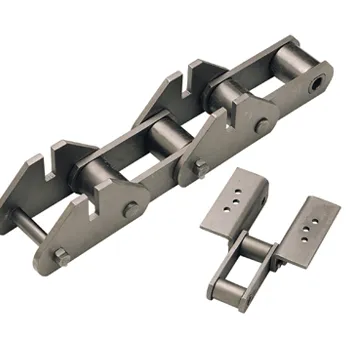
¿Cómo influye una cadena transportadora en el flujo de materiales en una línea de producción?
Una cadena transportadora desempeña un papel crucial para facilitar el flujo fluido y eficiente de materiales en una línea de producción. A continuación, se describen las principales maneras en que una cadena transportadora influye en el flujo de materiales:
1. Movimiento continuo: Una cadena transportadora permite el movimiento continuo de materiales a lo largo de la línea de producción. Al sujetar y transportar los materiales de forma segura, la cadena garantiza un flujo constante sin interrupciones ni demoras.
2. Control de velocidad: La velocidad de la cadena transportadora se puede ajustar para que coincida con el ritmo de producción deseado. Esto permite un control preciso del flujo de material, asegurando su sincronización con los procesos posteriores y evitando cuellos de botella o sobrecargas.
3. Orientación y posicionamiento: Las cadenas transportadoras pueden diseñarse con accesorios o fijaciones específicas para orientar y posicionar los materiales de la manera deseada. Esto garantiza que los materiales se presenten correctamente para su procesamiento, ensamblaje o empaquetado, optimizando así el flujo de producción general.
4. Clasificación y divergencia: En ciertas aplicaciones, las cadenas transportadoras pueden equiparse con mecanismos para clasificar o divergir materiales según criterios predeterminados. Esto permite un enrutamiento eficiente de los diferentes productos o componentes a sus respectivos destinos, optimizando el flujo de materiales.
5. Acumulación y almacenamiento: Las cadenas transportadoras pueden incorporar zonas de acumulación o áreas de almacenamiento donde los materiales pueden detenerse o acumularse temporalmente. Esta función es útil cuando los procesos posteriores sufren interrupciones temporales o cuando es necesario equilibrar el flujo entre las diferentes etapas de producción.
6. Integración con equipos: Las cadenas transportadoras pueden integrarse con otros equipos o máquinas de la línea de producción, como brazos robóticos, sistemas de embalaje automatizados o estaciones de inspección. Esta integración perfecta permite una manipulación sincronizada de los materiales, optimizando el flujo y la eficiencia de todo el proceso de producción.
7. Personalización para necesidades específicas: Las cadenas transportadoras se pueden personalizar para satisfacer requisitos específicos de manipulación de materiales. Esto incluye aspectos como el ancho, la longitud y la altura de la cadena, así como la inclinación o el descenso, y la incorporación de accesorios o guías especializadas. Dicha personalización garantiza que el flujo de materiales se adapte a las necesidades particulares de la línea de producción.
Al proporcionar un método de transporte de materiales fiable y controlado, una cadena transportadora influye significativamente en el flujo de materiales en una línea de producción. Mejora la productividad, reduce la manipulación manual, minimiza el riesgo de errores o daños y, en definitiva, contribuye a la eficiencia y el éxito general del proceso de fabricación.
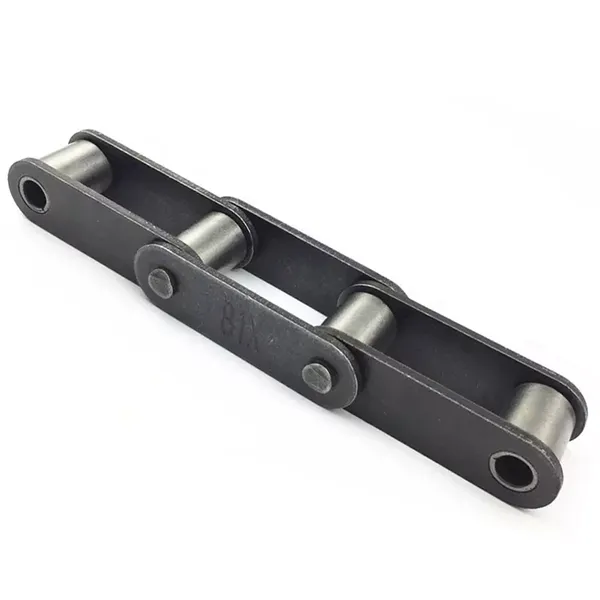
What are the common causes of conveyor chain failures?
Conveyor chain failures can occur due to various reasons, and identifying the root cause is crucial for preventing future issues. Here are some common causes of conveyor chain failures:
- Lack of Lubrication: Insufficient or improper lubrication can lead to increased friction and wear on the chain components, resulting in premature failure.
- Excessive Load: Overloading the conveyor chain beyond its rated capacity can cause excessive stress and strain, leading to chain elongation, deformation, or link breakage.
- Misalignment: Improper alignment of the conveyor chain can cause uneven loading and excessive wear on specific areas, leading to chain failure.
- Environmental Factors: Harsh operating environments, such as high temperatures, corrosive substances, or abrasive materials, can accelerate chain wear and corrosion, leading to failure.
- Foreign Objects: The presence of foreign objects or debris on the conveyor system can interfere with the movement of the chain, causing jamming, binding, or chain damage.
- Poor Maintenance: Inadequate maintenance practices, such as irregular inspections, failure to address minor issues promptly, or neglecting to replace worn components, can contribute to chain failures.
- Incorrect Installation: Improper installation, including incorrect tensioning, misalignment, or using incompatible components, can result in premature chain failure.
- Fatigue and Wear: Continuous operation over time can lead to fatigue and wear in the chain, especially in high-speed or heavy-duty applications, resulting in eventual failure.
Regular maintenance, proper lubrication, adequate training for operators, and adherence to manufacturer guidelines can help mitigate these common causes of conveyor chain failures. Conducting routine inspections, promptly addressing issues, and replacing worn components can also significantly extend the life of the conveyor chain.


editor by CX 2023-09-05