Descrizione del prodotto
acrylic chain link designer puppy key pendant tortoise chains for bags conveyor moissanite cuban stainless steel rope cheville acier inoxydable gold vermeil
Application of acrylic chain
Acrylic chains are a type of chain that is made from acrylic plastic. Acrylic is a strong and durable material that is also lightweight and easy to work with. This makes acrylic chains ideal for a variety of applications, including:
- Jewelry: Acrylic chains are often used in jewelry, as they can be made in various colors and styles. They are also relatively inexpensive, making them a popular choice for budget-minded shoppers.
- Fashion: Acrylic chains are also used in fashion, as they can be used to create a variety of looks. They can be worn as necklaces, bracelets, belts, and more.
- Home décor: Acrylic chains can also be used in home décor, as they can be used to create a variety of looks. They can be used to hang pictures, create curtain rods, and more.
- Crafts: Acrylic chains can also be used in crafts, as they can be used to create a variety of projects. They can be used to make jewelry, home décor, and more.
Acrylic chains are a versatile and affordable material that can be used in a variety of applications. They are strong, durable, and easy to work with, making them a popular choice for many people.
Here are some of the advantages of using acrylic chains:
- Strong and durable: Acrylic chains are made from a strong and durable material that can withstand a lot of wear and tear.
- Lightweight: Acrylic chains are lightweight, making them easy to wear and transport.
- Easy to work with: Acrylic chains are easy to work with, making them a popular choice for DIY projects.
- Affordable: Acrylic chains are an affordable option, making them a great choice for budget-minded shoppers.
Here are some of the disadvantages of using acrylic chains:
- Not as strong as metal chains: Acrylic chains are not as strong as metal chains, so they may not be suitable for all applications.
- Can be damaged by heat: Acrylic chains can be damaged by heat, so they should not be exposed to high temperatures.
- Can be scratched: Acrylic chains can be scratched, so they should be handled with care.
Overall, acrylic chains are a versatile and affordable material that can be used in a variety of applications. They are strong, durable, and easy to work with, making them a popular choice for many people.
| Utilizzo: | Catena di trasmissione, catena portacavi, catena per trasportatori, catena speciale dedicata |
|---|---|
| Materiale: | Ferro |
| Trattamento superficiale: | Oil Blooming |
| Caratteristica: | Resistente all'olio |
| Dimensioni della catena: | 1/2"*3/32" |
| Struttura: | Catena a rulli |
| Esempi: | US$ 9999/Piece 1 pezzo (ordine minimo) | |
|---|

Quali sono i fattori da considerare nella scelta di una catena trasportatrice resistente alla corrosione?
When selecting a corrosion-resistant conveyor chain, several factors need to be considered to ensure the chain’s longevity and performance in corrosive environments. Here are some key considerations:
1. Material Selection: Choose a chain material that is inherently resistant to corrosion. Stainless steel, such as AISI 304 or AISI 316, is a common choice due to its excellent corrosion resistance properties. Other materials like plastic chains or special alloys can also be considered based on the specific application requirements.
2. Coatings and Surface Treatments: In some cases, additional protective coatings or surface treatments can be applied to enhance the chain’s corrosion resistance. These coatings, such as zinc plating, galvanizing, or epoxy coatings, create a barrier between the chain material and corrosive substances, preventing direct contact and reducing the risk of corrosion.
3. Environmental Compatibility: Consider the specific corrosive agents present in the environment where the conveyor chain will be used. Different corrosive substances, such as acids, alkalis, or saltwater, require specific resistance properties. Ensure that the selected chain material and coatings are compatible with the corrosive agents present in the operating environment.
4. Maintenance and Lubrication: Proper maintenance and lubrication play a crucial role in preventing corrosion and extending the life of a conveyor chain. Regular cleaning, inspection, and application of appropriate lubricants can help remove corrosive contaminants and protect the chain surface from degradation.
5. Testing and Certification: Consider chains that have undergone testing and certification for corrosion resistance in relevant industry standards. Look for certifications such as ISO 9227 (salt spray test) or ASTM B117 (corrosion resistance test) to ensure the chain’s performance in corrosive environments.
By carefully considering these factors and consulting with conveyor chain manufacturers or corrosion-resistant experts, you can select a chain that is well-suited for your specific corrosive environment, minimizing the risk of corrosion-related issues and ensuring optimal performance and longevity.
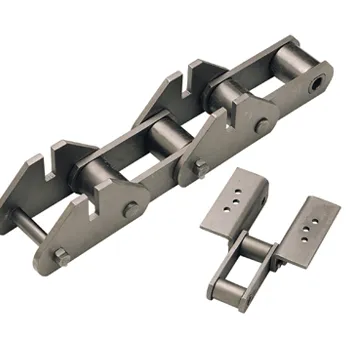
In che modo una catena di trasporto influisce sul flusso dei materiali in una linea di produzione?
Una catena di trasporto svolge un ruolo cruciale nel facilitare il flusso regolare ed efficiente dei materiali in una linea di produzione. Ecco i principali modi in cui una catena di trasporto influisce sul flusso dei materiali:
1. Movimento continuo: una catena di trasporto consente il movimento continuo dei materiali lungo la linea di produzione. Trattenendo e trasportando i materiali in modo sicuro, la catena garantisce un flusso costante senza interruzioni o ritardi.
2. Controllo della velocità: La velocità di movimento della catena di trasporto può essere regolata in base alla velocità di produzione desiderata. Ciò consente un controllo preciso del flusso di materiale, garantendo l'allineamento con i processi a valle ed evitando colli di bottiglia o sovraccarichi.
3. Orientamento e posizionamento: le catene di trasporto possono essere progettate con accessori o dispositivi specifici per orientare e posizionare i materiali nel modo desiderato. Ciò garantisce che i materiali siano presentati correttamente per la lavorazione, l'assemblaggio o l'imballaggio, ottimizzando il flusso produttivo complessivo.
4. Smistamento e deviazione: In alcune applicazioni, le catene di trasporto possono essere dotate di meccanismi per lo smistamento o la deviazione dei materiali in base a criteri predeterminati. Ciò consente un instradamento efficiente di diversi prodotti o componenti verso le rispettive destinazioni, ottimizzando il flusso dei materiali.
5. Accumulo e buffer: le catene di trasporto possono includere zone di accumulo o aree di buffer in cui i materiali possono temporaneamente fermarsi o accumularsi. Questa caratteristica è utile quando i processi a valle subiscono interruzioni temporanee o quando è necessario bilanciare il flusso tra le diverse fasi di produzione.
6. Integrazione con le attrezzature: Le catene di trasporto possono essere integrate con altre attrezzature o macchine presenti nella linea di produzione, come bracci robotici, sistemi di confezionamento automatizzati o stazioni di ispezione. Questa integrazione senza soluzione di continuità consente una movimentazione sincronizzata dei materiali, ottimizzando il flusso e l'efficienza dell'intero processo produttivo.
7. Personalizzazione per esigenze specifiche: le catene di trasporto possono essere personalizzate per soddisfare requisiti specifici di movimentazione dei materiali. Ciò include considerazioni quali larghezza, lunghezza, regolazione dell'altezza, pendenze e accessori o guide speciali. Tale personalizzazione garantisce che il flusso dei materiali sia adattato alle esigenze specifiche della linea di produzione.
Fornendo un metodo affidabile e controllato per il trasporto dei materiali, una catena di trasporto influenza significativamente il flusso dei materiali in una linea di produzione. Aumenta la produttività, riduce la movimentazione manuale, minimizza il rischio di errori o danni e, in definitiva, contribuisce all'efficienza complessiva e al successo del processo produttivo.
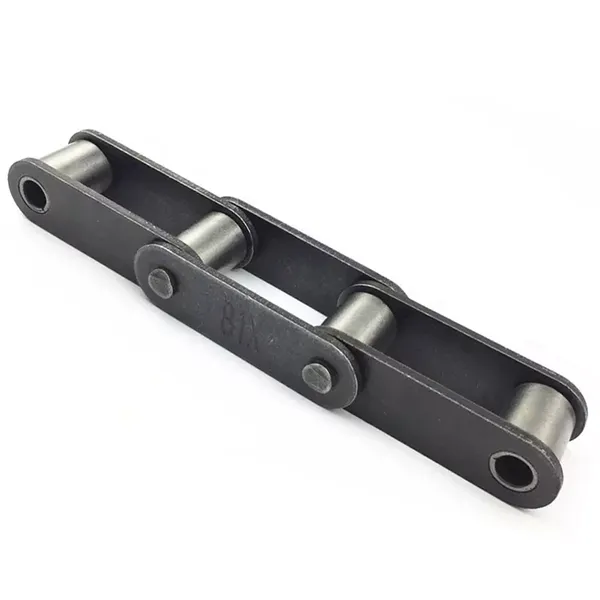
What are the common causes of conveyor chain failures?
Conveyor chain failures can occur due to various reasons, and identifying the root cause is crucial for preventing future issues. Here are some common causes of conveyor chain failures:
- Lack of Lubrication: Insufficient or improper lubrication can lead to increased friction and wear on the chain components, resulting in premature failure.
- Excessive Load: Overloading the conveyor chain beyond its rated capacity can cause excessive stress and strain, leading to chain elongation, deformation, or link breakage.
- Misalignment: Improper alignment of the conveyor chain can cause uneven loading and excessive wear on specific areas, leading to chain failure.
- Environmental Factors: Harsh operating environments, such as high temperatures, corrosive substances, or abrasive materials, can accelerate chain wear and corrosion, leading to failure.
- Foreign Objects: The presence of foreign objects or debris on the conveyor system can interfere with the movement of the chain, causing jamming, binding, or chain damage.
- Poor Maintenance: Inadequate maintenance practices, such as irregular inspections, failure to address minor issues promptly, or neglecting to replace worn components, can contribute to chain failures.
- Incorrect Installation: Improper installation, including incorrect tensioning, misalignment, or using incompatible components, can result in premature chain failure.
- Fatigue and Wear: Continuous operation over time can lead to fatigue and wear in the chain, especially in high-speed or heavy-duty applications, resulting in eventual failure.
Regular maintenance, proper lubrication, adequate training for operators, and adherence to manufacturer guidelines can help mitigate these common causes of conveyor chain failures. Conducting routine inspections, promptly addressing issues, and replacing worn components can also significantly extend the life of the conveyor chain.


editor by CX 2023-09-05