Tuotekuvaus
acrylic chain link designer puppy key pendant tortoise chains for bags conveyor moissanite cuban stainless steel rope cheville acier inoxydable gold vermeil
Application of acrylic chain
Acrylic chains are a type of chain that is made from acrylic plastic. Acrylic is a strong and durable material that is also lightweight and easy to work with. This makes acrylic chains ideal for a variety of applications, including:
- Jewelry: Acrylic chains are often used in jewelry, as they can be made in various colors and styles. They are also relatively inexpensive, making them a popular choice for budget-minded shoppers.
- Fashion: Acrylic chains are also used in fashion, as they can be used to create a variety of looks. They can be worn as necklaces, bracelets, belts, and more.
- Home décor: Acrylic chains can also be used in home décor, as they can be used to create a variety of looks. They can be used to hang pictures, create curtain rods, and more.
- Crafts: Acrylic chains can also be used in crafts, as they can be used to create a variety of projects. They can be used to make jewelry, home décor, and more.
Acrylic chains are a versatile and affordable material that can be used in a variety of applications. They are strong, durable, and easy to work with, making them a popular choice for many people.
Here are some of the advantages of using acrylic chains:
- Strong and durable: Acrylic chains are made from a strong and durable material that can withstand a lot of wear and tear.
- Lightweight: Acrylic chains are lightweight, making them easy to wear and transport.
- Easy to work with: Acrylic chains are easy to work with, making them a popular choice for DIY projects.
- Affordable: Acrylic chains are an affordable option, making them a great choice for budget-minded shoppers.
Here are some of the disadvantages of using acrylic chains:
- Not as strong as metal chains: Acrylic chains are not as strong as metal chains, so they may not be suitable for all applications.
- Can be damaged by heat: Acrylic chains can be damaged by heat, so they should not be exposed to high temperatures.
- Can be scratched: Acrylic chains can be scratched, so they should be handled with care.
Overall, acrylic chains are a versatile and affordable material that can be used in a variety of applications. They are strong, durable, and easy to work with, making them a popular choice for many people.
| Käyttö: | Voimansiirtoketju, vetoketju, kuljetinketju, erillinen erikoisketju |
|---|---|
| Materiaali: | Rauta |
| Pintakäsittely: | Öljyn kukinta |
| Ominaisuus: | Öljynkestävä |
| Ketjun koko: | 1/2" * 3/32" |
| Rakenne: | Rullaketju |
| Näytteet: | US$ 9999/kpl 1 kpl (vähimmäistilaus) | |
|---|

Mitä on otettava huomioon valittaessa korroosionkestävää kuljetinketjua?
When selecting a corrosion-resistant conveyor chain, several factors need to be considered to ensure the chain’s longevity and performance in corrosive environments. Here are some key considerations:
1. Material Selection: Choose a chain material that is inherently resistant to corrosion. Stainless steel, such as AISI 304 or AISI 316, is a common choice due to its excellent corrosion resistance properties. Other materials like plastic chains or special alloys can also be considered based on the specific application requirements.
2. Coatings and Surface Treatments: In some cases, additional protective coatings or surface treatments can be applied to enhance the chain’s corrosion resistance. These coatings, such as zinc plating, galvanizing, or epoxy coatings, create a barrier between the chain material and corrosive substances, preventing direct contact and reducing the risk of corrosion.
3. Environmental Compatibility: Consider the specific corrosive agents present in the environment where the conveyor chain will be used. Different corrosive substances, such as acids, alkalis, or saltwater, require specific resistance properties. Ensure that the selected chain material and coatings are compatible with the corrosive agents present in the operating environment.
4. Maintenance and Lubrication: Proper maintenance and lubrication play a crucial role in preventing corrosion and extending the life of a conveyor chain. Regular cleaning, inspection, and application of appropriate lubricants can help remove corrosive contaminants and protect the chain surface from degradation.
5. Testing and Certification: Consider chains that have undergone testing and certification for corrosion resistance in relevant industry standards. Look for certifications such as ISO 9227 (salt spray test) or ASTM B117 (corrosion resistance test) to ensure the chain’s performance in corrosive environments.
By carefully considering these factors and consulting with conveyor chain manufacturers or corrosion-resistant experts, you can select a chain that is well-suited for your specific corrosive environment, minimizing the risk of corrosion-related issues and ensuring optimal performance and longevity.
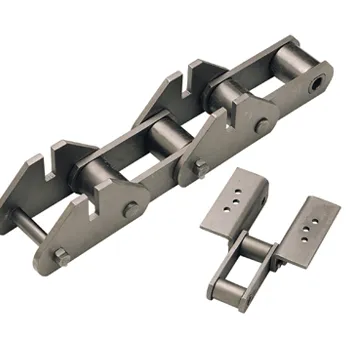
Miten kuljetinketju vaikuttaa materiaalivirtaan tuotantolinjalla?
Kuljetinketjulla on ratkaiseva rooli materiaalien sujuvan ja tehokkaan virtauksen varmistamisessa tuotantolinjalla. Tässä ovat tärkeimmät tavat, joilla kuljetinketju vaikuttaa materiaalivirtaan:
1. Jatkuva liike: Kuljetinketju mahdollistaa materiaalien jatkuvan liikkumisen tuotantolinjalla. Pitämällä ja kuljettamalla materiaaleja turvallisesti ketju varmistaa tasaisen virtauksen ilman keskeytyksiä tai viiveitä.
2. Nopeuden säätö: Kuljetinketjun liikkumisnopeutta voidaan säätää halutun tuotantonopeuden mukaan. Tämä mahdollistaa materiaalivirran tarkan hallinnan varmistaen, että se on linjassa loppupään prosessien kanssa ja välttää pullonkauloja tai ylikuormitusta.
3. Suuntaus ja sijoittelu: Kuljetinketjuihin voidaan asentaa erityisiä kiinnikkeitä tai kiinnikkeitä materiaalien suuntaamiseksi ja sijoitteluksi halutulla tavalla. Tämä varmistaa, että materiaalit esitetään oikein käsittelyä, kokoonpanoa tai pakkausta varten ja optimoi koko tuotantovirran.
4. Lajittelu ja erottelu: Tietyissä sovelluksissa kuljetinketjut voidaan varustaa mekanismeilla materiaalien lajittelua tai erottelua varten ennalta määrättyjen kriteerien perusteella. Tämä mahdollistaa eri tuotteiden tai komponenttien tehokkaan reitittämisen omiin kohteisiinsa ja virtaviivaistaa materiaalivirtaa.
5. Keräys ja puskurointi: Kuljetinketjut voivat sisältää kertymisvyöhykkeitä tai puskurointialueita, joissa materiaalit voivat tilapäisesti pysähtyä tai kerääntyä. Tämä ominaisuus on hyödyllinen, kun jatkoprosessit kohtaavat tilapäisiä häiriöitä tai kun on tarpeen tasapainottaa virtausta eri tuotantovaiheiden välillä.
6. Integrointi laitteisiin: Kuljetinketjut voidaan integroida muihin tuotantolinjan laitteisiin tai koneisiin, kuten robottikäsivarsiin, automatisoituihin pakkausjärjestelmiin tai tarkastusasemiin. Tämä saumaton integrointi mahdollistaa synkronoidun materiaalinkäsittelyn, optimoiden koko tuotantoprosessin virtauksen ja tehokkuuden.
7. Räätälöinti erityistarpeisiin: Kuljetinketjuja voidaan räätälöidä vastaamaan erityisiä materiaalinkäsittelyvaatimuksia. Tähän sisältyvät esimerkiksi ketjun leveys, pituus, korkeuden säädöt, nousut tai laskut sekä erikoiskiinnikkeet tai -ohjaimet. Tällainen räätälöinti varmistaa, että materiaalivirta räätälöidään tuotantolinjan ainutlaatuisiin tarpeisiin.
Tarjoamalla luotettavan ja hallitun menetelmän materiaalien kuljettamiseen, kuljetinketju vaikuttaa merkittävästi materiaalivirtaan tuotantolinjalla. Se parantaa tuottavuutta, vähentää manuaalista käsittelyä, minimoi virheiden tai vaurioiden riskin ja edistää viime kädessä valmistusprosessin kokonaistehokkuutta ja onnistumista.
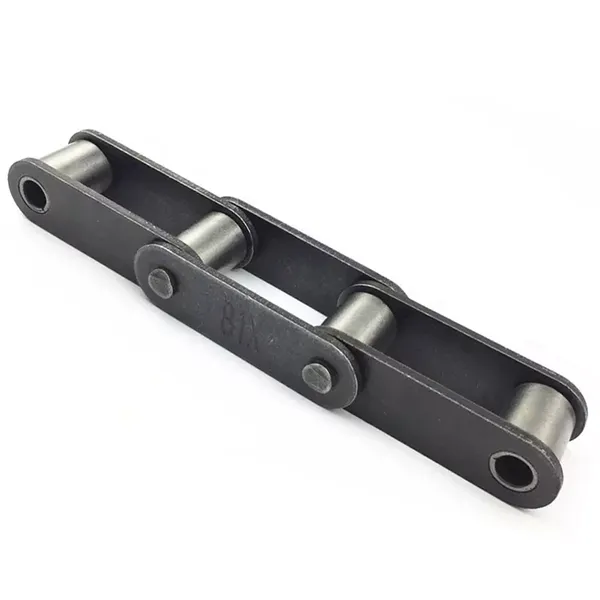
What are the common causes of conveyor chain failures?
Conveyor chain failures can occur due to various reasons, and identifying the root cause is crucial for preventing future issues. Here are some common causes of conveyor chain failures:
- Lack of Lubrication: Insufficient or improper lubrication can lead to increased friction and wear on the chain components, resulting in premature failure.
- Excessive Load: Overloading the conveyor chain beyond its rated capacity can cause excessive stress and strain, leading to chain elongation, deformation, or link breakage.
- Misalignment: Improper alignment of the conveyor chain can cause uneven loading and excessive wear on specific areas, leading to chain failure.
- Environmental Factors: Harsh operating environments, such as high temperatures, corrosive substances, or abrasive materials, can accelerate chain wear and corrosion, leading to failure.
- Foreign Objects: The presence of foreign objects or debris on the conveyor system can interfere with the movement of the chain, causing jamming, binding, or chain damage.
- Poor Maintenance: Inadequate maintenance practices, such as irregular inspections, failure to address minor issues promptly, or neglecting to replace worn components, can contribute to chain failures.
- Incorrect Installation: Improper installation, including incorrect tensioning, misalignment, or using incompatible components, can result in premature chain failure.
- Fatigue and Wear: Continuous operation over time can lead to fatigue and wear in the chain, especially in high-speed or heavy-duty applications, resulting in eventual failure.
Regular maintenance, proper lubrication, adequate training for operators, and adherence to manufacturer guidelines can help mitigate these common causes of conveyor chain failures. Conducting routine inspections, promptly addressing issues, and replacing worn components can also significantly extend the life of the conveyor chain.


editor by CX 2023-09-05