Descripción del Producto
Descripción del Producto
Free Flow Chian
BS25
| Chain Number | model | Paso | Roller Dia. (D) | Roller Dia.(d) | Weight(kg/m) |
| BS25-C206B | SKVR25-1905 | 19.05 | 18.3 | 11.91 | 0.52 |
| BS25-C208A | SKVR25-2540 | 25.4 | 24.6 | 15.88 | 0.79 |
| BS25-C212A | SKVR25-3810 | 38.1 | 36.6 | 22.23 | 2.19 |
BS30
| Chain Number | model | Paso | Roller Dia. (D) | Roller Dia.(d) | Weight(kg/m) |
| BS30-C212A | SKVR30-3810 | 38.1 | 38 | 18 | 2.14 |
Free flow chian, also called plus speed chain, accumulation chain, Differential chain.
Free flow chian, also called plus speed chain, accumulation chain, Differential chain.
It is a popular chain used in pallet/tray conveyor system.
Free flow chian, also called plus speed chain, accumulation chain, Differential chain.
Free flow chain is 1 of the major products of Seikonveyor. Its production is finished in automatic factory. In every month CHINAMFG factory supplys over 500000 CHINAMFG free flow chain to the market. Include different materials types: Nylon, steel, stainless steel. and different color: black, blue, brown. Our free flow chain is widely used in automatic conveyor system, especially for different kinds of assembly lines
BS25 free flow chain production view
Free flow chian, also called plus speed chain, accumulation chain, Differential chain.
BS30 free flow chain production view
Free flow chian, also called plus speed chain, accumulation chain, Differential chain.
We pick perfect rollers to assemble the free flow chain, to ensure the chain run smooth
Free flow chian, also called plus speed chain, accumulation chain, Differential chain.
Bulk production makes our free flow chain with competitive price in the martke.
Free flow chian, also called plus speed chain, accumulation chain, Differential chain.
For bulk order, we provide plywood crate package to protect it from damage during transportation.
/* 22 de enero de 2571 19:08:37 */!function(){function s(e,r){var a,o={};try{e&&e.split(“”,).forEach(function(e,t){e&&(a=e.match(/(.*?):(.*)$/))&&1
| Material: | Plástico |
|---|---|
| Estructura: | Cadena de rodillos |
| Tratamiento de superficie: | Electroplating |
| Característica: | Resistente al fuego, resistente al aceite, resistente al calor. |
| Pitch: | 38.1 |
| Weight: | 6.8kgs/PC |
| Muestras: | US$ 20/Meter 1 metro (pedido mínimo) | |
|---|
| Personalización: | Disponible | Solicitud personalizada |
|---|
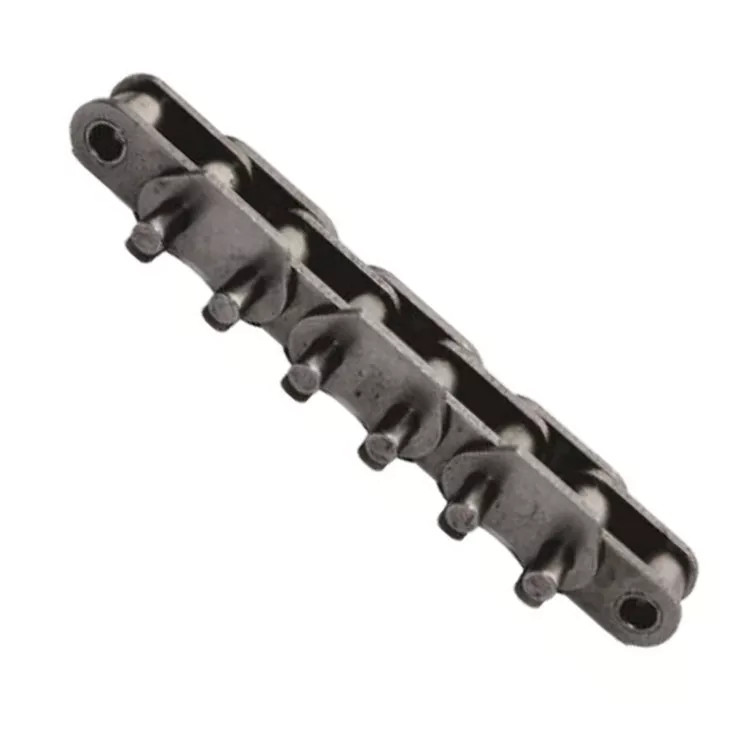
How does a conveyor chain impact energy efficiency in a system?
A conveyor chain plays a significant role in the energy efficiency of a conveyor system. Here are the ways in which it impacts energy efficiency:
1. Reduced Power Consumption:
– A well-designed conveyor chain with low friction characteristics can minimize power consumption. By reducing the frictional resistance between the chain and the conveyor components, less energy is required to move the chain and transport the materials along the conveyor system.
2. Efficient Power Transmission:
– The design and construction of a conveyor chain contribute to efficient power transmission. Chains with optimized pitch, roller diameter, and sprocket tooth profile ensure smooth and effective power transfer, minimizing energy losses during operation.
3. Proper Chain Tensioning:
– Maintaining proper chain tension is crucial for energy efficiency. An adequately tensioned chain ensures optimal contact between the chain and the sprockets, minimizing slippage and power loss. Regular inspections and adjustments of chain tension help maximize energy efficiency.
4. Alignment and Tracking:
– Proper alignment and tracking of the conveyor chain are essential for energy efficiency. Misaligned or poorly tracked chains can cause increased friction, leading to higher energy consumption. Regular monitoring and adjustment of the chain’s alignment ensure smooth and efficient operation.
5. Regular Maintenance:
– Performing routine maintenance on the conveyor chain, including lubrication, cleaning, and inspection, helps maintain optimal performance and energy efficiency. Adequate lubrication reduces friction and wear, minimizing power losses and extending the chain’s lifespan.
6. System Design Optimization:
– Considering energy efficiency during the design phase of a conveyor system can significantly impact its overall efficiency. Proper selection of conveyor chain components, such as low-friction materials and efficient drive systems, can help minimize energy consumption and improve the system’s energy efficiency.
By employing these practices and utilizing energy-efficient conveyor chain technologies, businesses can reduce energy costs, minimize environmental impact, and enhance the overall sustainability of their operations.
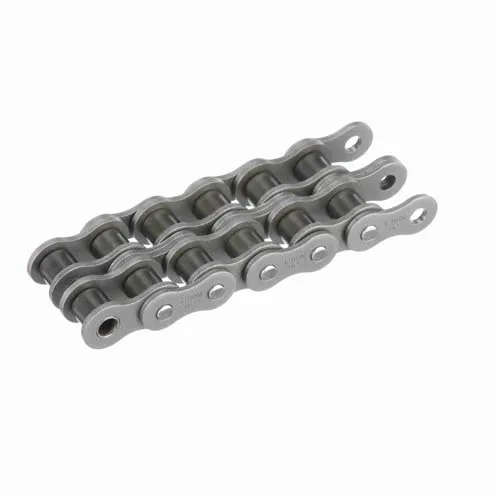
¿Cuáles son las ventajas de utilizar un sistema de cadena transportadora modular?
Un sistema modular de cadena transportadora ofrece varias ventajas en términos de flexibilidad, eficiencia y facilidad de mantenimiento. Estas son algunas de las principales ventajas:
1. Versatilidad: Las cadenas transportadoras modulares están diseñadas con módulos entrelazados que se conectan y desconectan fácilmente. Esto permite una configuración flexible del sistema de transporte según los requisitos de diseño, las necesidades de producción o las limitaciones de espacio. Los módulos se pueden añadir, quitar o reposicionar para adaptarse a los cambios en los procesos de producción o a las variaciones del producto.
2. Personalización: El diseño modular del sistema de cadena transportadora permite personalizarlo para satisfacer los requisitos específicos de cada aplicación. Se encuentran disponibles diferentes tipos de módulos, incluyendo tramos rectos, curvas, inclinaciones, descensos, fusiones y desviadores. Accesorios como guías laterales, grapas o sistemas de sujeción de productos se pueden integrar fácilmente al sistema.
3. Instalación y modificación rápidas: Las cadenas transportadoras modulares están diseñadas para una fácil instalación y modificación. Gracias a sus conexiones de encaje a presión, los módulos se pueden ensamblar o desensamblar rápidamente, lo que reduce el tiempo de inactividad durante la configuración o reconfiguración del sistema. Esta característica también facilita el mantenimiento, las reparaciones y las futuras ampliaciones.
4. Mayor eficiencia: La modularidad del sistema de cadena transportadora permite una manipulación eficiente de los materiales y un flujo de trabajo optimizado. La transferencia fluida entre módulos minimiza los atascos o desalineaciones de los productos, garantizando un flujo continuo y constante de materiales. La posibilidad de incorporar curvas o pendientes en el sistema permite un uso eficiente del espacio y facilita el movimiento de los productos a través de diferentes alturas.
5. Fácil mantenimiento: Los sistemas modulares de cadenas transportadoras están diseñados para facilitar el mantenimiento. Los módulos individuales se pueden acceder y reemplazar fácilmente sin necesidad de desmontar todo el sistema. Esto reduce el tiempo y los costos de mantenimiento. Además, la estructura abierta de los módulos permite una limpieza, eliminación de residuos e inspección sencillas.
6. Durabilidad y fiabilidad: Las cadenas transportadoras modulares suelen estar fabricadas con materiales de alta calidad, como plástico o acero inoxidable, lo que garantiza su durabilidad y un rendimiento prolongado. Son resistentes al desgaste, la corrosión y los daños químicos, lo que las hace idóneas para diversos entornos industriales. Su diseño entrelazado proporciona estabilidad y evita el deslizamiento de la cadena durante el funcionamiento.
7. Características de seguridad: Los sistemas modulares de cadenas transportadoras pueden incorporar características de seguridad como botones de parada de emergencia, protecciones o sensores para detectar bloqueos o cargas excesivas. Estas características contribuyen a mantener un entorno de trabajo seguro para los operarios y protegen la integridad de los productos transportados.
En resumen, un sistema modular de cadenas transportadoras ofrece versatilidad, personalización, eficiencia y facilidad de mantenimiento. Es una solución fiable para la manipulación de materiales en sectores como la fabricación, el embalaje, la distribución y la logística.

What are the main components of a conveyor chain?
The main components of a conveyor chain include:
- Chain Links: Chain links are the individual components that make up the conveyor chain. They are typically made of metal and are connected to form a continuous loop. The design and configuration of the chain links can vary depending on the specific application and load requirements.
- Pins: Pins are the cylindrical components that hold the chain links together. They are inserted through the end of each chain link to create a solid connection. Pins are usually made of hardened steel to withstand the forces and friction within the conveyor system.
- Sprockets: Sprockets are toothed wheels that engage with the chain links and provide the driving force to move the conveyor chain. They are typically made of durable materials such as steel or plastic and are designed to match the pitch and profile of the conveyor chain. Sprockets come in various sizes and configurations depending on the desired speed and load capacity of the conveyor system.
- Guide Rails: Guide rails are stationary components installed along the conveyor path to guide and support the movement of the conveyor chain. They help maintain proper alignment and prevent the chain from derailing or deviating from its intended path.
- Tensioners: Tensioners are devices used to maintain the proper tension in the conveyor chain. They ensure that the chain remains taut and engaged with the sprockets, preventing slack or excessive sagging. Tensioners can be adjusted to accommodate variations in chain length and to compensate for wear over time.
- Attachments and Accessories: Depending on the specific application, conveyor chains may include various attachments and accessories. These can include cleats, flights, buckets, or other devices that aid in the movement and handling of specific types of materials. These attachments are typically secured to the chain links at specific intervals or locations.
The combination of these components creates a robust and reliable conveyor chain system capable of efficiently transporting materials in a wide range of industrial applications.


editor by CX 2024-03-28