Penerangan Produk
Penerangan Produk
Free Flow Chian
BS25
| Chain Number | model | Padang | Roller Dia. (D) | Roller Dia.(d) | Weight(kg/m) |
| BS25-C206B | SKVR25-1905 | 19.05 | 18.3 | 11.91 | 0.52 |
| BS25-C208A | SKVR25-2540 | 25.4 | 24.6 | 15.88 | 0.79 |
| BS25-C212A | SKVR25-3810 | 38.1 | 36.6 | 22.23 | 2.19 |
BS30
| Chain Number | model | Padang | Roller Dia. (D) | Roller Dia.(d) | Weight(kg/m) |
| BS30-C212A | SKVR30-3810 | 38.1 | 38 | 18 | 2.14 |
Free flow chian, also called plus speed chain, accumulation chain, Differential chain.
Free flow chian, also called plus speed chain, accumulation chain, Differential chain.
It is a popular chain used in pallet/tray conveyor system.
Free flow chian, also called plus speed chain, accumulation chain, Differential chain.
Free flow chain is 1 of the major products of Seikonveyor. Its production is finished in automatic factory. In every month CHINAMFG factory supplys over 500000 CHINAMFG free flow chain to the market. Include different materials types: Nylon, steel, stainless steel. and different color: black, blue, brown. Our free flow chain is widely used in automatic conveyor system, especially for different kinds of assembly lines
BS25 free flow chain production view
Free flow chian, also called plus speed chain, accumulation chain, Differential chain.
BS30 free flow chain production view
Free flow chian, also called plus speed chain, accumulation chain, Differential chain.
We pick perfect rollers to assemble the free flow chain, to ensure the chain run smooth
Free flow chian, also called plus speed chain, accumulation chain, Differential chain.
Bulk production makes our free flow chain with competitive price in the martke.
Free flow chian, also called plus speed chain, accumulation chain, Differential chain.
For bulk order, we provide plywood crate package to protect it from damage during transportation.
/* 22 Januari 2571 19:08:37 */!function(){function s(e,r){var a,o={};try{e&&e.split(“,”).forEach(function(e,t){e&&(a=e.match(/(.*?):(.*)$/)&
| Bahan: | Plastik |
|---|---|
| Struktur: | Rantai Penggelek |
| Rawatan Permukaan: | Penyaduran Elektro |
| Ciri: | Fire Resistant, Oil Resistant, Heat Resistant |
| Pitch: | 38.1 |
| Weight: | 6.8kgs/PC |
| Sampel: | US$ 20/Meter 1 Meter (Pesanan Minimum) | |
|---|
| Penyesuaian: | Tersedia | Permintaan Tersuai |
|---|
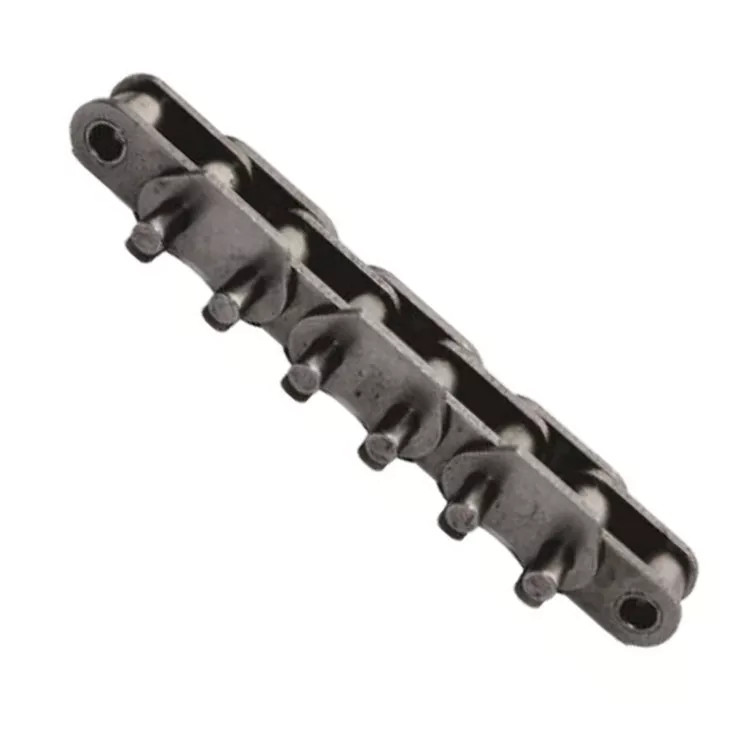
How does a conveyor chain impact energy efficiency in a system?
A conveyor chain plays a significant role in the energy efficiency of a conveyor system. Here are the ways in which it impacts energy efficiency:
1. Reduced Power Consumption:
– A well-designed conveyor chain with low friction characteristics can minimize power consumption. By reducing the frictional resistance between the chain and the conveyor components, less energy is required to move the chain and transport the materials along the conveyor system.
2. Efficient Power Transmission:
– The design and construction of a conveyor chain contribute to efficient power transmission. Chains with optimized pitch, roller diameter, and sprocket tooth profile ensure smooth and effective power transfer, minimizing energy losses during operation.
3. Proper Chain Tensioning:
– Maintaining proper chain tension is crucial for energy efficiency. An adequately tensioned chain ensures optimal contact between the chain and the sprockets, minimizing slippage and power loss. Regular inspections and adjustments of chain tension help maximize energy efficiency.
4. Alignment and Tracking:
– Proper alignment and tracking of the conveyor chain are essential for energy efficiency. Misaligned or poorly tracked chains can cause increased friction, leading to higher energy consumption. Regular monitoring and adjustment of the chain’s alignment ensure smooth and efficient operation.
5. Regular Maintenance:
– Performing routine maintenance on the conveyor chain, including lubrication, cleaning, and inspection, helps maintain optimal performance and energy efficiency. Adequate lubrication reduces friction and wear, minimizing power losses and extending the chain’s lifespan.
6. System Design Optimization:
– Considering energy efficiency during the design phase of a conveyor system can significantly impact its overall efficiency. Proper selection of conveyor chain components, such as low-friction materials and efficient drive systems, can help minimize energy consumption and improve the system’s energy efficiency.
By employing these practices and utilizing energy-efficient conveyor chain technologies, businesses can reduce energy costs, minimize environmental impact, and enhance the overall sustainability of their operations.
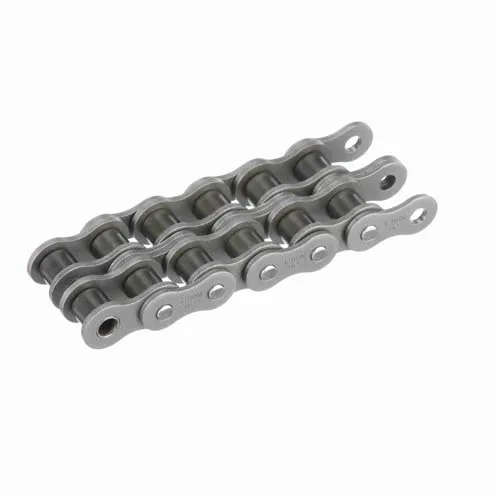
Apakah faedah menggunakan sistem rantai penghantar modular?
Sistem rantai penghantar modular menawarkan beberapa faedah dari segi fleksibiliti, kecekapan dan kemudahan penyelenggaraan. Berikut adalah beberapa kelebihan utama:
1. Kebolehgunaan: Rantai penghantar modular direka bentuk dengan modul saling berkunci yang boleh disambungkan dan diputuskan sambungannya dengan mudah. Ini membolehkan fleksibiliti dalam mengkonfigurasi sistem penghantar mengikut keperluan susun atur tertentu, keperluan pengeluaran atau batasan ruang. Modul boleh ditambah, dialih keluar atau diletakkan semula untuk menampung perubahan proses pengeluaran atau variasi produk.
2. Kebolehsuaian: Reka bentuk modular sistem rantai penghantar membolehkan penyesuaian untuk memenuhi keperluan aplikasi tertentu. Pelbagai jenis modul tersedia, termasuk bahagian lurus, lengkung, condong, menurun, bergabung dan pengalih. Aksesori seperti panduan sisi, cleat atau penahan produk boleh diintegrasikan dengan mudah ke dalam sistem.
3. Pemasangan dan Pengubahsuaian Pantas: Rantai penghantar modular direka bentuk untuk pemasangan dan pengubahsuaian yang mudah. Dengan sambungan snap-in atau snap-onnya, modul boleh dipasang atau ditanggalkan dengan cepat, sekali gus mengurangkan masa henti semasa persediaan atau konfigurasi semula sistem. Ciri ini juga memudahkan penyelenggaraan, pembaikan atau pengembangan pada masa hadapan.
4. Kecekapan yang Dipertingkatkan: Modulariti sistem rantai penghantar membolehkan pengendalian bahan yang cekap dan aliran kerja yang dioptimumkan. Pemindahan yang lancar antara modul meminimumkan kesesakan atau ketidaksejajaran produk, memastikan aliran bahan yang berterusan dan konsisten. Keupayaan untuk menggabungkan lengkungan atau kecondongan dalam sistem membolehkan penggunaan ruang lantai yang cekap dan memudahkan pergerakan produk melalui ketinggian yang berbeza.
5. Penyelenggaraan Mudah: Sistem rantai penghantar modular direka bentuk untuk memudahkan penyelenggaraan. Modul individu boleh diakses dan diganti dengan mudah tanpa perlu membuka keseluruhan sistem. Ini mengurangkan masa dan kos penyelenggaraan. Di samping itu, struktur modul yang terbuka membolehkan pembersihan, penyingkiran serpihan dan pemeriksaan yang mudah.
6. Ketahanan dan Kebolehpercayaan: Rantai penghantar modular biasanya diperbuat daripada bahan berkualiti tinggi seperti plastik atau keluli tahan karat, bagi memastikan ketahanan dan prestasi yang tahan lama. Rantai ini tahan haus, kakisan dan kerosakan kimia, menjadikannya sesuai untuk pelbagai persekitaran perindustrian. Reka bentuk saling kunci memberikan kestabilan dan mencegah gelinciran rantai semasa operasi.
7. Ciri Keselamatan: Sistem rantai penghantar modular boleh menggabungkan ciri keselamatan seperti butang berhenti kecemasan, pelindung keselamatan atau sensor untuk mengesan sekatan atau beban berlebihan. Ciri-ciri ini membantu mengekalkan persekitaran kerja yang selamat untuk pengendali dan melindungi integriti produk yang diangkut.
Secara keseluruhannya, sistem rantai penghantar modular menawarkan fleksibiliti, kebolehsuaian, kecekapan dan kemudahan penyelenggaraan. Ia merupakan penyelesaian yang andal untuk pengendalian bahan dalam industri seperti pembuatan, pembungkusan, pengedaran dan logistik.

What are the main components of a conveyor chain?
The main components of a conveyor chain include:
- Chain Links: Chain links are the individual components that make up the conveyor chain. They are typically made of metal and are connected to form a continuous loop. The design and configuration of the chain links can vary depending on the specific application and load requirements.
- Pins: Pins are the cylindrical components that hold the chain links together. They are inserted through the end of each chain link to create a solid connection. Pins are usually made of hardened steel to withstand the forces and friction within the conveyor system.
- Sproket: Sprockets are toothed wheels that engage with the chain links and provide the driving force to move the conveyor chain. They are typically made of durable materials such as steel or plastic and are designed to match the pitch and profile of the conveyor chain. Sprockets come in various sizes and configurations depending on the desired speed and load capacity of the conveyor system.
- Guide Rails: Guide rails are stationary components installed along the conveyor path to guide and support the movement of the conveyor chain. They help maintain proper alignment and prevent the chain from derailing or deviating from its intended path.
- Tensioners: Tensioners are devices used to maintain the proper tension in the conveyor chain. They ensure that the chain remains taut and engaged with the sprockets, preventing slack or excessive sagging. Tensioners can be adjusted to accommodate variations in chain length and to compensate for wear over time.
- Attachments and Accessories: Depending on the specific application, conveyor chains may include various attachments and accessories. These can include cleats, flights, buckets, or other devices that aid in the movement and handling of specific types of materials. These attachments are typically secured to the chain links at specific intervals or locations.
The combination of these components creates a robust and reliable conveyor chain system capable of efficiently transporting materials in a wide range of industrial applications.


editor by CX 2024-03-28