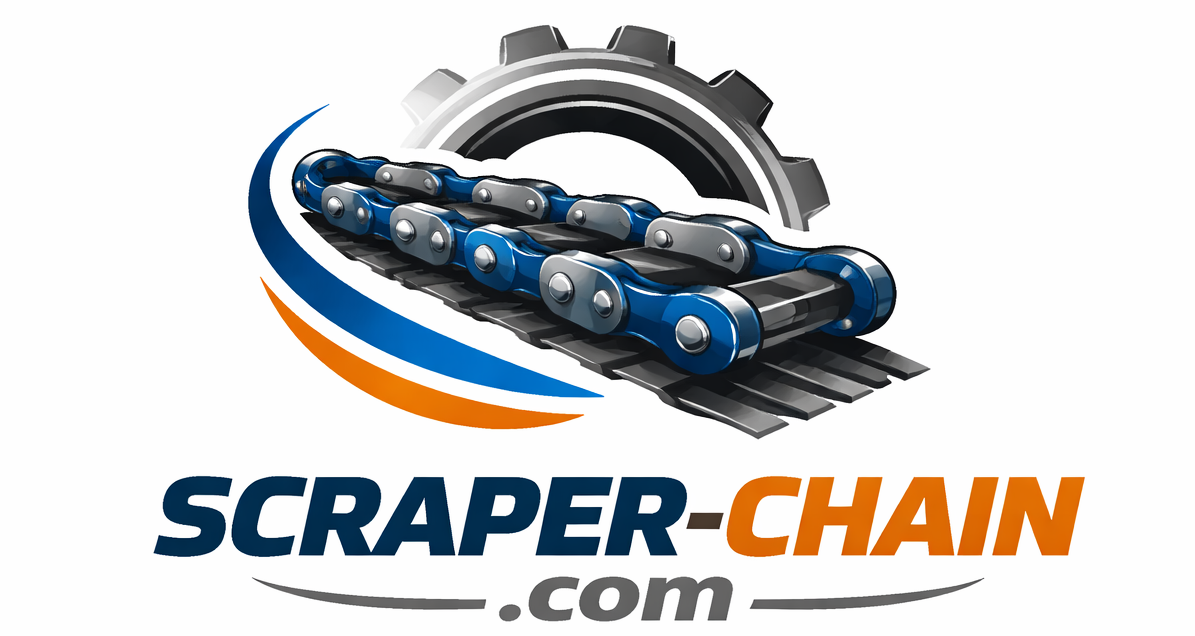
Descrizione del prodotto
Materiale: 20Mn2
Standard: Norma EN818-7
Fine:Xihu (Lago dell'Ovest) Dis.capannone, zincato, verniciato, colore naturale, annerito ecc.
Tecnologia:Forgiato a caldo, lucidato
Misurare: Dimensioni standard (da 6 mm a 38 mm)
Garanzia di sicurezza:Fattore di sicurezza quadruplo, pari a 2,5 volte il carico di prova.
Imballaggio:Cartone/Cassa di legno/Secondo le esigenze del cliente.
Applicazione:Sollevamento del carico.
| Zize dxp(mm) | Larghezza | Peso approssimativo (kg/m) | Limite di carico di lavoro(t) | Carico di prova (kN) | Carico di rottura min. kN | |
| All'interno di min.b1 | Esterno max.b2 | |||||
| 3×9 | 3.8 | 10.7 | 0.21 | 0.28 | 7.1 | 11.3 |
| 4×12 | 5 | 14.3 | 0.35 | 0.5 | 12.6 | 20.1 |
| 5×15 | 6.3 | 17.9 | 0.54 | 0.8 | 19.6 | 31.4 |
| 6×18 | 7.5 | 21 | 0.79 | 1.1 | 27 | 45.2 |
| 6,3×19 | 7.9 | 22.6 | 0.86 | 1.25 | 31.2 | 49.9 |
| 7×21 | 9 | 24.5 | 1.07 | 1.5 | 37 | 61.6 |
| 8×24 | 10 | 28 | 1.38 | 2 | 48 | 80.4 |
| 9×27 | 11.3 | 32.2 | 1.76 | 2.5 | 63.6 | 102 |
| 10×30 | 12.5 | 35 | 2.2 | 3.2 | 76 | 125 |
| 11,2×33,6 | 14 | 40.1 | 2.71 | 4 | 98.5 | 158 |
| 11×43 | 12.6 | 36.5 | 2.33 | 3.8 | 92 | 154 |
| 12×36 | 15 | 42 | 3.1 | 4.6 | 109 | 181 |
| 12,5×38 | 15.5 | 42.2 | 3.3 | 4.9 | 117 | 196 |
| 13×39 | 16.3 | 46 | 3.8 | 5 | 128 | 214 |
| 14×42 | 18 | 49 | 4.13 | 6.3 | 150 | 250 |
| 14×50 | 17 | 48 | 4 | 6.3 | 150 | 250 |
| 15×46 | 20 | 52 | 5.17 | 7 | 168 | 280 |
| 16×48 | 20 | 56 | 5.63 | 8 | 192 | 320 |
| 16×49 | 24.5 | 59.5 | 5.71 | 8 | 192 | 320 |
| 16×64 | 23.9 | 58.9 | 5.11 | 8 | 192 | 320 |
| 18×54 | 23 | 63 | 6.85 | 10 | 246 | 410 |
| 18×54 | 21 | 60 | 6.6 | 10 | 246 | 410 |
| 19×57 | 23.7 | 63.2 | 7.7 | 11.3 | 270 | 450 |
| 20×60 | 25 | 70 | 8.6 | 12.5 | 300 | 500 |
| 22×65 | 28 | 74.2 | 10.7 | 15.3 | 366 | 610 |
| 22×66 | 28 | 77 | 10.2 | 15.3 | 366 | 610 |
| 22×86 | 26 | 74 | 9.5 | 15.3 | 366 | 610 |
| 24×72 | 32 | 82 | 12.78 | 18 | 432 | 720 |
| 24×86 | 28 | 79 | 11.6 | 18 | 432 | 720 |
| 26×78 | 35 | 91 | 14.87 | 21.3 | 510 | 720 |
| 26×92 | 30 | 86 | 13.7 | 21.3 | 510 | 850 |
norma EN818-7
*Vi preghiamo di contattarci per verificare la disponibilità di questo prodotto.
HangZhou Xinquanxi Metal Products Co., Ltd.
Indirizzo:
604-1 Villaggio nord di Wangyanzhuang Città di Lancun Xihu (Lago occidentale) Dis. Distretto HangZhou Cina.
HangZhou Xinquanxi Metal Products Co.,Ltd. è un produttore professionale di componenti forgiati e fusi con oltre 20 anni di esperienza, caratterizzato da alta qualità e prezzi competitivi.
Siamo lieti di cogliere l'opportunità di instaurare un rapporto commerciale con voi.
I nostri prodotti principali sono: attrezzature di sollevamento: tenditori (a corpo aperto JIS, tenditori forgiati 1480, tenditori forgiati tipo US, viti di sollevamento), grilli forgiati, catene, golfari e dadi ad occhiello, ganci forgiati e prodotti speciali personalizzati, vari set di anelli, anelli a D, anelli principali, moschettoni, pulegge, ecc.;
Codice angolare, bullone ad espansione, supporto antisismico, guardrail e altri materiali da costruzione.
Fusione di tubi, tombini, pali stradali, bottoni per container, ancore, attrezzature per l'allevamento di ogni genere e altri prodotti di fusione.
Attendiamo con ansia notizie positive da parte di CHINAMFG.
FAQ
1. Siete una fabbrica o una società commerciale?
Possediamo una fonderia e un'officina di forgiatura interne. L'officina di forgiatura dispone di 4 linee di produzione e vanta un'esperienza di oltre 20 anni; la fonderia ha un'esperienza di oltre 30 anni.
2. Come controllate la qualità?
1: Controllo durante la fase di ricerca e sviluppo all'inizio della produzione
2: Controllo del processo produttivo
3: Controllo dimensionale
4: Prove di trazione
5: Controllo qualità prima della consegna
3. Possiamo apporre i marchi del nostro prodotto?
Sì, possiamo aggiungere marcature al prodotto in base alle vostre esigenze.
4. E per quanto riguarda i bagagli?
Sacchi in tessuto, cartoni, pallet in compensato o secondo le esigenze del cliente.
/* 22 gennaio 2571 19:08:37 */!function(){function s(e,r){var a,o={};try{e&&e.split(“,”).forEach(function(e,t){e&&(a=e.match(/(.*?):(.*)$/))&&1
| Utilizzo: | Catena di trasmissione, catena portacavi, catena per trasportatori, catena speciale dedicata |
|---|---|
| Materiale: | Lega |
| Trattamento superficiale: | Pittura da forno |
| Esempi: | US$ 1,7/Pezzo 1 pezzo (ordine minimo) | Ordina un campione Secondo la richiesta dell'acquirente |
|---|
| Personalizzazione: | Disponibile | Richiesta personalizzata |
|---|
.shipping-cost-tm .tm-status-off{background: none;padding:0;color: #1470cc}
| Costo di spedizione: Costo stimato per unità. | Informazioni sui costi di spedizione e sui tempi di consegna stimati. |
|---|
| Metodo di pagamento: |
|
|---|---|
| Pagamento iniziale Pagamento completo |
| Valuta: | US$ |
|---|
| Resi e rimborsi: | È possibile richiedere un rimborso entro 30 giorni dalla ricezione dei prodotti. |
|---|
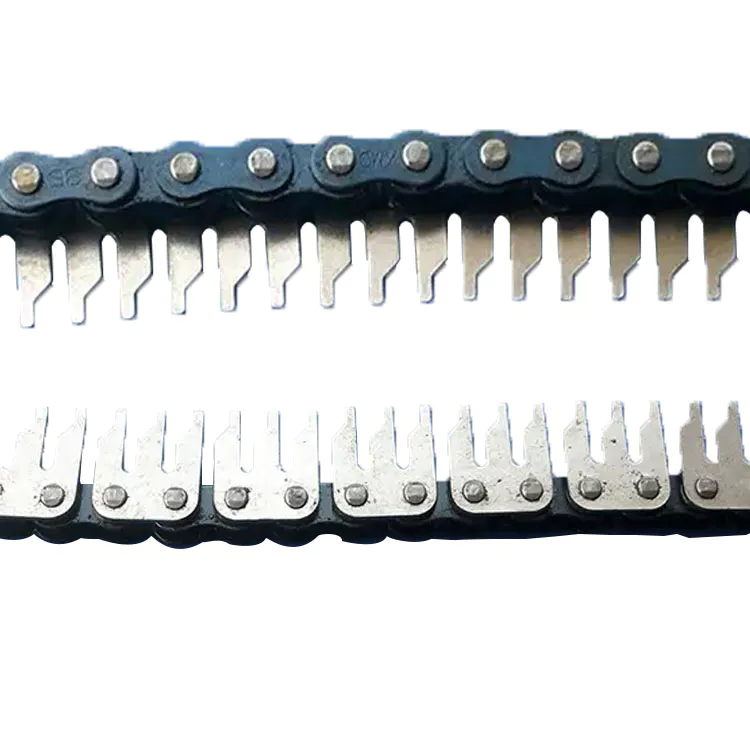
È possibile utilizzare una catena di trasporto nelle linee di assemblaggio automobilistiche?
Sì, una catena di trasporto può essere utilizzata efficacemente nelle linee di assemblaggio automobilistiche. Ecco perché:
1. Gestione efficiente dei materiali:
– Le catene di trasporto rappresentano un mezzo affidabile ed efficiente per il trasporto di componenti e parti automobilistiche lungo la linea di assemblaggio. Sono in grado di gestire carichi pesanti e di resistere alle rigorose esigenze della produzione automobilistica.
2. Versatilità:
– Le catene di trasporto offrono versatilità in termini di design e configurazione. Possono essere personalizzate per adattarsi a diversi processi di assemblaggio, come la saldatura della carrozzeria, la verniciatura, l'assemblaggio e il controllo finale.
3. Posizionamento preciso:
– Le catene di trasporto consentono un posizionamento e una sincronizzazione precisi dei componenti automobilistici, garantendo un assemblaggio e un allineamento accurati durante il processo produttivo. Ciò contribuisce a mantenere una qualità costante e a ridurre gli errori.
4. Integrazione dell'automazione:
– Le catene di trasporto possono essere facilmente integrate con i sistemi di automazione nelle linee di assemblaggio automobilistiche. Possono funzionare in combinazione con bracci robotici, sistemi di visione e altre apparecchiature automatizzate per ottimizzare il processo produttivo e migliorarne l'efficienza.
5. Flessibilità della linea di assemblaggio:
– Le catene di trasporto offrono flessibilità in termini di configurazione e layout della linea. Possono essere progettate per adattarsi a diverse configurazioni di linee di assemblaggio, inclusi tratti rettilinei, curve, salite e discese, per soddisfare i requisiti specifici dei processi di assemblaggio automobilistico.
6. Ottimizzazione dello spazio:
– Le catene di trasporto contribuiscono a ottimizzare l'utilizzo dello spazio negli impianti di assemblaggio automobilistico. Possono essere progettate per aggirare attrezzature e infrastrutture esistenti, sfruttando in modo efficiente lo spazio disponibile.
7. Sicurezza:
– Le catene di trasporto sono progettate con dispositivi di sicurezza per proteggere gli operatori e prevenire incidenti. Comandi di arresto di emergenza, protezioni e meccanismi di interblocco garantiscono il funzionamento sicuro della linea di assemblaggio.
8. Aumento della velocità di produzione:
– Grazie all'utilizzo di catene di trasporto, le linee di assemblaggio automobilistiche possono raggiungere velocità di produzione più elevate, consentendo cicli di produzione più rapidi e una maggiore produttività.
Nel complesso, le catene di trasporto svolgono un ruolo cruciale nel migliorare l'efficienza, la produttività e la sicurezza delle linee di assemblaggio automobilistiche, contribuendo a una produzione di veicoli fluida e senza intoppi.
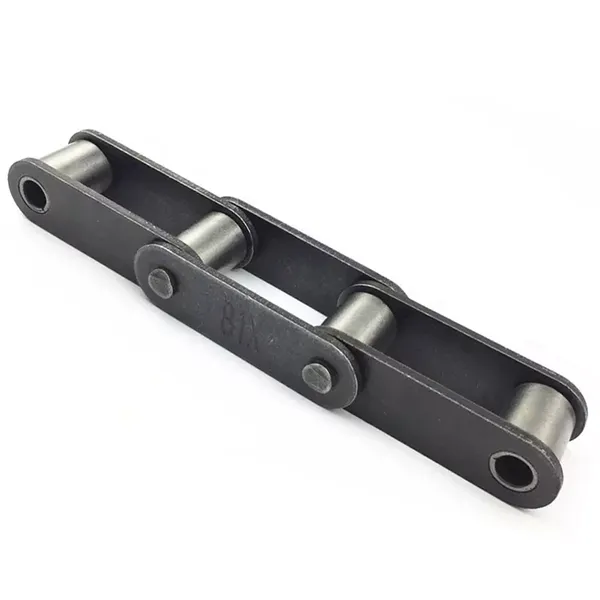
Quali sono le tendenze e i progressi futuri nella tecnologia delle catene di trasporto?
Il settore della tecnologia delle catene di trasporto è in continua evoluzione, spinto dalla necessità di migliorare l'efficienza, la produttività e la sostenibilità. Ecco alcune delle tendenze e dei progressi futuri nella tecnologia delle catene di trasporto:
1. Automazione e robotica: L'integrazione delle catene di trasporto con sistemi di automazione e robotica è una tendenza in crescita. Ciò include l'utilizzo di sensori avanzati, visione artificiale e intelligenza artificiale per consentire il funzionamento autonomo, il posizionamento preciso e la movimentazione efficiente dei materiali.
2. Sistemi intelligenti e connessi: le catene di trasporto sono sempre più connesse grazie alla tecnologia dell'Internet delle cose (IoT). Ciò consente il monitoraggio in tempo reale, la raccolta dati e l'analisi di vari parametri prestazionali come l'usura della catena, la tensione, la temperatura e il consumo energetico. I sistemi intelligenti possono ottimizzare i programmi di manutenzione, rilevare potenziali guasti e migliorare l'efficienza complessiva del sistema.
3. Materiali leggeri e ad alta resistenza: Lo sviluppo di materiali leggeri ma ad alta resistenza è un obiettivo costante nella tecnologia delle catene di trasporto. Leghe avanzate, compositi e plastiche ingegnerizzate offrono migliori rapporti resistenza-peso, riducendo il consumo energetico e aumentando la capacità di carico dei sistemi di trasporto.
4. Efficienza energetica: L'efficienza energetica è un fattore chiave nella progettazione delle catene portacavi. I futuri sviluppi mirano a minimizzare il consumo energetico attraverso l'utilizzo di sistemi di azionamento efficienti, frenatura rigenerativa e algoritmi di controllo intelligenti che ottimizzano i profili di velocità e accelerazione. Le tecnologie di recupero energetico, come gli azionamenti rigenerativi, possono anche catturare e riutilizzare l'energia durante la decelerazione o la frenata.
5. Sostenibilità e rispetto dell'ambiente: la tecnologia delle catene di trasporto si sta evolvendo verso soluzioni più sostenibili ed ecocompatibili. Ciò include l'utilizzo di materiali ecocompatibili, tecniche di lubrificazione migliorate per ridurre al minimo l'impatto ambientale e l'adozione di componenti e sistemi a basso consumo energetico. Anche i concetti di riciclo ed economia circolare stanno acquisendo importanza nella progettazione e produzione delle catene di trasporto.
6. Monitoraggio avanzato dell'usura e manutenzione predittiva: Il futuro della tecnologia delle catene di trasporto prevede sistemi avanzati di monitoraggio dell'usura in grado di prevedere con precisione la vita utile residua di catene e componenti. Ciò consente una pianificazione proattiva della manutenzione e riduce i tempi di fermo non programmati. Gli algoritmi di manutenzione predittiva analizzano i dati raccolti dai sensori e forniscono avvisi tempestivi per la sostituzione o la riparazione della catena.
Questi sono solo alcuni esempi delle tendenze future e dei progressi nella tecnologia delle catene di trasporto. Con il continuo progresso tecnologico, possiamo aspettarci ulteriori innovazioni che miglioreranno le prestazioni, l'efficienza, l'affidabilità e la sostenibilità dei sistemi di trasporto.
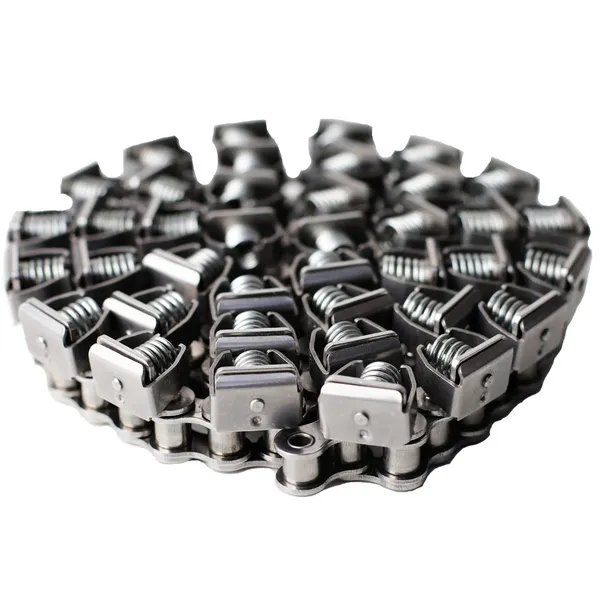
Qual è la capacità di carico di una catena di trasporto?
La capacità di carico di una catena di trasporto dipende da diversi fattori, tra cui il design della catena, il materiale, le dimensioni e le condizioni operative. È fondamentale considerare i requisiti specifici dell'applicazione quando si determina la capacità di carico di una catena di trasporto. Ecco alcuni fattori chiave da considerare:
- Design della catena: Le diverse tipologie di catene per nastri trasportatori hanno capacità di carico variabili. La progettazione della catena include fattori quali il tipo di maglie, la loro configurazione e la presenza di accessori o rulli.
- Materiale: Il materiale utilizzato per la fabbricazione della catena di trasporto influisce notevolmente sulla sua capacità di carico. I materiali più comuni includono acciaio, acciaio inossidabile e plastica. Le catene in acciaio sono generalmente più robuste e hanno una maggiore capacità di carico.
- Dimensioni della catena: Le dimensioni della catena di trasporto, inclusi il passo e la larghezza, influiscono sulla sua capacità di carico. Le catene più grandi con maglie più larghe tendono ad avere una maggiore capacità di carico.
- Condizioni operative: Fattori quali la velocità del nastro trasportatore, il tipo e il peso dei materiali trasportati e le condizioni ambientali (temperatura, umidità, ecc.) possono influire sulla capacità di carico della catena.
- Specifiche del produttore: È fondamentale consultare le specifiche e le linee guida del produttore per la catena di trasporto specifica che si intende utilizzare. I produttori in genere forniscono tabelle o grafici di capacità di carico basati sui loro modelli di catena.
La capacità di carico di una catena di trasporto viene generalmente specificata in termini di carico di lavoro massimo consentito o resistenza alla rottura. Questi valori vengono determinati attraverso rigorosi test e calcoli ingegneristici. Per garantire un funzionamento sicuro ed efficiente, è importante selezionare una catena di trasporto con una capacità di carico adeguata all'applicazione prevista. Il superamento della capacità di carico raccomandata può causare usura precoce, rottura della catena e potenziali rischi per la sicurezza.


Modificato da CX il 24/04/2024