Descrizione del prodotto
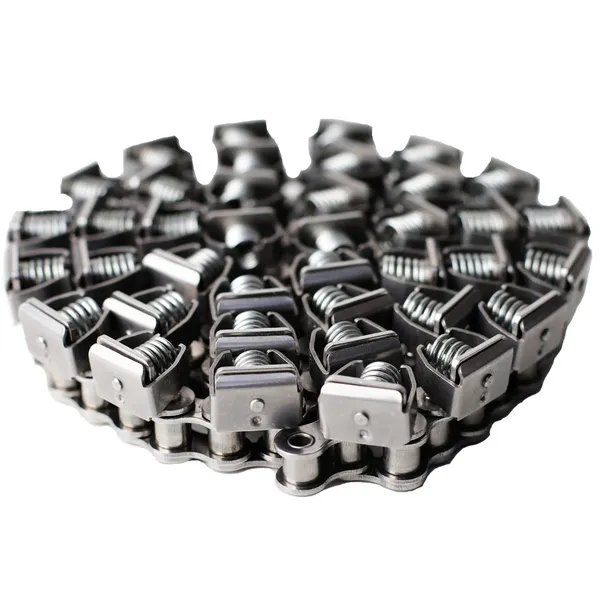
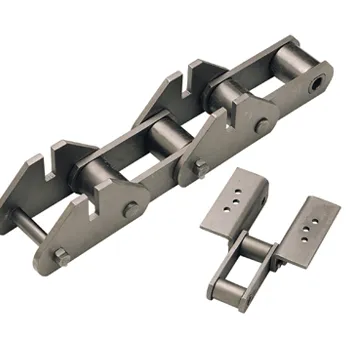
Professional Standard C216ALSS-I Type Conveyor Chain For Ice Cream
C216ALSS-I type chain is a transmission chain for ice cream production and conveying machinery. The pitch is 50.8mm. The roller material is made of reinforced nylon and machined. It is not injection molded and it is wear-resistant, low-temperature resistant, and not easy to break. The chain piece is made of stainless steel 304, with high hardness, low temperature resistance and not easy to break. The main parameters of the product comply with ISO, ANSI, DIN, BS, JIS standards
HangZhou CHINAMFG Industry Co., Ltd. is a specialized supplier of a full range of chains.
Due to our CHINAMFG in offering best service to our clients, understanding of your needs and overriding sense of responsibility toward filling ordering requirements, we have obtained the trust of buyers worldwide. Having accumulated precious experience in cooperating with foreign customers, our products are selling well in the American, European, South American and Asian markets.Our products are manufactured by modern computerized machinery and equipment. Meanwhile, our products are manufactured according to high quality standards, and complying with the international advanced standard criteria.
With many years’ experience in this line, we will be trusted by our advantages in competitive price, one-time delivery, prompt response, on-hand engineering support and good after-sales services.
Additionally, all our production procedures are in compliance with ISO9001 standards. We also can design and make non-standard products to meet customers’ special requirements. Quality and credit are the bases that make a corporation alive. We will provide best services and high quality products with all sincerity. If you need any information or samples, please contact us and you will have our soon reply.
FAQ:
Q1: Are you trading company or manufacturer ?
A: We are factory.
Q2: How long is your delivery time and shipment?
1.Sample Lead-times: generally 30 workdays.
2.Production Lead-times: 60 workdays after getting your deposit.
Q3. What is your terms of payment?
A: T/T 30% as deposit, and 70% before delivery.
We’ll show you the photos of the products and packages before you pay the balance.
Q4: What is your advantages?
1. Manufacturer,the most competitive price and good quality.
2. Perfect technical engineers give you the best support.
3. OEM is available.
4. Rich stock and quick delivery.
Q5. If you can’t find the product on our website,what do you next?
Please send us inquiry with product pictures and drawings by email or other ways and we’ll check
| Standard or Nonstandard: | Standard |
|---|---|
| Applicazione: | Textile Machinery, Garment Machinery, Conveyer Equipment, Food Machinery |
| Trattamento superficiale: | Lucidatura |
| Esempi: | US$ 50/Meter 1 metro (ordine minimo) | Ordina un campione |
|---|
| Personalizzazione: | Disponibile | Richiesta personalizzata |
|---|
.shipping-cost-tm .tm-status-off{background: none;padding:0;color: #1470cc}
| Costo di spedizione: Costo stimato per unità. | Informazioni sui costi di spedizione e sui tempi di consegna stimati. |
|---|
| Metodo di pagamento: |
|
|---|---|
| Pagamento iniziale Pagamento completo |
| Valuta: | US$ |
|---|
| Resi e rimborsi: | È possibile richiedere un rimborso entro 30 giorni dalla ricezione dei prodotti. |
|---|
How do you calculate the maximum allowable tension in a conveyor chain?
The maximum allowable tension in a conveyor chain can be calculated using the following steps:
1. Determine the Chain Pitch:
– Measure the distance between the centers of two consecutive chain pins. This measurement is known as the chain pitch and is typically expressed in inches or millimeters.
2. Determine the Chain Speed:
– Determine the speed at which the conveyor chain will be operating. The chain speed is typically expressed in feet per minute or meters per second.
3. Calculate the Chain Pull:
– Determine the total weight or force that needs to be moved by the conveyor chain. This includes the weight of the conveyed material and any additional loads or forces acting on the chain.
4. Calculate the Required Tension:
– Use the following formula to calculate the required tension:
Tension = (Chain Pull × Chain Speed) / (Chain Pitch × Efficiency)
– The efficiency factor accounts for losses due to friction and other factors and is typically expressed as a decimal between 0 and 1.
5. Determine the Maximum Allowable Tension:
– The maximum allowable tension is determined by the manufacturer’s specifications for the conveyor chain. It is important to consult the manufacturer’s documentation or contact them directly to obtain the maximum allowable tension value.
6. Compare the Required Tension and Maximum Allowable Tension:
– Compare the calculated required tension with the maximum allowable tension. The required tension should be less than or equal to the maximum allowable tension to ensure safe and reliable operation of the conveyor chain.
By following these steps and considering the manufacturer’s specifications, you can accurately calculate the maximum allowable tension in a conveyor chain and ensure that it is within the safe operating limits.
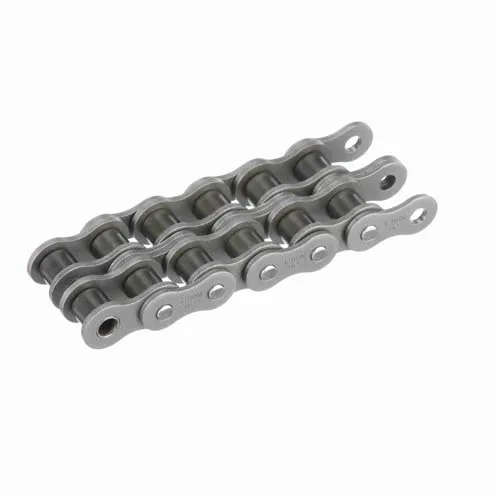
Quali sono i vantaggi dell'utilizzo di catene di trasporto in acciaio inossidabile?
Le catene di trasporto in acciaio inossidabile offrono numerosi vantaggi rispetto ad altri tipi di catene. Ecco alcuni dei principali benefici:
1. Resistenza alla corrosione: l'acciaio inossidabile è altamente resistente alla corrosione, il che lo rende adatto ad applicazioni in ambienti difficili o in settori in cui sono richiesti lavaggi frequenti o l'esposizione all'umidità. Non arrugginisce né si corrode come altri metalli, garantendo una maggiore durata e prestazioni affidabili.
2. Resistenza e durata: le catene in acciaio inossidabile sono note per la loro elevata resistenza e durata. Possono sopportare carichi pesanti, alte temperature e materiali abrasivi senza deformarsi o rompersi. Questo le rende ideali per applicazioni gravose in cui affidabilità e longevità sono fondamentali.
3. Igiene e sanificazione: l'acciaio inossidabile è un materiale non poroso, facile da pulire e da manutenere. È resistente a batteri, muffe e altri contaminanti, il che lo rende adatto a settori con rigorosi requisiti igienici come l'industria alimentare, farmaceutica e dei dispositivi medici. Le catene in acciaio inossidabile possono essere pulite e sanificate a fondo, riducendo il rischio di contaminazione del prodotto.
4. Resistenza alla temperatura: le catene in acciaio inossidabile possono sopportare un'ampia gamma di temperature, sia alte che basse. Presentano un'eccellente resistenza al calore, che consente loro di mantenere la propria forza e le proprie prestazioni anche in condizioni di temperatura estreme.
5. Aspetto estetico: le catene in acciaio inossidabile hanno un aspetto elegante e lucido, che conferisce un tocco professionale ed estetico al sistema di trasporto. Sono comunemente utilizzate in settori in cui l'impatto visivo e la rappresentazione del marchio sono importanti, come la vendita al dettaglio o i beni di lusso.
6. Resistenza chimica: l'acciaio inossidabile è resistente a diverse sostanze chimiche, tra cui acidi, alcali e solventi. Ciò lo rende adatto ad applicazioni in cui è probabile il contatto con sostanze corrosive.
7. Compatibilità con applicazioni ad alta velocità: le catene in acciaio inossidabile possono sopportare operazioni ad alta velocità senza compromettere la loro integrità strutturale o le loro prestazioni. Mantengono la loro stabilità e precisione anche a velocità elevate.
Nel complesso, le catene portacavi in acciaio inossidabile offrono resistenza alla corrosione, robustezza, durata, proprietà igieniche, resistenza alle alte temperature, un aspetto gradevole, resistenza chimica e compatibilità con applicazioni ad alta velocità. Questi vantaggi le rendono la scelta ideale in settori come quello alimentare e delle bevande, farmaceutico, automobilistico e manifatturiero, dove affidabilità, pulizia e prestazioni sono essenziali.
What are the industry standards and regulations for conveyor chains?
In the field of conveyor chains, there are several industry standards and regulations that help ensure safety, performance, and quality. Some of the commonly recognized standards include:
1. ISO 1977:2013 – Conveyor chains, attachments, and sprockets: This International Organization for Standardization (ISO) standard specifies the requirements and dimensions for various types of conveyor chains, attachments, and sprockets used in general industrial applications.
2. ANSI/ASME B29.1 – Precision Power Transmission Roller Chains, Attachments, and Sprockets: This American National Standard Institute (ANSI) standard provides guidelines for the design, dimensions, and performance of roller chains, attachments, and sprockets used in power transmission systems, including conveyor chains.
3. CEMA – Conveyor Equipment Manufacturers Association: CEMA publishes various standards and technical documents related to conveyor systems, including conveyor chains. These standards cover topics such as safety, design, installation, maintenance, and operation of conveyor equipment.
4. OSHA – Occupational Safety and Health Administration: OSHA is a regulatory agency in the United States that sets and enforces safety standards for workplaces. They have specific regulations related to conveyor systems, including requirements for guarding, maintenance, and employee safety.
5. Local and National Building Codes: Depending on the location and application, there may be specific building codes or regulations that dictate the design, installation, and operation of conveyor chains. These codes ensure compliance with safety and structural requirements.
It’s important for conveyor chain manufacturers, system integrators, and end-users to adhere to these industry standards and regulations to ensure the safe and reliable operation of conveyor systems. Compliance with these standards helps to maintain worker safety, promote system performance, and ensure compatibility and interchangeability of conveyor chain components.


editor by CX 2023-11-02