Mô tả sản phẩm
Professional Standard C216ALSS-I Type Conveyor Chain For Ice Cream
C216ALSS-I type chain is a transmission chain for ice cream production and conveying machinery. The pitch is 50.8mm. The roller material is made of reinforced nylon and machined. It is not injection molded and it is wear-resistant, low-temperature resistant, and not easy to break. The chain piece is made of stainless steel 304, with high hardness, low temperature resistance and not easy to break. The main parameters of the product comply with ISO, ANSI, DIN, BS, JIS standards
HangZhou CHINAMFG Industry Co., Ltd. is a specialized supplier of a full range of chains.
Due to our CHINAMFG in offering best service to our clients, understanding of your needs and overriding sense of responsibility toward filling ordering requirements, we have obtained the trust of buyers worldwide. Having accumulated precious experience in cooperating with foreign customers, our products are selling well in the American, European, South American and Asian markets.Our products are manufactured by modern computerized machinery and equipment. Meanwhile, our products are manufactured according to high quality standards, and complying with the international advanced standard criteria.
With many years’ experience in this line, we will be trusted by our advantages in competitive price, one-time delivery, prompt response, on-hand engineering support and good after-sales services.
Additionally, all our production procedures are in compliance with ISO9001 standards. We also can design and make non-standard products to meet customers’ special requirements. Quality and credit are the bases that make a corporation alive. We will provide best services and high quality products with all sincerity. If you need any information or samples, please contact us and you will have our soon reply.
Câu hỏi thường gặp:
Q1: Are you trading company or manufacturer ?
A: We are factory.
Q2: How long is your delivery time and shipment?
1.Sample Lead-times: generally 30 workdays.
2.Production Lead-times: 60 workdays after getting your deposit.
Q3. What is your terms of payment?
A: T/T 30% as deposit, and 70% before delivery.
We’ll show you the photos of the products and packages before you pay the balance.
Q4: What is your advantages?
1. Manufacturer,the most competitive price and good quality.
2. Perfect technical engineers give you the best support.
3. OEM is available.
4. Rich stock and quick delivery.
Q5. If you can’t find the product on our website,what do you next?
Please send us inquiry with product pictures and drawings by email or other ways and we’ll check
| Tiêu chuẩn hay không tiêu chuẩn: | Tiêu chuẩn |
|---|---|
| Ứng dụng: | Textile Machinery, Garment Machinery, Conveyer Equipment, Food Machinery |
| Xử lý bề mặt: | Đánh bóng |
| Mẫu: | US$ 50/Meter 1 mét (Số lượng đặt hàng tối thiểu) | Đặt hàng mẫu |
|---|
| Tùy chỉnh: | Có sẵn | Yêu cầu tùy chỉnh |
|---|
.shipping-cost-tm .tm-status-off{background: none;padding:0;color: #1470cc}
| Chi phí vận chuyển: Cước phí vận chuyển ước tính cho mỗi đơn vị sản phẩm. | Thông tin về chi phí vận chuyển và thời gian giao hàng dự kiến. |
|---|
| Phương thức thanh toán: |
|
|---|---|
| Khoản thanh toán ban đầu Thanh toán đầy đủ |
| Tiền tệ: | US$ |
|---|
| Chính sách đổi trả và hoàn tiền: | Bạn có thể yêu cầu hoàn tiền trong vòng 30 ngày kể từ ngày nhận sản phẩm. |
|---|
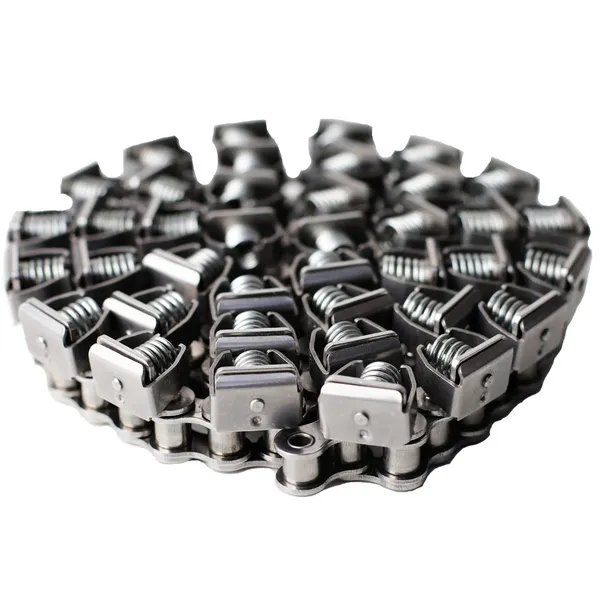
How do you calculate the maximum allowable tension in a conveyor chain?
The maximum allowable tension in a conveyor chain can be calculated using the following steps:
1. Determine the Chain Pitch:
– Measure the distance between the centers of two consecutive chain pins. This measurement is known as the chain pitch and is typically expressed in inches or millimeters.
2. Determine the Chain Speed:
– Determine the speed at which the conveyor chain will be operating. The chain speed is typically expressed in feet per minute or meters per second.
3. Calculate the Chain Pull:
– Determine the total weight or force that needs to be moved by the conveyor chain. This includes the weight of the conveyed material and any additional loads or forces acting on the chain.
4. Calculate the Required Tension:
– Use the following formula to calculate the required tension:
Tension = (Chain Pull × Chain Speed) / (Chain Pitch × Efficiency)
– The efficiency factor accounts for losses due to friction and other factors and is typically expressed as a decimal between 0 and 1.
5. Determine the Maximum Allowable Tension:
– The maximum allowable tension is determined by the manufacturer’s specifications for the conveyor chain. It is important to consult the manufacturer’s documentation or contact them directly to obtain the maximum allowable tension value.
6. Compare the Required Tension and Maximum Allowable Tension:
– Compare the calculated required tension with the maximum allowable tension. The required tension should be less than or equal to the maximum allowable tension to ensure safe and reliable operation of the conveyor chain.
By following these steps and considering the manufacturer’s specifications, you can accurately calculate the maximum allowable tension in a conveyor chain and ensure that it is within the safe operating limits.
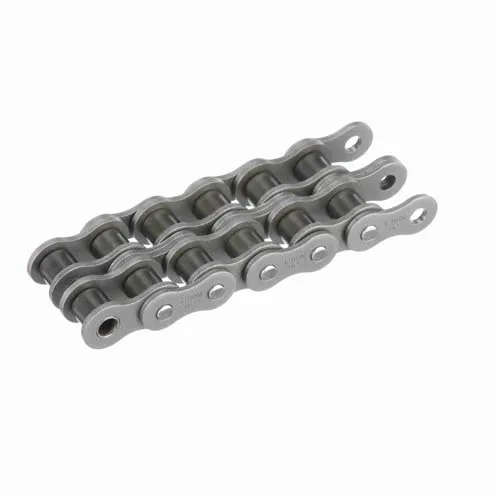
Việc sử dụng xích tải bằng thép không gỉ mang lại những lợi ích gì?
Xích băng tải bằng thép không gỉ mang lại nhiều ưu điểm so với các loại xích khác. Dưới đây là một số lợi ích chính:
1. Khả năng chống ăn mòn: Thép không gỉ có khả năng chống ăn mòn cao, thích hợp cho các ứng dụng trong môi trường khắc nghiệt hoặc các ngành công nghiệp yêu cầu vệ sinh thường xuyên hoặc tiếp xúc với độ ẩm. Nó không bị gỉ hoặc ăn mòn như các kim loại khác, đảm bảo tuổi thọ cao hơn và hiệu suất đáng tin cậy.
2. Độ bền và khả năng chịu lực: Xích thép không gỉ nổi tiếng về độ bền và khả năng chịu lực cao. Chúng có thể chịu được tải trọng nặng, nhiệt độ cao và các vật liệu mài mòn mà không bị biến dạng hoặc gãy. Điều này làm cho chúng trở nên lý tưởng cho các ứng dụng tải nặng, nơi độ tin cậy và tuổi thọ là rất quan trọng.
3. Vệ sinh và An toàn: Thép không gỉ là vật liệu không xốp, dễ làm sạch và bảo trì. Nó có khả năng chống lại vi khuẩn, nấm mốc và các chất gây ô nhiễm khác, do đó phù hợp với các ngành công nghiệp có yêu cầu vệ sinh nghiêm ngặt như chế biến thực phẩm, dược phẩm và thiết bị y tế. Dây chuyền thép không gỉ có thể được làm sạch và khử trùng kỹ lưỡng, giảm nguy cơ ô nhiễm sản phẩm.
4. Khả năng chịu nhiệt: Xích thép không gỉ có thể chịu được phạm vi nhiệt độ rộng, cả cao và thấp. Chúng thể hiện khả năng chịu nhiệt tuyệt vời, cho phép chúng duy trì độ bền và hiệu suất ngay cả trong điều kiện nhiệt độ khắc nghiệt.
5. Tính thẩm mỹ: Xích thép không gỉ có vẻ ngoài bóng bẩy và sang trọng, tạo thêm nét chuyên nghiệp và thẩm mỹ cho hệ thống băng tải. Chúng thường được sử dụng trong các ngành công nghiệp coi trọng tính thẩm mỹ và hình ảnh thương hiệu, chẳng hạn như bán lẻ hoặc hàng hóa xa xỉ.
6. Khả năng kháng hóa chất: Thép không gỉ có khả năng kháng nhiều loại hóa chất khác nhau, bao gồm axit, kiềm và dung môi. Điều này làm cho nó phù hợp với các ứng dụng có khả năng tiếp xúc với các chất ăn mòn.
7. Khả năng tương thích với các ứng dụng tốc độ cao: Xích thép không gỉ có thể chịu được hoạt động ở tốc độ cao mà không ảnh hưởng đến độ bền cấu trúc hoặc hiệu suất của chúng. Chúng duy trì sự ổn định và độ chính xác ngay cả ở tốc độ cao.
Nhìn chung, xích băng tải bằng thép không gỉ có khả năng chống ăn mòn, độ bền, độ chắc chắn, tính vệ sinh, khả năng chịu nhiệt, tính thẩm mỹ, khả năng chống hóa chất và tương thích với các ứng dụng tốc độ cao. Những lợi ích này khiến chúng trở thành lựa chọn ưu tiên trong các ngành công nghiệp như thực phẩm và đồ uống, dược phẩm, ô tô và sản xuất, nơi độ tin cậy, sự sạch sẽ và hiệu suất là yếu tố thiết yếu.
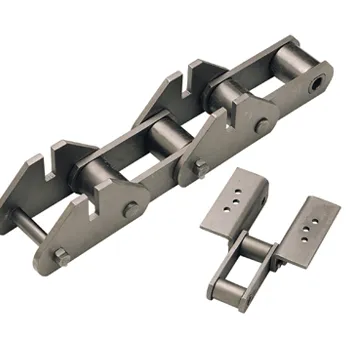
What are the industry standards and regulations for conveyor chains?
In the field of conveyor chains, there are several industry standards and regulations that help ensure safety, performance, and quality. Some of the commonly recognized standards include:
1. ISO 1977:2013 – Conveyor chains, attachments, and sprockets: This International Organization for Standardization (ISO) standard specifies the requirements and dimensions for various types of conveyor chains, attachments, and sprockets used in general industrial applications.
2. ANSI/ASME B29.1 – Precision Power Transmission Roller Chains, Attachments, and Sprockets: This American National Standard Institute (ANSI) standard provides guidelines for the design, dimensions, and performance of roller chains, attachments, and sprockets used in power transmission systems, including conveyor chains.
3. CEMA – Conveyor Equipment Manufacturers Association: CEMA publishes various standards and technical documents related to conveyor systems, including conveyor chains. These standards cover topics such as safety, design, installation, maintenance, and operation of conveyor equipment.
4. OSHA – Occupational Safety and Health Administration: OSHA is a regulatory agency in the United States that sets and enforces safety standards for workplaces. They have specific regulations related to conveyor systems, including requirements for guarding, maintenance, and employee safety.
5. Local and National Building Codes: Depending on the location and application, there may be specific building codes or regulations that dictate the design, installation, and operation of conveyor chains. These codes ensure compliance with safety and structural requirements.
It’s important for conveyor chain manufacturers, system integrators, and end-users to adhere to these industry standards and regulations to ensure the safe and reliable operation of conveyor systems. Compliance with these standards helps to maintain worker safety, promote system performance, and ensure compatibility and interchangeability of conveyor chain components.


editor by CX 2023-11-02