Descrizione del prodotto
About Factory
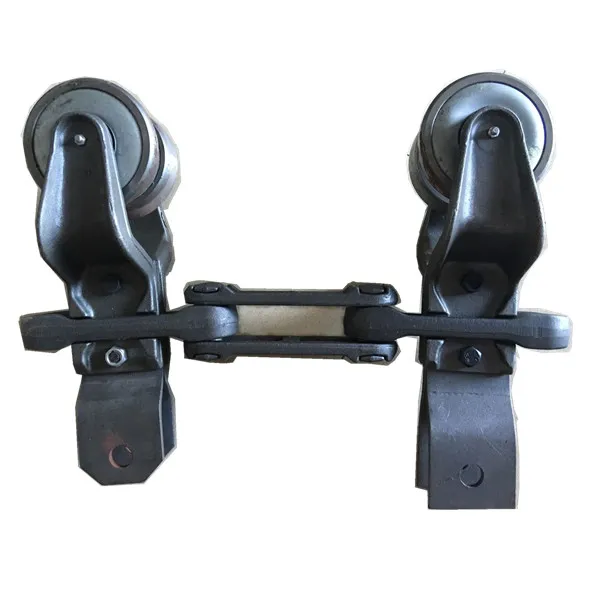
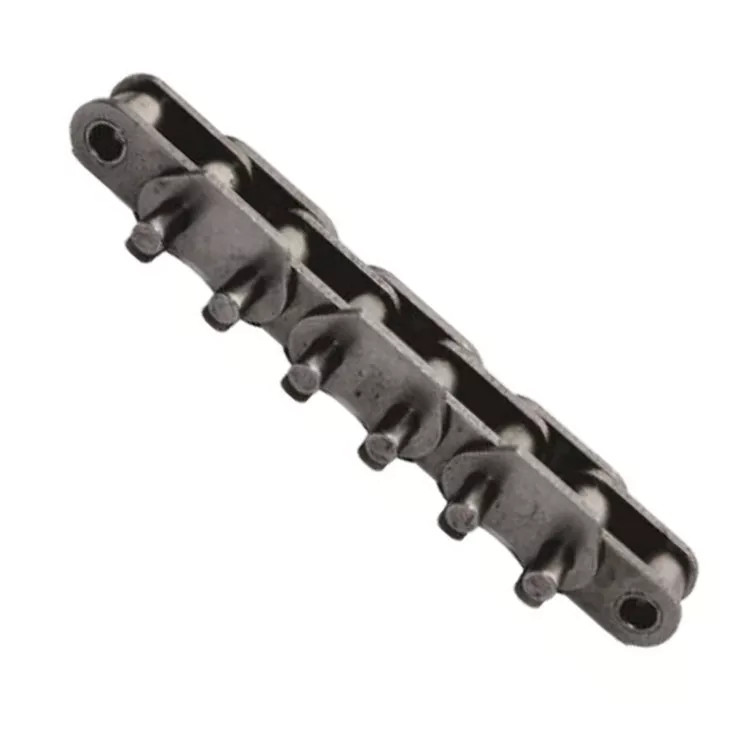
With more than 18 years’ histiory, we are a professinal manufacturer for drop forged products such as forged chain (X348 X458 X658 X678 X698 F100 F160), scraper chain (10160, 14218, 14226, 142N), conveyor trolley (X348, X458, X678, XT160), and drive chain (X348, X458, X678), and so forth standard moulds of chain.
Besides, we can also produce as per your drawing or sample, special link chain, pusher, pin and plate, according to customers’ unique requirements.
Descrizione del prodotto
1) Material: Alloy steel, 40Cr, 42CrMo and so on.
2) Types: Standard types, X348 X458 X678, and so on. (Or as per your drawing)
3) Process: Moulding→Forging→Polishing & Blasting→Fine machining→Heat treatment→Blasting→Inspecting & testing→Packing
Product Show
Technical Data
| Model | Dimensione | Weight (Kg) | Materiale | Hardness | Working Load (KN) | Limit Load (KN) | ||||||
| P | T | C | S | F | R | D | ||||||
| 10160B | 101.6 | 24 | 36 | 13 | 14 | 6 | 14 | 0.32 | 20CrMnTi | Surface HRC56-64° Depth 0.6-1.2mm | 18 | 100 |
| 10160 | 101.6 | 30 | 36 | 13 | 14.5 | 9 | 14 | 0.36 | 20CrMnTi | Surface HRC56-64° Depth 0.6-1.2mm | 21.6 | 120 |
| 14218 | 142 | 42 | 50 | 19 | 20.5 | 11 | 25 | 1.15 | 20CrMnTi | Surface HRC56-64° Depth 0.6-1.2mm | 48.6 | 270 |
| 14226 | 142 | 62 | 50 | 28 | 30 | 15 | 25 | 1.75 | 20CrMnTi | Surface HRC56-64° Depth 0.6-1.2mm | 61.2 | 340 |
| 2571 | 200 | 66 | 60 | 30 | 32 | 18 | 30 | 2.8 | 20CrMnTi | Surface HRC56-64° Depth 0.6-1.2mm | 72 | 400 |
| 26014 | 260 | 70 | 75 | 31 | 33 | 20 | 34 | 5.2 | 20CrMnTi | Surface HRC56-64° Depth 0.6-1.2mm | 135 | 750 |
| 142N | 142 | 43 | 50 | 19 | 22 | 12.5 | 25 | 1.2 | 40Cr | Quench HRC36-44° | 75.6 | 420 |
| 150D | 142 | 42 | 50 | 19 | 20.5 | 11 | 25 | 1.15 | 40Cr | Quench HRC36-44° | 75.6 | 420 |
| MG20 | 200 | 70 | 50 | 27 | 29 | 17 | 35 | 3.78 | 40Cr | Quench HRC36-44° | 144 | 800 |
| MG20B | 200 | 70 | 50 | 27 | 29 | 17 | 30 | 3.82 | 40Cr | Quench HRC36-44° | 140.4 | 780 |
| MG20C | 200 | 70 | 50 | 27 | 29 | 17 | 28 | 3.85 | 40Cr | Quench HRC36-44° | 122.4 | 680 |
| MS32 | 200 | 42 | 50 | 20 | 22 | 12 | 25 | 1.4 | 40Cr | Quench HRC36-44° | 75.6 | 420 |
| MS55 | 200 | 80 | 70 | 35 | 38 | 25 | 28 | 4.36 | 40Cr | Quench HRC36-44° | 138.6 | 770 |
| 3006 | 200 | 65 | 70 | 30 | 33 | 24 | 32 | 3.6 | 40Cr | Quench HRC36-44° | 160.2 | 890 |
| MS63 | 250 | 70 | 80 | 30 | 33 | 20 | 32 | 4.93 | 40Cr | Quench HRC36-44° | 147.6 | 820 |
| S16 | 100 | 30 | 27 | 15 | 16 | 8 | 14 | 0.3 | 40Cr | Quench HRC36-44° | 16 | 88 |
| S20 | 125 | 34 | 33 | 17 | 18 | 8 | 17 | 0.37 | 40Cr | Quench HRC36-44° | 19.4 | 108 |
| S25 | 160 | 48 | 39 | 23 | 25 | 13 | 20 | 1.28 | 40Cr | Quench HRC36-44° | 55.8 | 310 |
| S30 | 142 | 46 | 49 | 22 | 23.5 | 14 | 25 | 1.3 | 40Cr | Quench HRC36-44° | 91.8 | 510 |
| Z16 | 100 | 40 | 35 | 18 | 20 | 12 | 17 | 0.4 | 40Cr | Quench HRC36-44° | 32.4 | 180 |
| Z20 | 125 | 50 | 46 | 24 | 26 | 15 | 20 | 0.67 | 40Cr | Quench HRC36-44° | 59.4 | 330 |
| Z20D | 125 | 52 | 60 | 24 | 26 | 16 | 26 | 1.15 | 40Cr | Quench HRC36-44° | 82.8 | 460 |
| Z25 | 160 | 58 | 55 | 28 | 30 | 18 | 25 | 2.25 | 40Cr | Quench HRC36-44° | 82.8 | 460 |
| Z25D | 160 | 66 | 64 | 29 | 31 | 22 | 28 | 2.6 | 40Cr | Quench HRC36-44° | 120.6 | 670 |
| Z30 | 142 | 64 | 50 | 29 | 30.5 | 18 | 25 | 1.8 | 40Cr | Quench HRC36-44° | 111.6 | 620 |
Products & Testing Equipments
Products Application
Packing & Delivery
Perché scegliere noi?
1. We are engaged in chain industry over 15 years with rich market experience. We keep improving production techniques. All the products have longer working life and have passed the market test.
2. We can design the correct chains with high quality material, good abrasion resistance, good corrosion, high strengthen and etc as per your request or the chain application.
3. We are the chain manufacturer; you can directly purchase the product from us with low price and high quality.
4. We have a professional team for international trade, they have abundant experiences and are always ready to solve problems for customers. So you have nothing to worry about.
5. We have the long-term cooperative forwarder who can give us the lowest freight. And it can help you to save the freight. What’s more, for the FCL, we will design the packages as per the container sizes with the largest capacity to save the shipping cost for both of us.
| Costo di spedizione: Costo stimato per unità. | To be negotiated |
|---|
| Standard o non standard: | Standard |
|---|---|
| Applicazione: | Textile Machinery, Garment Machinery, Conveyer Equipment, Packaging Machinery, Electric Cars, Motorcycle, Food Machinery, Mining Equipment, Agricultural Machinery, Coating, Spraying, Mining, Slaughtering, Assembly |
| Trattamento superficiale: | Lucidatura |
| Esempi: | US$ 5/Piece 1 pezzo (ordine minimo) | Ordina un campione |
|---|
| Personalizzazione: | Disponibile | Richiesta personalizzata |
|---|
Come si calcola la potenza necessaria per azionare una catena di trasporto?
Il calcolo della potenza necessaria per un azionamento a catena di un trasportatore implica la considerazione di diversi fattori relativi al sistema di trasporto e all'applicazione specifica. Ecco una procedura dettagliata:
1. Determinare la resistenza totale:
– Calcolare la resistenza totale che la catena del trasportatore deve superare durante il funzionamento. Questa include la resistenza dovuta al carico trasportato, le perdite per attrito, i dislivelli e qualsiasi altra resistenza presente nel sistema.
2. Convertire la resistenza in inerzia equivalente:
– Convertire la resistenza totale in un'inerzia equivalente moltiplicandola per il quadrato della velocità della catena.
3. Calcolare l'inerzia totale:
– Determinare l'inerzia totale del sistema considerando l'inerzia di tutti i componenti rotanti, come la catena del trasportatore, le ruote dentate e qualsiasi altro elemento azionato.
4. Determinare la coppia richiesta:
– Calcolare la coppia richiesta moltiplicando l'inerzia totale per il tasso di accelerazione o decelerazione desiderato.
5. Convertire la coppia in cavalli vapore:
– Convertire la coppia richiesta in cavalli vapore dividendola per la velocità del motore (in giri al minuto) e moltiplicando per un fattore di conversione.
6. Considerare i fattori di sicurezza e l'efficienza:
– Applicare dei fattori di sicurezza alla potenza calcolata per tenere conto di variazioni, imprevisti e crescita futura.
– Valutare l'efficienza del sistema di azionamento, compresi motore, cambio e altri componenti della trasmissione, per garantire una trasmissione di potenza accurata.
È importante notare che il metodo di calcolo sopra descritto fornisce una stima della potenza richiesta. Per calcoli precisi e per garantire che l'azionamento a catena del trasportatore selezionato soddisfi i requisiti dell'applicazione, si consiglia di consultare i produttori di sistemi di trasporto, ingegneri o le linee guida specifiche del settore.
How does a conveyor chain handle different types of materials?
A conveyor chain is designed to handle a wide variety of materials in diverse industrial applications. It is capable of efficiently transporting different types of materials, including:
1. Bulk Materials: Conveyor chains are commonly used to handle bulk materials such as grains, coal, ores, aggregates, and powders. The design of the chain, including the spacing and shape of the links, helps prevent material spillage and ensures smooth and consistent flow.
2. Packaged Goods: Conveyor chains are also used for conveying packaged goods such as boxes, cartons, crates, and pallets. They provide a stable and reliable method of transporting these items along the production line, reducing manual handling and increasing productivity.
3. Small Parts: Conveyor chains with specialized attachments or small-pitch configurations are suitable for handling small parts or components. These chains ensure precise positioning and gentle transport of delicate or intricate items.
4. Heavy-Duty Loads: Industrial conveyor chains are capable of handling heavy-duty loads, such as automotive parts, machinery components, and large equipment. They are engineered to withstand the weight and stress of these objects, providing reliable and efficient material handling in demanding environments.
5. Food and Beverage Products: Conveyor chains used in the food and beverage industry are designed to meet strict hygiene and safety standards. They are constructed from materials that are resistant to corrosion, easy to clean, and compliant with food-grade regulations. These chains ensure the safe and contamination-free handling of food products.
6. Hazardous Materials: Conveyor chains can be used to safely transport hazardous materials, such as chemicals or waste products. Specialized chains with additional safety features, such as sealed housings or containment systems, are utilized to minimize the risk of spills or leaks.
Conveyor chains can be customized with different chain configurations, attachments, and accessories to accommodate specific material characteristics and handling requirements. The selection of the appropriate chain type, material, and design parameters ensures optimal performance and efficient material handling for a wide range of materials.
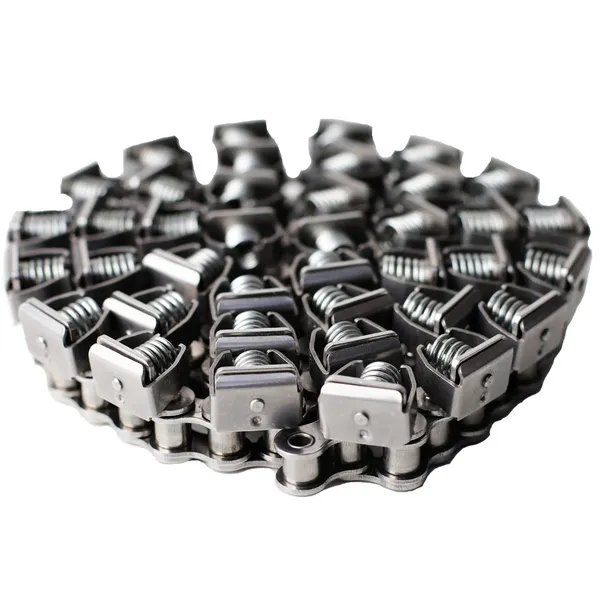
Cos'è una catena di trasporto e come funziona?
Una catena per trasportatori è un tipo di catena meccanica specificamente progettata per l'uso nei sistemi di trasporto. È composta da una serie di maglie interconnesse che formano un anello continuo. Le maglie sono in genere realizzate in metallo e sono unite tra loro tramite perni o altri elementi di collegamento.
Le catene di trasporto funzionano trasferendo potenza e movimento dal meccanismo di azionamento, come un motore o una ruota dentata, al sistema di trasporto per spostare materiali o prodotti lungo un percorso predeterminato. La catena è posizionata su un binario o su guide e, muovendosi, trasporta il carico che le viene applicato.
Il funzionamento di una catena di trasporto prevede le seguenti fasi:
- Trasmissione di potenza:
Il meccanismo di azionamento trasferisce la potenza rotazionale alla catena del trasportatore, in genere tramite un motore e delle ruote dentate. Il motore fornisce la coppia necessaria per azionare la catena.
- Trazione e movimento:
Quando il meccanismo di azionamento fa ruotare le ruote dentate, i denti di queste si innestano con le maglie della catena del trasportatore. Questa interazione crea trazione, facendo muovere la catena lungo il percorso desiderato.
- Capacità di carico:
Il carico da trasportare viene posizionato sulla catena del nastro trasportatore. Il carico può essere costituito da prodotti, materiali o altri oggetti. Man mano che la catena si muove, trasporta il carico lungo il sistema di trasporto, consentendo un trasporto o una movimentazione efficienti.
- Supporto e assistenza:
La catena del trasportatore è supportata e guidata da diversi componenti, come rotaie di guida, rulli o strisce di usura. Questi componenti garantiscono il corretto allineamento e il movimento fluido della catena lungo il sistema di trasporto.
Le catene di trasporto sono comunemente utilizzate in settori quali la produzione, la logistica, l'imballaggio e la movimentazione dei materiali. Offrono un metodo affidabile ed efficiente per spostare prodotti o materiali in modo controllato e automatizzato.


editor by CX 2023-07-31