คำอธิบายผลิตภัณฑ์
About Factory
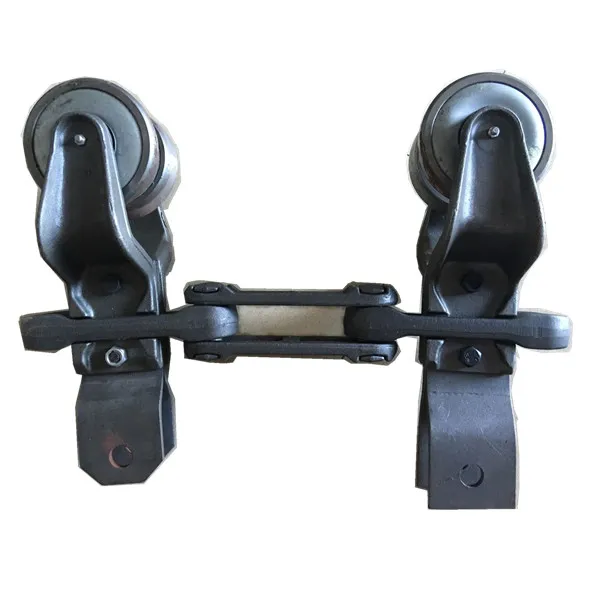
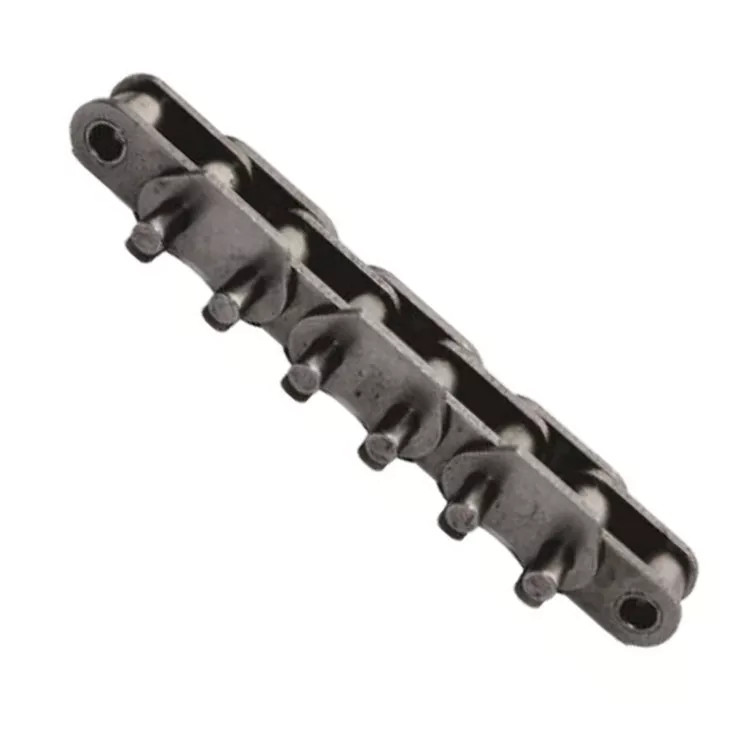
With more than 18 years’ histiory, we are a professinal manufacturer for drop forged products such as forged chain (X348 X458 X658 X678 X698 F100 F160), scraper chain (10160, 14218, 14226, 142N), conveyor trolley (X348, X458, X678, XT160), and drive chain (X348, X458, X678), and so forth standard moulds of chain.
Besides, we can also produce as per your drawing or sample, special link chain, pusher, pin and plate, according to customers’ unique requirements.
คำอธิบายผลิตภัณฑ์
1) Material: Alloy steel, 40Cr, 42CrMo and so on.
2) Types: Standard types, X348 X458 X678, and so on. (Or as per your drawing)
3) Process: Moulding→Forging→Polishing & Blasting→Fine machining→Heat treatment→Blasting→Inspecting & testing→Packing
Product Show
Technical Data
| แบบอย่าง | Dimension | Weight (Kg) | Material | Hardness | Working Load (KN) | Limit Load (KN) | ||||||
| พี | ที | C | เอส | เอฟ | R | D | ||||||
| 10160B | 101.6 | 24 | 36 | 13 | 14 | 6 | 14 | 0.32 | 20CrMnTi | Surface HRC56-64° Depth 0.6-1.2mm | 18 | 100 |
| 10160 | 101.6 | 30 | 36 | 13 | 14.5 | 9 | 14 | 0.36 | 20CrMnTi | Surface HRC56-64° Depth 0.6-1.2mm | 21.6 | 120 |
| 14218 | 142 | 42 | 50 | 19 | 20.5 | 11 | 25 | 1.15 | 20CrMnTi | Surface HRC56-64° Depth 0.6-1.2mm | 48.6 | 270 |
| 14226 | 142 | 62 | 50 | 28 | 30 | 15 | 25 | 1.75 | 20CrMnTi | Surface HRC56-64° Depth 0.6-1.2mm | 61.2 | 340 |
| 2571 | 200 | 66 | 60 | 30 | 32 | 18 | 30 | 2.8 | 20CrMnTi | Surface HRC56-64° Depth 0.6-1.2mm | 72 | 400 |
| 26014 | 260 | 70 | 75 | 31 | 33 | 20 | 34 | 5.2 | 20CrMnTi | Surface HRC56-64° Depth 0.6-1.2mm | 135 | 750 |
| 142N | 142 | 43 | 50 | 19 | 22 | 12.5 | 25 | 1.2 | 40Cr | Quench HRC36-44° | 75.6 | 420 |
| 150D | 142 | 42 | 50 | 19 | 20.5 | 11 | 25 | 1.15 | 40Cr | Quench HRC36-44° | 75.6 | 420 |
| MG20 | 200 | 70 | 50 | 27 | 29 | 17 | 35 | 3.78 | 40Cr | Quench HRC36-44° | 144 | 800 |
| MG20B | 200 | 70 | 50 | 27 | 29 | 17 | 30 | 3.82 | 40Cr | Quench HRC36-44° | 140.4 | 780 |
| MG20C | 200 | 70 | 50 | 27 | 29 | 17 | 28 | 3.85 | 40Cr | Quench HRC36-44° | 122.4 | 680 |
| MS32 | 200 | 42 | 50 | 20 | 22 | 12 | 25 | 1.4 | 40Cr | Quench HRC36-44° | 75.6 | 420 |
| MS55 | 200 | 80 | 70 | 35 | 38 | 25 | 28 | 4.36 | 40Cr | Quench HRC36-44° | 138.6 | 770 |
| 3006 | 200 | 65 | 70 | 30 | 33 | 24 | 32 | 3.6 | 40Cr | Quench HRC36-44° | 160.2 | 890 |
| MS63 | 250 | 70 | 80 | 30 | 33 | 20 | 32 | 4.93 | 40Cr | Quench HRC36-44° | 147.6 | 820 |
| S16 | 100 | 30 | 27 | 15 | 16 | 8 | 14 | 0.3 | 40Cr | Quench HRC36-44° | 16 | 88 |
| S20 | 125 | 34 | 33 | 17 | 18 | 8 | 17 | 0.37 | 40Cr | Quench HRC36-44° | 19.4 | 108 |
| S25 | 160 | 48 | 39 | 23 | 25 | 13 | 20 | 1.28 | 40Cr | Quench HRC36-44° | 55.8 | 310 |
| S30 | 142 | 46 | 49 | 22 | 23.5 | 14 | 25 | 1.3 | 40Cr | Quench HRC36-44° | 91.8 | 510 |
| Z16 | 100 | 40 | 35 | 18 | 20 | 12 | 17 | 0.4 | 40Cr | Quench HRC36-44° | 32.4 | 180 |
| Z20 | 125 | 50 | 46 | 24 | 26 | 15 | 20 | 0.67 | 40Cr | Quench HRC36-44° | 59.4 | 330 |
| Z20D | 125 | 52 | 60 | 24 | 26 | 16 | 26 | 1.15 | 40Cr | Quench HRC36-44° | 82.8 | 460 |
| Z25 | 160 | 58 | 55 | 28 | 30 | 18 | 25 | 2.25 | 40Cr | Quench HRC36-44° | 82.8 | 460 |
| Z25D | 160 | 66 | 64 | 29 | 31 | 22 | 28 | 2.6 | 40Cr | Quench HRC36-44° | 120.6 | 670 |
| Z30 | 142 | 64 | 50 | 29 | 30.5 | 18 | 25 | 1.8 | 40Cr | Quench HRC36-44° | 111.6 | 620 |
Products & Testing Equipments
Products Application
Packing & Delivery
ทำไมต้องเลือกเรา?
1. We are engaged in chain industry over 15 years with rich market experience. We keep improving production techniques. All the products have longer working life and have passed the market test.
2. We can design the correct chains with high quality material, good abrasion resistance, good corrosion, high strengthen and etc as per your request or the chain application.
3. We are the chain manufacturer; you can directly purchase the product from us with low price and high quality.
4. We have a professional team for international trade, they have abundant experiences and are always ready to solve problems for customers. So you have nothing to worry about.
5. We have the long-term cooperative forwarder who can give us the lowest freight. And it can help you to save the freight. What’s more, for the FCL, we will design the packages as per the container sizes with the largest capacity to save the shipping cost for both of us.
| ค่าจัดส่ง: ค่าขนส่งโดยประมาณต่อหน่วย | To be negotiated |
|---|
| มาตรฐานหรือไม่มาตรฐาน: | มาตรฐาน |
|---|---|
| แอปพลิเคชัน: | Textile Machinery, Garment Machinery, Conveyer Equipment, Packaging Machinery, Electric Cars, Motorcycle, Food Machinery, Mining Equipment, Agricultural Machinery, Coating, Spraying, Mining, Slaughtering, Assembly |
| การเตรียมพื้นผิว: | การขัดเงา |
| ตัวอย่าง: | US$ 5/Piece 1 ชิ้น (สั่งขั้นต่ำ) | สั่งซื้อตัวอย่าง |
|---|
| การปรับแต่ง: | มีอยู่ | คำขอที่กำหนดเอง |
|---|
How do you calculate the required horsepower for a conveyor chain drive?
The calculation of required horsepower for a conveyor chain drive involves considering various factors related to the conveyor system and the specific application. Here is a step-by-step process:
1. Determine the Total Resistance:
– Calculate the total resistance that the conveyor chain needs to overcome during operation. This includes the resistance due to the load being conveyed, frictional losses, elevation changes, and any other resistances in the system.
2. Convert the Resistance to Equivalent Inertia:
– Convert the total resistance to an equivalent inertia by multiplying it by the square of the chain speed.
3. Calculate the Total Inertia:
– Determine the total inertia of the system by considering the inertia of all the rotating components, such as the conveyor chain, sprockets, and any other driven elements.
4. Determine the Required Torque:
– Calculate the required torque by multiplying the total inertia by the desired acceleration or deceleration rate.
5. Convert Torque to Horsepower:
– Convert the required torque to horsepower by dividing it by the motor speed (in RPM) and multiplying by a conversion factor.
6. Consider Safety Factors and Efficiency:
– Apply safety factors to the calculated horsepower to account for variations, contingencies, and future growth.
– Consider the efficiency of the drive system, including the motor, gearbox, and other transmission components, to ensure accurate power transmission.
It’s important to note that the above calculation method provides an estimate of the required horsepower. Consulting with conveyor system manufacturers, engineers, or industry-specific guidelines is recommended for precise calculations and to ensure the selected conveyor chain drive meets the application requirements.
How does a conveyor chain handle different types of materials?
A conveyor chain is designed to handle a wide variety of materials in diverse industrial applications. It is capable of efficiently transporting different types of materials, including:
1. Bulk Materials: Conveyor chains are commonly used to handle bulk materials such as grains, coal, ores, aggregates, and powders. The design of the chain, including the spacing and shape of the links, helps prevent material spillage and ensures smooth and consistent flow.
2. Packaged Goods: Conveyor chains are also used for conveying packaged goods such as boxes, cartons, crates, and pallets. They provide a stable and reliable method of transporting these items along the production line, reducing manual handling and increasing productivity.
3. Small Parts: Conveyor chains with specialized attachments or small-pitch configurations are suitable for handling small parts or components. These chains ensure precise positioning and gentle transport of delicate or intricate items.
4. Heavy-Duty Loads: Industrial conveyor chains are capable of handling heavy-duty loads, such as automotive parts, machinery components, and large equipment. They are engineered to withstand the weight and stress of these objects, providing reliable and efficient material handling in demanding environments.
5. Food and Beverage Products: Conveyor chains used in the food and beverage industry are designed to meet strict hygiene and safety standards. They are constructed from materials that are resistant to corrosion, easy to clean, and compliant with food-grade regulations. These chains ensure the safe and contamination-free handling of food products.
6. Hazardous Materials: Conveyor chains can be used to safely transport hazardous materials, such as chemicals or waste products. Specialized chains with additional safety features, such as sealed housings or containment systems, are utilized to minimize the risk of spills or leaks.
Conveyor chains can be customized with different chain configurations, attachments, and accessories to accommodate specific material characteristics and handling requirements. The selection of the appropriate chain type, material, and design parameters ensures optimal performance and efficient material handling for a wide range of materials.
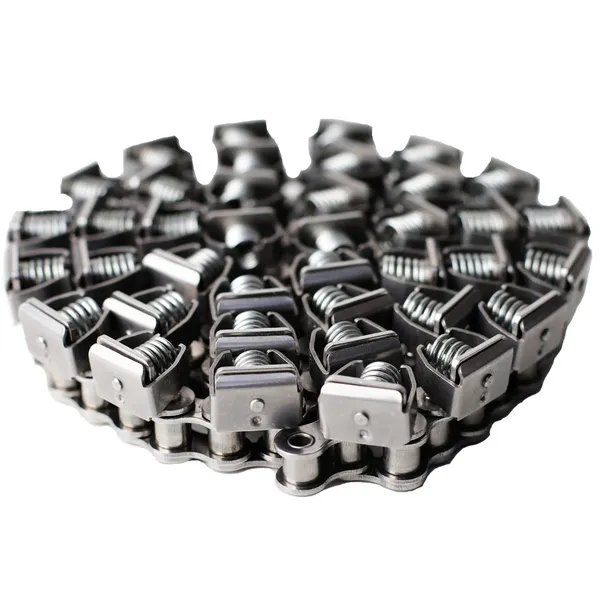
สายพานลำเลียงคืออะไร และทำงานอย่างไร?
โซ่ลำเลียงเป็นโซ่เชิงกลชนิดหนึ่งที่ออกแบบมาโดยเฉพาะสำหรับใช้ในระบบลำเลียง ประกอบด้วยข้อต่อที่เชื่อมต่อกันเป็นวงต่อเนื่อง โดยทั่วไปข้อต่อจะทำจากโลหะและเชื่อมต่อกันด้วยหมุดหรือองค์ประกอบเชื่อมต่ออื่นๆ
สายพานลำเลียงทำงานโดยการถ่ายทอดกำลังและการเคลื่อนที่จากกลไกขับเคลื่อน เช่น มอเตอร์หรือเฟือง ไปยังระบบสายพานลำเลียงเพื่อเคลื่อนย้ายวัสดุหรือผลิตภัณฑ์ไปตามเส้นทางที่กำหนดไว้ล่วงหน้า โซ่จะวางอยู่บนรางหรือรางนำทาง และขณะที่เคลื่อนที่ก็จะรับน้ำหนักที่วางอยู่บนนั้น
การทำงานของสายพานลำเลียงประกอบด้วยขั้นตอนดังต่อไปนี้:
- การส่งกำลัง:
กลไกขับเคลื่อนจะส่งกำลังการหมุนไปยังโซ่ลำเลียง โดยทั่วไปผ่านมอเตอร์และเฟือง มอเตอร์จะให้แรงบิดที่จำเป็นในการขับเคลื่อนโซ่
- แรงดึงและการเคลื่อนที่:
เมื่อกลไกขับเคลื่อนหมุนเฟือง เฟืองเหล่านั้นจะไปเกี่ยวเข้ากับข้อต่อของโซ่ลำเลียง การปฏิสัมพันธ์นี้ก่อให้เกิดแรงดึง ทำให้โซ่เคลื่อนที่ไปตามเส้นทางที่ต้องการ
- การบรรทุก:
นำสิ่งของที่จะขนส่งวางบนสายพานลำเลียง สิ่งของนั้นอาจอยู่ในรูปของผลิตภัณฑ์ วัสดุ หรือสิ่งของอื่นๆ ขณะที่สายพานลำเลียงเคลื่อนที่ มันจะพาสิ่งของนั้นไปตามระบบสายพาน ทำให้การขนส่งหรือการขนย้ายมีประสิทธิภาพ
- การสนับสนุนและคำแนะนำ:
โซ่ลำเลียงได้รับการรองรับและนำทางโดยส่วนประกอบต่างๆ เช่น รางนำทาง ลูกกลิ้ง หรือแถบกันสึก ส่วนประกอบเหล่านี้ช่วยให้มั่นใจได้ว่าโซ่จะอยู่ในแนวที่ถูกต้องและเคลื่อนที่ได้อย่างราบรื่นไปตามระบบลำเลียง
สายพานลำเลียงเป็นอุปกรณ์ที่ใช้กันทั่วไปในอุตสาหกรรมต่างๆ เช่น การผลิต โลจิสติกส์ บรรจุภัณฑ์ และการขนถ่ายวัสดุ โดยเป็นวิธีการเคลื่อนย้ายผลิตภัณฑ์หรือวัสดุที่มีความน่าเชื่อถือและมีประสิทธิภาพ ในลักษณะที่ควบคุมได้และเป็นระบบอัตโนมัติ


editor by CX 2023-07-31