製品説明
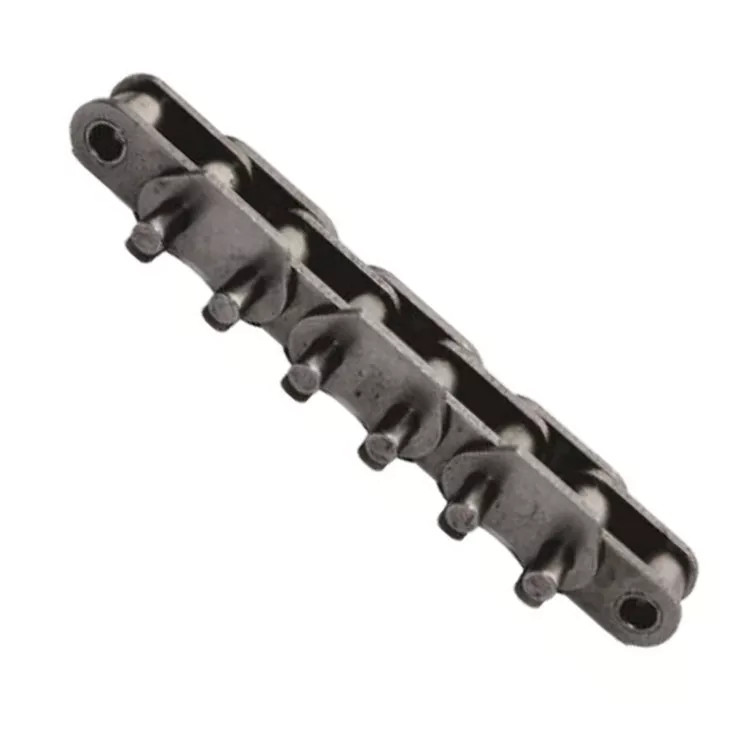
スクレーパーコンベアチェーン
P152F51/45/45A/45C/47/45D/45E/45F、P2000F29/29A、P101.6F20、RO6205MF3、MR56、MR80、MR224、MR315、FVR40/63/90/112
オーバーヘッドコンベア生産ラインで使用される鍛造チェーン、トロリー、キャリア。
主な製品は、鍛造チェーンとトロリー、溶接リンクチェーン、標準および非標準のステンレス鋼および炭素鋼ローラーチェーン、リーフチェーン、標準および非標準のコンベヤチェーン、スクレーパーコンベヤチェーン、クランクリンクチェーン、ダブルプラスチェーン、ダブルピッチ伝動チェーン、プラスチックチェーン、スプロケット、その他の付属品です。
主な製品は、鍛造チェーンとトロリー、溶接リンクチェーン、標準および非標準のステンレス鋼および炭素鋼ローラーチェーン、リーフチェーン、標準および非標準のコンベヤチェーン、スクレーパーコンベヤチェーン、クランクリンクチェーン、ダブルプラスチェーン、ダブルピッチ伝動チェーン、プラスチックチェーン、スプロケット、その他の付属品です。
これらの製品は組み合わせることで、最も要求の厳しい用途にも最適なソリューションを見出すことができます。また、お客様個々のニーズに合わせた特別なソリューションを開発することも可能です。
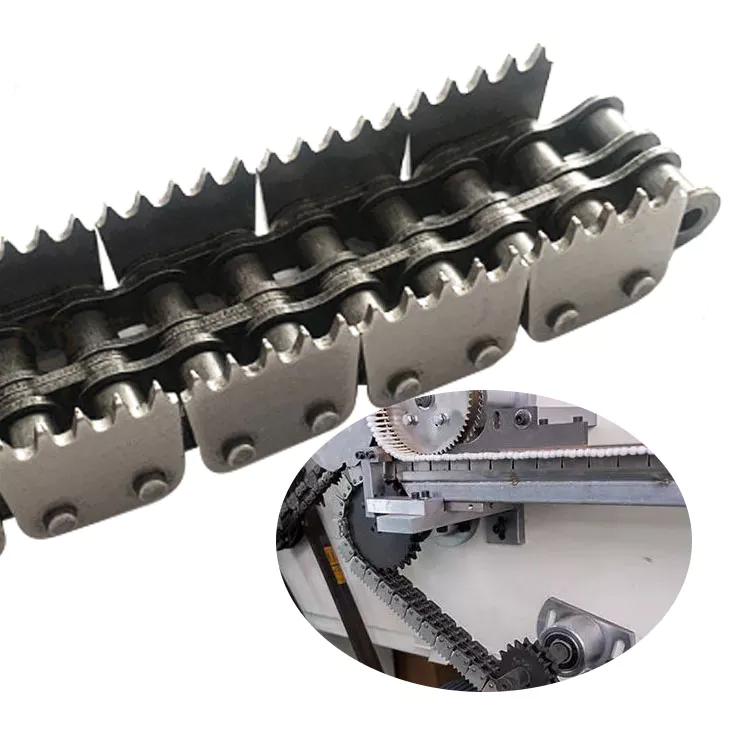
ドロップ鍛造リベットレスチェーン、ドロップ鍛造チェーン、ドロップ鍛造リンク、鍛造スクレーパーチェーン。
1. スクレーパーチェーン P142、P142V、P142H、P200、P102、P250、P260
2.取り外し可能なチェーン 51、52、55、57、62、74、78
3.関連するオーバーヘッドトロリー、キャリッジ、スペアパーツ
4. 図面またはサンプルに従って
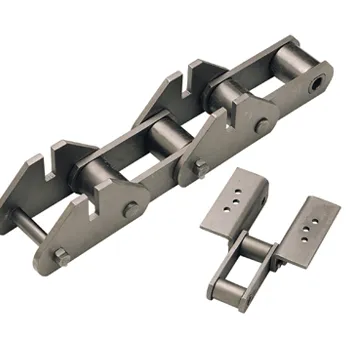
| 鍛造着脱式チェーン | X348、X458、X678、X698、F100、F160、P80、P100、P200 |
| キャッターピラーチェーン | X348、X458、X678、X698 |
| タイプ: | コンベア |
|---|---|
| 使用法: | コンベアシステム |
| プロセス: | 鍛造 |
| 表面: | 素地着色、亜鉛メッキ、黒染め |
| 輸送パッケージ: | 合板ケース。 |
| 仕様: | ISO |
| カスタマイズ: | 利用可能 | カスタマイズされたリクエスト |
|---|
How does a conveyor chain impact energy efficiency in a system?
A conveyor chain plays a significant role in the energy efficiency of a conveyor system. Here are the ways in which it impacts energy efficiency:
1. Reduced Power Consumption:
– A well-designed conveyor chain with low friction characteristics can minimize power consumption. By reducing the frictional resistance between the chain and the conveyor components, less energy is required to move the chain and transport the materials along the conveyor system.
2. Efficient Power Transmission:
– The design and construction of a conveyor chain contribute to efficient power transmission. Chains with optimized pitch, roller diameter, and sprocket tooth profile ensure smooth and effective power transfer, minimizing energy losses during operation.
3. Proper Chain Tensioning:
– Maintaining proper chain tension is crucial for energy efficiency. An adequately tensioned chain ensures optimal contact between the chain and the sprockets, minimizing slippage and power loss. Regular inspections and adjustments of chain tension help maximize energy efficiency.
4. Alignment and Tracking:
– Proper alignment and tracking of the conveyor chain are essential for energy efficiency. Misaligned or poorly tracked chains can cause increased friction, leading to higher energy consumption. Regular monitoring and adjustment of the chain’s alignment ensure smooth and efficient operation.
5. Regular Maintenance:
– Performing routine maintenance on the conveyor chain, including lubrication, cleaning, and inspection, helps maintain optimal performance and energy efficiency. Adequate lubrication reduces friction and wear, minimizing power losses and extending the chain’s lifespan.
6. System Design Optimization:
– Considering energy efficiency during the design phase of a conveyor system can significantly impact its overall efficiency. Proper selection of conveyor chain components, such as low-friction materials and efficient drive systems, can help minimize energy consumption and improve the system’s energy efficiency.
By employing these practices and utilizing energy-efficient conveyor chain technologies, businesses can reduce energy costs, minimize environmental impact, and enhance the overall sustainability of their operations.
How do you select the appropriate lubricant for a conveyor chain?
Selecting the right lubricant is crucial for maintaining the performance and longevity of a conveyor chain. Here are the key factors to consider when choosing a lubricant:
1. Chain Type and Material: Different conveyor chains may have specific requirements for lubrication based on their construction materials and design. Consult the manufacturer’s recommendations or specifications to determine the lubricant compatibility.
2. Operating Conditions: Consider the operating environment, such as temperature, humidity, and presence of contaminants. For high-temperature applications, choose a lubricant with a higher temperature tolerance. In wet or dusty environments, opt for lubricants that offer excellent resistance to water washout and provide effective protection against contaminants.
3. Load and Speed: Evaluate the load capacity and speed of the conveyor chain. Higher loads and speeds may require lubricants with better film strength and anti-wear properties to reduce friction and prevent premature wear.
4. Lubrication Method: Determine the lubrication method that will be used for the conveyor chain. Lubricants can be applied through drip systems, brushes, spray nozzles, or automatic lubrication systems. Consider the viscosity and consistency of the lubricant to ensure proper application and distribution.
5. Food-Grade Requirements: In food processing or pharmaceutical applications, where direct contact with the product may occur, it’s essential to use food-grade lubricants that meet industry regulations and requirements for safety and hygiene.
6. Maintenance Schedule: Consider the desired maintenance intervals and the lubricant’s longevity. Some lubricants may require more frequent reapplication, while others provide longer-lasting lubrication.
7. Compatibility with Other Materials: Take into account the compatibility of the lubricant with other materials in the conveyor system, such as seals, gaskets, and paints. Ensure that the lubricant does not cause any adverse effects on these components.
It is recommended to consult with lubricant manufacturers or industry experts to select the most suitable lubricant for your specific conveyor chain application. They can provide guidance based on their expertise and knowledge of lubricant formulations and performance characteristics.
What are the maintenance requirements for a conveyor chain?
Maintaining a conveyor chain is essential to ensure its smooth operation and prolong its lifespan. Here are some key maintenance requirements for a conveyor chain:
- Regular Cleaning: Clean the conveyor chain regularly to remove dirt, debris, and contaminants that can contribute to chain wear and reduce performance. Use appropriate cleaning agents and tools to avoid damaging the chain.
- 潤滑: Apply the recommended lubricant to the conveyor chain according to the manufacturer’s guidelines. Lubrication helps reduce friction, minimize wear, and prevent corrosion.
- Tension Adjustment: Check the tension of the conveyor chain regularly and adjust it if necessary. Proper tension ensures smooth operation and prevents issues like chain slipping or excessive wear.
- Inspection: Conduct regular inspections of the conveyor chain to identify any signs of wear, damage, or misalignment. Look for issues such as worn sprockets, elongation, bent or damaged links, and loose connections. Address any problems promptly to prevent further damage.
- Replace Worn Components: If any components of the conveyor chain, such as links, pins, or sprockets, are excessively worn or damaged, they should be replaced. Using worn components can compromise the chain’s performance and lead to failure.
- Alignment: Ensure proper alignment of the conveyor chain by checking the alignment of sprockets, idlers, and other components. Misalignment can cause uneven wear and increase the risk of chain failure.
- Training and Education: Provide proper training to personnel responsible for operating and maintaining the conveyor chain. They should understand the maintenance requirements, safety protocols, and best practices to ensure effective and safe operation.
Following these maintenance requirements will help keep the conveyor chain in optimal condition, minimize downtime, and ensure safe and efficient material handling.


editor by CX 2023-10-08