Mô tả sản phẩm
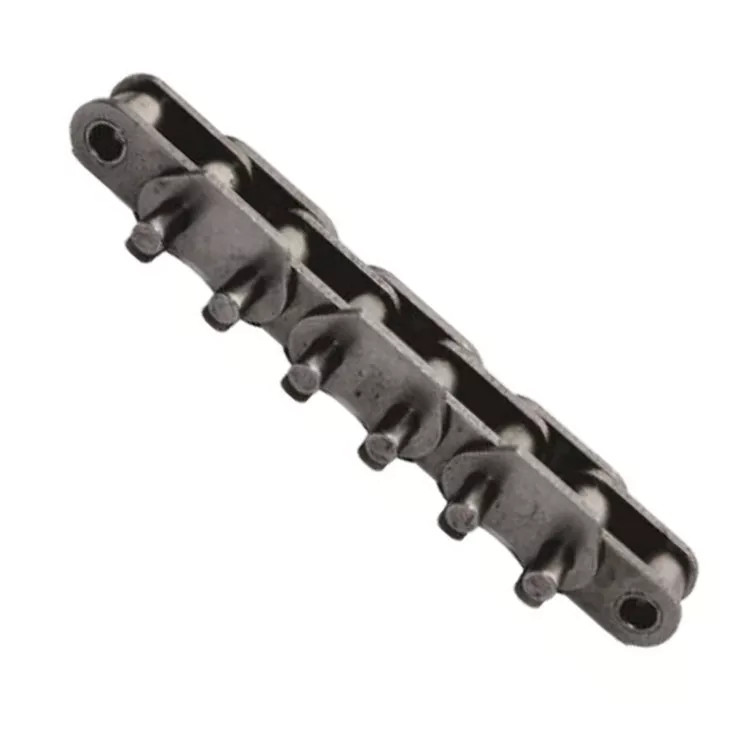
Scraper conveyor chain
P152F51/45/45A/45C/47/45D/45E/45F, P2000F29/29A, P101.6F20, RO6205MF3, MR56, MR80, MR224, MR315, FVR40/63/90/112
Xích rèn, xe đẩy, giá đỡ được sử dụng trên dây chuyền sản xuất băng tải trên cao.
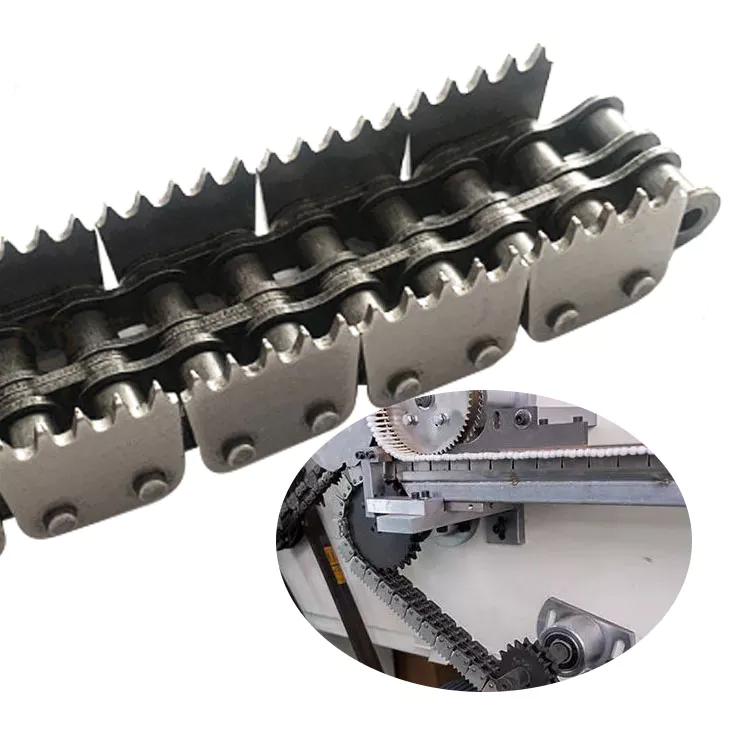
Các sản phẩm chính bao gồm: xích rèn và xe đẩy, xích mắt hàn, xích con lăn bằng thép không gỉ và thép carbon tiêu chuẩn và phi tiêu chuẩn, xích lá, xích băng tải tiêu chuẩn và phi tiêu chuẩn, xích băng tải cào, xích mắt cong, xích đôi, xích truyền động bước đôi, xích nhựa, bánh răng và các phụ kiện khác.
Các sản phẩm chính bao gồm: xích rèn và xe đẩy, xích mắt hàn, xích con lăn bằng thép không gỉ và thép carbon tiêu chuẩn và phi tiêu chuẩn, xích lá, xích băng tải tiêu chuẩn và phi tiêu chuẩn, xích băng tải cào, xích mắt cong, xích đôi, xích truyền động bước đôi, xích nhựa, bánh răng và các phụ kiện khác.
Các sản phẩm có thể được kết hợp để tìm ra giải pháp tối ưu nhất cho cả những ứng dụng đòi hỏi khắt khe nhất. Các giải pháp đặc biệt cũng có thể được phát triển theo yêu cầu riêng của từng khách hàng.
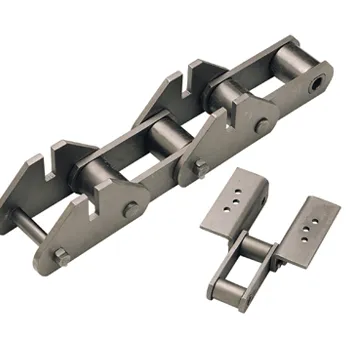
Xích rèn không đinh tán, xích rèn, mắt xích rèn, xích gạt rèn.
1. Xích gạt P142, P142V, P142H, P200, P102, P250, P260
2.Dây chuyền có thể tháo rời 51, 52, 55, 57, 62, 74, 78
3. Xe đẩy, giá đỡ và phụ tùng thay thế liên quan cho hệ thống treo trên cao
4. Theo bản vẽ hoặc mẫu của bạn
| Dây xích có thể tháo rời được rèn bằng phương pháp dập | X348,X458,X678,X698,F100,F160,P80,P100,P200 |
| Xích CatterPilar cho | X348,X458,X678,X698 |
| Kiểu: | Conveyor |
|---|---|
| Cách sử dụng: | Conveyor System |
| Quá trình: | Rèn |
| Surface: | Self Colored, Zinc Plated,Blacken |
| Transport Package: | Plywood Case. |
| Specification: | ISO |
| Tùy chỉnh: | Có sẵn | Yêu cầu tùy chỉnh |
|---|
How does a conveyor chain impact energy efficiency in a system?
A conveyor chain plays a significant role in the energy efficiency of a conveyor system. Here are the ways in which it impacts energy efficiency:
1. Reduced Power Consumption:
– A well-designed conveyor chain with low friction characteristics can minimize power consumption. By reducing the frictional resistance between the chain and the conveyor components, less energy is required to move the chain and transport the materials along the conveyor system.
2. Efficient Power Transmission:
– The design and construction of a conveyor chain contribute to efficient power transmission. Chains with optimized pitch, roller diameter, and sprocket tooth profile ensure smooth and effective power transfer, minimizing energy losses during operation.
3. Proper Chain Tensioning:
– Maintaining proper chain tension is crucial for energy efficiency. An adequately tensioned chain ensures optimal contact between the chain and the sprockets, minimizing slippage and power loss. Regular inspections and adjustments of chain tension help maximize energy efficiency.
4. Alignment and Tracking:
– Proper alignment and tracking of the conveyor chain are essential for energy efficiency. Misaligned or poorly tracked chains can cause increased friction, leading to higher energy consumption. Regular monitoring and adjustment of the chain’s alignment ensure smooth and efficient operation.
5. Regular Maintenance:
– Performing routine maintenance on the conveyor chain, including lubrication, cleaning, and inspection, helps maintain optimal performance and energy efficiency. Adequate lubrication reduces friction and wear, minimizing power losses and extending the chain’s lifespan.
6. System Design Optimization:
– Considering energy efficiency during the design phase of a conveyor system can significantly impact its overall efficiency. Proper selection of conveyor chain components, such as low-friction materials and efficient drive systems, can help minimize energy consumption and improve the system’s energy efficiency.
By employing these practices and utilizing energy-efficient conveyor chain technologies, businesses can reduce energy costs, minimize environmental impact, and enhance the overall sustainability of their operations.
Làm thế nào để lựa chọn loại dầu bôi trơn phù hợp cho xích băng tải?
Việc lựa chọn chất bôi trơn phù hợp là rất quan trọng để duy trì hiệu suất và tuổi thọ của xích băng tải. Dưới đây là những yếu tố chính cần xem xét khi lựa chọn chất bôi trơn:
1. Loại và vật liệu xích: Các loại xích băng tải khác nhau có thể có yêu cầu cụ thể về bôi trơn dựa trên vật liệu cấu tạo và thiết kế của chúng. Tham khảo khuyến nghị hoặc thông số kỹ thuật của nhà sản xuất để xác định khả năng tương thích của chất bôi trơn.
2. Điều kiện hoạt động: Cần xem xét môi trường hoạt động, chẳng hạn như nhiệt độ, độ ẩm và sự hiện diện của các chất gây ô nhiễm. Đối với các ứng dụng ở nhiệt độ cao, hãy chọn chất bôi trơn có khả năng chịu nhiệt cao hơn. Trong môi trường ẩm ướt hoặc nhiều bụi, hãy chọn chất bôi trơn có khả năng chống rửa trôi bằng nước tuyệt vời và cung cấp khả năng bảo vệ hiệu quả chống lại các chất gây ô nhiễm.
3. Tải trọng và tốc độ: Đánh giá khả năng chịu tải và tốc độ của xích băng tải. Tải trọng và tốc độ cao hơn có thể yêu cầu chất bôi trơn có độ bền màng và đặc tính chống mài mòn tốt hơn để giảm ma sát và ngăn ngừa mài mòn sớm.
4. Phương pháp bôi trơn: Xác định phương pháp bôi trơn sẽ được sử dụng cho xích băng tải. Chất bôi trơn có thể được bôi trơn thông qua hệ thống nhỏ giọt, chổi, vòi phun hoặc hệ thống bôi trơn tự động. Cần xem xét độ nhớt và độ đặc của chất bôi trơn để đảm bảo việc bôi trơn và phân phối đúng cách.
5. Yêu cầu về chất bôi trơn đạt tiêu chuẩn thực phẩm: Trong các ứng dụng chế biến thực phẩm hoặc dược phẩm, nơi có thể xảy ra tiếp xúc trực tiếp với sản phẩm, điều cần thiết là phải sử dụng chất bôi trơn đạt tiêu chuẩn thực phẩm, đáp ứng các quy định và yêu cầu của ngành về an toàn và vệ sinh.
6. Lịch trình bảo dưỡng: Hãy xem xét khoảng thời gian bảo dưỡng mong muốn và tuổi thọ của chất bôi trơn. Một số chất bôi trơn có thể cần được bôi lại thường xuyên hơn, trong khi những chất khác lại có tác dụng bôi trơn lâu dài hơn.
7. Khả năng tương thích với các vật liệu khác: Cần xem xét khả năng tương thích của chất bôi trơn với các vật liệu khác trong hệ thống băng tải, chẳng hạn như gioăng, vòng đệm và sơn. Đảm bảo rằng chất bôi trơn không gây ra bất kỳ tác động bất lợi nào đối với các bộ phận này.
Nên tham khảo ý kiến của nhà sản xuất dầu bôi trơn hoặc chuyên gia trong ngành để lựa chọn loại dầu bôi trơn phù hợp nhất cho ứng dụng xích băng tải cụ thể của bạn. Họ có thể cung cấp hướng dẫn dựa trên chuyên môn và kiến thức về công thức và đặc tính hiệu suất của dầu bôi trơn.
What are the maintenance requirements for a conveyor chain?
Maintaining a conveyor chain is essential to ensure its smooth operation and prolong its lifespan. Here are some key maintenance requirements for a conveyor chain:
- Regular Cleaning: Clean the conveyor chain regularly to remove dirt, debris, and contaminants that can contribute to chain wear and reduce performance. Use appropriate cleaning agents and tools to avoid damaging the chain.
- Bôi trơn: Apply the recommended lubricant to the conveyor chain according to the manufacturer’s guidelines. Lubrication helps reduce friction, minimize wear, and prevent corrosion.
- Tension Adjustment: Check the tension of the conveyor chain regularly and adjust it if necessary. Proper tension ensures smooth operation and prevents issues like chain slipping or excessive wear.
- Inspection: Conduct regular inspections of the conveyor chain to identify any signs of wear, damage, or misalignment. Look for issues such as worn sprockets, elongation, bent or damaged links, and loose connections. Address any problems promptly to prevent further damage.
- Replace Worn Components: If any components of the conveyor chain, such as links, pins, or sprockets, are excessively worn or damaged, they should be replaced. Using worn components can compromise the chain’s performance and lead to failure.
- Alignment: Ensure proper alignment of the conveyor chain by checking the alignment of sprockets, idlers, and other components. Misalignment can cause uneven wear and increase the risk of chain failure.
- Training and Education: Provide proper training to personnel responsible for operating and maintaining the conveyor chain. They should understand the maintenance requirements, safety protocols, and best practices to ensure effective and safe operation.
Following these maintenance requirements will help keep the conveyor chain in optimal condition, minimize downtime, and ensure safe and efficient material handling.


editor by CX 2023-10-08