Өнім сипаттамасы
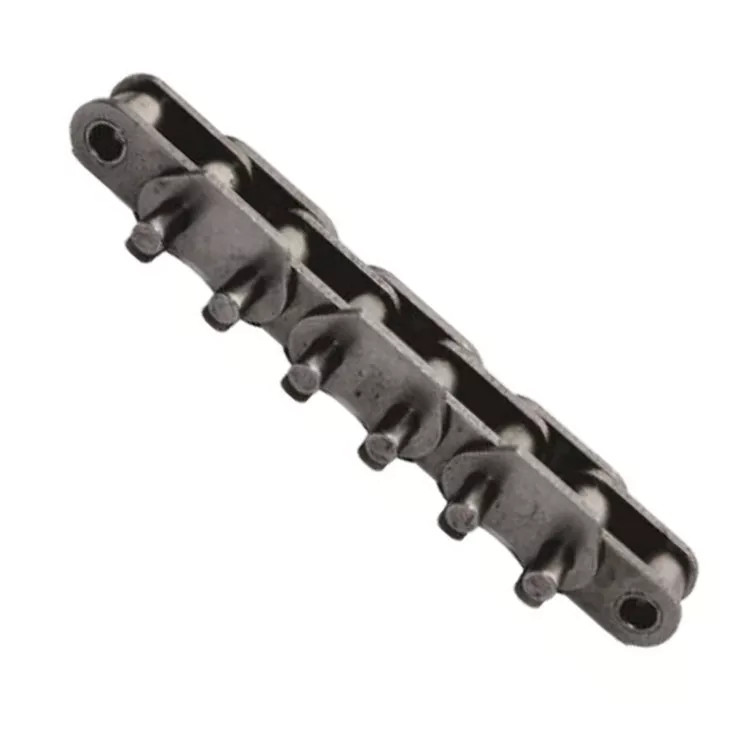
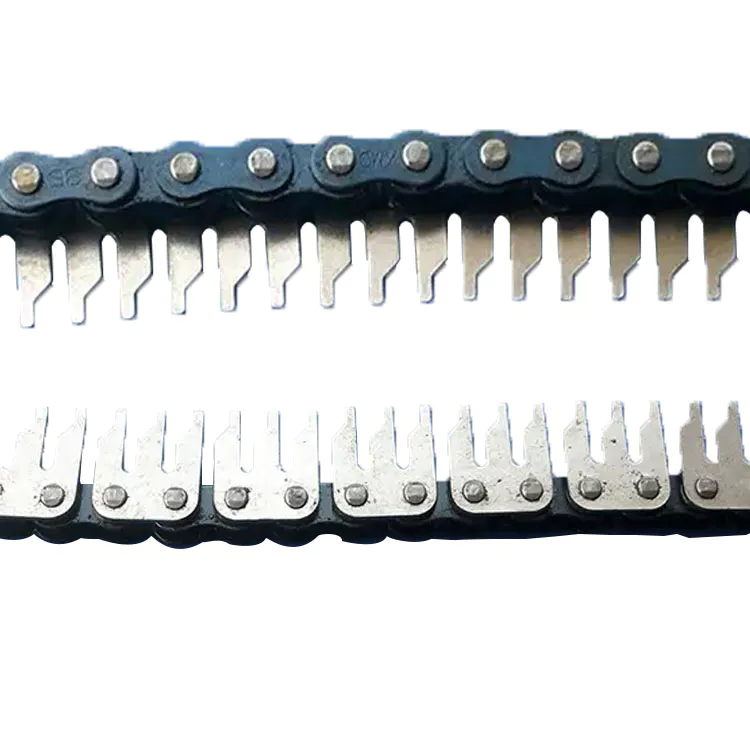
Professional Standard C216ALSS-I Type Conveyor Chain For Ice Cream
C216ALSS-I type chain is a transmission chain for ice cream production and conveying machinery. The pitch is 50.8mm. The roller material is made of reinforced nylon and machined. It is not injection molded and it is wear-resistant, low-temperature resistant, and not easy to break. The chain piece is made of stainless steel 304, with high hardness, low temperature resistance and not easy to break. The main parameters of the product comply with ISO, ANSI, DIN, BS, JIS standards
HangZhou CHINAMFG Industry Co., Ltd. is a specialized supplier of a full range of chains.
Due to our CHINAMFG in offering best service to our clients, understanding of your needs and overriding sense of responsibility toward filling ordering requirements, we have obtained the trust of buyers worldwide. Having accumulated precious experience in cooperating with foreign customers, our products are selling well in the American, European, South American and Asian markets.Our products are manufactured by modern computerized machinery and equipment. Meanwhile, our products are manufactured according to high quality standards, and complying with the international advanced standard criteria.
With many years’ experience in this line, we will be trusted by our advantages in competitive price, one-time delivery, prompt response, on-hand engineering support and good after-sales services.
Additionally, all our production procedures are in compliance with ISO9001 standards. We also can design and make non-standard products to meet customers’ special requirements. Quality and credit are the bases that make a corporation alive. We will provide best services and high quality products with all sincerity. If you need any information or samples, please contact us and you will have our soon reply.
FAQ:
Q1: Are you trading company or manufacturer ?
A: We are factory.
Q2: How long is your delivery time and shipment?
1.Sample Lead-times: generally 30 workdays.
2.Production Lead-times: 60 workdays after getting your deposit.
Q3. What is your terms of payment?
A: T/T 30% as deposit, and 70% before delivery.
We’ll show you the photos of the products and packages before you pay the balance.
Q4: What is your advantages?
1. Manufacturer,the most competitive price and good quality.
2. Perfect technical engineers give you the best support.
3. OEM is available.
4. Rich stock and quick delivery.
Q5. If you can’t find the product on our website,what do you next?
Please send us inquiry with product pictures and drawings by email or other ways and we’ll check
| Standard or Nonstandard: | Standard |
|---|---|
| Қолдану: | Textile Machinery, Garment Machinery, Conveyer Equipment, Food Machinery |
| Беттік өңдеу: | Жылтырату |
| Үлгілер: | US$ 50/Meter 1 метр (ең аз тапсырыс) | Тапсырыс үлгісі |
|---|
| Теңшеу: | Қолжетімді | Теңшелген сұраныс |
|---|
.shipping-cost-tm .tm-status-off{background: none;padding:0;color: #1470cc}
| Жеткізу құны: Бір бірлікке шаққанда жүк тасымалының болжамды көлемі. | жеткізу құны және жеткізудің болжамды уақыты туралы. |
|---|
| Төлем әдісі: |
|
|---|---|
| Бастапқы төлем Толық төлем |
| Валюта: | US$ |
|---|
| Қайтару және қайтару: | Өнімдерді алғаннан кейін 30 күн ішінде ақшаны қайтарып алуға өтініш бере аласыз. |
|---|

Конвейер тізбегін фармацевтикалық өндірісте қолдануға бола ма?
Иә, конвейерлік тізбектерді фармацевтикалық өндірісте әртүрлі мақсаттарда пайдалануға болады. Конвейерлік жүйелер өндіріс процесінде фармацевтикалық өнімдерді тиімді және қауіпсіз тасымалдауда маңызды рөл атқарады. Фармацевтикалық өндірісте конвейерлік тізбектерді пайдалану кезіндегі кейбір негізгі мәселелер:
1. Материалды таңдау:
– Тот баспайтын болат немесе FDA бекіткен пластик сияқты фармацевтикалық қолдануға жарамды материалдардан жасалған конвейерлік тізбектерді таңдаңыз. Бұл материалдар коррозияға төзімділікті, тазалықты және салалық ережелерге сәйкестікті қамтамасыз етеді.
2. Тазалық және санитарлық тазалық:
– Конвейер тізбегінің дизайны оңай тазалау мен санитарлық тазалауды қамтамасыз ететініне көз жеткізіңіз. Гигиеналық ортаны сақтау үшін тегіс беттер, минималды жарықтар және тазалау жабдықтарына қол жеткізу маңызды.
3. Ластануды бақылау:
– Фармацевтикалық өнімдердің ластануын болдырмау шараларын қолдану. Бұған фармацевтикалық қолдану үшін қауіпсіз тізбекті майлағыштарды пайдалану және тиісті өңдеу және сақтау процедураларын енгізу кіреді.
4. Өнімді қорғау:
– Өнімнің зақымдалуын немесе тозуын азайтатын конвейерлік тізбек жүйелерін таңдаңыз. Бұған үйкеліс деңгейі төмен беттер, реттелетін жылдамдықты басқару элементтері және өнімнің дұрыс арақашықтығы сияқты өнімді жұмсақ өңдеу мүмкіндіктерін пайдалану кіруі мүмкін.
5. Реттеуші талаптарға сәйкестік:
– Конвейер тізбегі жүйесінің фармацевтика саласының ережелері мен нұсқаулықтарына, мысалы, Жақсы өндірістік тәжірибелер (GMP) және FDA сияқты реттеуші органдардың талаптарына сәйкес келетініне көз жеткізіңіз.
6. Жабдықпен интеграция:
– Конвейерлік тізбектерді фармацевтикалық өндіріс процесіндегі басқа жабдықтармен, мысалы, заттаңбалау машиналарымен, толтыру машиналарымен және қаптау жабдықтарымен біріктіруді қарастырыңыз. Конвейерлік жүйе бұл машиналармен үздіксіз жұмыс істеуді және синхрондауды қамтамасыз етуі керек.
Фармацевтикалық өндіріске арналған конвейерлік тізбектерді мұқият таңдау және жобалау арқылы тазалық, өнімнің тұтастығы және нормативтік сәйкестік тұрғысынан саланың қатаң талаптарын қанағаттандыруға болады.
How do you prevent corrosion in conveyor chains?
Preventing corrosion in conveyor chains is essential for maintaining their performance and prolonging their lifespan. Here are some effective measures to prevent corrosion:
1. Material Selection: Choose conveyor chains made from corrosion-resistant materials such as stainless steel, plastic, or coatings specifically designed to resist corrosion. These materials offer better protection against rust and corrosion compared to standard steel chains.
2. Proper Lubrication: Apply a suitable lubricant to the conveyor chain regularly. Lubrication creates a protective barrier that helps prevent moisture and contaminants from reaching the metal surface, reducing the risk of corrosion. Select a lubricant that provides corrosion protection properties and is compatible with the chain material.
3. Environmental Controls: Control the operating environment to minimize exposure to corrosive elements. Implement measures such as humidity control, proper ventilation, and protection from direct contact with water or chemicals. Consider using covers or enclosures to shield the conveyor chain from environmental factors that can accelerate corrosion.
4. Surface Treatments: Apply corrosion-resistant coatings or treatments to the conveyor chain. These coatings can provide an additional protective layer that acts as a barrier against moisture and corrosive substances. Examples of surface treatments include zinc plating, galvanizing, or epoxy coatings.
5. Regular Inspections and Cleaning: Regularly inspect the conveyor chain for signs of corrosion or damage. Remove any accumulated dirt, debris, or corrosive substances promptly. Cleaning the chain helps prevent the buildup of contaminants that can accelerate corrosion.
6. Preventive Maintenance: Implement a preventive maintenance program that includes regular cleaning, lubrication, and inspection of the conveyor chain. This proactive approach helps identify and address any potential corrosion issues early on, preventing further damage.
7. Proper Storage: When not in use, store the conveyor chains in a dry and controlled environment. Protect them from exposure to moisture, humidity, and corrosive substances. Use appropriate storage methods, such as hanging the chains or storing them in sealed containers.
By following these preventive measures, you can significantly reduce the risk of corrosion in conveyor chains, ensuring their optimal performance and longevity.
How do you troubleshoot common issues with conveyor chains?
Troubleshooting common issues with conveyor chains involves identifying the problem and taking appropriate steps to resolve it. Here are some common issues and troubleshooting approaches:
- Chain Slippage: If the chain is slipping or not engaging properly with the sprockets, check for proper tensioning, alignment, and lubrication. Adjust the tension if necessary and ensure the chain is properly aligned with the sprockets.
- Chain Jamming: If the chain is frequently jamming or getting stuck, inspect the conveyor for any obstructions or foreign objects that may be causing the issue. Clear any debris or blockages and ensure the chain’s path is clear.
- Excessive Noise: If the chain is making loud or unusual noises, check for proper lubrication. Insufficient lubrication can cause increased friction and noise. Apply the appropriate lubricant according to the manufacturer’s recommendations.
- Chain Breakage: If the chain is breaking frequently, inspect for any damaged or worn-out components. Replace any broken or worn links, pins, or attachments. Also, check for proper tensioning and alignment, as excessive tension or misalignment can lead to chain breakage.
- Chain Wear: If the chain shows signs of wear, such as elongation or corrosion, consider replacing it. Excessive wear can affect the performance and lifespan of the chain. Regularly inspect and measure the chain for wear and replace it when necessary.
It’s important to follow proper maintenance practices, including regular inspection, lubrication, and tensioning, to prevent and address common issues with conveyor chains. Consult the manufacturer’s guidelines and seek professional assistance if needed.


editor by CX 2023-11-06