Ürün Açıklaması
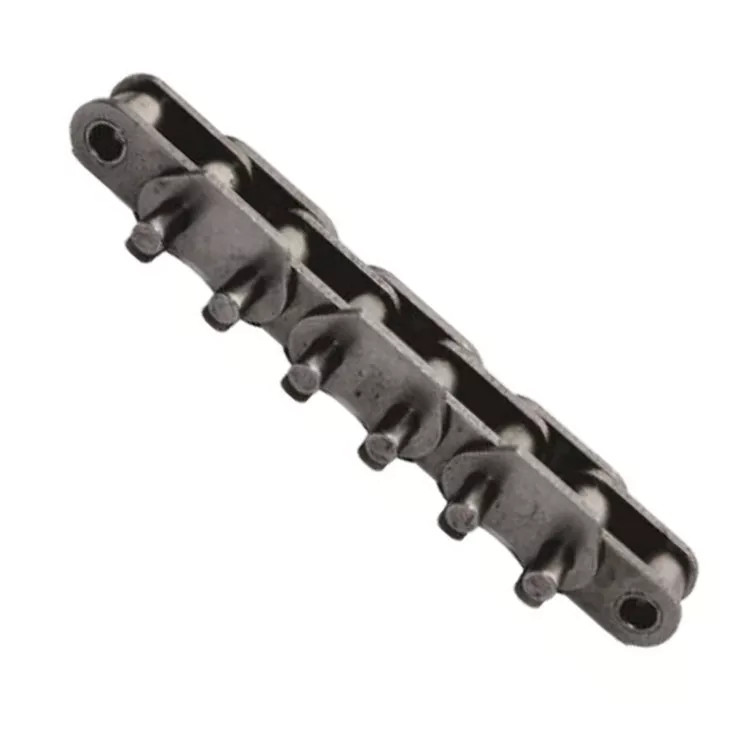
Professional Standard C216ALSS-I Type Conveyor Chain For Ice Cream
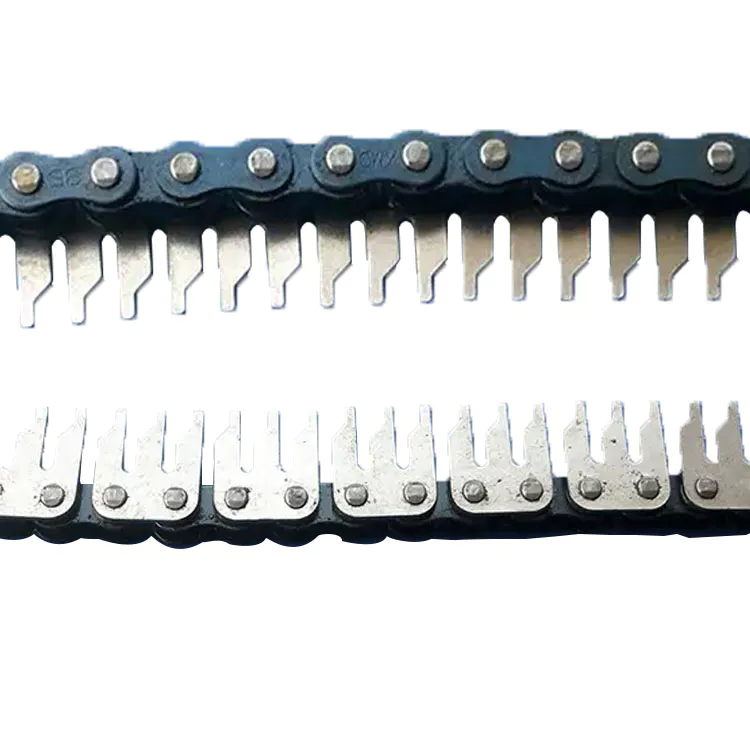
C216ALSS-I type chain is a transmission chain for ice cream production and conveying machinery. The pitch is 50.8mm. The roller material is made of reinforced nylon and machined. It is not injection molded and it is wear-resistant, low-temperature resistant, and not easy to break. The chain piece is made of stainless steel 304, with high hardness, low temperature resistance and not easy to break. The main parameters of the product comply with ISO, ANSI, DIN, BS, JIS standards
HangZhou CHINAMFG Industry Co., Ltd. is a specialized supplier of a full range of chains.
Due to our CHINAMFG in offering best service to our clients, understanding of your needs and overriding sense of responsibility toward filling ordering requirements, we have obtained the trust of buyers worldwide. Having accumulated precious experience in cooperating with foreign customers, our products are selling well in the American, European, South American and Asian markets.Our products are manufactured by modern computerized machinery and equipment. Meanwhile, our products are manufactured according to high quality standards, and complying with the international advanced standard criteria.
With many years’ experience in this line, we will be trusted by our advantages in competitive price, one-time delivery, prompt response, on-hand engineering support and good after-sales services.
Additionally, all our production procedures are in compliance with ISO9001 standards. We also can design and make non-standard products to meet customers’ special requirements. Quality and credit are the bases that make a corporation alive. We will provide best services and high quality products with all sincerity. If you need any information or samples, please contact us and you will have our soon reply.
FAQ:
Q1: Are you trading company or manufacturer ?
A: We are factory.
Q2: How long is your delivery time and shipment?
1.Sample Lead-times: generally 30 workdays.
2.Production Lead-times: 60 workdays after getting your deposit.
Q3. What is your terms of payment?
A: T/T 30% as deposit, and 70% before delivery.
We’ll show you the photos of the products and packages before you pay the balance.
Q4: What is your advantages?
1. Manufacturer,the most competitive price and good quality.
2. Perfect technical engineers give you the best support.
3. OEM is available.
4. Rich stock and quick delivery.
Q5. If you can’t find the product on our website,what do you next?
Please send us inquiry with product pictures and drawings by email or other ways and we’ll check
| Standart veya Standart Dışı: | Standart |
|---|---|
| Başvuru: | Textile Machinery, Garment Machinery, Conveyer Equipment, Food Machinery |
| Yüzey İşlemi: | Parlatma |
| Örnekler: | US$ 50/Meter 1 Metre (Minimum Sipariş) | Sipariş Örneği |
|---|
| Özelleştirme: | Mevcut | Özelleştirilmiş Talep |
|---|
.shipping-cost-tm .tm-status-off{background: none;padding:0;color: #1470cc}
| Nakliye Ücreti: Birim başına tahmini nakliye ücreti. | Kargo ücreti ve tahmini teslim süresi hakkında bilgi. |
|---|
| Ödeme yöntemi: |
|
|---|---|
| İlk Ödeme Tam Ödeme |
| Para birimi: | US$ |
|---|
| İade ve geri ödemeler: | Ürünleri teslim aldıktan sonraki 30 güne kadar iade talebinde bulunabilirsiniz. |
|---|

Can a conveyor chain be used in pharmaceutical manufacturing?
Yes, conveyor chains can be used in pharmaceutical manufacturing for various applications. Conveyor systems play a crucial role in the efficient and safe transportation of pharmaceutical products throughout the manufacturing process. Here are some key considerations when using conveyor chains in pharmaceutical manufacturing:
1. Material Selection:
– Choose conveyor chains made from materials that are suitable for pharmaceutical applications, such as stainless steel or FDA-approved plastic. These materials offer corrosion resistance, cleanliness, and compliance with industry regulations.
2. Cleanliness and Sanitation:
– Ensure that the conveyor chain design allows for easy cleaning and sanitation. Smooth surfaces, minimal crevices, and access for cleaning equipment are important to maintain a hygienic environment.
3. Contamination Control:
– Implement measures to prevent contamination of pharmaceutical products. This includes using chain lubricants that are safe for pharmaceutical applications and implementing proper handling and storage procedures.
4. Ürün Koruması:
– Choose conveyor chain systems that minimize product damage or degradation. This can include utilizing gentle product handling features such as low-friction surfaces, adjustable speed controls, and proper product spacing.
5. Regulatory Compliance:
– Ensure that the conveyor chain system complies with pharmaceutical industry regulations and guidelines, such as Good Manufacturing Practices (GMP) and the requirements of regulatory bodies like the FDA.
6. Integration with Equipment:
– Consider the integration of conveyor chains with other equipment in the pharmaceutical manufacturing process, such as labeling machines, filling machines, and packaging equipment. The conveyor system should provide seamless operation and synchronization with these machines.
By carefully selecting and designing conveyor chains specifically for pharmaceutical manufacturing, it is possible to meet the stringent requirements of the industry in terms of cleanliness, product integrity, and regulatory compliance.
How do you prevent corrosion in conveyor chains?
Preventing corrosion in conveyor chains is essential for maintaining their performance and prolonging their lifespan. Here are some effective measures to prevent corrosion:
1. Material Selection: Choose conveyor chains made from corrosion-resistant materials such as stainless steel, plastic, or coatings specifically designed to resist corrosion. These materials offer better protection against rust and corrosion compared to standard steel chains.
2. Proper Lubrication: Apply a suitable lubricant to the conveyor chain regularly. Lubrication creates a protective barrier that helps prevent moisture and contaminants from reaching the metal surface, reducing the risk of corrosion. Select a lubricant that provides corrosion protection properties and is compatible with the chain material.
3. Environmental Controls: Control the operating environment to minimize exposure to corrosive elements. Implement measures such as humidity control, proper ventilation, and protection from direct contact with water or chemicals. Consider using covers or enclosures to shield the conveyor chain from environmental factors that can accelerate corrosion.
4. Surface Treatments: Apply corrosion-resistant coatings or treatments to the conveyor chain. These coatings can provide an additional protective layer that acts as a barrier against moisture and corrosive substances. Examples of surface treatments include zinc plating, galvanizing, or epoxy coatings.
5. Regular Inspections and Cleaning: Regularly inspect the conveyor chain for signs of corrosion or damage. Remove any accumulated dirt, debris, or corrosive substances promptly. Cleaning the chain helps prevent the buildup of contaminants that can accelerate corrosion.
6. Preventive Maintenance: Implement a preventive maintenance program that includes regular cleaning, lubrication, and inspection of the conveyor chain. This proactive approach helps identify and address any potential corrosion issues early on, preventing further damage.
7. Proper Storage: When not in use, store the conveyor chains in a dry and controlled environment. Protect them from exposure to moisture, humidity, and corrosive substances. Use appropriate storage methods, such as hanging the chains or storing them in sealed containers.
By following these preventive measures, you can significantly reduce the risk of corrosion in conveyor chains, ensuring their optimal performance and longevity.
Konveyör zincirlerinde sık karşılaşılan sorunları nasıl giderirsiniz?
Konveyör zincirlerinde sık karşılaşılan sorunların giderilmesi, sorunun belirlenmesini ve çözümü için uygun adımların atılmasını içerir. İşte bazı yaygın sorunlar ve çözüm yaklaşımları:
- Zincir Kayması: Zincir kayıyorsa veya dişlilerle düzgün bir şekilde temas etmiyorsa, gerginliğini, hizalamasını ve yağlamasını kontrol edin. Gerekirse gerginliği ayarlayın ve zincirin dişlilerle doğru şekilde hizalandığından emin olun.
- Zincir Sıkışması: Eğer zincir sık sık sıkışıyor veya takılıyorsa, soruna neden olabilecek herhangi bir engel veya yab cisim olup olmadığını kontrol edin. Tüm kalıntıları veya tıkanıklıkları temizleyin ve zincirin yolunun açık olduğundan emin olun.
- Aşırı Gürültü: Zincir yüksek veya alışılmadık sesler çıkarıyorsa, yeterli yağlama olup olmadığını kontrol edin. Yetersiz yağlama, sürtünmeyi ve gürültüyü artırabilir. Üreticinin tavsiyelerine göre uygun yağı uygulayın.
- Zincir Kopması: Zincir sık sık kopuyorsa, hasarlı veya aşınmış parçaları kontrol edin. Kırık veya aşınmış bağlantı elemanlarını, pimleri veya ataşmanları değiştirin. Ayrıca, aşırı gerilim veya yanlış hizalama zincir kopmasına yol açabileceğinden, doğru gerilim ve hizalamayı kontrol edin.
- Zincir Aşınması: Zincirde uzama veya korozyon gibi aşınma belirtileri varsa, değiştirmeyi düşünün. Aşırı aşınma, zincirin performansını ve ömrünü etkileyebilir. Zinciri düzenli olarak kontrol edin, aşınma durumunu ölçün ve gerektiğinde değiştirin.
Konveyör zincirlerinde sık karşılaşılan sorunları önlemek ve gidermek için düzenli kontrol, yağlama ve gerdirme gibi uygun bakım uygulamalarına uymak önemlidir. Üreticinin yönergelerine başvurun ve gerekirse profesyonel yardım alın.


editor by CX 2023-11-06