Өнім сипаттамасы
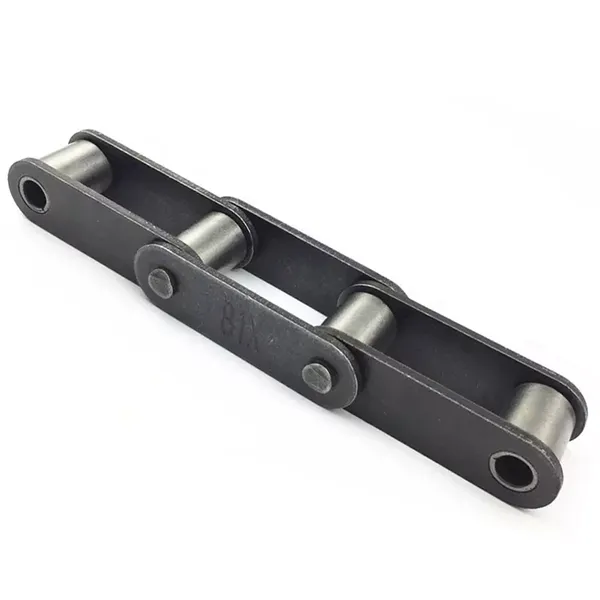
We are Double Pitch Conveyor Chain Manufacturer and always supplying Conveyor chains with competitive price,high quality and regular basis.
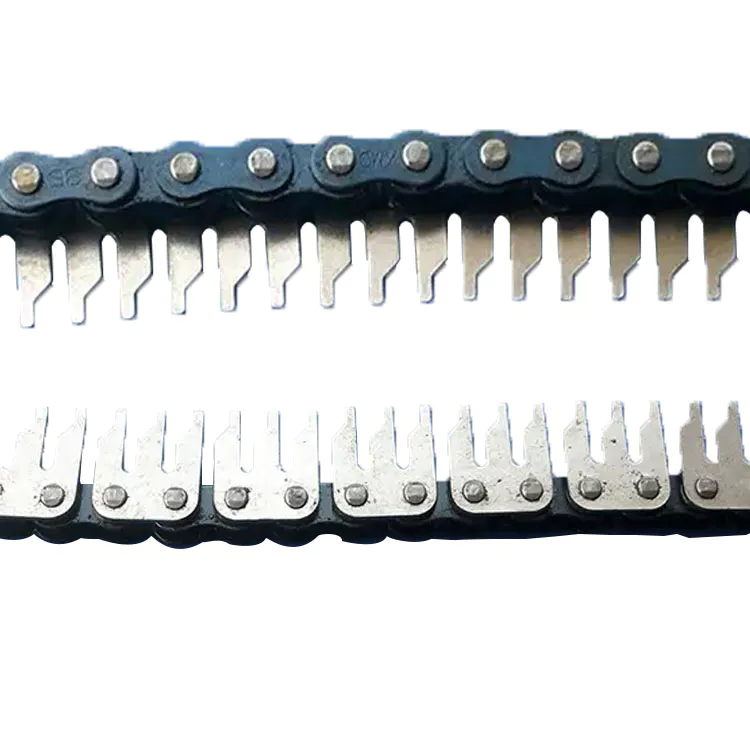
These Conveyor chains are used in conveyor applications when loads are low and speeds are moderate. They are similar to the Double-Pitch Power Transmission chains, but with link plates that have an oval contour, and can be produced with either standard or over-sized rollers. They are most often found working on conveyors of all shapes and sizes and can be supplied with 1 or more of our many attachments to carry or convey products.
| ISO Chain No. | ANSI Chain No. | Ұсыныс | Roller diameter | Width between innerplates | Түйреуіш диаметрі | Түйреуіштің ұзындығы | Inner plate depth | Плитаның қалыңдығы | Ultimate tensile strength | Орташа созылу беріктігі | |
| p | d1 max | b1 мин | d2 макс. | L max | Lc макс | h2 макс | T макс | Q мин | Қо | ||
| m m | m m | m m | m m | m m | m m | m m | m m | кН/бф | кН | ||
| C208A C208AL | C2040 C2042 | 25.40 | 7.95 15.88 | 7.85 | 3.96 | 16.6 | 17.8 | 12.0 | 1.50 | 14.1/3205 | 16.7 |
| C208AH | C2040H | 25.40 | 7.95 | 7.85 | 3.96 | 18.8 | 19.9 | 12.0 | 2.03 | 14.1/3205 | 17.2 |
| C208B C208BL | 25.40 | 8.51 15.88 | 7.75 | 4.45 | 16.7 | 18.2 | 11.8 | 1.60 | 18.0/4091 | 19.4 | |
| C210A C210AL | C2050 C2052 | 31.75 | 10.16 19.05 | 9.40 | 5.08 | 20.7 | 22.2 | 15.0 | 2.03 | 22.2/5045 | 28.1 |
| C212A C212AL | C2060 C2062 | 38.10 | 11.91 22.23 | 12.57 | 5.94 | 25.9 | 27.7 | 18.0 | 2.42 | 31.8/7227 | 36.8 |
| C212AH C212AHL | C2060H C2062H | 38.10 | 11.91 22.23 | 12.57 | 5.94 | 29.2 | 31.6 | 18.0 | 3.25 | 31.8/7227 | 41.6 |
| C216A C216AL | C2080 C2082 | 50.80 | 15.88 28.58 | 15.75 | 7.92 | 32.7 | 36.5 | 24.0| | 3.25 | 56.7/12886 | 65.7 |
| C216AH C216AHL | C2080H C2082H | 50.80 | 15.88 28.58 | 15.75 | 7.92 | 36.2 | 39.4 | 24.0 | 4.00 | 56.7/12886 | 70.0 |
| C220A C220AL | C2100 C2102 | 63.50 | 19.05 39.67 | 18.90 | 9.53 | 40.4 | 44.7 | 30.0 | 4.00 | 88.5/20114 | 102.6 |
| C220AH C220AHL | C2100H C2102H | 63.50 | 19.05 39.67 | 18.90 | 9.53 | 43.6 | 46.9 | 30.0 | 4.80 | 88.5/20114 | 112.4 |
| C224A C224AL | C2120 C2122 | 76.20 | 22.23 44.45 | 25.22 | 11.10 | 50.3 | 54.3 | 35.7 | 4.80 | 127.0/28864 | 147.3 |
| C224AH C224AHL | C2120H C2122H | 76.20 | 22.23 44.45 | 25.22 | 11.10 | 53.5 | 57.5 | 35.7 | 5.60 | 127.0/28864 | 160.9 |
| C232A C232AL | C2160 C2162 | 101.60 | 28.58 57.15 | 31.75 | 14.27 | 64.8 | 69.6 | 47.8 | 6.40 | 226.8/51545 | 278.9 |
| C232AH C232AHL | C2160H C2162H | 101.60 | 28.58 57.15 | 31.75 | 14.27 | 68.2 | 73.0 | 47.8 | 7.20 | 226.8/51545 | 285.8 |
/* May 10, 2571 16:49:51 */!function(){function d(e,r){var a,o={};try{e&&e.split(“,”).forEach(function(e,t){e&&(a=e.match(/(.*?):(.*)$/))&&1

Конвейер тізбегін төтенше температуралық ортада пайдалануға бола ма?
Иә, конвейерлік тізбектерді экстремалды температуралық орталарға төтеп беру үшін жобалауға және өндіруге болады. Конвейерлік тізбектің жоғары немесе төмен температуралы қолдануға жарамдылығы тізбектің материалдық құрамы мен конструкциясына байланысты.
1. Жоғары температуралы орталар: Жоғары температураны қамтитын қолданбалар үшін тот баспайтын болат немесе арнайы қорытпалар сияқты ыстыққа төзімді материалдардан жасалған конвейерлік тізбектер жиі қолданылады. Бұл тізбектер айтарлықтай деформацияланбай немесе беріктіктің жоғалмай жоғары температураға төтеп бере алады. Олар тотығуға, коррозияға және термиялық кеңеюге төтеп беруге арналған, бұл ыстық ортада сенімді жұмыс істеуді қамтамасыз етеді.
2. Төмен температуралы орталар: Сол сияқты, конвейерлік тізбектерді төмен температуралы қолданбалар үшін де жасауға болады. Суық ортада төмен температурада иілгіш және берік болып қалатын материалдардан жасалған тізбектер қолданылады. Бұл тізбектер сынғыш болмай немесе механикалық қасиеттерін жоғалтпай, суық температураның әсеріне төтеп беруге арналған.
Конвейер тізбегін өндірушілермен немесе ең қолайлы тізбек материалы мен дизайнын таңдау үшін экстремалды температуралық қолданбаларға маманданған сарапшылармен кеңесу маңызды. Олар конвейер тізбегінің экстремалды температуралық ортада тиімді және сенімді жұмыс істеуін қамтамасыз ету үшін материалды таңдау, майлау және пайдалану мәселелері сияқты факторлар бойынша нұсқаулық бере алады.
Конвейерлік тізбек технологиясындағы болашақ үрдістер мен жетістіктер қандай?
Конвейерлік тізбек технологиясы саласы тиімділікті, өнімділікті және тұрақтылықты арттыру қажеттілігіне байланысты үнемі дамып келеді. Конвейерлік тізбек технологиясындағы болашақ үрдістер мен жетістіктердің кейбірі:
1. Автоматтандыру және робототехника: Конвейер тізбектерін автоматтандыру және робототехника жүйелерімен біріктіру өсіп келе жатқан үрдіс болып табылады. Бұған автономды жұмыс істеуді, дәл позициялауды және материалдарды тиімді өңдеуді қамтамасыз ету үшін озық сенсорларды, машиналық көруді және жасанды интеллектті пайдалану кіреді.
2. Ақылды және қосылған жүйелер: Конвейер тізбектері Заттар интернеті (IoT) технологиясы арқылы барған сайын байланысып келеді. Бұл нақты уақыт режимінде мониторинг жүргізуге, деректерді жинауға және тізбектің тозуы, кернеуі, температурасы және энергия тұтынуы сияқты әртүрлі өнімділік параметрлерін талдауға мүмкіндік береді. Ақылды жүйелер техникалық қызмет көрсету кестелерін оңтайландыра алады, ықтимал ақауларды анықтай алады және жалпы жүйенің тиімділігін жақсарта алады.
3. Жеңіл және жоғары беріктікке ие материалдар: Жеңіл, бірақ жоғары беріктікке ие материалдарды әзірлеу конвейер тізбегі технологиясында үнемі назар аударылып келеді. Жетілдірілген қорытпалар, композиттер және инженерлік пластмассалар беріктік пен салмақ арақатынасын жақсартады, энергия тұтынуды азайтады және конвейерлік жүйелердің жүк көтергіштігін арттырады.
4. Энергия тиімділігі: Энергия тиімділігі конвейер тізбегін жобалауда маңызды мәселе болып табылады. Болашақтағы жетістіктер тиімді жетек жүйелерін, регенеративті тежеуді және жылдамдық пен үдеу профильдерін оңтайландыратын ақылды басқару алгоритмдерін пайдалану арқылы энергия тұтынуды азайтуға бағытталған. Регенеративті жетек сияқты энергияны қалпына келтіру технологиялары баяулау немесе тежеу кезінде энергияны жинап, қайта пайдалана алады.
5. Тұрақтылық және қоршаған ортаға зиянсыздық: Конвейер тізбегі технологиясы тұрақты және экологиялық таза шешімдерге қарай жылжуда. Бұған экологиялық таза материалдарды пайдалану, қоршаған ортаға әсерді азайту үшін майлау әдістерін жетілдіру және энергия үнемдейтін компоненттер мен жүйелерді енгізу кіреді. Қайта өңдеу және айналмалы экономика тұжырымдамалары конвейер тізбектерін жобалау мен өндіруде де маңызды орын алуда.
6. Жетілдірілген тозуды бақылау және болжамды техникалық қызмет көрсету: Конвейер тізбегі технологиясының болашағы тізбектер мен компоненттердің қалған пайдалы қызмет ету мерзімін дәл болжай алатын озық тозуды бақылау жүйелерін қамтиды. Бұл алдын ала техникалық қызмет көрсетуді жоспарлауға мүмкіндік береді және жоспарланбаған тоқтап қалу уақытын азайтады. Болжамды техникалық қызмет көрсету алгоритмдері сенсорлардан жиналған деректерді талдайды және тізбекті ауыстыру немесе жөндеу туралы уақтылы ескертулер береді.
Бұл конвейерлік тізбек технологиясындағы болашақ үрдістер мен жетістіктердің бірнеше мысалы ғана. Технология дамыған сайын, конвейерлік жүйелердегі өнімділікті, тиімділікті, сенімділікті және тұрақтылықты арттыратын одан әрі инновацияларды күтуге болады.
How do you troubleshoot common issues with conveyor chains?
Troubleshooting common issues with conveyor chains involves identifying the problem and taking appropriate steps to resolve it. Here are some common issues and troubleshooting approaches:
- Chain Slippage: If the chain is slipping or not engaging properly with the sprockets, check for proper tensioning, alignment, and lubrication. Adjust the tension if necessary and ensure the chain is properly aligned with the sprockets.
- Chain Jamming: If the chain is frequently jamming or getting stuck, inspect the conveyor for any obstructions or foreign objects that may be causing the issue. Clear any debris or blockages and ensure the chain’s path is clear.
- Excessive Noise: If the chain is making loud or unusual noises, check for proper lubrication. Insufficient lubrication can cause increased friction and noise. Apply the appropriate lubricant according to the manufacturer’s recommendations.
- Chain Breakage: If the chain is breaking frequently, inspect for any damaged or worn-out components. Replace any broken or worn links, pins, or attachments. Also, check for proper tensioning and alignment, as excessive tension or misalignment can lead to chain breakage.
- Chain Wear: If the chain shows signs of wear, such as elongation or corrosion, consider replacing it. Excessive wear can affect the performance and lifespan of the chain. Regularly inspect and measure the chain for wear and replace it when necessary.
It’s important to follow proper maintenance practices, including regular inspection, lubrication, and tensioning, to prevent and address common issues with conveyor chains. Consult the manufacturer’s guidelines and seek professional assistance if needed.
<img src="https://img.hzpt.com/img/chain/chain-l1.webp" alt="China high quality China Chain Manufacturer Double Pitch Conveyor Chain “><img src="https://img.hzpt.com/img/chain/chain-l2.webp" alt="China high quality China Chain Manufacturer Double Pitch Conveyor Chain “>
editor by lmc 2024-10-22