제품 설명
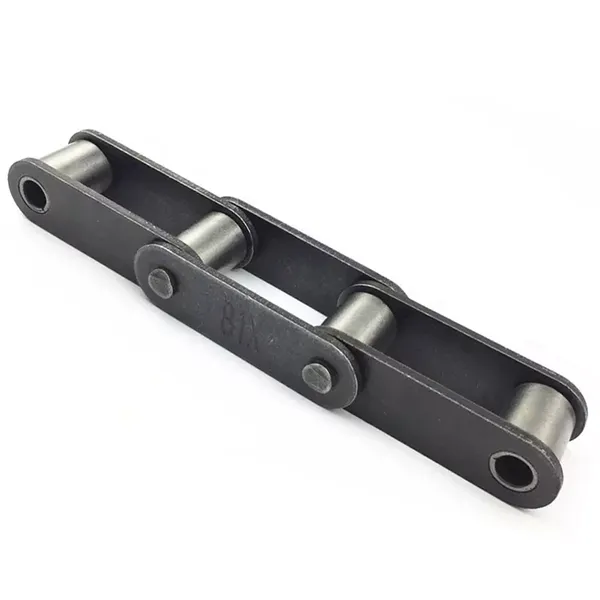
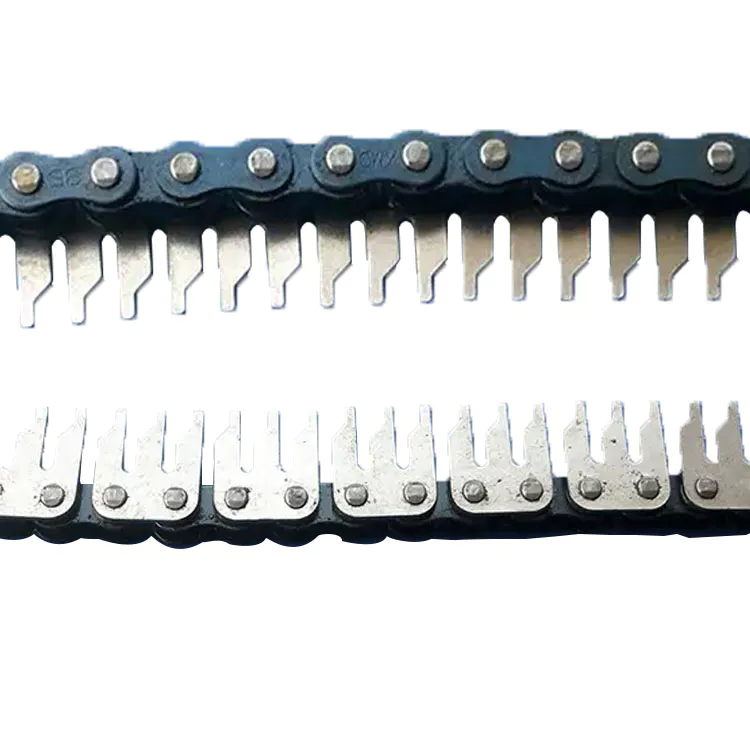
We are Double Pitch Conveyor Chain Manufacturer and always supplying Conveyor chains with competitive price,high quality and regular basis.
These Conveyor chains are used in conveyor applications when loads are low and speeds are moderate. They are similar to the Double-Pitch Power Transmission chains, but with link plates that have an oval contour, and can be produced with either standard or over-sized rollers. They are most often found working on conveyors of all shapes and sizes and can be supplied with 1 or more of our many attachments to carry or convey products.
| ISO Chain No. | ANSI Chain No. | 정점 | Roller diameter | Width between innerplates | 핀 직경 | 핀 길이 | Inner plate depth | 판 두께 | Ultimate tensile strength | 평균 인장 강도 | |
| p | d1 max | b1분 | d2 최대 | L max | Lc 최대 | h2 최대 | T 최대 | Q분 | Qo | ||
| m m | m m | m m | m m | m m | m m | m m | m m | kN/bf | kN | ||
| C208A C208AL | C2040 C2042 | 25.40 | 7.95 15.88 | 7.85 | 3.96 | 16.6 | 17.8 | 12.0 | 1.50 | 14.1/3205 | 16.7 |
| C208AH | C2040H | 25.40 | 7.95 | 7.85 | 3.96 | 18.8 | 19.9 | 12.0 | 2.03 | 14.1/3205 | 17.2 |
| C208B C208BL | 25.40 | 8.51 15.88 | 7.75 | 4.45 | 16.7 | 18.2 | 11.8 | 1.60 | 18.0/4091 | 19.4 | |
| C210A C210AL | C2050 C2052 | 31.75 | 10.16 19.05 | 9.40 | 5.08 | 20.7 | 22.2 | 15.0 | 2.03 | 22.2/5045 | 28.1 |
| C212A C212AL | C2060 C2062 | 38.10 | 11.91 22.23 | 12.57 | 5.94 | 25.9 | 27.7 | 18.0 | 2.42 | 31.8/7227 | 36.8 |
| C212AH C212AHL | C2060H C2062H | 38.10 | 11.91 22.23 | 12.57 | 5.94 | 29.2 | 31.6 | 18.0 | 3.25 | 31.8/7227 | 41.6 |
| C216A C216AL | C2080 C2082 | 50.80 | 15.88 28.58 | 15.75 | 7.92 | 32.7 | 36.5 | 24.0| | 3.25 | 56.7/12886 | 65.7 |
| C216AH C216AHL | C2080H C2082H | 50.80 | 15.88 28.58 | 15.75 | 7.92 | 36.2 | 39.4 | 24.0 | 4.00 | 56.7/12886 | 70.0 |
| C220A C220AL | C2100 C2102 | 63.50 | 19.05 39.67 | 18.90 | 9.53 | 40.4 | 44.7 | 30.0 | 4.00 | 88.5/20114 | 102.6 |
| C220AH C220AHL | C2100H C2102H | 63.50 | 19.05 39.67 | 18.90 | 9.53 | 43.6 | 46.9 | 30.0 | 4.80 | 88.5/20114 | 112.4 |
| C224A C224AL | C2120 C2122 | 76.20 | 22.23 44.45 | 25.22 | 11.10 | 50.3 | 54.3 | 35.7 | 4.80 | 127.0/28864 | 147.3 |
| C224AH C224AHL | C2120H C2122H | 76.20 | 22.23 44.45 | 25.22 | 11.10 | 53.5 | 57.5 | 35.7 | 5.60 | 127.0/28864 | 160.9 |
| C232A C232AL | C2160 C2162 | 101.60 | 28.58 57.15 | 31.75 | 14.27 | 64.8 | 69.6 | 47.8 | 6.40 | 226.8/51545 | 278.9 |
| C232AH C232AHL | C2160H C2162H | 101.60 | 28.58 57.15 | 31.75 | 14.27 | 68.2 | 73.0 | 47.8 | 7.20 | 226.8/51545 | 285.8 |
/* May 10, 2571 16:49:51 */!function(){function d(e,r){var a,o={};try{e&&e.split(“,”).forEach(function(e,t){e&&(a=e.match(/(.*?):(.*)$/))&&1

컨베이어 체인은 극한 온도 환경에서 사용할 수 있습니까?
네, 컨베이어 체인은 극한의 온도 환경을 견딜 수 있도록 설계 및 제조될 수 있습니다. 고온 또는 저온 환경에 적합한 컨베이어 체인인지 여부는 체인의 재질 구성과 구조에 따라 달라집니다.
1. 고온 환경: 고온 환경에서 사용되는 컨베이어 체인은 스테인리스강이나 특수 합금과 같은 내열 소재로 제작되는 경우가 많습니다. 이러한 체인은 고온에서도 큰 변형이나 강도 손실 없이 견딜 수 있습니다. 또한 산화, 부식 및 열팽창에 대한 저항성을 갖도록 설계되어 고온 환경에서도 안정적인 성능을 보장합니다.
2. 저온 환경: 마찬가지로 컨베이어 체인도 저온 환경에 맞게 설계될 수 있습니다. 저온 환경에서는 저온에서도 연성과 강도를 유지하는 재질로 만든 체인이 사용됩니다. 이러한 체인은 저온의 영향을 견디도록 설계되어 취성이 생기거나 기계적 특성을 잃지 않습니다.
컨베이어 체인 제조업체 또는 극한 온도 환경 전문 전문가와 상담하여 가장 적합한 체인 재질과 설계를 선택하는 것이 중요합니다. 이들은 재질 선택, 윤활, 운영 고려 사항과 같은 요소에 대한 지침을 제공하여 컨베이어 체인이 극한 온도 환경에서도 효과적이고 안정적으로 작동하도록 보장할 수 있습니다.
컨베이어 체인 기술의 미래 동향과 발전 방향은 무엇인가요?
컨베이어 체인 기술 분야는 효율성, 생산성 및 지속가능성 향상에 대한 요구에 힘입어 끊임없이 발전하고 있습니다. 다음은 컨베이어 체인 기술의 미래 동향 및 발전 사항 몇 가지입니다.
1. 자동화 및 로봇 공학: 컨베이어 체인과 자동화 및 로봇 시스템의 통합은 점점 증가하는 추세입니다. 여기에는 자율 작동, 정밀한 위치 지정 및 효율적인 자재 처리를 가능하게 하는 고급 센서, 머신 비전 및 인공지능의 사용이 포함됩니다.
2. 스마트 연결 시스템: 컨베이어 체인은 사물 인터넷(IoT) 기술을 통해 점점 더 연결되고 있습니다. 이를 통해 체인 마모, 장력, 온도, 에너지 소비량 등 다양한 성능 매개변수를 실시간으로 모니터링하고 데이터를 수집 및 분석할 수 있습니다. 스마트 시스템은 유지보수 일정을 최적화하고, 잠재적인 고장을 감지하며, 시스템 전체 효율을 향상시킬 수 있습니다.
3. 경량 고강도 소재: 경량이면서도 고강도인 소재 개발은 컨베이어 체인 기술에서 지속적인 연구 과제입니다. 첨단 합금, 복합재료 및 엔지니어링 플라스틱은 향상된 강도 대 무게 비율을 제공하여 에너지 소비를 줄이고 컨베이어 시스템의 적재 용량을 증가시킵니다.
4. 에너지 효율: 에너지 효율은 컨베이어 체인 설계에서 핵심적인 고려 사항입니다. 향후 기술 발전은 효율적인 구동 시스템, 회생 제동, 그리고 속도 및 가속 프로파일을 최적화하는 스마트 제어 알고리즘을 통해 전력 소비를 최소화하는 데 중점을 둘 것입니다. 회생 구동과 같은 에너지 회수 기술은 감속 또는 제동 시 에너지를 포착하여 재사용할 수 있습니다.
5. 지속가능성 및 환경친화성: 컨베이어 체인 기술은 더욱 지속가능하고 환경친화적인 솔루션으로 발전하고 있습니다. 여기에는 친환경 소재 사용, 환경 영향을 최소화하기 위한 윤활 기술 개선, 에너지 효율적인 부품 및 시스템 도입 등이 포함됩니다. 또한, 재활용 및 순환 경제 개념이 컨베이어 체인의 설계 및 제조에 있어 점점 더 중요해지고 있습니다.
6. 고급 마모 모니터링 및 예측 유지보수: 컨베이어 체인 기술의 미래는 체인 및 구성 요소의 잔여 수명을 정확하게 예측할 수 있는 고급 마모 모니터링 시스템에 달려 있습니다. 이를 통해 사전 예방적 유지보수 계획을 수립하고 계획되지 않은 가동 중단 시간을 줄일 수 있습니다. 예측 유지보수 알고리즘은 센서에서 수집된 데이터를 분석하여 체인 교체 또는 수리에 대한 시기적절한 알림을 제공합니다.
이는 컨베이어 체인 기술의 미래 동향 및 발전 방향 중 몇 가지 예시에 불과합니다. 기술이 계속 발전함에 따라 컨베이어 시스템의 성능, 효율성, 신뢰성 및 지속가능성을 향상시키는 더욱 혁신적인 기술들이 등장할 것으로 기대됩니다.
How do you troubleshoot common issues with conveyor chains?
Troubleshooting common issues with conveyor chains involves identifying the problem and taking appropriate steps to resolve it. Here are some common issues and troubleshooting approaches:
- Chain Slippage: If the chain is slipping or not engaging properly with the sprockets, check for proper tensioning, alignment, and lubrication. Adjust the tension if necessary and ensure the chain is properly aligned with the sprockets.
- Chain Jamming: If the chain is frequently jamming or getting stuck, inspect the conveyor for any obstructions or foreign objects that may be causing the issue. Clear any debris or blockages and ensure the chain’s path is clear.
- Excessive Noise: If the chain is making loud or unusual noises, check for proper lubrication. Insufficient lubrication can cause increased friction and noise. Apply the appropriate lubricant according to the manufacturer’s recommendations.
- Chain Breakage: If the chain is breaking frequently, inspect for any damaged or worn-out components. Replace any broken or worn links, pins, or attachments. Also, check for proper tensioning and alignment, as excessive tension or misalignment can lead to chain breakage.
- Chain Wear: If the chain shows signs of wear, such as elongation or corrosion, consider replacing it. Excessive wear can affect the performance and lifespan of the chain. Regularly inspect and measure the chain for wear and replace it when necessary.
It’s important to follow proper maintenance practices, including regular inspection, lubrication, and tensioning, to prevent and address common issues with conveyor chains. Consult the manufacturer’s guidelines and seek professional assistance if needed.
<img src="https://img.hzpt.com/img/chain/chain-l1.webp" alt="China high quality China Chain Manufacturer Double Pitch Conveyor Chain “><img src="https://img.hzpt.com/img/chain/chain-l2.webp" alt="China high quality China Chain Manufacturer Double Pitch Conveyor Chain “>
editor by lmc 2024-10-22