제품 설명
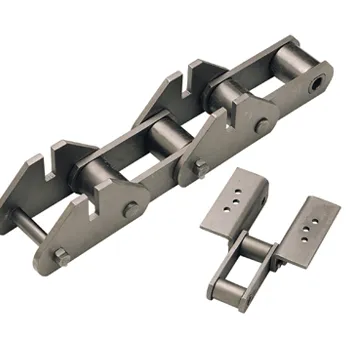
Scraper conveyor chain
P152F51/45/45A/45C/47/45D/45E/45F, P2000F29/29A, P101.6F20, RO6205MF3, MR56, MR80, MR224, MR315, FVR40/63/90/112
Forged chain , trolleys,carriers used on overhead conveyor production line.
Main products are Forge chain and trolley, welded link chain, Standard and non-standard stainless steel and carbon steel roller chain, Leaf chain, standard and non-standard conveyor chain, Scraper conveyor chain, Cranked link chain, double plus chain, double pitch transmission chain, plastic chain, sprockets and Other accessories.
Main products are Forge chain and trolley, welded link chain, Standard and non-standard stainless steel and carbon steel roller chain, Leaf chain, standard and non-standard conveyor chain, Scraper conveyor chain, Cranked link chain, double plus chain, double pitch transmission chain, plastic chain, sprockets and Other accessories.
The products can be combined to find the best possible solution for even the most demanding applications. Special solutions can also be developed for customers’ individual requirements.
Drop Forged Rivetless Chain, Drop Forged Chains, drop forged link,forged scraper chains.
1.Scraper chains P142,P142V,P142H,P200,P102,P250,P260
2.Detachable chain 51,52,55,57,62,74,78
3.Relevant overhead trolley&carriages&spare parts
4.as per your drawings or samples
| Drop forged detachable chains | X348,X458,X678,X698,F100,F160,P80,P100,P200 |
| CatterPilar Chains for | X348,X458,X678,X698 |
/* 2571년 1월 22일 19:08:37 */!function(){function s(e,r){var a,o={};try{e&&e.split(“,”).forEach(function(e,t){e&&(a=e.match(/(.*?):(.*)$/))&&1
| 용법: | Conveyor System |
|---|---|
| 유형: | Conveyor |
| Surface: | Self Colored, Zinc Plated,Blacken |
| Process: | Forging |
| Transport Package: | Plywood Case. |
| Specification: | ISO |
| 맞춤 설정: | 사용 가능 | 맞춤형 요청 |
|---|

컨베이어 체인을 제약 제조에 사용할 수 있을까요?
네, 컨베이어 체인은 제약 제조에서 다양한 용도로 사용될 수 있습니다. 컨베이어 시스템은 제조 공정 전반에 걸쳐 의약품을 효율적이고 안전하게 운반하는 데 중요한 역할을 합니다. 제약 제조에서 컨베이어 체인을 사용할 때 고려해야 할 몇 가지 주요 사항은 다음과 같습니다.
1. 재료 선택:
– 스테인리스강이나 FDA 승인 플라스틱과 같이 제약 분야에 적합한 재질로 제작된 컨베이어 체인을 선택하십시오. 이러한 재질은 내식성, 청결성 및 산업 규정 준수를 보장합니다.
2. 청결 및 위생:
컨베이어 체인 설계 시 청소 및 위생 관리가 용이하도록 해야 합니다. 매끄러운 표면, 최소한의 틈새, 그리고 청소 장비 접근성은 위생적인 환경 유지에 중요합니다.
3. 오염 관리:
– 의약품 오염 방지 조치를 시행하십시오. 여기에는 의약품 용도에 안전한 체인 윤활유를 사용하고 적절한 취급 및 보관 절차를 시행하는 것이 포함됩니다.
4. 제품 보호:
– 제품 손상이나 품질 저하를 최소화하는 컨베이어 시스템을 선택하십시오. 여기에는 마찰이 적은 표면, 속도 조절 기능, 적절한 제품 간격 유지와 같은 부드러운 제품 처리 기능이 포함될 수 있습니다.
5. 규정 준수:
– 컨베이어 체인 시스템이 우수 의약품 제조 기준(GMP) 및 FDA와 같은 규제 기관의 요구 사항 등 제약 산업 규정 및 지침을 준수하는지 확인하십시오.
6. 장비와의 통합:
– 라벨 부착기, 충전기, 포장 장비 등 제약 제조 공정의 다른 장비와 컨베이어 시스템을 통합하는 것을 고려해야 합니다. 컨베이어 시스템은 이러한 장비들과 원활하게 연동되고 동기화되어야 합니다.
제약 제조에 특화된 컨베이어 체인을 신중하게 선택하고 설계함으로써 청결도, 제품 무결성 및 규제 준수 측면에서 업계의 엄격한 요구 사항을 충족할 수 있습니다.

컨베이어 체인은 전반적인 생산 효율성에 어떻게 기여합니까?
컨베이어 체인은 다양한 산업 분야에서 전반적인 생산 효율을 향상시키는 데 중요한 역할을 합니다. 컨베이어 체인이 효율성 향상에 기여하는 방식은 다음과 같습니다.
1. 연속적인 자재 흐름: 컨베이어 체인은 한 지점에서 다른 지점으로 자재가 지속적이고 중단 없이 흐르도록 합니다. 이를 통해 수작업이나 자재 운반이 필요 없어지며, 생산 공정의 가동 중단 시간과 지연을 줄일 수 있습니다.
2. 처리량 증가: 컨베이어 체인은 자재 취급을 자동화하여 제품의 이동 속도를 높이고 효율성을 향상시킵니다. 이를 통해 처리량과 생산 속도를 높여 자원 활용도를 극대화하고 사이클 시간을 단축할 수 있습니다.
3. 생산성 향상: 컨베이어 시스템을 사용하면 직원들은 수동 자재 취급보다는 부가가치가 높은 작업에 집중할 수 있습니다. 이는 작업자들이 더욱 숙련되고 중요한 작업에 집중할 수 있게 되어 생산성 향상으로 이어집니다.
4. 효율적인 자원 배분: 잘 설계된 컨베이어 체인 시스템은 공간 활용을 최적화하여 생산 구역의 효율적인 배치 및 구성을 가능하게 합니다. 이는 작업 흐름을 간소화하고 바닥 공간, 인력, 장비 등의 자원 낭비를 최소화하는 데 도움이 됩니다.
5. 품질 관리: 컨베이어 체인은 검사 스테이션이나 자동화 공정과 통합되어 생산의 여러 단계에서 품질 관리를 보장할 수 있습니다. 이를 통해 결함이나 불일치를 감지하고 수정하여 불량 제품이 시장에 유통될 가능성을 줄일 수 있습니다.
6. 자재 취급 비용 절감: 컨베이어 시스템은 수작업 자재 취급을 없애거나 최소화함으로써 상품 운송, 인양 및 운반과 관련된 인건비를 절감합니다. 또한 수작업으로 인한 부상이나 사고 위험을 최소화합니다.
7. 유연성 및 적응성: 컨베이어 체인은 특정 생산 요구 사항에 맞게 맞춤 제작할 수 있습니다. 다양한 제품 유형을 수용하고, 여러 가지 적재 용량을 처리하며, 생산 수요 변화에 적응하도록 설계할 수 있습니다. 이러한 유연성 덕분에 기존 생산 시스템과 원활하게 통합하고 손쉽게 확장할 수 있습니다.
8. 안전 및 인체공학: 컨베이어 체인에는 작업자의 안전을 보장하기 위해 가드, 비상 정지 버튼, 연동 장치와 같은 안전 기능이 통합되어 있습니다. 또한 작업자의 신체적 부담을 줄이고 근골격계 부상 위험을 최소화하여 인체공학적 환경을 조성합니다.
전반적으로, 잘 설계되고 적절하게 유지 관리되는 컨베이어 체인 시스템은 자재 흐름을 최적화하고, 처리량을 증가시키고, 생산성을 향상시키고, 비용을 절감하고, 품질 관리를 보장하고, 작업자 안전을 최우선으로 함으로써 생산 효율성을 높입니다.
What are the industry standards and regulations for conveyor chains?
In the field of conveyor chains, there are several industry standards and regulations that help ensure safety, performance, and quality. Some of the commonly recognized standards include:
1. ISO 1977:2013 – Conveyor chains, attachments, and sprockets: This International Organization for Standardization (ISO) standard specifies the requirements and dimensions for various types of conveyor chains, attachments, and sprockets used in general industrial applications.
2. ANSI/ASME B29.1 – Precision Power Transmission Roller Chains, Attachments, and Sprockets: This American National Standard Institute (ANSI) standard provides guidelines for the design, dimensions, and performance of roller chains, attachments, and sprockets used in power transmission systems, including conveyor chains.
3. CEMA – Conveyor Equipment Manufacturers Association: CEMA publishes various standards and technical documents related to conveyor systems, including conveyor chains. These standards cover topics such as safety, design, installation, maintenance, and operation of conveyor equipment.
4. OSHA – Occupational Safety and Health Administration: OSHA is a regulatory agency in the United States that sets and enforces safety standards for workplaces. They have specific regulations related to conveyor systems, including requirements for guarding, maintenance, and employee safety.
5. Local and National Building Codes: Depending on the location and application, there may be specific building codes or regulations that dictate the design, installation, and operation of conveyor chains. These codes ensure compliance with safety and structural requirements.
It’s important for conveyor chain manufacturers, system integrators, and end-users to adhere to these industry standards and regulations to ensure the safe and reliable operation of conveyor systems. Compliance with these standards helps to maintain worker safety, promote system performance, and ensure compatibility and interchangeability of conveyor chain components.


CX 편집, 2024년 5월 8일