Productbeschrijving
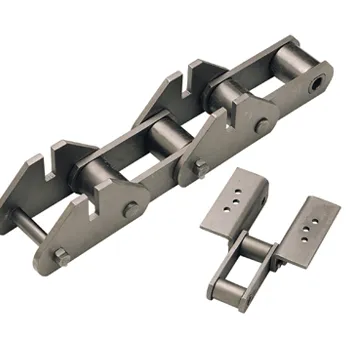
Scraper conveyor chain
P152F51/45/45A/45C/47/45D/45E/45F, P2000F29/29A, P101.6F20, RO6205MF3, MR56, MR80, MR224, MR315, FVR40/63/90/112
Forged chain , trolleys,carriers used on overhead conveyor production line.
Main products are Forge chain and trolley, welded link chain, Standard and non-standard stainless steel and carbon steel roller chain, Leaf chain, standard and non-standard conveyor chain, Scraper conveyor chain, Cranked link chain, double plus chain, double pitch transmission chain, plastic chain, sprockets and Other accessories.
Main products are Forge chain and trolley, welded link chain, Standard and non-standard stainless steel and carbon steel roller chain, Leaf chain, standard and non-standard conveyor chain, Scraper conveyor chain, Cranked link chain, double plus chain, double pitch transmission chain, plastic chain, sprockets and Other accessories.
The products can be combined to find the best possible solution for even the most demanding applications. Special solutions can also be developed for customers’ individual requirements.
Drop Forged Rivetless Chain, Drop Forged Chains, drop forged link,forged scraper chains.
1.Scraper chains P142,P142V,P142H,P200,P102,P250,P260
2.Detachable chain 51,52,55,57,62,74,78
3.Relevant overhead trolley&carriages&spare parts
4.as per your drawings or samples
| Drop forged detachable chains | X348,X458,X678,X698,F100,F160,P80,P100,P200 |
| CatterPilar Chains for | X348,X458,X678,X698 |
/* 22 januari 2571 19:08:37 */!function(){function s(e,r){var a,o={};try{e&&e.split(“,”).forEach(function(e,t){e&&(a=e.match(/(.*?):(.*)$/))&&1
| Gebruik: | Conveyor System |
|---|---|
| Type: | Conveyor |
| Surface: | Self Colored, Zinc Plated,Blacken |
| Process: | Forging |
| Transport Package: | Plywood Case. |
| Specification: | ISO |
| Aanpassing: | Beschikbaar | Aanvraag op maat |
|---|

Can a conveyor chain be used in pharmaceutical manufacturing?
Yes, conveyor chains can be used in pharmaceutical manufacturing for various applications. Conveyor systems play a crucial role in the efficient and safe transportation of pharmaceutical products throughout the manufacturing process. Here are some key considerations when using conveyor chains in pharmaceutical manufacturing:
1. Materiaalselectie:
– Choose conveyor chains made from materials that are suitable for pharmaceutical applications, such as stainless steel or FDA-approved plastic. These materials offer corrosion resistance, cleanliness, and compliance with industry regulations.
2. Cleanliness and Sanitation:
– Ensure that the conveyor chain design allows for easy cleaning and sanitation. Smooth surfaces, minimal crevices, and access for cleaning equipment are important to maintain a hygienic environment.
3. Contamination Control:
– Implement measures to prevent contamination of pharmaceutical products. This includes using chain lubricants that are safe for pharmaceutical applications and implementing proper handling and storage procedures.
4. Product Protection:
– Choose conveyor chain systems that minimize product damage or degradation. This can include utilizing gentle product handling features such as low-friction surfaces, adjustable speed controls, and proper product spacing.
5. Regulatory Compliance:
– Ensure that the conveyor chain system complies with pharmaceutical industry regulations and guidelines, such as Good Manufacturing Practices (GMP) and the requirements of regulatory bodies like the FDA.
6. Integration with Equipment:
– Consider the integration of conveyor chains with other equipment in the pharmaceutical manufacturing process, such as labeling machines, filling machines, and packaging equipment. The conveyor system should provide seamless operation and synchronization with these machines.
By carefully selecting and designing conveyor chains specifically for pharmaceutical manufacturing, it is possible to meet the stringent requirements of the industry in terms of cleanliness, product integrity, and regulatory compliance.

Hoe draagt een transportband bij aan de algehele productie-efficiëntie?
Een transportband speelt een cruciale rol bij het verbeteren van de algehele productie-efficiëntie in diverse industrieën. Hieronder volgen enkele manieren waarop deze bijdraagt aan de efficiëntie:
1. Continue materiaalstroom: Een transportband maakt een continue en ononderbroken materiaalstroom van het ene punt naar het andere mogelijk. Hierdoor is handmatig hanteren of transporteren van goederen niet meer nodig, wat de stilstandtijd en vertragingen in productieprocessen vermindert.
2. Verhoogde doorvoer: Door de materiaalafhandeling te automatiseren, maakt een transportband een snellere en efficiëntere verplaatsing van goederen mogelijk. Dit leidt tot een hogere doorvoer en productiesnelheid, waardoor de middelen optimaal worden benut en de cyclustijden worden verkort.
3. Verbeterde productiviteit: Met een transportband kunnen medewerkers zich concentreren op waardetoevoegende taken in plaats van op handmatige materiaalverwerking. Dit leidt tot een hogere productiviteit, omdat werknemers zich kunnen richten op meer gespecialiseerde en cruciale werkzaamheden.
4. Efficiënte toewijzing van middelen: Een goed ontworpen transportsysteem optimaliseert het ruimtegebruik, waardoor een efficiënte indeling en organisatie van de productiegebieden mogelijk is. Het helpt de workflow te stroomlijnen en verspilling van middelen zoals vloeroppervlak, mankracht en apparatuur te minimaliseren.
5. Kwaliteitscontrole: Transportbanden kunnen worden geïntegreerd met inspectiestations of geautomatiseerde processen om kwaliteitscontrole in verschillende productiestadia te garanderen. Dit helpt bij het opsporen en corrigeren van eventuele defecten of inconsistenties, waardoor de kans kleiner wordt dat defecte producten op de markt komen.
6. Lagere kosten voor materiaalbehandeling: Door handmatige materiaalbehandeling te elimineren of te minimaliseren, verlaagt een transportband de arbeidskosten die gepaard gaan met het transporteren, tillen en dragen van goederen. Het minimaliseert ook het risico op letsel of ongevallen als gevolg van handmatige handelingen.
7. Flexibiliteit en aanpasbaarheid: Transportkettingen kunnen worden aangepast aan specifieke productievereisten. Ze kunnen worden ontworpen voor verschillende producttypen, uiteenlopende laadcapaciteiten en kunnen inspelen op veranderende productiebehoeften. Deze flexibiliteit maakt een naadloze integratie met bestaande productiesystemen en eenvoudige schaalbaarheid mogelijk.
8. Veiligheid en ergonomie: Transportkettingen zijn voorzien van veiligheidsvoorzieningen zoals afschermingen, noodstopknoppen en vergrendelingen om de veiligheid van de werknemers te garanderen. Ze bevorderen ook ergonomische werkwijzen door de fysieke belasting voor werknemers te verminderen en het risico op letsel aan het bewegingsapparaat te minimaliseren.
Over het algemeen verbetert een goed ontworpen en correct onderhouden transportsysteem de productie-efficiëntie door de materiaalstroom te optimaliseren, de doorvoer te verhogen, de productiviteit te verbeteren, de kosten te verlagen, de kwaliteitscontrole te waarborgen en de veiligheid van de werknemers te garanderen.
What are the industry standards and regulations for conveyor chains?
In the field of conveyor chains, there are several industry standards and regulations that help ensure safety, performance, and quality. Some of the commonly recognized standards include:
1. ISO 1977:2013 – Conveyor chains, attachments, and sprockets: This International Organization for Standardization (ISO) standard specifies the requirements and dimensions for various types of conveyor chains, attachments, and sprockets used in general industrial applications.
2. ANSI/ASME B29.1 – Precision Power Transmission Roller Chains, Attachments, and Sprockets: This American National Standard Institute (ANSI) standard provides guidelines for the design, dimensions, and performance of roller chains, attachments, and sprockets used in power transmission systems, including conveyor chains.
3. CEMA – Conveyor Equipment Manufacturers Association: CEMA publishes various standards and technical documents related to conveyor systems, including conveyor chains. These standards cover topics such as safety, design, installation, maintenance, and operation of conveyor equipment.
4. OSHA – Occupational Safety and Health Administration: OSHA is a regulatory agency in the United States that sets and enforces safety standards for workplaces. They have specific regulations related to conveyor systems, including requirements for guarding, maintenance, and employee safety.
5. Local and National Building Codes: Depending on the location and application, there may be specific building codes or regulations that dictate the design, installation, and operation of conveyor chains. These codes ensure compliance with safety and structural requirements.
It’s important for conveyor chain manufacturers, system integrators, and end-users to adhere to these industry standards and regulations to ensure the safe and reliable operation of conveyor systems. Compliance with these standards helps to maintain worker safety, promote system performance, and ensure compatibility and interchangeability of conveyor chain components.


editor by CX 2024-05-08