The Ideal Scraper Chain For Box Feeders In Clay Feeding Systems And Brick Manufacturing
Navigating Heavy Clay Preparation Challenges
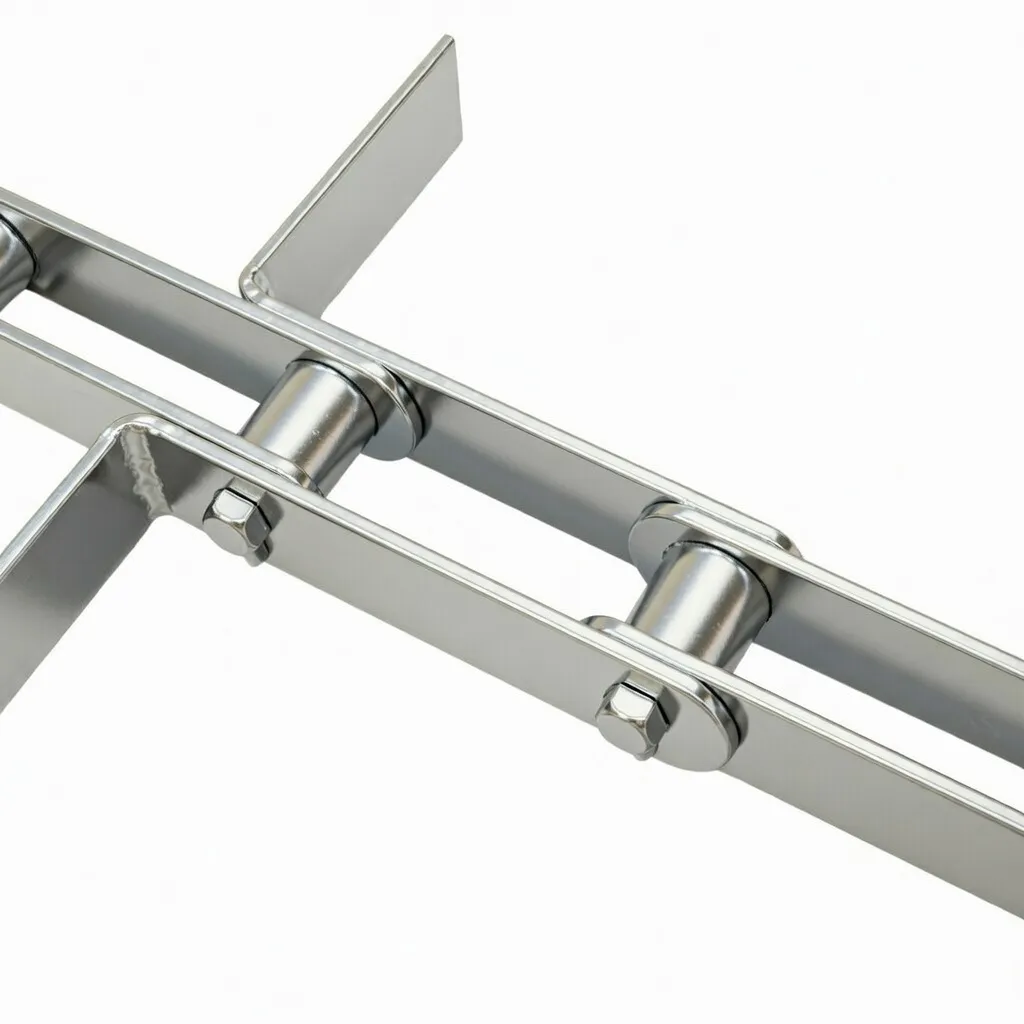 Operating a heavy-duty box feeder within the modern ceramic and structural clay industry demands unparalleled mechanical endurance. The equipment continuously processes highly abrasive, moisture-laden, and incredibly dense raw materials extracted directly from quarries. The core power transmission and material handling component within these massive primary and secondary feeding structures is the scraper chain. A standard, off-the-shelf conveyor chain mechanism simply cannot withstand the immense shearing forces, variable clay moisture content, and continuous friction generated by thousands of tons of wet material dragging across a steel baseplate day in and day out. Engineering a highly robust scraper chain involves complex metallurgical decisions, precise heat treatment protocols, and rigorous geometric design parameters to ensure that every drop-forged link, hardened pin, and welded flight attachment works in perfect synchronization under extreme tensile loads.
Evaluating the heavy clay handling landscape across the United Kingdom, from the historic architectural brickworks located in the Midlands to the highly advanced automated ceramic tile production plants in the north, the operational demand for a continuous, completely uninterrupted flow of raw material remains absolute. Any unexpected pitch elongation, fatigue cracking, or catastrophic link failure in the installed scraper chain instantly halts the entire primary preparation line. Such mechanical disruptions lead to severe production bottlenecks, wasted energy at the kiln stage due to material starvation, and massive financial losses. Investing in a meticulously engineered scraper chain for your specific box feeders is a fundamental strategic investment in long-term plant uptime, overall operational efficiency, and sustained corporate profitability.
Operational Principles And Advanced Material Science
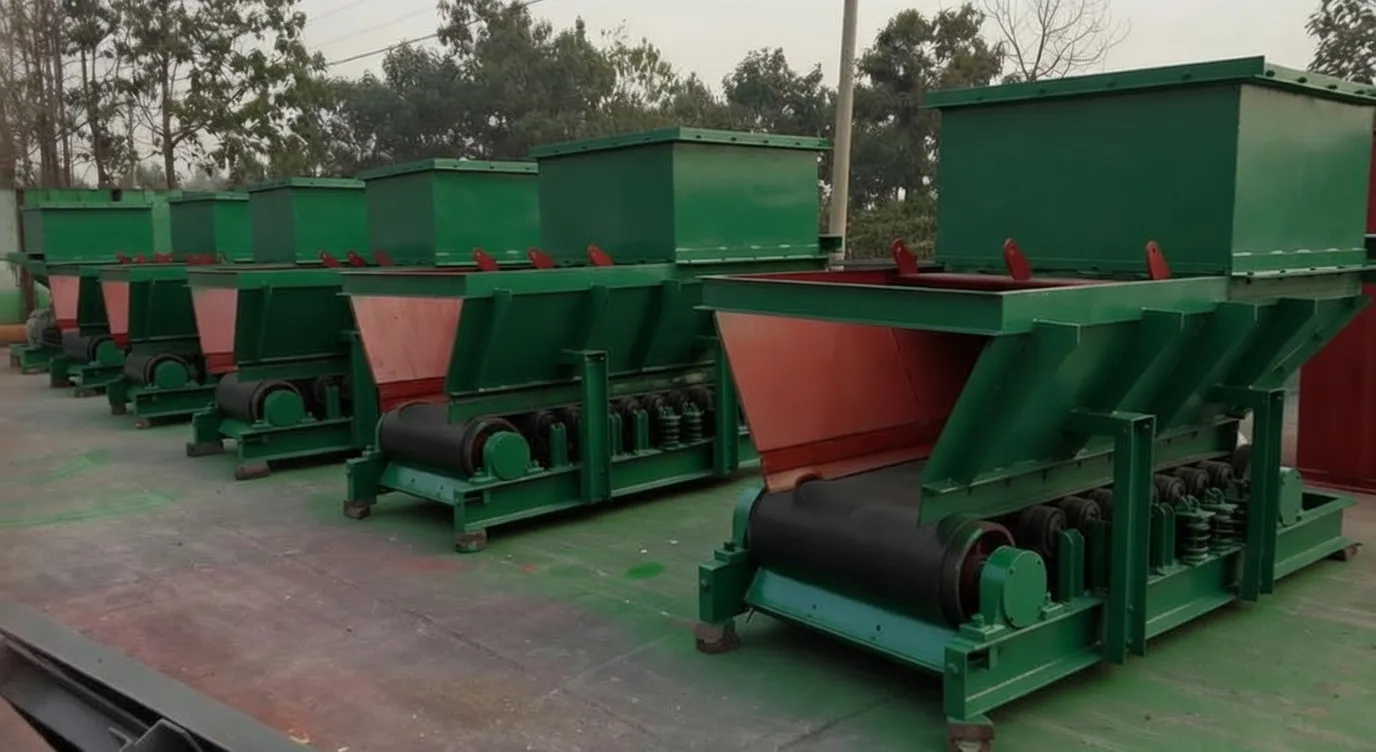 The fundamental mechanical action of a box feeder involves receiving massive, irregular payloads of raw clay from front-end wheel loaders or dump trucks, storing this bulk material temporarily, and then discharging it at a precisely controlled volumetric rate into subsequent crushing or grinding machinery like wet pan mills. The scraper chain is situated at the very bottom of the heavy steel hopper, where the bulk density and sheer dead weight of the wet clay are at their absolute maximum. As the drive sprocket engages, the entire chain assembly must overcome extreme static friction to pull the heavy clay column forward towards the adjustable discharge gate. This dynamic action subjects the scraper chain to incredible longitudinal tensile stress, requiring materials with exceptionally high yield strength to prevent permanent plastic deformation over years of continuous service.
Achieving such monumental mechanical performance requires highly sophisticated metallurgy. Premium links are typically drop-forged from high-grade alloy steels such as 20MnCr5 or 42CrMo4, materials specifically chosen for their excellent response to deep case hardening and induction hardening processes. The forging process aligns the internal grain structure of the steel along the exact load-bearing contours of the chain link, exponentially increasing its fatigue resistance compared to standard cast or purely machined alternatives. The pins and bushes undergo complex carburizing treatments to create an incredibly hard, wear-resistant outer shell (often reaching 55 to 60 HRC) while deliberately maintaining a tough, ductile internal core (around 35 to 40 HRC) to absorb heavy shock loads when large quarry stones inadvertently enter the clay feeding system.
Technical Parameters For Heavy Clay Feeders
| Техникалық параметр | Specification Range | Industry Application Relevance |
|---|---|---|
| Standard Pitch Dimensions | 160 mm – 315 mm | Determines sprocket compatibility and massive flight spacing for clay volume control. |
| Ultimate Breaking Load | 400 kN – 1200 kN | Essential for surviving sudden hopper jams and deeply compacted wet clay columns. |
| Link Material Composition | Drop-Forged 20MnCr5 / 42CrMo4 | Provides exceptional metallurgical fatigue limits over a 15-year operational lifecycle. |
| Surface Hardness Profile | 55 – 60 HRC (Case Depth 2.5mm) | Combats severe aggressive abrasive wear caused by natural quartz and silica particles. |
Exceptional Engineering Advantages Designed For Heavy Loads
Deploying a purposefully engineered scraper chain inside your box feeding equipment yields immediate and highly measurable operational advantages. The most prominent benefit is the drastic reduction in abrasive wear. Natural clay deposits inevitably contain varying percentages of highly abrasive quartz, silica sand, and hard rocky inclusions. Standard chains erode rapidly in this environment, leading to severe pitch elongation, poor sprocket engagement, and eventual chain jumping. Our specialized scraper chain mitigates this through advanced deep case hardening technology, creating an impenetrable wear layer on the pin and bush bearing surfaces that simply laughs off aggressive silica abrasion.
Another distinct engineering advantage lies in the self-cleaning structural geometry of the specialized flight attachments and inner link clearances. Wet clay is notoriously adhesive and cohesive; it packs tightly into every available mechanical crevice, forming solid concrete-like masses that restrict articulated joint movement and dramatically increase unnecessary drivetrain friction. Our highly optimized scraper chain profiles are specifically calculated to allow wet, sticky material to extrude outward away from the critical pin-to-bush load-bearing interfaces during continuous operation. This vital self-cleaning dynamic drastically reduces the electrical load on the heavy planetary drive motors, lowers overall factory energy consumption, and completely eliminates the need for manual, labor-intensive chain cleaning procedures during scheduled maintenance plant shutdowns.
Diverse Application Scenarios In Modern Ceramic Facilities
The robust versatility of a premium scraper chain allows it to be perfectly deployed across multiple critical stages within the heavy clay preparation line. In primary receiving operations, massive heavy-duty box feeders are positioned directly beneath quarry tipping points. These specific chains must endure immense sudden impact loads as raw, uncrushed clay boulders are dumped relentlessly into the steel hopper. The chain acts as the primary buffer and extraction mechanism, slowly pulling the mountainous payload forward towards primary roller crushers without suffering from structural buckling or catastrophic pin failure under extreme static load.
Further down the complex production line, secondary longitudinal proportioning box feeders rely on highly precise scraper chain articulation to blend varying types of clay, dry grog, sand, and specific chemical additives. In these exact secondary applications, chain pitch accuracy is absolutely paramount. Any uneven stretching or elongation directly results in highly inconsistent material discharge volumes, which subsequently destroys the carefully calculated moisture content and chemical mixture required for high-quality extrusion. Whether continuously feeding wet pan mills, managing massive raw material buffer silos, or proportioning delicate architectural brick blends, an engineered scraper chain provides the vital mechanical heartbeat that keeps the entire ceramic factory running at optimal capacity.
Customer Success Story: Transforming A Midlands Brickworks
A prominent structural brick manufacturing plant located in Staffordshire faced severe, reoccurring mechanical crises with their primary clay receiving station. The locally extracted clay was heavily saturated from intense winter rainfall and contained unusually high concentrations of abrasive hard silica. Their existing commercial-grade chains were snapping completely under the immense wet payload pressure approximately every six months. Each sudden catastrophic failure resulted in three full days of total factory downtime, complex emergency welding interventions deep inside the muddy hopper, and staggering financial losses approaching hundreds of thousands of pounds annually. They urgently needed a permanent, highly reliable mechanical solution to stabilize their primary clay throughput.
Ever Power engineering teams conducted an exhaustive on-site mechanical audit of the failing box feeder. We custom-engineered a bespoke drop-forged scraper chain featuring 250mm pitch links forged from ultra-high-tensile 42CrMo4 steel, combined with extensively induction-hardened pins and heavily reinforced welded flight attachments designed specifically for high-moisture Staffordshire clay. Upon precise installation and rigorous tensioning, the new system transformed the plant’s operational reality entirely. The newly designed scraper chain has currently surpassed thirty-six months of continuous, aggressive daily operation without a single measurable incident of significant pitch elongation or structural component failure, dramatically lowering their total cost of ownership and restoring total confidence in their primary processing capabilities.
Direct Endorsements From UK Engineering Professionals
“The bespoke heavy-duty scraper chain provided by Ever Power has fundamentally completely eliminated our highly problematic primary box feeder jams. We process incredibly heavy, sticky marl clay all winter long, and this engineered chain simply drags the massive load without any hesitation or visible strain. It is a phenomenal piece of equipment.”
— Lead Maintenance Superintendent, Structural Brick Plant, West Midlands
“Upgrading our secondary proportioning feeders to these drop-forged chains drastically improved our overall extrusion accuracy. The dimensional stability and resistance to pitch elongation mean our clay-to-grog blending ratios remain perfectly locked in month after month. The technical guidance was utterly outstanding.”
— Plant Production Manager, Advanced Ceramic Tile Facility, Yorkshire
“Sourcing massive industrial transmission parts usually involves endless delays. Ever Power accurately mapped our existing worn sprockets, rapidly engineered a highly compatible scraper chain replacement, and delivered the entire heavy assembly directly to our site ahead of our scheduled summer maintenance shutdown window.”
— Head of Procurement Operations, Heavy Clay Products Division, London
Unmatched Factory Customization Capabilities By Ever Power
Off-the-shelf industrial components frequently fail to align intimately with the incredibly unique mechanical demands of vintage or highly modified clay preparation machinery. Ever Power operates massive, state-of-the-art chain manufacturing facilities fully equipped with advanced robotic welding stations, extreme-tonnage precision forging presses, and highly sophisticated multi-axis CNC machining centers. This robust infrastructure allows us to completely customize every single dimensional aspect of your scraper chain. Whether your heavy-duty box feeder requires an incredibly obscure pitch dimension, uniquely angled welded flight attachments to handle specific sticky materials, or specialized metallurgical coatings to combat unusually acidic regional clays, our highly experienced application engineering team designs and manufactures the precise solution from raw steel block to final finished assembly.
We deeply understand that extended machinery downtime is entirely unacceptable in continuous ceramic production. Ever Power maintains streamlined, highly efficient global logistics networks perfectly capable of delivering monumental, multi-ton scraper chain assemblies rapidly into any major industrial hub. Our dedicated technical support network works intimately alongside your plant maintenance teams, rigorously ensuring flawless installation procedures, optimal dynamic tensioning protocols, and flawless alignment with your massive drive sprockets to absolutely maximize the operational lifecycle of your new custom mechanical asset.
Frequently Asked Commercial And Technical Questions
What is the estimated quote for a heavy-duty box feeder scraper chain in the UK?
The precise cost varies significantly depending upon customized pitch dimensions, chosen metallurgy, and specific breaking load requirements. Ever Power supplies highly competitive, fully transparent pricing structures directly to your specific factory location. Reach out to our dedicated engineering desk for an immediate, customized quote tailored exactly to your machinery requirements.
Where can I find a highly reliable custom scraper chain supplier for ceramic plant maintenance?
Ever Power serves as a globally recognized, premier manufacturer and direct supplier. We engineer and globally deliver robust, drop-forged chain components designed specifically for the extreme conditions found inside ceramic tile plants and structural heavy clay preparation facilities everywhere.
How frequently should a brickworks replace the scraper chain running inside a primary clay feeder?
With standard equipment, abrasive wet clay environments typically force chain replacements every single year. By heavily upgrading to our deeply induction-hardened, specialized forged designs, massive brick manufacturing facilities actively extend their continuous operational lifecycles up to thirty-six months or substantially longer.
Which precise scraper chain steel material offers the maximum wear resistance against wet silica clay?
We highly recommend utilizing high-grade 42CrMo4 alloy steel, specifically processed through precise drop-forging and rigorous deep case hardening. This exact scientific metallurgical combination provides an incredibly tough internal core completely surrounded by a highly hardened outer shell that effortlessly deflects aggressive silica sand particle abrasion.
Can I request a custom supplier price for a scraper chain matching our legacy box feeder dimensions?
Absolutely. Our highly skilled technical application engineers specialize deeply in reverse engineering vintage structural components. Simply send us your current link pitch dimensions, specific flight attachment angles, and massive sprocket data, and we will formulate a highly detailed, extremely competitive manufacturing cost analysis quickly.