제품 설명
Description
Stainless steel DIN763 long link chain ,Din766 short chain
1. Material: 300 series stainless steel
2. Standard: DIN763/Din766
3. Diameter: 2mm to 32mm
4. Breaking load: 1.25KN – 160KN
5. Welding type: argon-arc welding
6. Application: marine link chain, transmission, etc.
| Product | Dia (mm) | Inside Length (mm) | Outside Width (mm) | WLL (kg) | BL (N) | Weight (kg/m) |
| Long link chain | 2 | 22 | 8 | 25 | 1250 | 0.06 |
| 2.5 | 24 | 10 | 40 | 2000 | 0.10 | |
| 3 | 26 | 12 | 55 | 3200 | 0.15 | |
| 3.5 | 28 | 14 | 80 | 3850 | 0.20 | |
| 4 | 32 | 16 | 100 | 6000 | 0.27 | |
| 4.5 | 34 | 18 | 128 | 6300 | 0.35 | |
| 5 | 35 | 20 | 160 | 10000 | 0.43 | |
| 5.5 | 38.5 | 22 | 195 | 9500 | 0.52 | |
| 6 | 42 | 24 | 224 | 14000 | 0.63 | |
| 7 | 49 | 28 | 300 | 18000 | 0.86 | |
| 8 | 52 | 32 | 400 | 25000 | 1.10 | |
| 8.5 | 56 | 34 | 460 | 22500 | 1.25 | |
| 9 | 59 | 36 | 530 | 32000 | 1.41 | |
| 10 | 65 | 40 | 630 | 40000 | 1.75 | |
| 11 | 72 | 44 | 790 | 47500 | 2.11 | |
| 12 | 78 | 48 | 940 | 56500 | 2.55 | |
| 13 | 82 | 52 | 1000 | 63000 | 2.95 | |
| 16 | 100 | 64 | 1600 | 100000 | 4.45 | |
| 18 | 113 | 70 | 2120 | 127000 | 5.65 | |
| 19 | 119 | 72 | 2370 | 142000 | 6.25 | |
| 20 | 120 | 75 | 2500 | 160000 | 7.00 |
포장 및 배송
Packing: export standard packaging, or according to customer’s requirement.
Type of packing: Gunny bag, plastic reel, wooden reel, plastic drum, steel drum, wooden box.
Delivery time: 10-30 days after order confirmation
Shipping: by sea or by air
Trade terms: Ex.works, FOB, C&F, CIF, CFR
Our company:
Xihu (West Lake) Dis. City CZPT Steel Product Co., Ltd is founded in 1997.We are a large-scale production plant which specialized in producing high quality stainless steel wire, stainless steel wire rope, and PVC/Nylon/PE coated stainless steel wire products.
Our company serves both domestic and international market.Our products are with hith quality and competitive price.We are the official supplier for Chinese high speed train project.Moreover,our products are widely exported to CZPT market,such as US,Europe,Asian market.
We have ISO and SGS certicifates.
Why choose US?
1. We are Alibaba Assessed 6 years Gold Supplier.
2. We are a factory manufacturing stainless steel wire rope,Galvanized and Ungalvanized steel wire rope over 20 years. best production capability, best quality control, best service.
3. Competitive price and quality guaranteed.
자주 묻는 질문(FAQ):
Contact US:
| 용법: | 동력 전달 체인, 드래그 체인, 컨베이어 체인, 특수 전용 체인 |
|---|---|
| 재료: | 스테인리스 스틸 |
| 표면 처리: | 세련 |
| 특징: | 내열성 |
| 체인 크기: | 1/2"*3/32" |
| 구조: | Welded Chain |
| 샘플: | US$ 30/Meter 1미터(최소 주문량) | |
|---|
| 맞춤 설정: | 사용 가능 | 맞춤형 요청 |
|---|
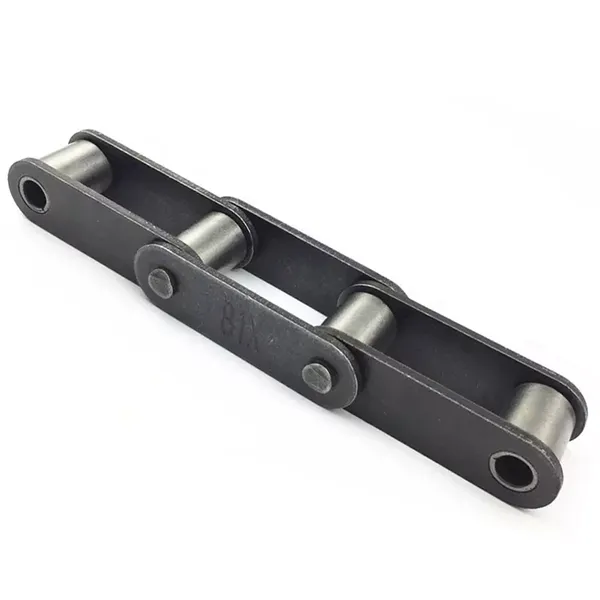
How does a conveyor chain handle inclined or declined conveyance?
A conveyor chain is designed to handle various types of conveyance, including inclined or declined applications. Here’s how a conveyor chain handles these situations:
1. Inclined Conveyance: When a conveyor system is required to move materials uphill, an inclined conveyor chain is used. The chain’s design includes special attachments or cleats that provide additional grip and prevent material from slipping or sliding backward. These attachments are strategically positioned along the chain to ensure effective conveyance on inclines.
2. Declined Conveyance: For conveyors that move materials downhill, a declined conveyor chain is utilized. Similar to inclined conveyance, the chain may have specialized attachments or cleats that help control the speed and prevent material from sliding too quickly. These attachments keep the material in place and ensure a controlled and efficient flow downward.
Both inclined and declined conveyance require careful consideration of the chain’s design, including the type and arrangement of attachments. The size, shape, and weight of the conveyed material also play a role in determining the appropriate chain configuration. It’s important to consult with conveyor chain manufacturers or experts to select the right chain and attachments for specific inclined or declined applications.
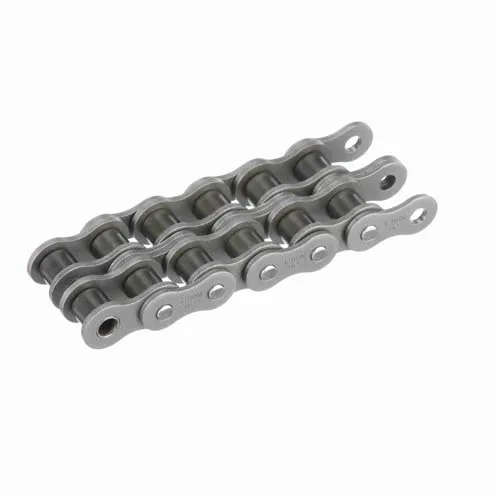
모듈형 컨베이어 체인 시스템을 사용하면 어떤 이점이 있습니까?
모듈형 컨베이어 체인 시스템은 유연성, 효율성 및 유지보수 용이성 측면에서 여러 가지 이점을 제공합니다. 주요 장점은 다음과 같습니다.
1. 다용성: 모듈형 컨베이어 체인은 쉽게 연결 및 분리할 수 있는 연동식 모듈로 설계되었습니다. 이를 통해 특정 레이아웃 요구 사항, 생산 필요성 또는 공간 제약에 따라 컨베이어 시스템을 유연하게 구성할 수 있습니다. 생산 공정이나 제품 변형에 맞춰 모듈을 추가, 제거 또는 재배치할 수 있습니다.
2. 맞춤 제작 가능성: 컨베이어 체인 시스템의 모듈식 설계는 특정 적용 요구 사항에 맞춰 맞춤 제작이 가능합니다. 직선 구간, 곡선 구간, 경사 구간, 하강 구간, 합류 구간, 분기 구간 등 다양한 유형의 모듈을 사용할 수 있습니다. 측면 가이드, 클리트, 제품 고정 장치와 같은 액세서리도 시스템에 쉽게 통합할 수 있습니다.
3. 빠른 설치 및 수정: 모듈형 컨베이어 체인은 손쉬운 설치 및 수정을 위해 설계되었습니다. 스냅인 또는 스냅온 연결 방식을 통해 모듈을 신속하게 조립 또는 분해할 수 있어 시스템 설정 또는 재구성 중 가동 중지 시간을 줄여줍니다. 이러한 특징은 유지 보수, 수리 또는 향후 확장을 용이하게 합니다.
4. 향상된 효율성: 컨베이어 체인 시스템의 모듈식 설계는 효율적인 자재 처리와 최적화된 작업 흐름을 가능하게 합니다. 모듈 간의 원활한 이송은 제품 걸림이나 정렬 불량을 최소화하여 지속적이고 일관된 자재 흐름을 보장합니다. 시스템에 곡선이나 경사면을 통합할 수 있어 바닥 공간을 효율적으로 활용하고 다양한 높이에서 제품 이동을 용이하게 합니다.
5. 손쉬운 유지보수: 모듈형 컨베이어 체인 시스템은 유지보수가 용이하도록 설계되었습니다. 개별 모듈은 전체 시스템을 분해하지 않고도 쉽게 접근하여 교체할 수 있습니다. 이는 유지보수 시간과 비용을 절감해 줍니다. 또한, 모듈의 개방형 구조로 인해 청소, 이물질 제거 및 검사가 용이합니다.
6. 내구성과 신뢰성: 모듈형 컨베이어 체인은 일반적으로 플라스틱이나 스테인리스강과 같은 고품질 소재로 제작되어 내구성과 수명이 뛰어납니다. 마모, 부식 및 화학적 손상에 대한 저항력이 우수하여 다양한 산업 환경에 적합합니다. 맞물림 구조는 안정성을 제공하고 작동 중 체인 미끄러짐을 방지합니다.
7. 안전 기능: 모듈형 컨베이어 체인 시스템에는 비상 정지 버튼, 안전 가드 또는 막힘이나 과적을 감지하는 센서와 같은 안전 기능이 통합될 수 있습니다. 이러한 기능은 작업자의 안전한 작업 환경을 유지하고 운송되는 제품의 손상을 방지하는 데 도움이 됩니다.
전반적으로 모듈형 컨베이어 체인 시스템은 다용성, 맞춤화 가능성, 효율성 및 손쉬운 유지보수를 제공합니다. 제조, 포장, 유통 및 물류와 같은 산업 분야에서 자재 이송을 위한 신뢰할 수 있는 솔루션입니다.
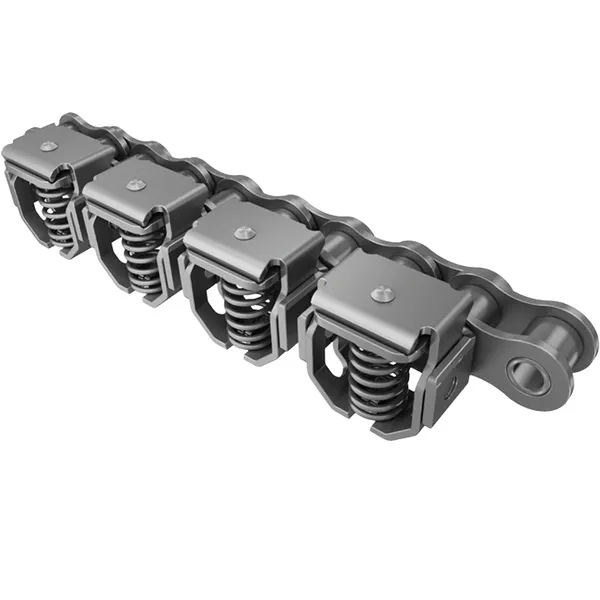
컨베이어 체인의 필요한 길이는 어떻게 계산하나요?
컨베이어 체인의 필요 길이를 계산하려면 컨베이어 시스템과 특정 용도에 관련된 여러 요소를 고려해야 합니다. 다음은 단계별 가이드입니다.
- 컨베이어 길이를 결정하십시오: 수평, 경사 또는 수직 구간을 포함하여 컨베이어 경로의 전체 길이를 측정하십시오.
- 스프로킷 중심을 고려하십시오: 컨베이어 경로를 따라 스프로킷 또는 구동 장치의 위치를 확인합니다. 인접한 스프로킷 쌍 사이의 거리를 측정합니다.
- 링크 수를 계산하세요: 컨베이어 전체 길이를 체인 피치로 나누어 필요한 링크 수를 결정합니다. 피치는 체인에서 연속된 두 핀의 중심 사이의 거리입니다.
- 장력 조정을 고려하십시오: 특정 용도에 따른 장력 조정 요구 사항을 고려해야 합니다. 여기에는 장력 조절 장치 또는 하중 변동으로 인한 장력 변화에 대한 여유분이 포함될 수 있습니다.
- 최종 연결을 포함하세요: 체인의 양 끝을 연결하는 데 사용되는 마스터 링크나 연결 핀과 같은 끝단 연결부의 길이를 고려하십시오. 전체 체인 길이 계산에 이러한 연결부의 치수를 포함시키십시오.
- 안전계수를 추가하세요: 적절한 장력 조절을 위한 충분한 체인 길이를 확보하고 시간이 지남에 따라 발생할 수 있는 늘어짐이나 마모를 고려하여 적절한 안전 계수를 적용하십시오.
필요한 체인 길이 계산은 여러 요소를 기반으로 한 추정치이므로 설치 및 장력 조절 과정에서 조정이 필요할 수 있다는 점에 유의해야 합니다. 컨베이어 제조업체의 지침을 참조하거나 숙련된 엔지니어와 협력하면 특정 컨베이어 시스템 및 적용 요구 사항에 따라 보다 정확한 계산을 얻을 수 있습니다.


editor by CX 2023-08-30