Productbeschrijving
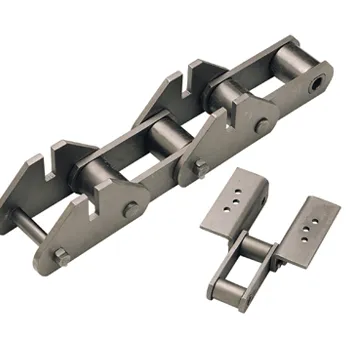
Forged Scraper conveyor chain
P152F51/45/45A/45C/47/45D/45E/45F, P2000F29/29A, P101.6F20, RO6205MF3, MR56, MR80, MR224, MR315, FVR40/63/90/112
Forged chain , trolleys,carriers used on overhead conveyor production line.
Main products are Forge chain and trolley, welded link chain, Standard and non-standard stainless steel and carbon steel roller chain, Leaf chain, standard and non-standard conveyor chain, Scraper conveyor chain, Cranked link chain, double plus chain, double pitch transmission chain, plastic chain, sprockets and Other accessories.
Main products are Forge chain and trolley, welded link chain, Standard and non-standard stainless steel and carbon steel roller chain, Leaf chain, standard and non-standard conveyor chain, Scraper conveyor chain, Cranked link chain, double plus chain, double pitch transmission chain, plastic chain, sprockets and Other accessories.
The products can be combined to find the best possible solution for even the most demanding applications. Special solutions can also be developed for customers’ individual requirements.
Drop Forged Rivetless Chain, Drop Forged Chains, drop forged link,forged scraper chains.
1.Scraper chains P142,P142V,P142H,P200,P102,P250,P260
2.Detachable chain 51,52,55,57,62,74,78
3.Relevant overhead trolley&carriages&spare parts
4.as per your drawings or samples
| Drop forged detachable chains | X348,X458,X678,X698,F100,F160,P80,P100,P200 |
| CatterPilar Chains for | X348,X458,X678,X698 |
| Materiaal: | Legering |
|---|---|
| Structuur: | Combined Chain |
| Oppervlaktebehandeling: | Polijsten |
| Kettingmaat: | 1/2"*3/32" |
| Functie: | Hittebestendig |
| Process: | Smeden |
| Voorbeelden: | US$ 1/Piece 1 stuk (minimale bestelling) | |
|---|
| Aanpassing: | Beschikbaar | Aanvraag op maat |
|---|
How do you calculate the chain pull force in a conveyor chain system?
The chain pull force, also known as the chain tension, is an important parameter to determine in a conveyor chain system. It represents the force required to move the conveyed load along the conveyor. The calculation of chain pull force involves several factors:
1. Weight of the Load: Determine the weight of the load being conveyed. This includes the weight of the product, packaging materials, and any additional equipment or components carried by the conveyor.
2. Friction Coefficients: Identify the friction coefficients between the load and the conveyor components. This includes the friction between the product and the conveyor chain, as well as the friction between the product and the conveyor bed or guides. These coefficients are typically provided by the manufacturer or can be obtained through testing.
3. Incline or Decline Angle: Consider the angle at which the conveyor operates. If the conveyor has an incline or decline, the angle will affect the force required to move the load.
4. Acceleration and Deceleration: Account for any acceleration or deceleration requirements in the conveyor system. If the conveyor needs to start or stop abruptly or if there are changes in speed, these factors will impact the chain pull force.
Once these factors are determined, the chain pull force can be calculated using the following formula:
Chain Pull Force = (Weight of Load + Friction Force) × (1 + Incline or Decline Factor) × (1 + Acceleration or Deceleration Factor)
It’s important to note that the accuracy of the calculation depends on the accuracy of the input values. Therefore, it’s recommended to consult the conveyor manufacturer or an engineering professional to ensure precise calculations and proper sizing of the conveyor chain.
What are the benefits of using stainless steel conveyor chains?
Stainless steel conveyor chains offer several advantages over other types of chains. Here are some of the key benefits:
1. Corrosion Resistance: Stainless steel is highly resistant to corrosion, making it suitable for applications in harsh environments or industries where frequent washdowns or exposure to moisture is required. It does not rust or corrode like other metals, ensuring a longer lifespan and reliable performance.
2. Strength and Durability: Stainless steel chains are known for their high strength and durability. They can withstand heavy loads, high temperatures, and abrasive materials without deformation or breakage. This makes them ideal for heavy-duty applications where reliability and longevity are crucial.
3. Hygienic and Sanitary: Stainless steel is a non-porous material that is easy to clean and maintain. It is resistant to bacteria, mold, and other contaminants, making it suitable for industries with strict hygiene requirements such as food processing, pharmaceuticals, and medical devices. Stainless steel chains can be thoroughly cleaned and sanitized, reducing the risk of product contamination.
4. Temperature Resistance: Stainless steel chains can withstand a wide range of temperatures, both high and low. They exhibit excellent heat resistance, allowing them to maintain their strength and performance even in extreme temperature conditions.
5. Aesthetic Appeal: Stainless steel chains have a sleek and polished appearance, adding a professional and aesthetic touch to the conveyor system. They are commonly used in industries where visual appeal and brand representation are important, such as retail or luxury goods.
6. Chemical Resistance: Stainless steel is resistant to various chemicals, including acids, alkalis, and solvents. This makes it suitable for applications where contact with corrosive substances is likely.
7. Compatibility with High-Speed Applications: Stainless steel chains can withstand high-speed operations without compromising their structural integrity or performance. They maintain their stability and accuracy even at elevated speeds.
Overall, stainless steel conveyor chains offer corrosion resistance, strength, durability, hygienic properties, temperature resistance, aesthetic appeal, chemical resistance, and compatibility with high-speed applications. These benefits make them a preferred choice in industries such as food and beverage, pharmaceuticals, automotive, and manufacturing, where reliability, cleanliness, and performance are essential.
Wat zijn de onderhoudsvereisten voor een transportketting?
Het onderhouden van een transportketting is essentieel voor een soepele werking en een langere levensduur. Hieronder vindt u enkele belangrijke onderhoudsvereisten voor een transportketting:
- Regelmatige schoonmaak: Reinig de transportketting regelmatig om vuil, stof en andere verontreinigingen te verwijderen die slijtage aan de ketting kunnen veroorzaken en de prestaties kunnen verminderen. Gebruik geschikte reinigingsmiddelen en gereedschappen om beschadiging van de ketting te voorkomen.
- Smering: Breng het aanbevolen smeermiddel aan op de transportketting volgens de instructies van de fabrikant. Smering helpt wrijving te verminderen, slijtage te minimaliseren en corrosie te voorkomen.
- Spanningsafstelling: Controleer regelmatig de spanning van de transportketting en pas deze indien nodig aan. De juiste spanning zorgt voor een soepele werking en voorkomt problemen zoals slippen van de ketting of overmatige slijtage.
- Inspectie: Voer regelmatig inspecties uit van de transportketting om slijtage, beschadigingen of verkeerde uitlijning te signaleren. Let op problemen zoals versleten tandwielen, uitrekking, verbogen of beschadigde schakels en losse verbindingen. Pak eventuele problemen direct aan om verdere schade te voorkomen.
- Vervang versleten onderdelen: Als onderdelen van de transportketting, zoals schakels, pinnen of tandwielen, overmatig versleten of beschadigd zijn, moeten deze worden vervangen. Het gebruik van versleten onderdelen kan de prestaties van de ketting negatief beïnvloeden en tot uitval leiden.
- Uitlijning: Controleer de juiste uitlijning van de transportketting door de uitlijning van tandwielen, looprollen en andere onderdelen te controleren. Een verkeerde uitlijning kan leiden tot ongelijkmatige slijtage en een verhoogd risico op kettingbreuk.
- Opleiding en scholing: Zorg voor een gedegen training van het personeel dat verantwoordelijk is voor de bediening en het onderhoud van de transportband. Zij moeten de onderhoudsvereisten, veiligheidsprotocollen en beste praktijken begrijpen om een effectieve en veilige werking te garanderen.
Door deze onderhoudsvoorschriften op te volgen, blijft de transportband in optimale conditie, wordt stilstand tot een minimum beperkt en wordt een veilige en efficiënte materiaalverwerking gewaarborgd.


editor by CX 2023-10-26