Opis produktu
Opis produktu
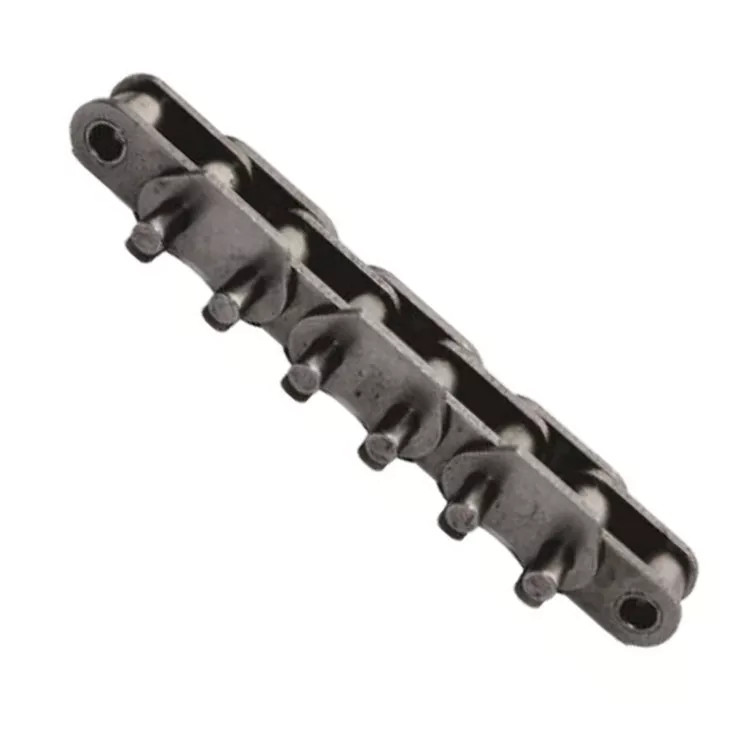
The offset link chain is designed with high abrasion, impact, and corrosion resistance to meet the application demands in sugar making industry. Its side plates are bended but with paralleled ends. Both hot bending and cold bending methods can be applied for side plate processing. The adoption of advanced bending die, coupled with enhanced quality inspection, makes sure the bending of side plates comes without cracks. Therefore, the offset sidebar chain won’t break easily under heavy load conditions.
Made using stainless steel and alloy steel materials, our offset link chain for sugar industry offers minimum tensile strength options between 250 and 9
| Tworzywo: | Stop |
|---|---|
| Struktura: | Łańcuch rolkowy |
| Obróbka powierzchni: | Polerowanie |
| Rozmiar łańcucha: | P:103.20mm |
| Funkcja: | Fire Resistant, Oil Resistant, Heat Resistant |
| Weight Per Meter: | 12.70kg |
| Próbki: | US$ 100/Meter 1 metr (minimalne zamówienie) | |
|---|
| Personalizacja: | Dostępny | Spersonalizowane żądanie |
|---|
Jak łańcuch przenośnika wpływa na efektywność energetyczną systemu?
Łańcuch przenośnika odgrywa znaczącą rolę w efektywności energetycznej systemu przenośnikowego. Oto sposoby, w jakie wpływa on na efektywność energetyczną:
1. Zmniejszone zużycie energii:
– Dobrze zaprojektowany łańcuch przenośnika o niskim współczynniku tarcia może zminimalizować zużycie energii. Dzięki zmniejszeniu oporu tarcia między łańcuchem a elementami przenośnika, do przesuwania łańcucha i transportu materiałów wzdłuż systemu przenośnika potrzeba mniej energii.
2. Efektywne przenoszenie mocy:
– Konstrukcja i wykonanie łańcucha przenośnika przyczyniają się do efektywnego przenoszenia mocy. Łańcuchy o zoptymalizowanym skoku, średnicy rolki i profilu zęba zapewniają płynne i efektywne przenoszenie mocy, minimalizując straty energii podczas pracy.
3. Prawidłowe napinanie łańcucha:
– Utrzymanie prawidłowego naciągu łańcucha ma kluczowe znaczenie dla efektywności energetycznej. Odpowiednio napięty łańcuch zapewnia optymalny kontakt między łańcuchem a zębatkami, minimalizując poślizg i utratę mocy. Regularne kontrole i regulacja naciągu łańcucha pomagają zmaksymalizować efektywność energetyczną.
4. Wyrównanie i śledzenie:
– Prawidłowe ustawienie i prowadzenie łańcucha przenośnika ma kluczowe znaczenie dla efektywności energetycznej. Niewłaściwe ustawienie lub nieprawidłowe prowadzenie łańcucha może powodować zwiększone tarcie, co przekłada się na większe zużycie energii. Regularne monitorowanie i regulacja ustawienia łańcucha zapewniają płynną i wydajną pracę.
5. Regularna konserwacja:
– Rutynowa konserwacja łańcucha przenośnika, obejmująca smarowanie, czyszczenie i przeglądy, pomaga utrzymać optymalną wydajność i efektywność energetyczną. Odpowiednie smarowanie zmniejsza tarcie i zużycie, minimalizując straty mocy i wydłużając żywotność łańcucha.
6. Optymalizacja projektu systemu:
– Uwzględnienie efektywności energetycznej na etapie projektowania systemu przenośników może znacząco wpłynąć na jego ogólną wydajność. Właściwy dobór komponentów łańcucha przenośnika, takich jak materiały o niskim współczynniku tarcia i wydajne układy napędowe, może pomóc zminimalizować zużycie energii i poprawić efektywność energetyczną systemu.
Stosując te praktyki i wykorzystując energooszczędne technologie łańcuchów przenośnikowych, przedsiębiorstwa mogą obniżyć koszty energii, zminimalizować wpływ na środowisko i zwiększyć ogólną zrównoważoność swoich działań.
What are the best practices for storing and handling conveyor chains?
Proper storage and handling of conveyor chains are essential to maintain their performance, prevent damage, and prolong their lifespan. Here are some best practices to consider:
1. Clean and dry storage area: Store conveyor chains in a clean and dry environment to prevent the accumulation of dirt, dust, moisture, or contaminants that can affect their performance and cause corrosion.
2. Adequate support: Ensure that the stored conveyor chains are properly supported to prevent excessive bending or deformation. Use pallets, racks, or designated storage containers that can accommodate the weight and length of the chains.
3. Avoid excessive heat or cold: Conveyor chains should be stored in an area with a moderate temperature range to avoid extreme heat or cold that can affect the material properties or lubrication of the chains.
4. Protection against impacts and vibrations: Protect the stored chains from impacts or excessive vibrations that can cause damage or deformation. Use suitable packaging or covers to shield the chains from any potential physical damage.
5. Lubrication: Apply a thin layer of appropriate lubricant to the chains before storage to prevent corrosion and maintain their smooth operation. Follow the manufacturer’s recommendations for lubrication type and quantity.
6. Regular inspections: Periodically inspect the stored conveyor chains to ensure there are no signs of damage, corrosion, or deformation. If any issues are identified, take appropriate actions such as cleaning, lubricating, or replacing the chains.
7. Proper handling techniques: When handling conveyor chains, use appropriate lifting equipment or tools to avoid excessive strain or bending. Avoid dragging or dropping the chains, as this can cause damage to the chain links or attachments.
8. Training and awareness: Provide training to personnel involved in handling and storing conveyor chains to ensure they understand the proper procedures and best practices. Promote awareness of the importance of careful handling and storage to prevent accidents and maintain chain integrity.
By following these best practices, you can ensure the longevity and reliable performance of your conveyor chains, reducing the risk of downtime and costly repairs.
What are the signs of wear and tear in a conveyor chain?
Over time, a conveyor chain may experience wear and tear due to the demanding nature of material handling operations. Several signs indicate the need for maintenance or replacement of a conveyor chain. These signs of wear and tear include:
- Chain Elongation: One of the common signs of wear in a conveyor chain is elongation. As the chain wears, the pitch between the chain links gradually increases, resulting in a longer chain length. Excessive elongation can cause improper engagement with sprockets, leading to slippage or chain derailment.
- Chain Link Plate Wear: The link plates of a conveyor chain can experience wear on their surfaces. This wear is typically caused by friction against sprockets, guide rails, or other components. Signs of plate wear include thinning or deformation of the link plates, which can affect the overall strength and integrity of the chain.
- Sprocket Tooth Wear: The teeth of the sprockets that engage with the conveyor chain can also exhibit signs of wear. Over time, the teeth may become worn down, rounded, or have irregular shapes. This wear can cause improper chain engagement, resulting in reduced efficiency and potential chain slipping or skipping.
- Nadmierny hałas: Increased noise during the operation of the conveyor system can indicate wear and tear in the chain. Excessive wear can lead to metal-to-metal contact, resulting in noisy operation. Unusual squeaking, grinding, or rattling sounds are indicators that the chain may require inspection or maintenance.
- Visible Damage: Any visible damage to the chain, such as cracked or broken link plates, bent pins, or missing attachments, is a clear sign of wear and tear. These damages compromise the chain’s structural integrity and should be addressed promptly to prevent further issues or chain failure.
- Inconsistent Movement: If the conveyor chain starts to exhibit jerky or uneven movement, it may be a sign of wear or misalignment. Misalignment can occur due to worn chain links, damaged sprockets, or improper tensioning. Inconsistent movement can lead to reduced efficiency, increased wear, and potential chain failure.
Regular inspection and maintenance of the conveyor chain system are essential to identify these signs of wear and tear. Timely replacement of worn components and proper lubrication can help prolong the life of the chain and maintain efficient operation.


editor by CX 2023-09-08