Opis produktu
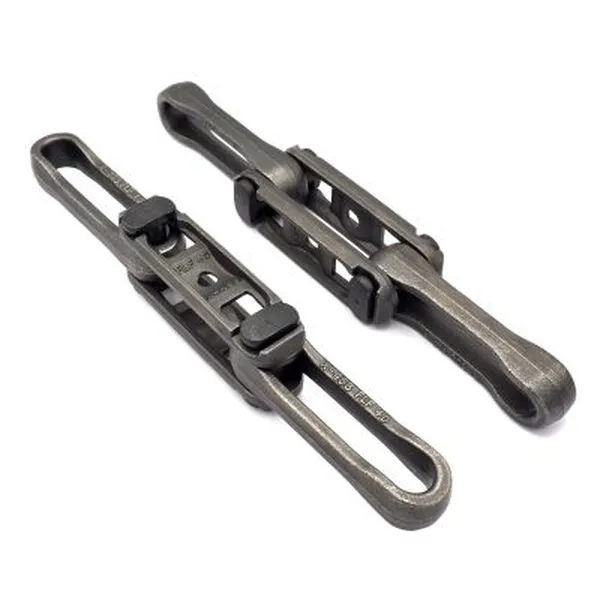
ForgedScraper conveyor chain
P152F51/45/45A/45C/47/45D/45E/45F, P2000F29/29A, P101.6F20, RO6205MF3, MR56, MR80, MR224, MR315, FVR40/63/90/112
Kute łańcuchy, wózki, przenośniki stosowane na linii produkcyjnej przenośników podwieszonych.
Głównymi produktami są: łańcuchy i wózki kuźnicze, łańcuchy z ogniwami spawanymi, standardowe i niestandardowe łańcuchy rolkowe ze stali nierdzewnej i węglowej, łańcuchy płytkowe, standardowe i niestandardowe łańcuchy przenośnikowe, łańcuchy przenośnikowe zgrzebłowe, łańcuchy ogniwowe korbowe, łańcuchy podwójne plus, łańcuchy przekładniowe o podwójnej podziałce, łańcuchy plastikowe, koła zębate i inne akcesoria.
Głównymi produktami są: łańcuchy i wózki kuźnicze, łańcuchy z ogniwami spawanymi, standardowe i niestandardowe łańcuchy rolkowe ze stali nierdzewnej i węglowej, łańcuchy płytkowe, standardowe i niestandardowe łańcuchy przenośnikowe, łańcuchy przenośnikowe zgrzebłowe, łańcuchy ogniwowe korbowe, łańcuchy podwójne plus, łańcuchy przekładniowe o podwójnej podziałce, łańcuchy plastikowe, koła zębate i inne akcesoria.
Produkty można łączyć, aby znaleźć najlepsze możliwe rozwiązanie nawet dla najbardziej wymagających zastosowań. Możliwe jest również opracowanie rozwiązań specjalnych dostosowanych do indywidualnych potrzeb klienta.
Łańcuchy kute matrycowo bez nitów, łańcuchy kute matrycowo, ogniwa kute matrycowo, łańcuchy zgarniające kute.
1. Łańcuchy zgarniające P142, P142V, P142H, P200, P102, P250, P260
2. Odpinany łańcuch 51,52,55,57,62,74,78
3. Odpowiednie wózki i wagony oraz części zamienne
4.zgodnie z twoimi rysunkami lub próbkami
| Kute matrycowo, odłączane łańcuchy | X348, X458, X678, X698, F100, F160, P80, P100, P200 |
| Łańcuchy CatterPilar dla | X348, X458, X678, X698 |
| Tworzywo: | Stop |
|---|---|
| Struktura: | Combined Chain |
| Obróbka powierzchni: | Polerowanie |
| Rozmiar łańcucha: | 1/2"*3/32" |
| Funkcja: | Odporny na ciepło |
| Proces: | Kucie |
| Próbki: | US$ 1/Piece 1 sztuka (minimalne zamówienie) | |
|---|
What are the advantages of using a slat conveyor chain?
A slat conveyor chain offers several advantages in material handling and conveying applications. Here are some key benefits:
1. Heavy-Duty Capacity:
– Slat conveyor chains are designed to handle heavy loads and can withstand rigorous industrial environments.
– They are commonly used in applications that require transporting large, bulky, or irregularly shaped items, such as automotive parts, pallets, or containers.
2. Flexibility:
– Slat chains can be customized and configured to suit specific conveying requirements. They are available in various widths, lengths, and chain configurations to accommodate different product sizes and shapes.
– The modular design of slat chains allows for easy modification or expansion of the conveyor system as production needs change.
3. Versatility:
– Slat chains can be used in both horizontal and inclined conveying applications. They are capable of moving products up or down slopes, making them suitable for production lines with varying elevations.
– These chains can be integrated with curves, turns, merges, and diverters to create complex conveying systems that optimize space utilization and product flow.
4. Durability and Longevity:
– Slat chains are typically made from robust materials such as steel or plastic, providing excellent durability and resistance to wear and tear.
– They can withstand demanding operating conditions, including high temperatures, corrosive environments, or exposure to chemicals.
5. Low Maintenance:
– Slat conveyor chains require minimal maintenance compared to other types of conveyor systems. They have fewer moving parts and typically operate with reduced friction.
– With proper lubrication and periodic inspection, slat chains can maintain their performance and reliability over an extended service life.
6. Easy Cleaning:
– The open design of slat chains allows for easy cleaning and debris removal. They are suitable for applications that require frequent sanitation or hygiene maintenance, such as in food processing or pharmaceutical industries.
Overall, using a slat conveyor chain offers the advantages of high load capacity, flexibility in design, versatility in conveying applications, durability, low maintenance requirements, and ease of cleaning. These features make slat chains an effective solution for various industries requiring efficient and reliable material handling.

What are the factors to consider when selecting the pitch of a conveyor chain?
When selecting the pitch of a conveyor chain, several factors need to be considered to ensure optimal performance and efficiency. Here are the key factors:
1. Load Capacity: The pitch of the conveyor chain should be selected based on the anticipated load capacity of the system. Consider the weight and size of the conveyed materials to ensure the chain can handle the required load without exceeding its capacity.
2. Speed and Application: The operating speed of the conveyor system and the specific application play a role in determining the pitch. Higher speeds may require smaller pitch chains to maintain smooth and reliable operation.
3. Conveyor Length: The length of the conveyor system affects the selection of the chain pitch. Longer conveyors may require larger pitch chains to distribute the load and reduce tension on individual chain links.
4. Space Constraints: Consider the available space for the conveyor system. Smaller pitch chains may be preferred in applications with limited space to minimize the overall footprint of the conveyor.
5. Wear and Maintenance: The pitch selection should also consider the anticipated wear and maintenance requirements. Smaller pitch chains often provide better wear resistance and may require less frequent lubrication and maintenance.
6. Speed Regulation: If the conveyor system requires speed regulation or precise positioning, the pitch selection should align with the control capabilities of the drive system. Smaller pitch chains can offer finer control and accuracy.
7. Compatibility: Ensure that the selected pitch is compatible with other components of the conveyor system, including sprockets, guides, and attachments. They should be designed to work together smoothly and efficiently.
8. Application Environment: Consider the environmental conditions in which the conveyor will operate. Factors such as temperature, humidity, corrosive substances, or abrasive materials may influence the choice of chain pitch and material to ensure durability and longevity.
By considering these factors, you can select the appropriate pitch for the conveyor chain, ensuring optimal performance, longevity, and reliable operation of the system.

Jakie są różne rodzaje łańcuchów przenośnikowych?
Dostępnych jest kilka rodzajów łańcuchów przenośnikowych, z których każdy jest zaprojektowany tak, aby spełniać wymagania konkretnego zastosowania. Oto kilka popularnych typów łańcuchów przenośnikowych:
- Łańcuchy rolkowe: Łańcuchy rolkowe to najczęściej stosowany rodzaj łańcuchów przenośnikowych. Składają się z szeregu cylindrycznych rolek połączonych płytkami bocznymi. Łańcuchy rolkowe zapewniają płynny i wydajny ruch i nadają się do zastosowań o średnim i dużym obciążeniu.
- Łańcuchy o podwójnej podziałce: Łańcuchy o podwójnej podziałce mają większą podziałkę (odległość między środkami sąsiednich sworzni) w porównaniu ze standardowymi łańcuchami rolkowymi. Są często stosowane w zastosowaniach wymagających niższych prędkości i mniejszych obciążeń.
- Łańcuchy z pustymi sworzniami: Łańcuchy z pustymi sworzniami posiadają puste sworznie, które umożliwiają łatwe mocowanie różnych akcesoriów lub elementów mocujących. Są one powszechnie stosowane w zastosowaniach transportowych wymagających personalizacji lub montażu elementów mocujących.
- Łańcuchy fartuchowe lub listwowe: Łańcuchy płytowe lub listwowe składają się z płytek lub listew połączonych zawiasami. Są stosowane w zastosowaniach wymagających dużej wytrzymałości, gdzie łańcuch musi przenosić i przenosić duże obciążenia lub wytrzymywać trudne warunki.
- Łańcuchy plastikowe: Łańcuchy plastikowe wykonane są z trwałych i lekkich materiałów, takich jak acetal lub polietylen. Oferują one takie zalety, jak odporność na korozję, niski poziom hałasu oraz możliwość pracy w środowisku wilgotnym i wymagającym mycia. Łańcuchy plastikowe są powszechnie stosowane w przemyśle spożywczym, opakowaniowym i farmaceutycznym.
To tylko kilka przykładów typów łańcuchów przenośnikowych. Dostępnych jest wiele innych wariantów, w zależności od wymagań konkretnego zastosowania. Wybór odpowiedniego typu łańcucha przenośnikowego zależy od takich czynników, jak nośność, prędkość, warunki otoczenia i oczekiwana funkcjonalność.


editor by CX 2023-08-07