Descrizione del prodotto
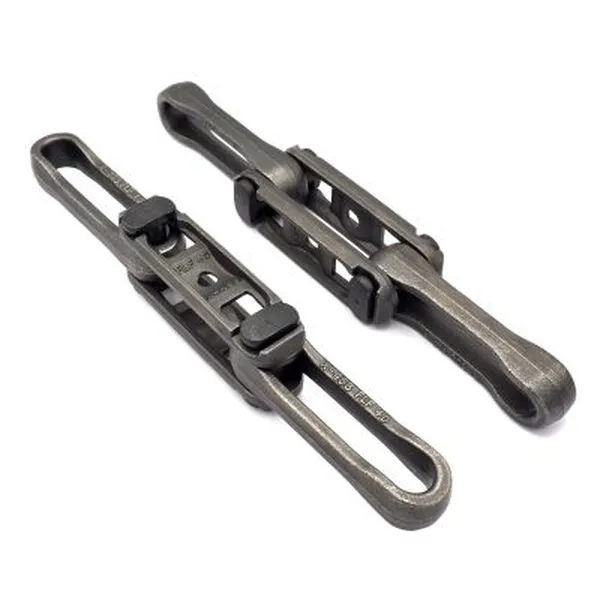
ForgedScraper conveyor chain
P152F51/45/45A/45C/47/45D/45E/45F, P2000F29/29A, P101.6F20, RO6205MF3, MR56, MR80, MR224, MR315, FVR40/63/90/112
Catene forgiate, carrelli e supporti utilizzati sulle linee di produzione con trasportatori aerei.
I prodotti principali sono catene e carrelli forgiati, catene a maglie saldate, catene a rulli standard e non standard in acciaio inossidabile e acciaio al carbonio, catene a foglia, catene per trasportatori standard e non standard, catene per trasportatori raschianti, catene a maglie angolate, catene a doppia croce, catene di trasmissione a doppio passo, catene in plastica, pignoni e altri accessori.
I prodotti principali sono catene e carrelli forgiati, catene a maglie saldate, catene a rulli standard e non standard in acciaio inossidabile e acciaio al carbonio, catene a foglia, catene per trasportatori standard e non standard, catene per trasportatori raschianti, catene a maglie angolate, catene a doppia croce, catene di trasmissione a doppio passo, catene in plastica, pignoni e altri accessori.
I prodotti possono essere combinati per trovare la soluzione ottimale anche per le applicazioni più complesse. È inoltre possibile sviluppare soluzioni personalizzate per le esigenze specifiche dei clienti.
Catena forgiata a caldo senza rivetti, catene forgiate a caldo, maglia forgiata a caldo, catene raschianti forgiate.
1. Catene raschianti P142, P142V, P142H, P200, P102, P250, P260
2. Catena staccabile 51,52,55,57,62,74,78
3. Carrelli aerei, carrelli e pezzi di ricambio pertinenti
4. secondo i vostri disegni o campioni
| catene staccabili forgiate a caldo | X348,X458,X678,X698,F100,F160,P80,P100,P200 |
| CatterPilar Chains for | X348,X458,X678,X698 |
| Materiale: | Lega |
|---|---|
| Struttura: | Combined Chain |
| Trattamento superficiale: | Lucidatura |
| Dimensioni della catena: | 1/2"*3/32" |
| Caratteristica: | Resistente al calore |
| Processo: | Forgiatura |
| Esempi: | US$ 1/Pezzo 1 pezzo (ordine minimo) | |
|---|
What are the advantages of using a slat conveyor chain?
A slat conveyor chain offers several advantages in material handling and conveying applications. Here are some key benefits:
1. Heavy-Duty Capacity:
– Slat conveyor chains are designed to handle heavy loads and can withstand rigorous industrial environments.
– They are commonly used in applications that require transporting large, bulky, or irregularly shaped items, such as automotive parts, pallets, or containers.
2. Flexibility:
– Slat chains can be customized and configured to suit specific conveying requirements. They are available in various widths, lengths, and chain configurations to accommodate different product sizes and shapes.
– The modular design of slat chains allows for easy modification or expansion of the conveyor system as production needs change.
3. Versatility:
– Slat chains can be used in both horizontal and inclined conveying applications. They are capable of moving products up or down slopes, making them suitable for production lines with varying elevations.
– These chains can be integrated with curves, turns, merges, and diverters to create complex conveying systems that optimize space utilization and product flow.
4. Durability and Longevity:
– Slat chains are typically made from robust materials such as steel or plastic, providing excellent durability and resistance to wear and tear.
– They can withstand demanding operating conditions, including high temperatures, corrosive environments, or exposure to chemicals.
5. Low Maintenance:
– Slat conveyor chains require minimal maintenance compared to other types of conveyor systems. They have fewer moving parts and typically operate with reduced friction.
– With proper lubrication and periodic inspection, slat chains can maintain their performance and reliability over an extended service life.
6. Easy Cleaning:
– The open design of slat chains allows for easy cleaning and debris removal. They are suitable for applications that require frequent sanitation or hygiene maintenance, such as in food processing or pharmaceutical industries.
Overall, using a slat conveyor chain offers the advantages of high load capacity, flexibility in design, versatility in conveying applications, durability, low maintenance requirements, and ease of cleaning. These features make slat chains an effective solution for various industries requiring efficient and reliable material handling.

What are the factors to consider when selecting the pitch of a conveyor chain?
When selecting the pitch of a conveyor chain, several factors need to be considered to ensure optimal performance and efficiency. Here are the key factors:
1. Load Capacity: The pitch of the conveyor chain should be selected based on the anticipated load capacity of the system. Consider the weight and size of the conveyed materials to ensure the chain can handle the required load without exceeding its capacity.
2. Speed and Application: The operating speed of the conveyor system and the specific application play a role in determining the pitch. Higher speeds may require smaller pitch chains to maintain smooth and reliable operation.
3. Conveyor Length: The length of the conveyor system affects the selection of the chain pitch. Longer conveyors may require larger pitch chains to distribute the load and reduce tension on individual chain links.
4. Space Constraints: Consider the available space for the conveyor system. Smaller pitch chains may be preferred in applications with limited space to minimize the overall footprint of the conveyor.
5. Wear and Maintenance: The pitch selection should also consider the anticipated wear and maintenance requirements. Smaller pitch chains often provide better wear resistance and may require less frequent lubrication and maintenance.
6. Speed Regulation: If the conveyor system requires speed regulation or precise positioning, the pitch selection should align with the control capabilities of the drive system. Smaller pitch chains can offer finer control and accuracy.
7. Compatibility: Ensure that the selected pitch is compatible with other components of the conveyor system, including sprockets, guides, and attachments. They should be designed to work together smoothly and efficiently.
8. Application Environment: Consider the environmental conditions in which the conveyor will operate. Factors such as temperature, humidity, corrosive substances, or abrasive materials may influence the choice of chain pitch and material to ensure durability and longevity.
By considering these factors, you can select the appropriate pitch for the conveyor chain, ensuring optimal performance, longevity, and reliable operation of the system.

Quali sono i diversi tipi di catene di trasporto?
Esistono diversi tipi di catene per nastri trasportatori, ciascuna progettata per soddisfare specifiche esigenze applicative. Ecco alcuni tipi comuni di catene per nastri trasportatori:
- Catene a rulli: Le catene a rulli sono il tipo di catena di trasporto più comunemente utilizzato. Sono costituite da una serie di rulli cilindrici collegati da piastre laterali. Le catene a rulli garantiscono un movimento fluido ed efficiente e sono adatte per applicazioni di media e alta intensità.
- Catene a doppio passo: Le catene a doppio passo hanno un passo maggiore (distanza tra i centri dei perni adiacenti) rispetto alle catene a rulli standard. Sono spesso utilizzate in applicazioni che richiedono velocità inferiori e carichi più leggeri.
- Catene a perno cavo: Le catene a perni cavi presentano perni cavi che consentono un facile fissaggio di vari accessori o componenti. Sono comunemente utilizzate in applicazioni di trasporto che richiedono personalizzazione o in cui è necessario montare accessori.
- Catene a grembiule o a doghe: Le catene a grembiule o a lamelle sono costituite da piastre o lamelle collegate tra loro da cerniere. Vengono utilizzate in applicazioni gravose, dove la catena deve sostenere e trasportare carichi pesanti o resistere ad ambienti difficili.
- Catene di plastica: Le catene in plastica sono realizzate con materiali resistenti e leggeri come l'acetale o il polietilene. Offrono vantaggi quali resistenza alla corrosione, bassa rumorosità e la possibilità di operare in ambienti umidi o soggetti a lavaggi frequenti. Le catene in plastica sono comunemente utilizzate nell'industria alimentare, dell'imballaggio e farmaceutica.
Questi sono solo alcuni esempi di tipologie di catene per nastri trasportatori, e ne esistono molte altre varianti a seconda delle specifiche esigenze applicative. La scelta della catena per nastri trasportatori più adatta dipende da fattori quali la capacità di carico, la velocità, l'ambiente di lavoro e la funzionalità desiderata.


editor by CX 2023-08-07