Descrição do produto
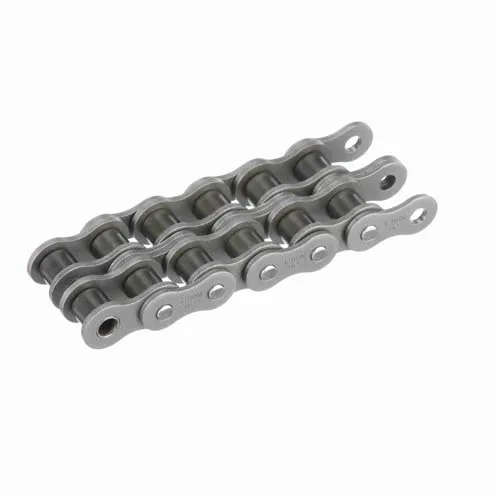
Double Pitch Conveyor Chain with K1 Attachments
Products are made of high quality alloy steel production. The plates are punched and squeezed bores by precision technology. The pin, bush, roller are machined by high-efficiency automatic equipment and automatic grinding equipment, then through heat treatment of carburization, carbon and nitrogen protection mesh belt furnace, surface blasting process etc. Assembled precision by Internal hole position, spin riveted by pressure to ensure the performance of the entire chain.
Specifications
| Technique Treatment | |||
| 1 | Shot Peening | 8 | Tempering |
| 2 | Bluing | 9 | Oiling |
| 3 | Nickel-plated | 10 | Greasing |
| 4 | Zincing | 11 | Special color |
| 5 | Heat Treatment | 12 | Stain proofing |
| 6 | Carburizing | 13 | Pre-stretched and anti-fatigue |
| 7 | Quenching | ||
Our Service
1. Any of your kind inquiry conveyor chain would be replied within 24 hours.
2. Well-trained and experienced sales staffs will reply all your concerns in fluent English.
3. OEM services are available with us, our professional designer would make your private idea into being.
4. Protection of your sales area, ideas of design and all your private information.
5. Delivery by air mail or ship for your orders.
Why choose us1. We are the manufacture.
2. We have near 30 years experience of making chains and chain links.
3. Our design team has extensive experience in the chain design.
4. Best service and prompt delivery.
5. We offer various styles, size and colors to meet your requirement.
6. We covering a production area of 18750 square CZPT have more than 200 employees and we have a complete set of testing equipment to ensure our quality.
| Uso: | Transportation Chain |
|---|---|
| Material: | Alloy/Carbon Steel |
| Tratamento de superfície: | Oxygenation |
| Recurso: | Resistente a óleo |
| Tamanho da corrente: | C2082 C2080 C2082h C2080h |
| Estrutura: | Corrente de rolos |
| Exemplos: | US$ 13/Meter 1 metro (pedido mínimo) | |
|---|
| Personalização: | Disponível | Solicitação personalizada |
|---|
Quais são os fatores a serem considerados na seleção de uma corrente transportadora de baixa manutenção?
Ao selecionar uma corrente transportadora de baixa manutenção, vários fatores devem ser levados em consideração:
1. Seleção de Materiais:
– Escolha uma corrente transportadora feita de materiais resistentes ao desgaste, à corrosão e à contaminação. Correntes de aço inoxidável, plástico ou autolubrificantes são comumente usadas devido à sua durabilidade e baixa necessidade de manutenção.
2. Design sem lubrificação:
Procure correntes transportadoras com design autolubrificante ou pré-lubrificadas com materiais que reduzem o atrito e eliminam a necessidade de lubrificação adicional. Isso ajuda a minimizar as tarefas de manutenção associadas à lubrificação regular.
3. Construção selada:
– Considere correntes transportadoras com construção selada para evitar a entrada de sujeira, detritos e umidade. Correntes seladas exigem limpeza e manutenção menos frequentes, sendo ideais para aplicações que requerem pouca manutenção.
4. Limpeza fácil:
– Opte por correntes transportadoras projetadas para facilitar a limpeza. Superfícies lisas, estruturas abertas e componentes acessíveis permitem uma limpeza rápida e eficiente, reduzindo o tempo e o esforço de manutenção.
5. Resistência à contaminação:
Selecione uma corrente transportadora resistente à contaminação. Isso inclui resistência a produtos químicos, óleos, graxas e outras substâncias comuns no ambiente de aplicação. Correntes que resistem à contaminação exigem limpeza e manutenção menos frequentes.
6. Monitoramento do desgaste:
Procure correntes transportadoras que possuam recursos de monitoramento de desgaste, como indicadores ou sensores de desgaste. Esses recursos ajudam a identificar o desgaste da corrente e fornecem alertas de manutenção oportunos, permitindo a substituição ou o ajuste proativos.
7. Suporte do fabricante:
– Considere o suporte oferecido pelo fabricante da corrente. Um fabricante de boa reputação oferecerá orientações sobre intervalos de manutenção, cronogramas de substituição e fornecerá assistência técnica para garantir o funcionamento adequado da corrente.
Ao considerar esses fatores, você pode selecionar uma corrente transportadora de baixa manutenção que minimize a necessidade de inspeções, lubrificação, limpeza e substituição frequentes, resultando em redução dos esforços e custos de manutenção.
What are the benefits of using stainless steel conveyor chains?
Stainless steel conveyor chains offer several advantages over other types of chains. Here are some of the key benefits:
1. Corrosion Resistance: Stainless steel is highly resistant to corrosion, making it suitable for applications in harsh environments or industries where frequent washdowns or exposure to moisture is required. It does not rust or corrode like other metals, ensuring a longer lifespan and reliable performance.
2. Strength and Durability: Stainless steel chains are known for their high strength and durability. They can withstand heavy loads, high temperatures, and abrasive materials without deformation or breakage. This makes them ideal for heavy-duty applications where reliability and longevity are crucial.
3. Hygienic and Sanitary: Stainless steel is a non-porous material that is easy to clean and maintain. It is resistant to bacteria, mold, and other contaminants, making it suitable for industries with strict hygiene requirements such as food processing, pharmaceuticals, and medical devices. Stainless steel chains can be thoroughly cleaned and sanitized, reducing the risk of product contamination.
4. Temperature Resistance: Stainless steel chains can withstand a wide range of temperatures, both high and low. They exhibit excellent heat resistance, allowing them to maintain their strength and performance even in extreme temperature conditions.
5. Aesthetic Appeal: Stainless steel chains have a sleek and polished appearance, adding a professional and aesthetic touch to the conveyor system. They are commonly used in industries where visual appeal and brand representation are important, such as retail or luxury goods.
6. Chemical Resistance: Stainless steel is resistant to various chemicals, including acids, alkalis, and solvents. This makes it suitable for applications where contact with corrosive substances is likely.
7. Compatibility with High-Speed Applications: Stainless steel chains can withstand high-speed operations without compromising their structural integrity or performance. They maintain their stability and accuracy even at elevated speeds.
Overall, stainless steel conveyor chains offer corrosion resistance, strength, durability, hygienic properties, temperature resistance, aesthetic appeal, chemical resistance, and compatibility with high-speed applications. These benefits make them a preferred choice in industries such as food and beverage, pharmaceuticals, automotive, and manufacturing, where reliability, cleanliness, and performance are essential.
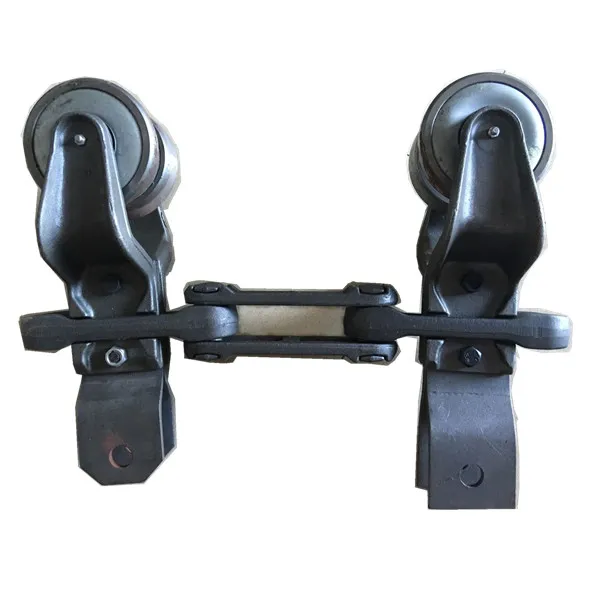
How do you optimize the efficiency of a conveyor chain system?
To optimize the efficiency of a conveyor chain system, several factors should be considered and implemented:
1. System Design: Ensure that the conveyor system is properly designed to minimize energy losses, reduce friction, and optimize material flow. Consider factors such as conveyor length, incline/decline angles, and the number and placement of drive units to achieve efficient operation.
2. Chain Selection: Select the appropriate conveyor chain based on the specific application requirements, such as load capacity, speed, and environmental conditions. Consider factors like chain material, pitch, and strength to ensure optimal performance and longevity.
3. Lubrication: Proper lubrication of the conveyor chain is essential for reducing friction, wear, and power consumption. Choose the right lubricant for the application and regularly maintain the lubrication levels to ensure smooth chain operation.
4. Tensioning and Alignment: Regularly inspect and adjust the tension and alignment of the conveyor chain to prevent excessive slack or tightness. Proper tensioning and alignment help to minimize chain wear, reduce energy losses, and ensure consistent performance.
5. Preventive Maintenance: Implement a regular maintenance program to identify and address potential issues before they escalate. This includes cleaning the chain, inspecting sprockets and guides, replacing worn components, and checking for proper tension and alignment. A well-maintained system reduces downtime and extends the life of the chain.
6. System Monitoring: Utilize monitoring tools such as sensors, cameras, or automated systems to track the performance of the conveyor chain system. Monitoring can provide valuable data on chain tension, alignment, speed, and power consumption, allowing for timely adjustments and optimization.
7. Training and Operator Awareness: Train operators on best practices for operating and maintaining the conveyor chain system. Promote awareness of energy efficiency, proper handling, and safety protocols to ensure optimal system performance.
By considering these factors and implementing appropriate measures, the efficiency of a conveyor chain system can be optimized, leading to improved productivity, reduced energy consumption, and longer chain life.


editor by CX 2023-08-08