Sistemas de correntes raspadoras de alta temperatura para manuseio de materiais quentes em plantas de sinterização
Engineering resilience for the most demanding thermal environments in the British steel industry.
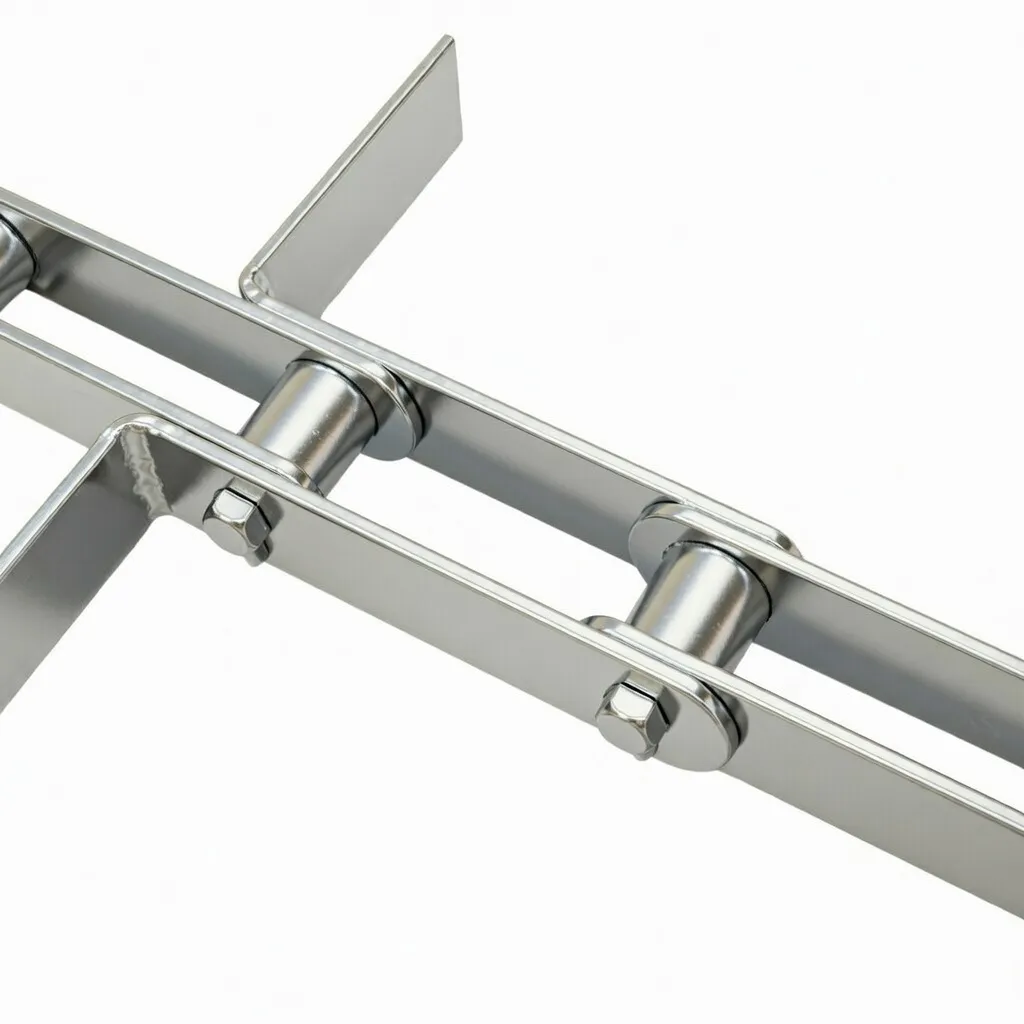 The production of iron ore sinter represents one of the most punishing stages in modern metallurgy, where raw materials are transformed into a porous clinker through intense thermal fusion. Within the confines of a sintering plant, the transport of freshly ignited sinter from the machine discharge to the cooling units presents a mechanical challenge that standard conveyor systems simply cannot withstand. Temperatures frequently exceed 1000 degrees Celsius, creating an environment where traditional rubber-based belts would incinerate instantly. This is where the specialized scraper chain becomes the critical lifeline of the facility. These heavy-duty mechanical conveyors are designed to drag red-hot, abrasive sinter through semi-enclosed steel troughs, ensuring a continuous flow of material while maintaining structural integrity under extreme heat. The synergy between metallurgy and mechanical design allows these chains to operate in conditions that would liquefy or warp lesser components.
Selecting the right scraper chain for a sintering operation in the United Kingdom requires a deep understanding of local industrial standards and the specific thermal expansion profiles of high-alloy steels. The British steel industry, with its long history of excellence in Teesside, Scunthorpe, and South Wales, demands equipment that offers both longevity and safety. A scraper chain must not only survive the heat but also resist the intense abrasion caused by the jagged edges of iron ore sinter. Every link, pin, and scraper bar must be precisely engineered to account for the physical changes that occur when metal is subjected to prolonged high-temperature exposure. This includes managing the thermal expansion of the chain pitch to prevent mechanical binding within the drive sprockets, a common failure point in poorly designed systems.
Exceptional Red Hardness
The fundamental advantage of our scraper chain systems lies in their superior red hardness, a property that allows the alloy steel to maintain its mechanical strength even when glowing at cherry-red temperatures. Unlike standard carbon steels that soften and lose their load-bearing capacity above 500 degrees, our specialized drop-forged chains are manufactured from Chromium-Molybdenum-Nickel alloys. This metallurgical composition ensures that the chain remains rigid and functional under the weight of heavy sinter loads, preventing the stretching and sagging that leads to costly de-railing incidents. By maintaining hardness at the surface level, the pins and bushings resist abrasive wear, significantly extending the service life between major maintenance intervals.
Thermal Expansion Compensation
A critical engineering hurdle in high-temperature applications is the predictable expansion of metallic components. A scraper chain that fits perfectly at ambient temperature may expand by several centimetres over its total length once it reaches operational heat. Our design team utilizes advanced calculations to build precise tolerances into the chain pitch and the sprocket tooth profile. This proactive engineering prevents the chain from binding or “climbing” the sprockets as it expands. Furthermore, the semi-enclosed steel troughs are designed with floating mountings, allowing the entire conveyor structure to breathe with the thermal cycles of the sintering process, reducing stress on the structural foundations of the plant.
Modular Scraper Integration
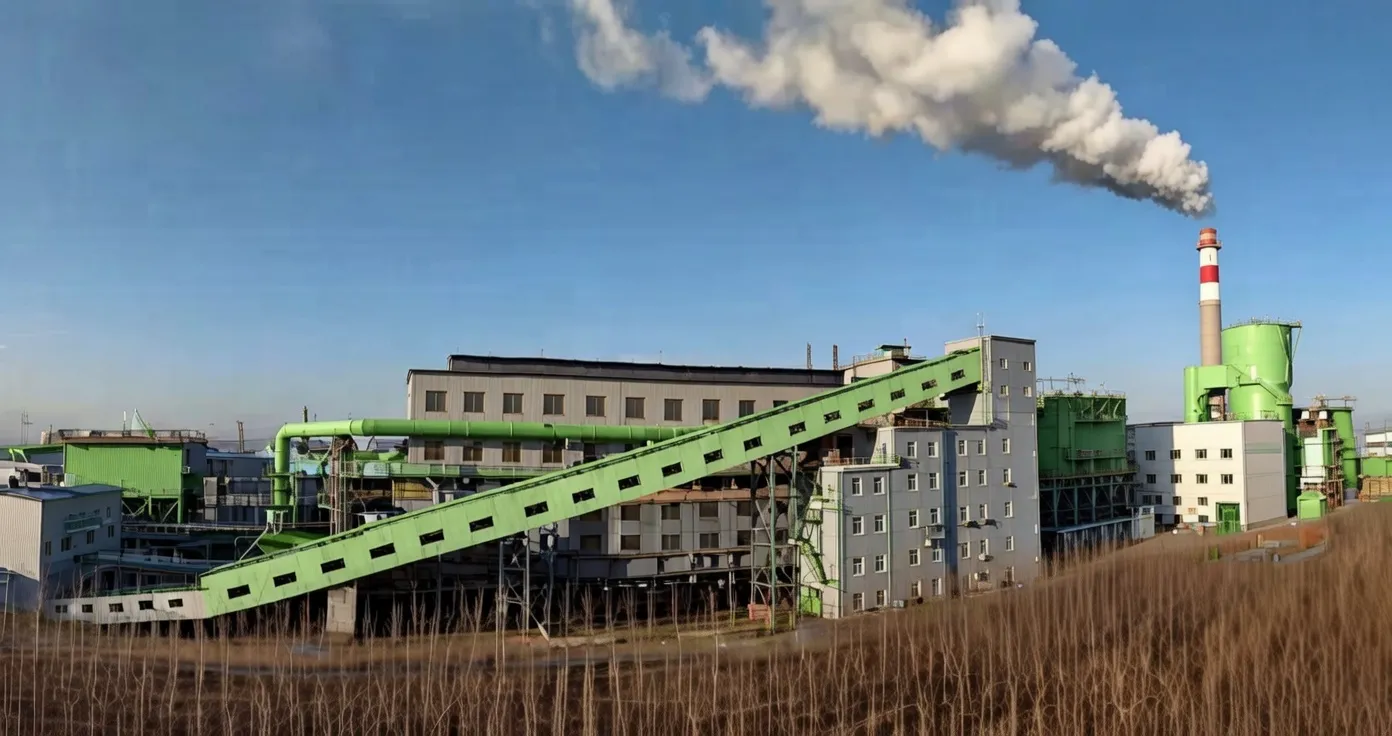 Efficiency in a sintering plant is measured by uptime, which is why our scraper chains feature a modular attachment system. Each scraper bar is secured using high-tensile, heat-resistant fasteners that can be serviced without dismantling the entire chain loop. This design allows for rapid replacement of individual scrapers if they sustain damage from oversized sinter chunks or foreign debris. The geometry of the scrapers is optimized to clear the trough floor completely, preventing the accumulation of fines which can harden into a “false floor” and cause excessive drag on the motor. This self-cleaning action ensures consistent throughput and reduces the energy consumption of the drive units.
Technical Principles and Material Science
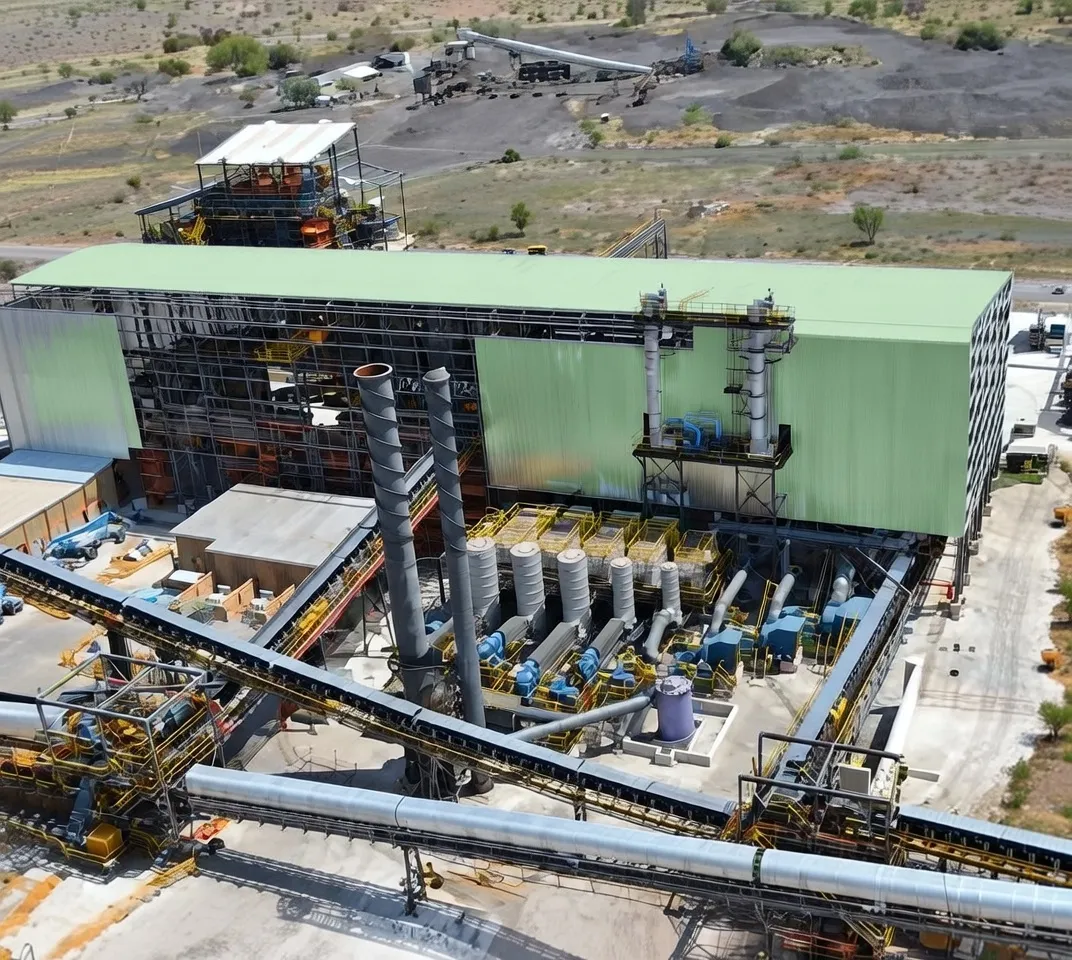 The operational principle of a scraper chain conveyor in a sinter plant is based on the concept of en-masse movement within a stationary trough. The chain is submerged within or located just above the material bed, dragging the sinter forward at a controlled velocity. The heat transfer dynamics in this scenario are complex; while the sinter is at 1000 degrees, the chain itself acts as a heat sink. We utilize drop-forging techniques for the chain links to ensure a refined grain structure, which is vital for resisting thermal fatigue. Thermal fatigue occurs when a material is repeatedly heated and cooled, leading to microscopic cracks. Our specialized heat treatment processes create a toughened core with a hard, wear-resistant exterior, providing the ideal balance of ductility and durability needed for the UK’s demanding industrial cycles.
The material choice for the trough liners is equally important. We often recommend Hardox or manganese steel liners that can be easily replaced. The interaction between the scraper chain and the liner is a calculated friction management task. By selecting materials with compatible hardness profiles, we ensure that the wear is predictable and localized to replaceable components rather than the structural frame. In British sintering facilities, where environment regulations are stringent, the semi-enclosed nature of our scraper conveyors also helps in dust suppression, keeping the red-hot particles contained and preventing atmospheric contamination during the transport phase.
| Especificação de parâmetros | High-Temp Alloy Series | Standard Industrial Series |
|---|---|---|
| Temperatura máxima de operação | 1200°C Peak / 1000°C Continuous | 250°C Max |
| Grau do material | 18NiCrMo7-6 / Custom Forge | C45 Carbon Steel |
| Tensile Strength at 800°C | >65% of Ambient | <20% (Not Recommended) |
| Chain Pitch Range | 142mm to 260mm | 101.6mm to 200mm |
| Safety Factor | 8:1 (Dynamic Load) | 5:1 |
Strategic Application Scenarios in British Metallurgy
The primary application for these chains in the UK is the transfer of hot sinter from the discharge end of the sintering strand to the circular or linear cooler. In this zone, the material is at its most volatile, releasing significant radiant heat and dust. A scraper chain system is preferred here over vibratory feeders because it provides a more positive displacement of material, which is essential for maintaining the rhythmic timing of the entire sinter plant. Beyond the primary discharge, these chains are also utilized in “hot return” systems, where undersized sinter that is still at elevated temperatures must be recycled back into the mixing process. The ability of the chain to handle these returns without cooling them down helps maintain the thermal efficiency of the sintering ignition furnace.
Another vital scenario involves emergency bypass lines. If a cooling fan fails or a secondary conveyor downstream is blocked, the scraper chain must be able to hold and slowly move a full load of stagnant, hot material without seizing. Our systems are engineered with high-torque drive units and heavy-duty take-up stations that can handle the massive static friction of a fully loaded trough. In British steelworks, where legacy infrastructure often dictates tight space constraints, the compact footprint of a scraper chain conveyor—compared to the large radius required by a belt conveyor—allows for more efficient plant layouts and easier integration into existing steel structures. This spatial flexibility is a key factor when upgrading older facilities in industrial hubs like Port Talbot or Scunthorpe.
Finally, the scraper chain is indispensable in the handling of hot dust and fines collected from the electrostatic precipitators (ESPs) or baghouse filters. This dust is often incredibly fine and prone to fluidization, making it difficult to transport. The en-masse dragging action of the scraper chain effectively moves this material in a controlled, non-turbulent manner, preventing dust clouds from forming within the conveyor gallery. By ensuring that these hot fines are safely returned to the sinter mix, our chains play a role in both the environmental compliance and the material efficiency of the plant, proving that even the smallest particles require the most robust mechanical solutions.
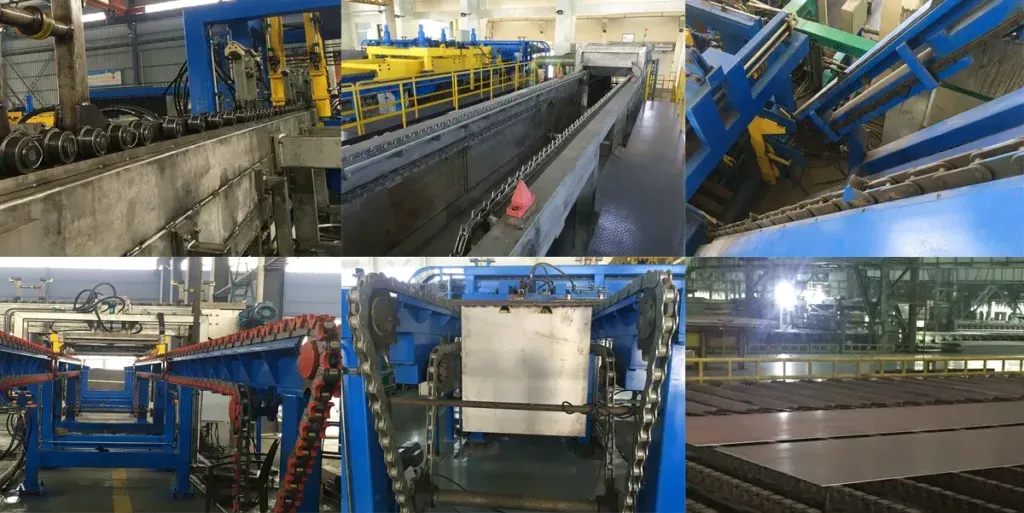
Client Success Case: Sheffield Integrated Steelworks
Modernizing a legacy sintering line to increase throughput and safety.
A prominent integrated steelworks located in the Sheffield region faced persistent downtime issues with their hot sinter return system. Their existing chain, a standard grade imported from a generic supplier, was experiencing catastrophic failures every four months due to thermal elongation and pin shearing. The downtime was costing the facility approximately £15,000 per hour in lost production. We were commissioned to conduct a full site audit and provide a customized scraper chain solution that could handle the increased production speeds they were targeting. Our team spent three days on-site, measuring the existing trough geometry and analyzing the temperature spikes during peak output cycles.
We implemented a bespoke 216mm pitch drop-forged chain with an enhanced 18NiCrMo7-6 alloy composition. The solution included a revised sprocket design to better accommodate thermal expansion and a set of custom-contoured scraper bars. The results were immediate: the plant saw a 40% reduction in chain-related maintenance within the first year. More importantly, the chain has now been in continuous operation for over 18 months without a single failure. The increased reliability allowed the client to push their sintering machine to its full capacity, resulting in a measurable increase in annual iron ore throughput for their blast furnaces.
Key Outcomes
- Maintenance intervals extended from 4 to 22+ months.
- Full elimination of chain-climbing incidents on drive sprockets.
- Significant reduction in power consumption due to lower friction.
- Enhanced safety for on-site personnel during maintenance.
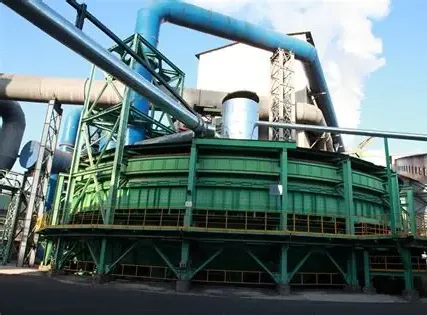
“The technical expertise Ever Power brought to our Sheffield site was transformative. Their understanding of high-temperature metallurgy solved a problem we had lived with for a decade.”
– Engineering Director, UK Steel Group
“Reliability is everything in our 24/7 sintering operations. The custom scraper chain provided has outperformed every other brand we have tested in the Teesside cluster.”
– Operations Manager, North East Steelworks
“From the initial audit to the final installation support, the service was exemplary. Their chains are the gold standard for hot material handling in the British Isles.”
– Procurement Lead, Port Talbot Facility
World-Class Manufacturing & Bespoke Customisation
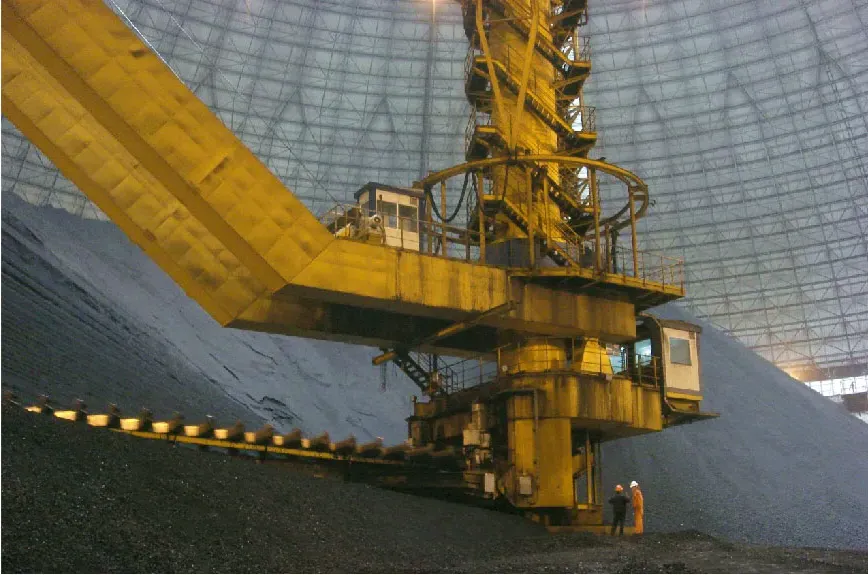 At Ever Power, we recognize that no two sintering plants are identical. Each facility has its own unique thermal profile, material chemistry, and physical constraints. Our manufacturing facility is equipped with state-of-the-art forging and heat-treatment lines specifically calibrated for the production of high-alloy scraper chains. We don’t just supply parts; we provide engineered solutions. Whether you are dealing with a legacy system that requires an obsolete imperial pitch or you are designing a new high-efficiency sinter line from scratch, our engineers can customize every dimension and material property to match your requirements. Our customization service includes on-site measuring, FEA stress analysis, and the development of proprietary alloys for specific chemical environments. We pride ourselves on our ability to respond rapidly to the needs of the British industrial sector, ensuring that your production remains uninterrupted by mechanical failures.
Perguntas frequentes
How do you calculate the cost of a high-temperature corrente raspadora for a UK sintering plant?
The price of a custom scraper chain is determined by several factors including the specific alloy grade required for your plant’s peak temperatures, the total length of the conveyor, and the complexity of the scraper attachments. We provide a detailed quote that includes material certification and estimated service life. In the UK, we also factor in logistical support to ensure timely delivery to your facility. Our goal is to provide a solution that minimizes the total cost of ownership by reducing downtime and maintenance frequency.
Which alloy materials are best suited for handling red-hot iron ore sinter at temperatures above 1000 degrees?
For applications where materials are glowing at 1000°C, we utilize high-nickel and chromium-molybdenum alloys such as 18NiCrMo7-6. These materials are chosen for their exceptional red hardness and resistance to thermal fatigue. Standard carbon steels will fail rapidly in these conditions, so we use drop-forged alloy links that undergo specialized heat treatment. This ensures the chain maintains its tensile strength and resists the abrasive nature of the sinter throughout its operational life.
Where can I find a reliable UK supplier for bespoke scraper chains used in heavy steel industry conveyors?
Ever Power serves as a premier partner for the British steel industry, offering both global manufacturing scale and local engineering insight. We supply specialized scraper chains directly to major steelworks across the UK, providing on-site consultation and customized design services. Our expertise in the specific requirements of the UK industrial sector ensures that you receive a product that meets all safety and performance standards while fitting seamlessly into your existing conveyor infrastructure.
What is the expected lifespan of a heat-resistant scraper chain in a continuous 24/7 sintering operation?
In a typical 24/7 UK sintering plant environment, our high-performance chains are designed to last between 18 to 24 months before requiring major component replacement. This lifespan is significantly longer than standard industrial chains, which often fail within 6 months in high-heat zones. The actual longevity depends on your material throughput, lubrication protocols, and the abrasiveness of your specific iron ore mix. We provide maintenance guidelines to help you maximize the life of your investment.
When should we consider upgrading our existing sinter conveyor system to a more robust scraper chain design?
You should consider an upgrade if you are experiencing frequent chain breakage, excessive stretching that requires constant adjustment, or if you are planning to increase your sintering machine’s speed and temperature. If your current system is a bottleneck for plant productivity or causes safety concerns due to frequent manual interventions, a modern scraper chain system will provide a rapid return on investment. We can conduct a performance audit to help you determine the optimal time for a system replacement.
editado por gzl