Descriere produs
Descriere produs
Agricultural chain,
1. Made of Alloy steel 40Mn
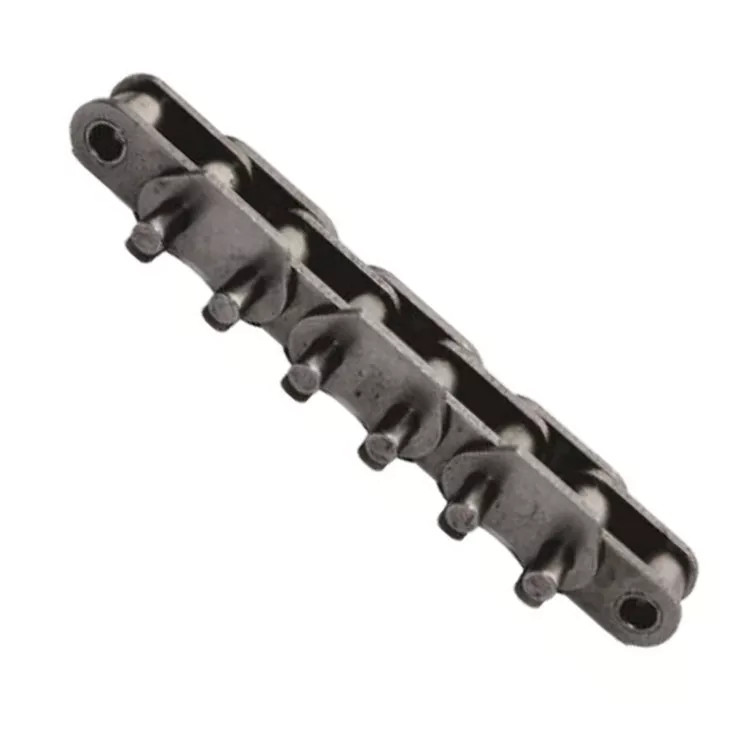
2. Type as CA type, A type, C type, S type, A type and Rice harvester chains
Agricultural Chain:
Our factory has manufactured agricultural chains for more than 10 years. All kinds of Agricultural chains, such as Walking tractor chains, Rice Harvest chains, Combine chains, A type steel agricultural chains, CA type steel agricultura chains, C type, A type chains, and with attachments. Such as CA550, CA557, S52, S32…
Atributul produsului
Usage | Transportation Chain |
Material | Stainless steel |
Tratament de suprafață | Galvanized / nickel plated / stainless steel / carbon steel |
Feature | Rezistent la căldură |
Chain Size | Customized |
Structure | Lanț combinat |
Color | Solid Color |
Chain Model | Conveyor Chains |
Chain Color | Customized |
Structure (for Chain) | Roller Chain |
| Port | ZheJiang |
| Plată | Acreditare credit, transfer bancar, livrare prin poștă, Western Union |
| Pachet | Lanț, pungă de plastic, cutie colorată, cutie din lemn. sau OEM |
Detailed Photos
Parametrii produsului
Avantajele noastre
Avantajele companiei:
Licență proprie de import și export, marca TV înregistrată cu succes în multe țări, rețeaua de vânzări este extinsă în toată China, produsele sunt exportate în 65 de țări pe 5 continente.
Calitatea de membru:
1. Membru al Asociației Industriei Generale a Componentelor de Mașini din China.
2. Membru al Asociației Chineze de Transmisie în Lanț.
3. Membru al Asociației Chineze de Standardizare a Lanțurilor.
4. Membrul Asociației Chineze a Producătorilor de Mașini Agricole.
Cu personalul și lucrătorii noștri excelent instruiți, echipamente avansate și eficiente, rețea completă de vânzări și sisteme stricte de asigurare a calității, puteți avea încredere că lanțul nostru premium calificat poate îndeplini toate specificațiile clienților și cele mai stricte standarde de calitate.
DE CE SĂ NE ALEGEȚI
Portofoliu complet de produse Producem și furnizăm o gamă largă de sisteme de transmisie a puterii
produse, inclusiv lanțuri de transmisie, lanțuri pentru frunze, lanțuri pentru transportoare, lanțuri agricole, pinioane și
cuplaje. Această experiență de cumpărături de tip „un singur magazin pentru toți” vă va reduce semnificativ costurile de căutare, în timp ce
Garantăm că veți găsi ceea ce căutați cu un singur clic.
Produse cu valoare ridicată Produsele noastre reprezintă cea mai bună combinație între calitate și preț, iar dumneavoastră primiți ceea ce...
doriți să vă încadrați în bugetele dvs.
Asociați de vânzări și ingineri cu experiență Avem 15 asociați de vânzări cu experiență și 5 ingineri;
echipa noastră vă stă la dispoziție oricând aveți nevoie de ajutor. Sunt bine pregătiți în domeniu
știți acum și vom răspunde întotdeauna solicitărilor dumneavoastră în termen de 24 de ore.
Rata de fidelizare a clienților 100% Clienții noștri obișnuiți din străinătate revin nu doar pentru
produse de calitate premium, ci și pentru serviciile superioare pe care le-am oferit de-a lungul anilor.
FAQ
Î1: Care este timpul dumneavoastră mediu de livrare?
R: Variază. Timpul nostru obișnuit de livrare este de 1-2 luni. De asemenea, oferim livrări expres pentru comenzi urgente. Pentru detalii, vă rugăm să consultați reprezentantul nostru de vânzări.
Î2: Prețul dumneavoastră este mai bun decât cel al concurenților, având în vedere aceeași calitate?
R: Cu siguranță DA. Oferim cel mai competitiv preț din industria transmisiei de energie. Dacă există o diferență de preț, vom fi mai mult decât bucuroși să facem o comparație a prețurilor.
Î3: Puteți realiza lanțuri conform desenelor mele CAD?
R: Da. Pe lângă lanțurile standard obișnuite, producem produse non-standard și personalizate pentru a îndeplini cerințele tehnice specifice. În realitate, o parte considerabilă din capacitatea noastră de producție este alocată fabricării de produse non-standard.
Î4: Putem inspecta mărfurile înainte de expediere?
R: Da. Dumneavoastră, reprezentantului dumneavoastră sau oricărei terțe părți desemnate pentru inspecție i se permite accesul la instalația noastră și efectuarea inspecției.
Î5: Ce metodă de plată este acceptabilă pentru fabrica dumneavoastră?
R: Suntem flexibili. Acceptăm T/T, L/C sau orice alte metode de plată online, atâta timp cât sunt aplicabile pentru dumneavoastră.
Î6: Ce se întâmplă dacă am și alte întrebări?
R: Ori de câte ori aveți dubii, vă încurajăm să consultați oricând reprezentantul nostru de vânzări – Aceștia vă vor ajuta spre satisfacția dumneavoastră.
| Cost de livrare: Transport estimat per unitate. | To be negotiated |
|---|
| Tip: | Agricultural Chain |
|---|---|
| Utilizare: | Grain Threshing, Cleaning and Drying |
| Material: | Oțel carbon |
| Mostre: | US$ 100/Meter 1 metru (comandă minimă) | Comandă mostră |
|---|
| Personalizare: | Disponibil | Cerere personalizată |
|---|
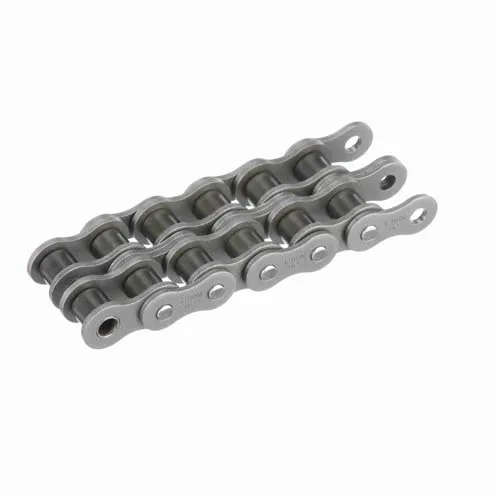
What are the considerations for selecting a low-maintenance conveyor chain?
When selecting a low-maintenance conveyor chain, several considerations should be taken into account:
1. Selectarea materialelor:
– Choose a conveyor chain made from materials that are resistant to wear, corrosion, and contamination. Stainless steel, plastic, or self-lubricating chains are commonly used for their durability and low maintenance requirements.
2. Lubrication-Free Design:
– Look for conveyor chains that have a self-lubricating design or are pre-lubricated with materials that reduce friction and eliminate the need for additional lubrication. This helps to minimize maintenance tasks associated with regular lubrication.
3. Sealed Construction:
– Consider conveyor chains with sealed construction to prevent the ingress of dirt, debris, and moisture. Sealed chains require less frequent cleaning and maintenance, making them ideal for low-maintenance applications.
4. Easy Cleaning:
– Opt for conveyor chains that are designed for easy cleaning. Smooth surfaces, open structures, and accessible components allow for quick and efficient cleaning, reducing maintenance time and effort.
5. Resistance to Contamination:
– Select a conveyor chain that is resistant to contamination. This includes resistance to chemicals, oils, greases, and other substances commonly found in the application environment. Chains that can withstand contamination require less frequent cleaning and maintenance.
6. Wear Monitoring:
– Look for conveyor chains that have wear monitoring features, such as wear indicators or sensors. These features help to identify chain wear and provide timely maintenance alerts, allowing for proactive replacement or adjustment.
7. Manufacturer Support:
– Consider the support provided by the chain manufacturer. A reputable manufacturer will offer guidance on maintenance intervals, replacement schedules, and provide technical assistance to ensure the proper functioning of the chain.
By considering these factors, you can select a low-maintenance conveyor chain that minimizes the need for frequent inspections, lubrication, cleaning, and replacement, resulting in reduced maintenance efforts and costs.
How does a conveyor chain handle different types of materials?
A conveyor chain is designed to handle a wide variety of materials in diverse industrial applications. It is capable of efficiently transporting different types of materials, including:
1. Bulk Materials: Conveyor chains are commonly used to handle bulk materials such as grains, coal, ores, aggregates, and powders. The design of the chain, including the spacing and shape of the links, helps prevent material spillage and ensures smooth and consistent flow.
2. Packaged Goods: Conveyor chains are also used for conveying packaged goods such as boxes, cartons, crates, and pallets. They provide a stable and reliable method of transporting these items along the production line, reducing manual handling and increasing productivity.
3. Small Parts: Conveyor chains with specialized attachments or small-pitch configurations are suitable for handling small parts or components. These chains ensure precise positioning and gentle transport of delicate or intricate items.
4. Heavy-Duty Loads: Industrial conveyor chains are capable of handling heavy-duty loads, such as automotive parts, machinery components, and large equipment. They are engineered to withstand the weight and stress of these objects, providing reliable and efficient material handling in demanding environments.
5. Food and Beverage Products: Conveyor chains used in the food and beverage industry are designed to meet strict hygiene and safety standards. They are constructed from materials that are resistant to corrosion, easy to clean, and compliant with food-grade regulations. These chains ensure the safe and contamination-free handling of food products.
6. Hazardous Materials: Conveyor chains can be used to safely transport hazardous materials, such as chemicals or waste products. Specialized chains with additional safety features, such as sealed housings or containment systems, are utilized to minimize the risk of spills or leaks.
Conveyor chains can be customized with different chain configurations, attachments, and accessories to accommodate specific material characteristics and handling requirements. The selection of the appropriate chain type, material, and design parameters ensures optimal performance and efficient material handling for a wide range of materials.
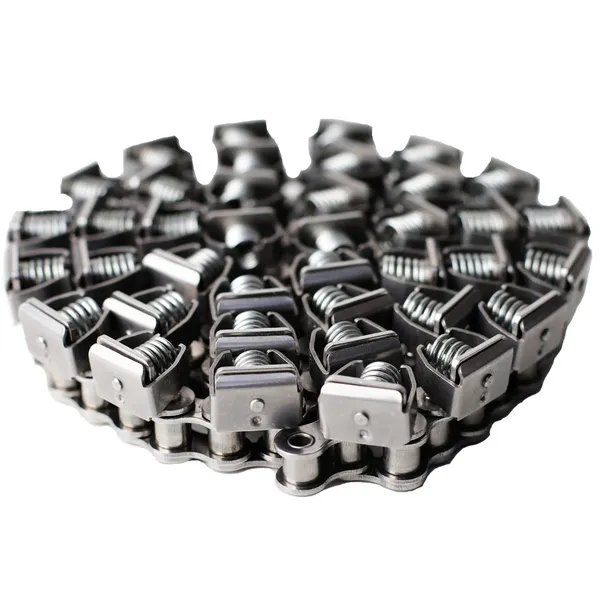
What is a conveyor chain and how does it work?
A conveyor chain is a type of mechanical chain specifically designed for use in conveyor systems. It is composed of a series of interconnected links that form a continuous chain loop. The links are typically made of metal and are joined together through pins or other connecting elements.
Conveyor chains work by transferring power and motion from the driving mechanism, such as a motor or sprocket, to the conveyor system to move materials or products along a predetermined path. The chain is placed on a track or guide rails, and as it moves, it carries the load placed on it.
The operation of a conveyor chain involves the following steps:
- Power transmission:
The driving mechanism transfers rotational power to the conveyor chain, typically through a motor and sprockets. The motor provides the necessary torque to drive the chain.
- Traction and motion:
As the driving mechanism rotates the sprockets, the teeth of the sprockets engage with the links of the conveyor chain. This interaction creates traction, causing the chain to move along the desired path.
- Load carrying:
The load to be transported is placed on the conveyor chain. The load can be in the form of products, materials, or other items. As the chain moves, it carries the load along the conveyor system, allowing for efficient transportation or handling.
- Support and guidance:
The conveyor chain is supported and guided by various components, such as guide rails, rollers, or wear strips. These components ensure the proper alignment and smooth movement of the chain along the conveyor system.
Conveyor chains are commonly used in industries such as manufacturing, logistics, packaging, and material handling. They offer a reliable and efficient method for moving products or materials in a controlled and automated manner.


editor by CX 2023-08-03