製品説明
製品説明
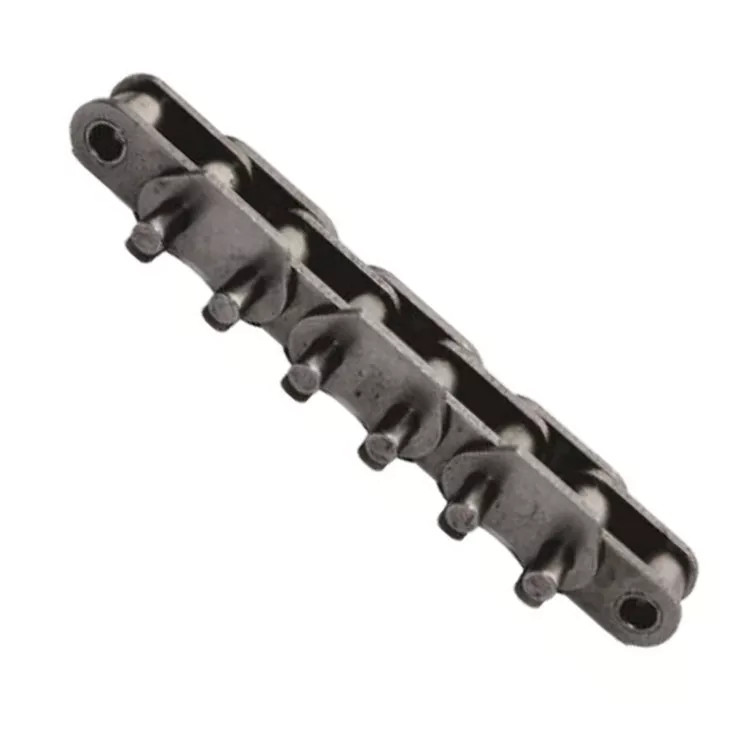
Agricultural chain,
1. Made of Alloy steel 40Mn
2. Type as CA type, A type, C type, S type, A type and Rice harvester chains
Agricultural Chain:
Our factory has manufactured agricultural chains for more than 10 years. All kinds of Agricultural chains, such as Walking tractor chains, Rice Harvest chains, Combine chains, A type steel agricultural chains, CA type steel agricultura chains, C type, A type chains, and with attachments. Such as CA550, CA557, S52, S32…
製品属性
Usage | Transportation Chain |
材料 | ステンレス鋼 |
表面処理 | Galvanized / nickel plated / stainless steel / carbon steel |
Feature | 耐熱性 |
Chain Size | Customized |
Structure | Combined Chain |
Color | Solid Color |
Chain Model | Conveyor Chains |
Chain Color | Customized |
Structure (for Chain) | ローラーチェーン |
| ポート | ZheJiang |
| 支払い | L/C、T/T、D/P、ウエスタンユニオン |
| パッケージ | チェーン、ビニール袋、カラーボックス、木箱。またはOEM |
Detailed Photos
製品パラメータ
当社の強み
会社の強み:
自社で輸出入ライセンスを保有し、テレビの商標は多くの国で登録に成功しており、販売ネットワークは中国全土に広がり、製品は5大陸65カ国に輸出されています。
会員資格:
1. 中国総合機械部品工業協会の会員。
2. 中国チェーン伝動協会の会員。
3. 中国チェーン標準化協会の会員。
4. 中国農業機械製造業者協会の会員。
優秀な訓練を受けたスタッフと従業員、先進的で効率的な設備、充実した販売ネットワーク、厳格な品質保証システムにより、当社の高品質なサプライチェーンは、お客様のあらゆる仕様と最も厳しい品質基準を満たすことができると確信しております。
当社を選ぶ理由
包括的な製品ポートフォリオ 当社は幅広い動力伝達機器を製造・供給しています
ドライブチェーン、リーフチェーン、コンベヤチェーン、農業用チェーン、スプロケットなどの製品、
カップリング。このワンストップショッピング体験は、検索コストを大幅に削減し、
ワンクリックで欲しいものが見つかることを保証します。
バリューチョイス製品 当社の製品は品質と価格の最高の組み合わせであり、
予算内で欲しいもの
経験豊富な営業担当者とエンジニア 当社には15名の経験豊富な営業担当者と5名のエンジニアがいます。
いつでもお手伝いが必要な時に、当社のチームが対応いたします。業界に関する十分な訓練を受けています。
すぐにご連絡いたします。また、お客様からのご要望には必ず24時間以内にご返信いたします。
100% 顧客維持率 海外からの常連のお客様は、単に当社の
高品質な製品はもちろんのこと、長年にわたって提供してきた優れたサービスこそが、私たちの強みです。
よくある質問
Q1:平均リードタイムはどれくらいですか?
A:状況によります。通常、納期は1~2ヶ月です。お急ぎのご注文には速達便もご用意しております。詳細は営業担当者までお問い合わせください。
Q2:同じ品質であれば、御社の価格は競合他社よりもお得ですか?
A:もちろんです。当社は送電業界で最も競争力のある価格を提供しています。もし価格差がある場合は、喜んで価格を合わせさせていただきます。
Q3:私のCAD図面に基づいてチェーンを製作できますか?
A:はい。通常の標準チェーンに加え、特定の技術要件を満たすための非標準品や特注品も製造しています。実際、当社の生産能力のかなりの部分が非標準品の製造に充てられています。
Q4:出荷前に商品を検査することはできますか?
A:はい。お客様ご自身、またはお客様の代理人、もしくは指定された第三者検査機関は、当社の施設に立ち入り、検査を行うことができます。
Q5:御社ではどのような支払い方法が受け入れられますか?
A:柔軟に対応いたします。T/T、L/C、その他お客様にとって適用可能なオンライン決済方法であれば、何でもお受けいたします。
Q6:他に質問がある場合はどうすればよいですか?
A:ご不明な点がございましたら、いつでもお気軽に弊社の販売担当者にご相談ください。お客様にご満足いただけるよう、全力でサポートいたします。
| 送料: 単位当たりの推定運賃。 | To be negotiated |
|---|
| タイプ: | 農業サプライチェーン |
|---|---|
| 使用法: | Grain Threshing, Cleaning and Drying |
| 材料: | Carbon Steel |
| サンプル: | US$ 100/Meter 1メートル(最小注文単位) | サンプルを注文する |
|---|
| カスタマイズ: | 利用可能 | カスタマイズされたリクエスト |
|---|
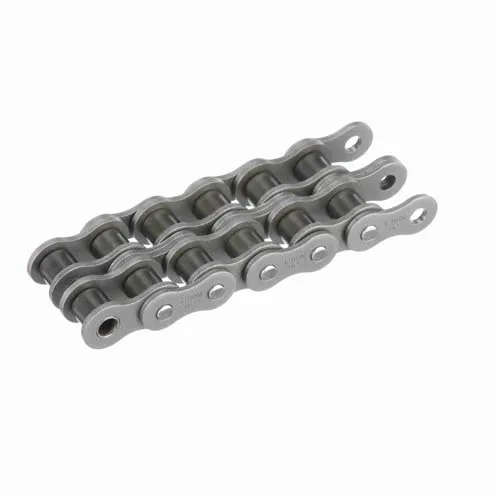
What are the considerations for selecting a low-maintenance conveyor chain?
When selecting a low-maintenance conveyor chain, several considerations should be taken into account:
1. 材料の選定:
– Choose a conveyor chain made from materials that are resistant to wear, corrosion, and contamination. Stainless steel, plastic, or self-lubricating chains are commonly used for their durability and low maintenance requirements.
2. Lubrication-Free Design:
– Look for conveyor chains that have a self-lubricating design or are pre-lubricated with materials that reduce friction and eliminate the need for additional lubrication. This helps to minimize maintenance tasks associated with regular lubrication.
3. Sealed Construction:
– Consider conveyor chains with sealed construction to prevent the ingress of dirt, debris, and moisture. Sealed chains require less frequent cleaning and maintenance, making them ideal for low-maintenance applications.
4. Easy Cleaning:
– Opt for conveyor chains that are designed for easy cleaning. Smooth surfaces, open structures, and accessible components allow for quick and efficient cleaning, reducing maintenance time and effort.
5. Resistance to Contamination:
– Select a conveyor chain that is resistant to contamination. This includes resistance to chemicals, oils, greases, and other substances commonly found in the application environment. Chains that can withstand contamination require less frequent cleaning and maintenance.
6. Wear Monitoring:
– Look for conveyor chains that have wear monitoring features, such as wear indicators or sensors. These features help to identify chain wear and provide timely maintenance alerts, allowing for proactive replacement or adjustment.
7. Manufacturer Support:
– Consider the support provided by the chain manufacturer. A reputable manufacturer will offer guidance on maintenance intervals, replacement schedules, and provide technical assistance to ensure the proper functioning of the chain.
By considering these factors, you can select a low-maintenance conveyor chain that minimizes the need for frequent inspections, lubrication, cleaning, and replacement, resulting in reduced maintenance efforts and costs.
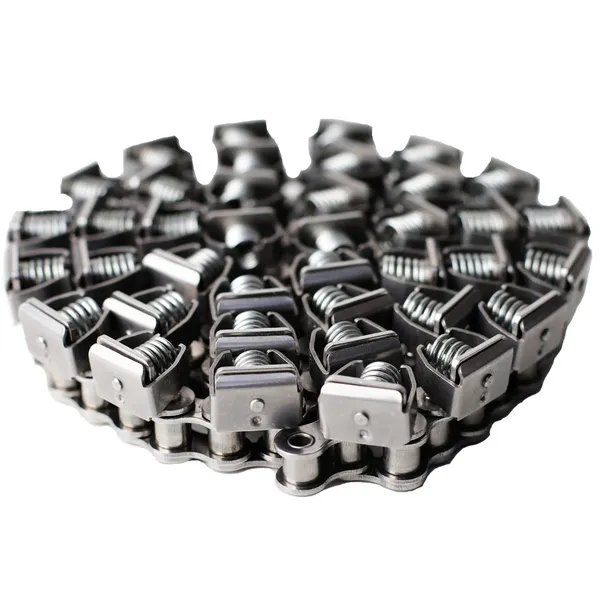
How does a conveyor chain handle different types of materials?
A conveyor chain is designed to handle a wide variety of materials in diverse industrial applications. It is capable of efficiently transporting different types of materials, including:
1. Bulk Materials: Conveyor chains are commonly used to handle bulk materials such as grains, coal, ores, aggregates, and powders. The design of the chain, including the spacing and shape of the links, helps prevent material spillage and ensures smooth and consistent flow.
2. Packaged Goods: Conveyor chains are also used for conveying packaged goods such as boxes, cartons, crates, and pallets. They provide a stable and reliable method of transporting these items along the production line, reducing manual handling and increasing productivity.
3. Small Parts: Conveyor chains with specialized attachments or small-pitch configurations are suitable for handling small parts or components. These chains ensure precise positioning and gentle transport of delicate or intricate items.
4. Heavy-Duty Loads: Industrial conveyor chains are capable of handling heavy-duty loads, such as automotive parts, machinery components, and large equipment. They are engineered to withstand the weight and stress of these objects, providing reliable and efficient material handling in demanding environments.
5. Food and Beverage Products: Conveyor chains used in the food and beverage industry are designed to meet strict hygiene and safety standards. They are constructed from materials that are resistant to corrosion, easy to clean, and compliant with food-grade regulations. These chains ensure the safe and contamination-free handling of food products.
6. Hazardous Materials: Conveyor chains can be used to safely transport hazardous materials, such as chemicals or waste products. Specialized chains with additional safety features, such as sealed housings or containment systems, are utilized to minimize the risk of spills or leaks.
Conveyor chains can be customized with different chain configurations, attachments, and accessories to accommodate specific material characteristics and handling requirements. The selection of the appropriate chain type, material, and design parameters ensures optimal performance and efficient material handling for a wide range of materials.
コンベアチェーンとは何ですか?また、どのように機能しますか?
コンベヤチェーンは、コンベヤシステムでの使用を目的として特別に設計された機械式チェーンの一種です。相互に連結された一連のリンクで構成され、連続したチェーンループを形成します。リンクは通常金属製で、ピンなどの接続部品によって互いに連結されています。
コンベヤチェーンは、モーターやスプロケットなどの駆動機構からコンベヤシステムに動力と動きを伝達し、あらかじめ定められた経路に沿って材料や製品を搬送します。チェーンはトラックまたはガイドレール上に設置され、移動する際にその上に載せられた荷物を運びます。
コンベアチェーンの動作は、以下の手順で行われます。
- 動力伝達:
駆動機構は、通常はモーターとスプロケットを介して、回転動力をコンベアチェーンに伝達します。モーターは、チェーンを駆動するために必要なトルクを提供します。
- 牽引力と運動:
駆動機構がスプロケットを回転させると、スプロケットの歯がコンベアチェーンのリンクと噛み合います。この相互作用によって牽引力が生じ、チェーンが所定の経路に沿って移動します。
- 荷物運搬:
搬送する荷物はコンベアチェーン上に置かれます。荷物は製品、材料、その他の物品など、様々な形態をとります。チェーンが動くと、荷物はコンベアシステムに沿って運ばれ、効率的な搬送や取り扱いが可能になります。
- サポートとガイダンス:
コンベヤチェーンは、ガイドレール、ローラー、摩耗ストリップなどの様々な部品によって支持および案内されます。これらの部品により、チェーンがコンベヤシステムに沿って適切に位置合わせされ、スムーズに移動することが保証されます。
コンベアチェーンは、製造業、物流業、包装業、資材運搬業などの業界で広く使用されています。製品や資材を制御された自動化された方法で搬送するための、信頼性が高く効率的な手段を提供します。


editor by CX 2023-08-03